The “Super Grandmas” of Altamura: how Apulian tradition conquered the world (and Instagram).
The news
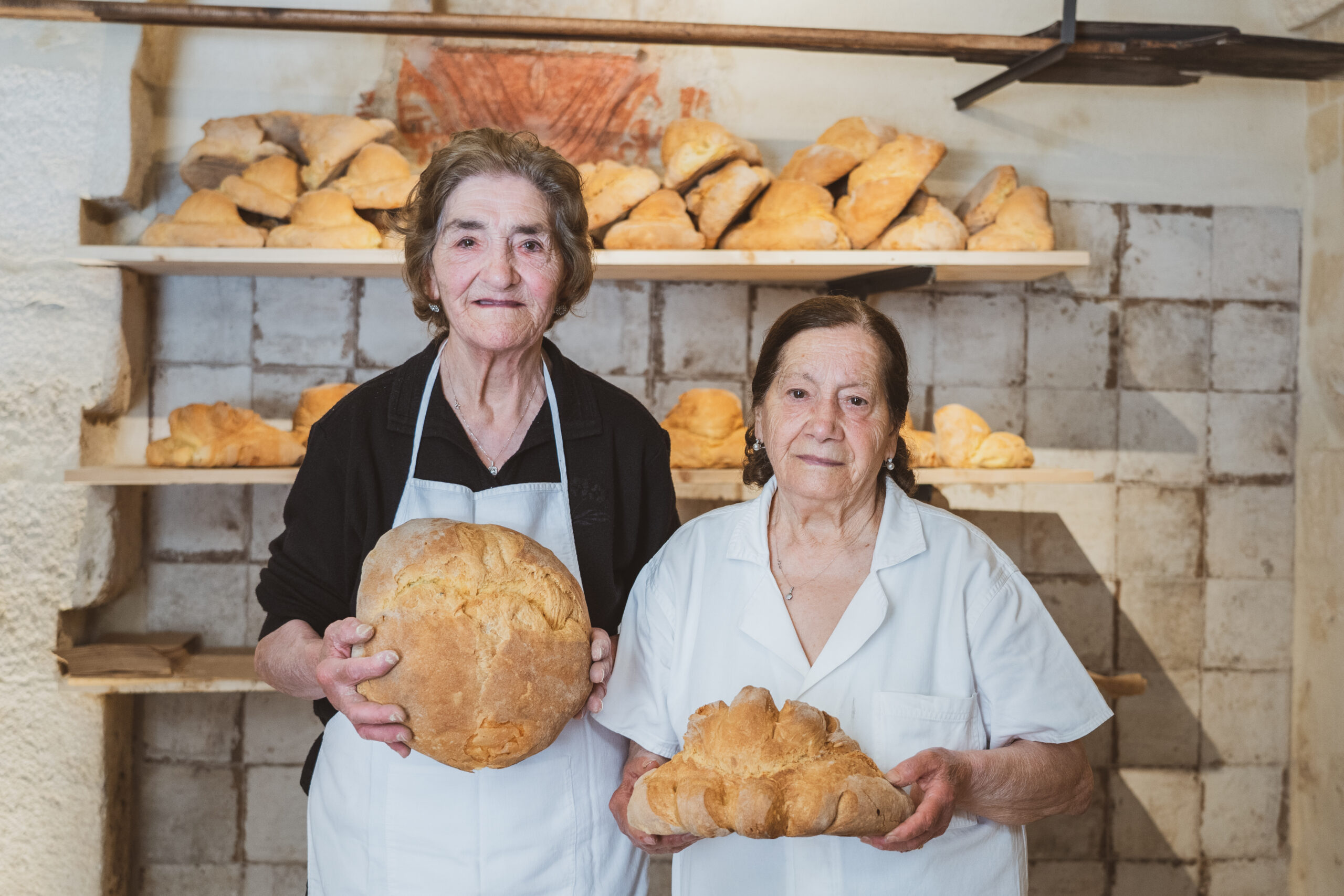
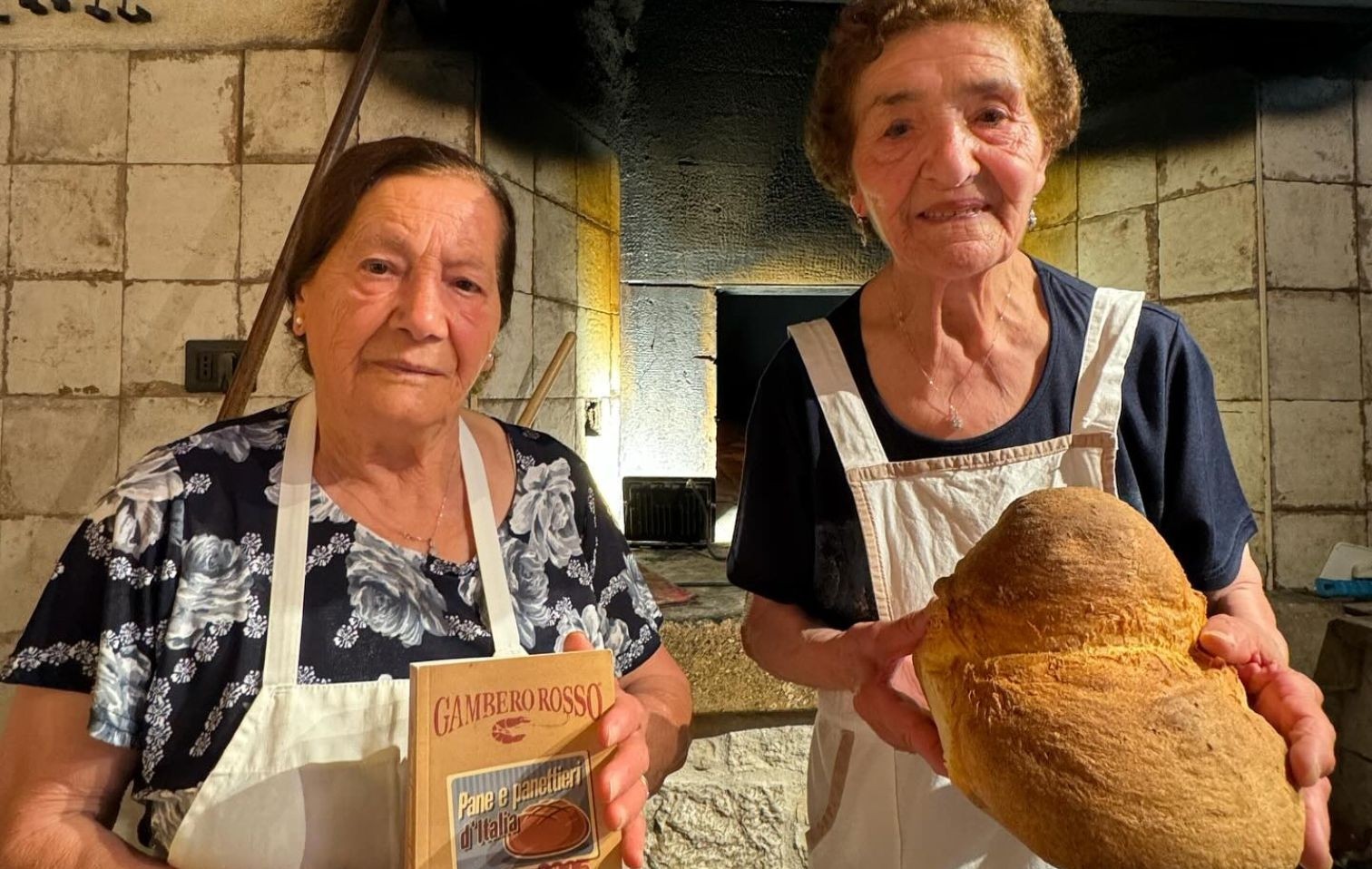
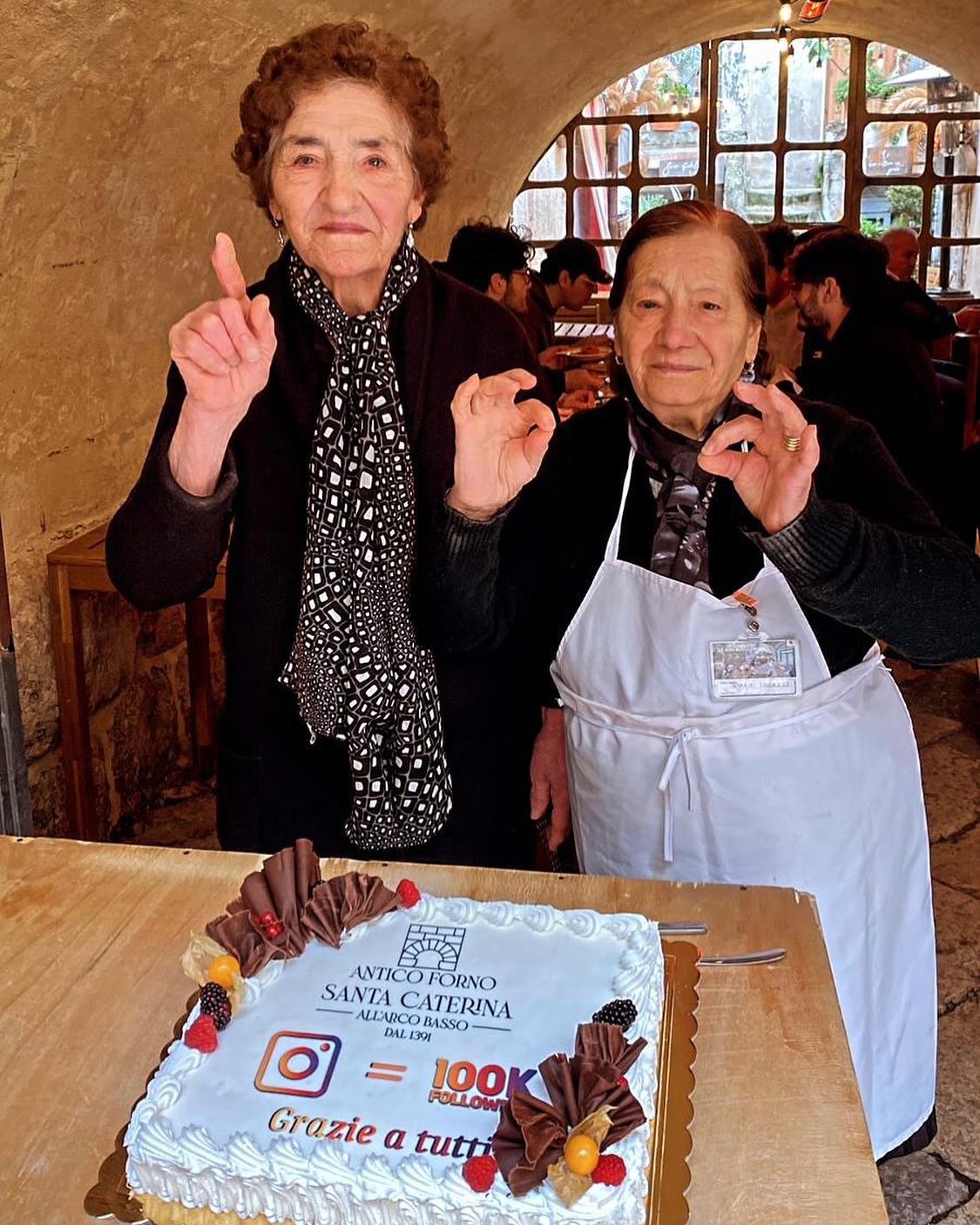
They don't need filters, studio lights, or sophisticated marketing strategies. Graziella Incampo, 89, and Teresa Calia, 88, just need a flour-covered apron, a rolling pin, and that overwhelming irony that only a lifetime of work and wisdom can give. CNN recently turned the spotlight on these two icons of Puglia, celebrating them as the new global queens of social media. But simply calling them “influencers” would be an understatement. Graziella and Teresa are the guardians of a heritage that was in danger of disappearing into the folds of time and which today, thanks to them, attracts visitors from every corner of the planet to the stone alleys of Altamura.
An Explosive Mix of Flour and Rock ‘n’ Roll
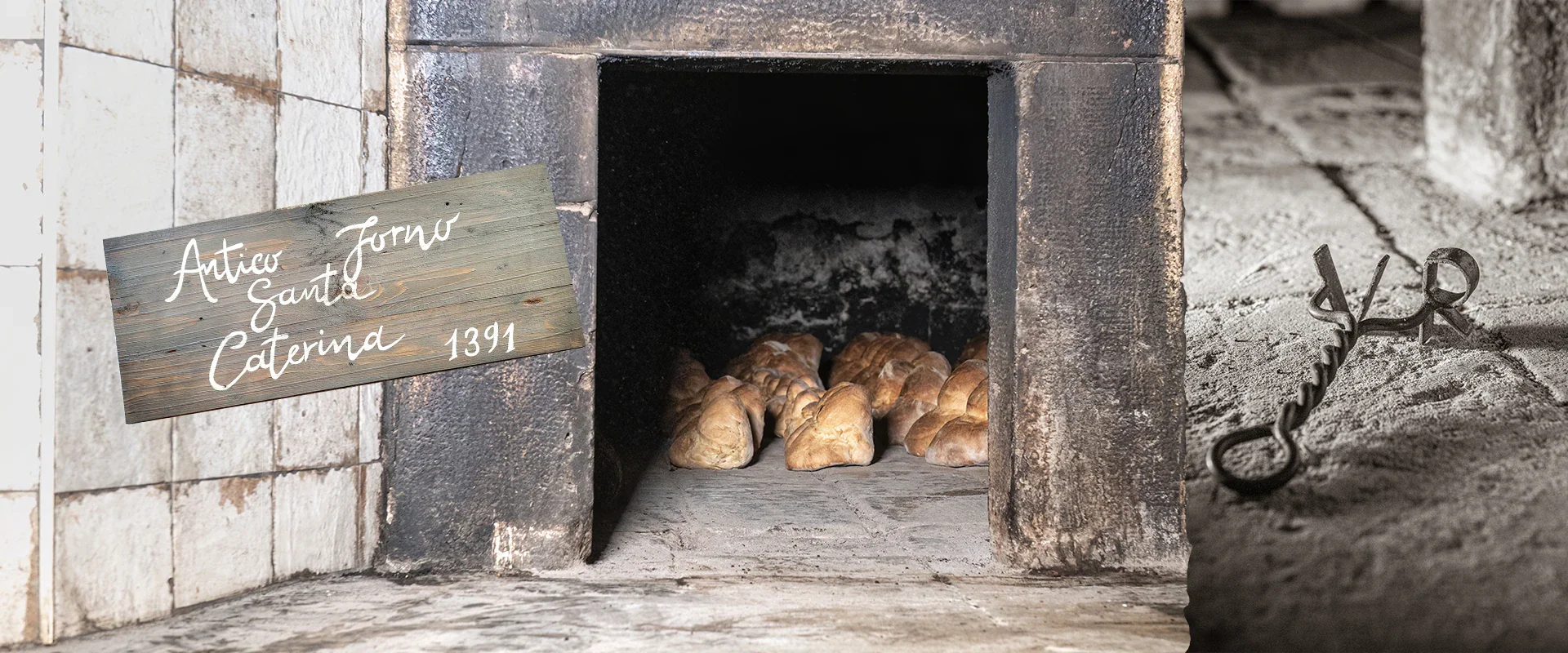
It all started almost as a game within the walls of the Antico Forno Santa Caterina, a medieval structure dating back to 1307. Giacomo Barattini, Graziella's great-grandson, had an idea: to combine the ancient art of bread making with the fast-paced language of Reels. The result? Millions of views. The videos show a magical and surreal reality: grandmothers preparing margarita pizza in a wheelbarrow, stuffing giant loaves of bread with fresh stracciatella cheese, or beating eggs for parmigiana using a fork mounted on an electric drill. “The two grandmothers are happy every day. They laugh and smile a lot. It's their philosophy of life: the little things are the good things,” Giacomo tells CNN.
The “Bread Experience”: Tourists from All Over the World
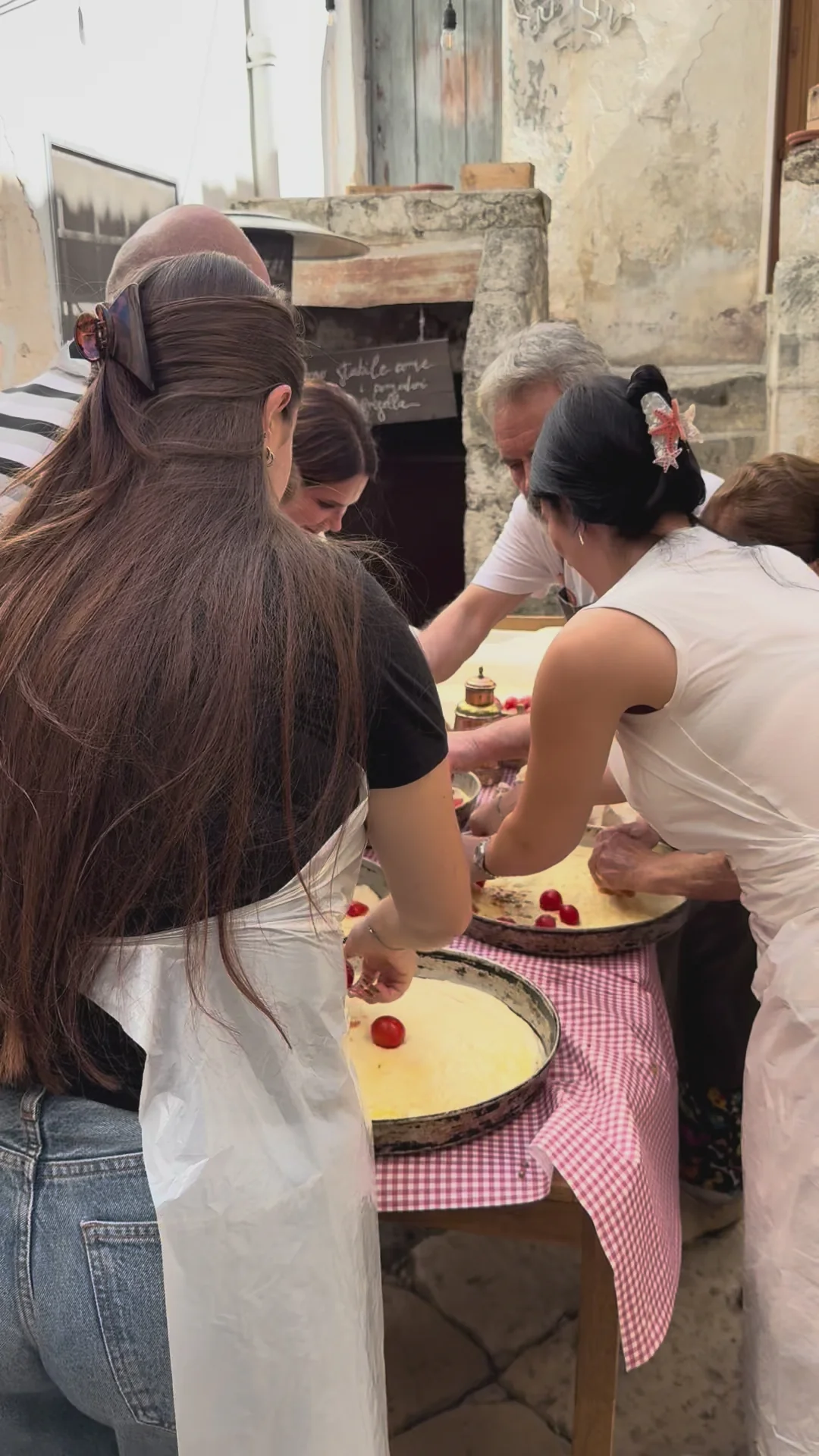
Thanks to this media success, Altamura is no longer just a secondary stop compared to the trulli of Alberobello or the sassi of Matera. Today, travelers from New York to Bulgaria land in Puglia with a single goal: to get their hands dirty with Graziella and Teresa. The bakery's “Bread Experience” is not just a cooking class, but a total immersion. Tourists learn how to fold the famous Altamura DOP bread into its typical “priest's hat” shape and how to close the orecchiette under the stern but loving gaze of the two deans. “I didn't expect it to be so wonderful,” comments a Brazilian tourist. “The place is authentic, nothing has been changed for tourism.” And that is precisely the secret weapon: authenticity. While the world races towards digitalization, the grandmothers of Altamura bring everyone back to the warmth of the wood-fired oven and the taste of freshly crushed tomatoes on focaccia. "I thought about selling online, but it's not just about money. I want people to come here and see how bread is made. Otherwise, you can't understand," concludes Giacomo.
Beyond bread: The future of tradition
The phenomenon does not stop at flour. Barattini and his friends, young people who have returned to their homeland after working in large cities, are working to save other traditions, such as the “tette delle monache” (nuns' breasts) from the Pasticceria delle Monache, made according to a recipe from 1597. The goal is clear: to show that tradition is not a museum piece, but a living organism that can generate economy and community. The grandmothers of Altamura teach us that it is never too late to become a “star,” as long as you have something true to say. And between dancing to electronic music and baking focaccia, Graziella and Teresa continue to produce the best content possible: the joy of living.