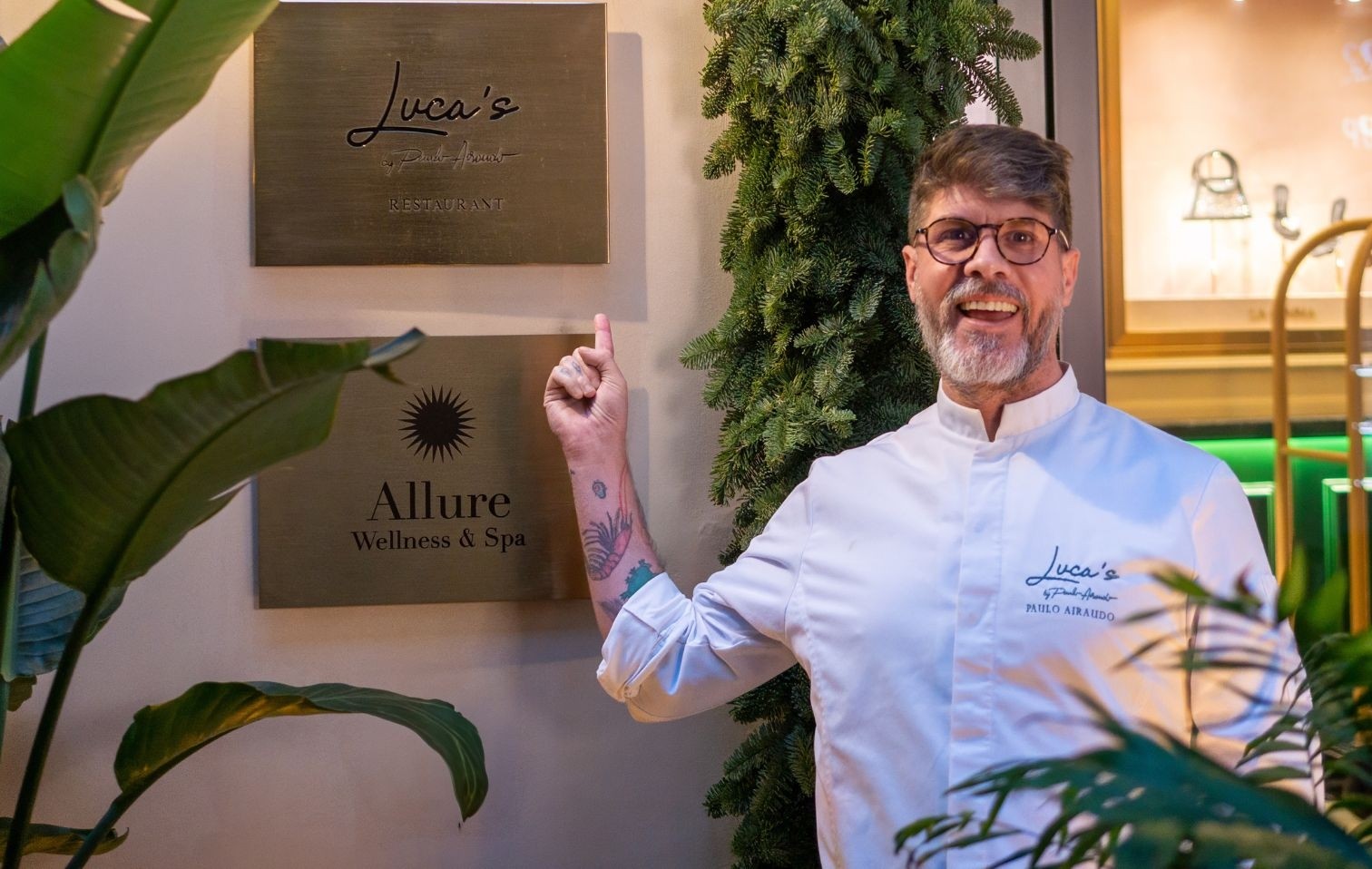
“The importance of the team is fundamental, and it's not just an abstract concept: it's the people who work every day in each restaurant that make it unique.” First star for Paulo Airaudo in Italy and seventh worldwide: this is the milestone achieved by Luca's at the Hotel La Gemma with the recent award in the Michelin Guide Italy 2026. Our exclusive interview with the chef.
*Content for promotional purposes
Photo credits: Lorenzo Noccioli
The interview
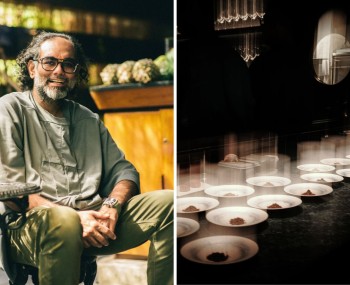
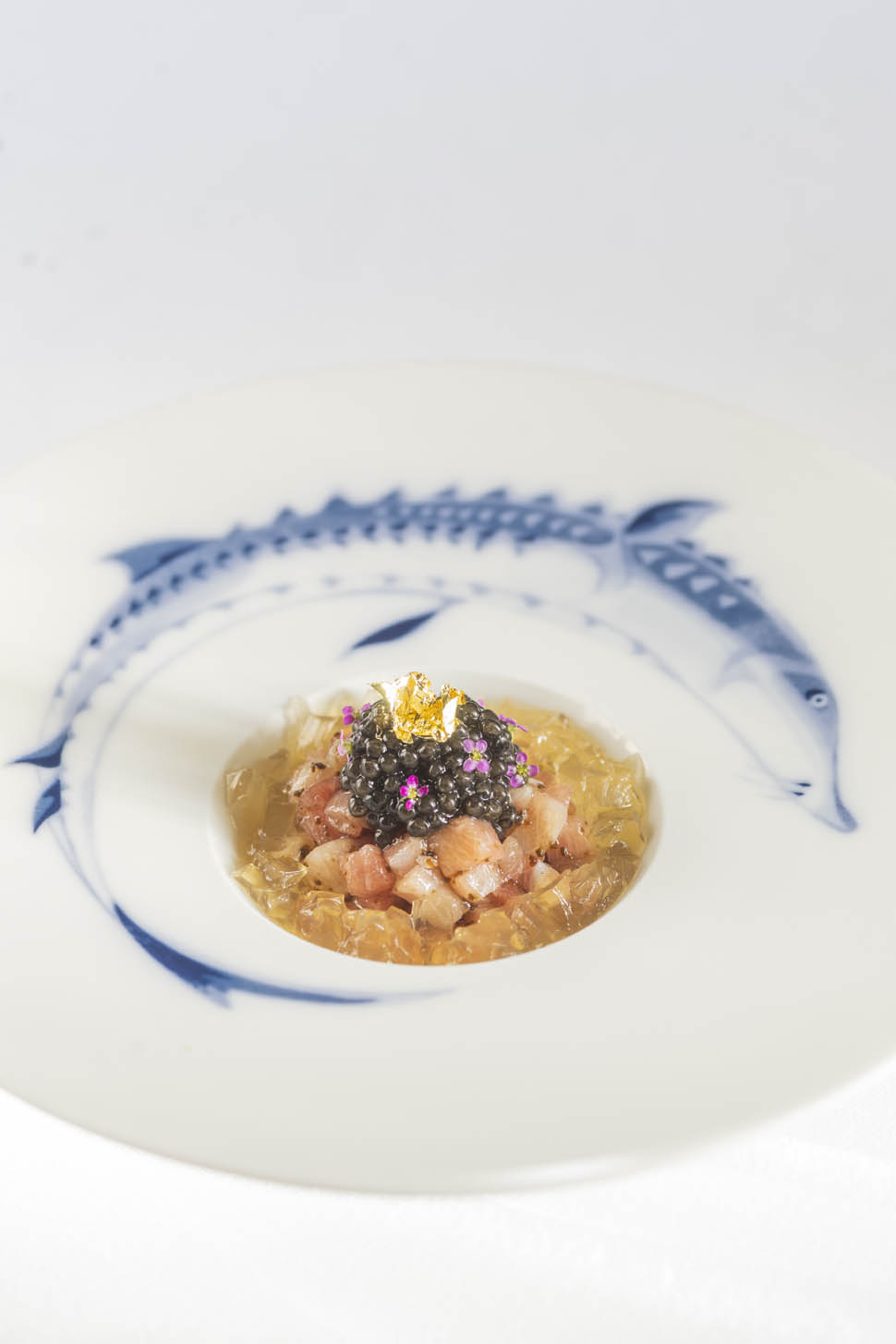
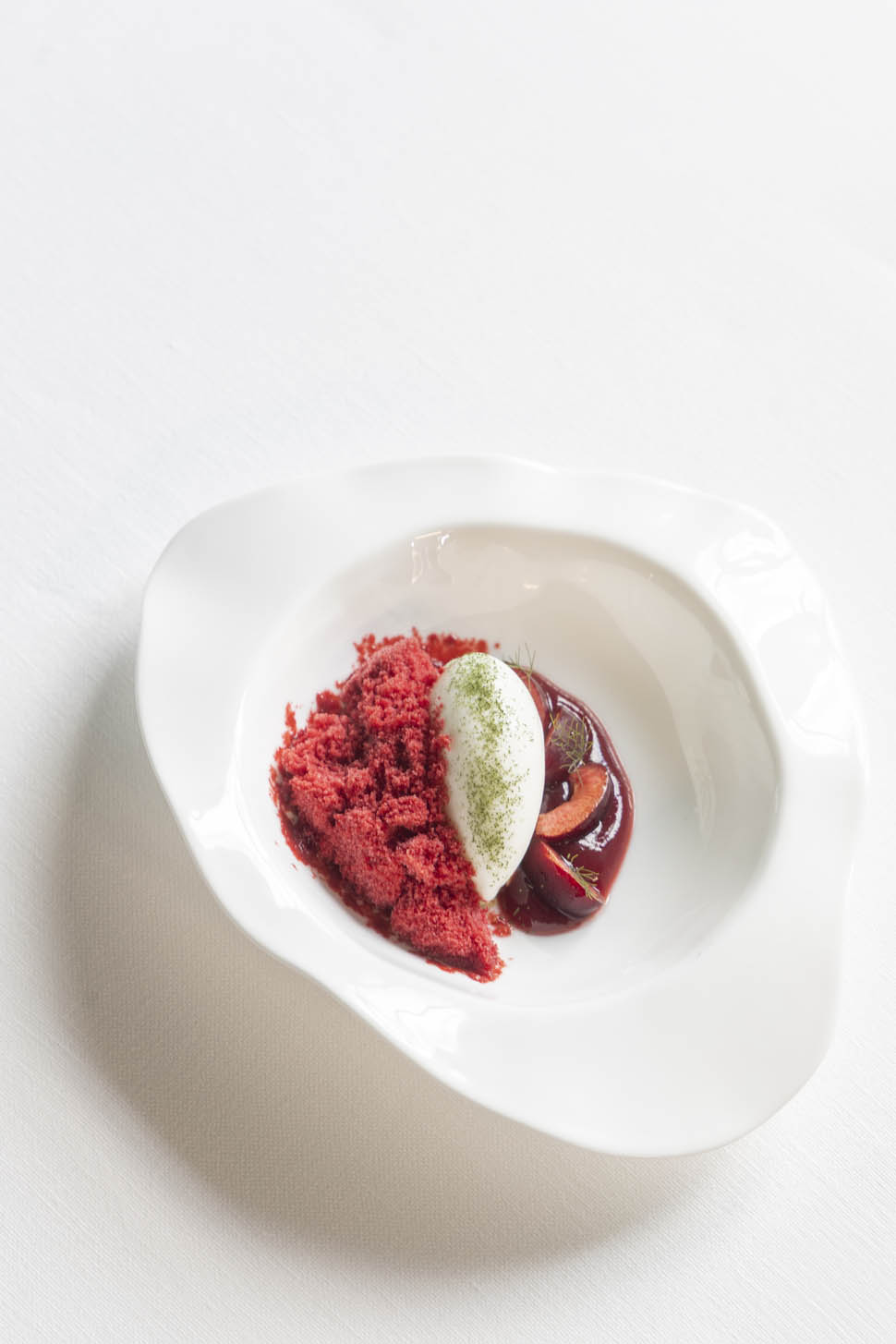
With the new Michelin star awarded to Luca's at the Hotel La Gemma in Florence, Paulo Airaudo now has eight macarons to his name. The Italian-Argentinian chef has been at the helm of the gastronomic project on the first floor of the enchanting Palazzo Paoletti since its opening in 2023.
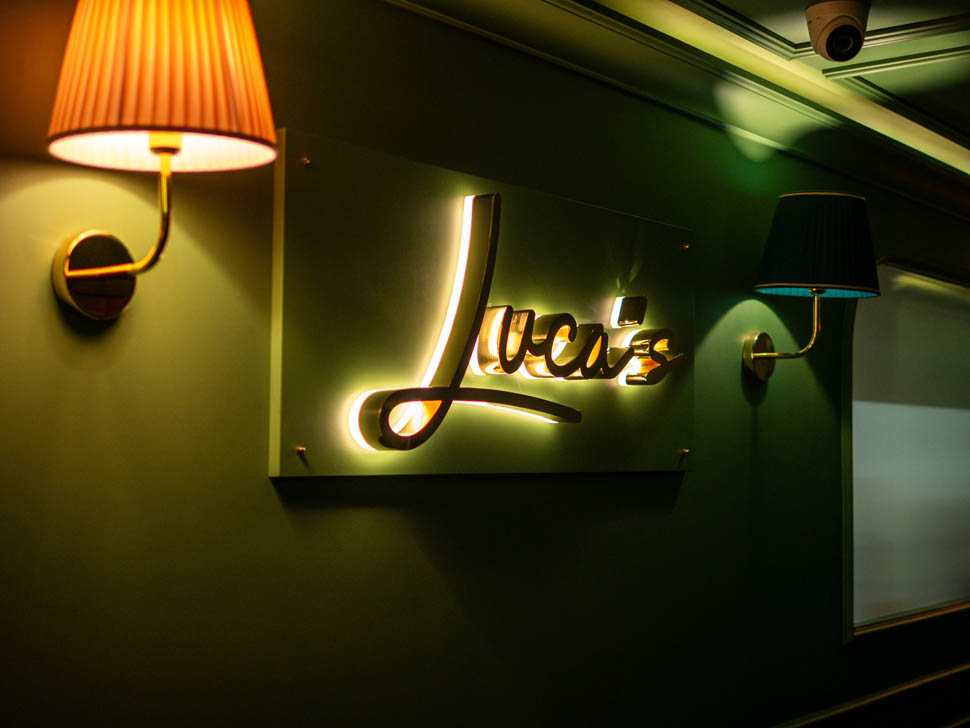
Thirty-nine rooms and suites with Art Deco allure, sage and pink palettes inspired by the nearby Cathedral of Santa Maria del Fiore, velvets, exotic silks, and designer ceramics that give this place a five-star elegance and comfort. Born from the vision of the young Cecchi siblings, Ginevra, Edoardo, Massimiliano, Maria Sole, and Andrea, whose initials, together with those of their parents Luca and Alessandra, aligned in acronym form, create the name of the hotel. La Gemma. At the beginning, it was the general manager of La Gemma Collection, Laura Stopani, with her wealth of experience in high-level hospitality, who called on chef Airaudo to oversee the restaurant, which he entrusted to young resident chefs Tommaso Querini and Olivia Cappelletti.
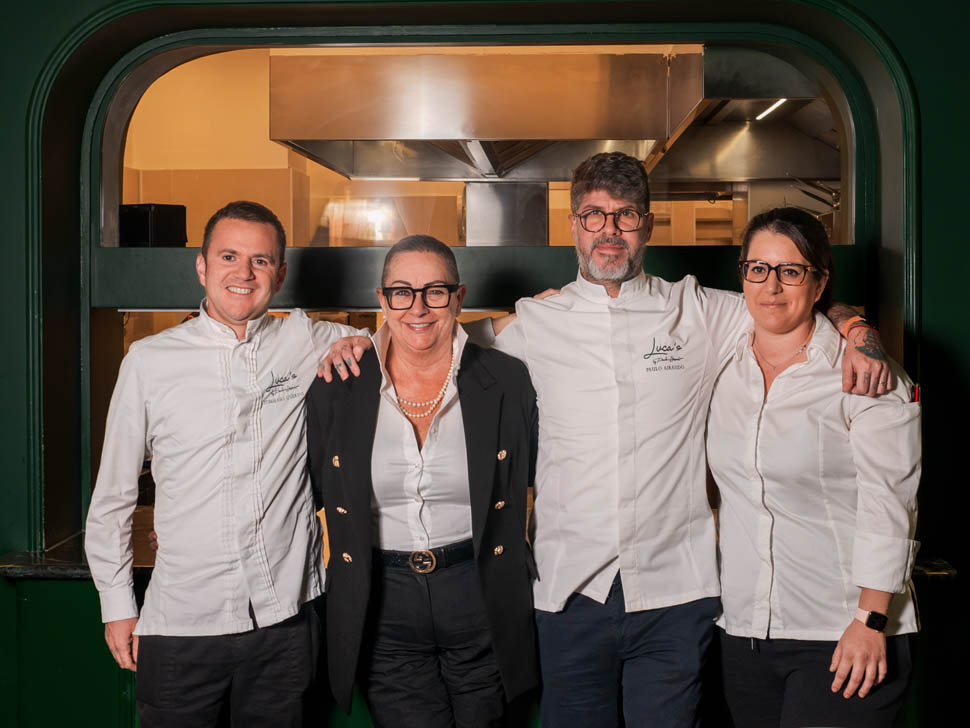
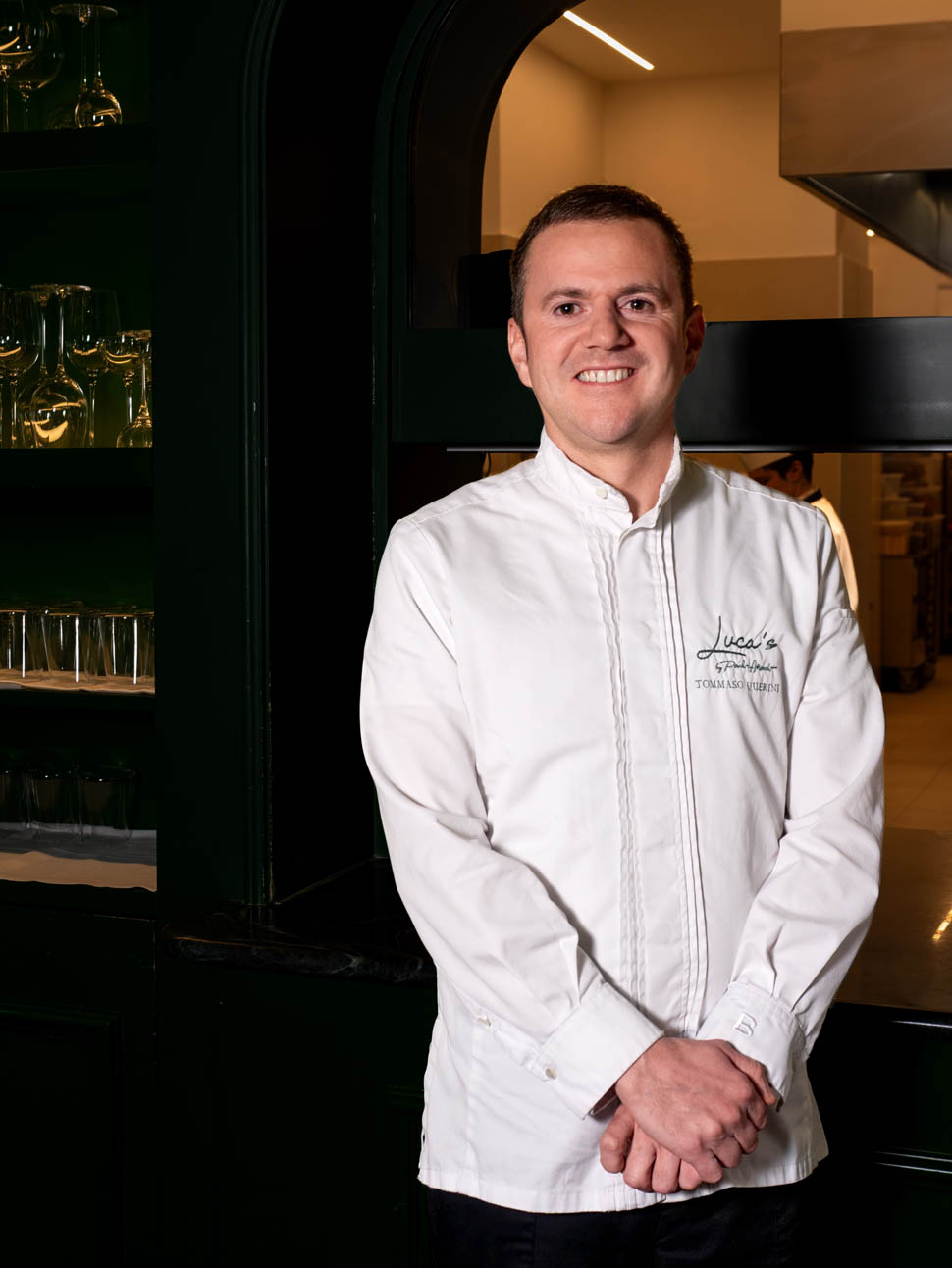
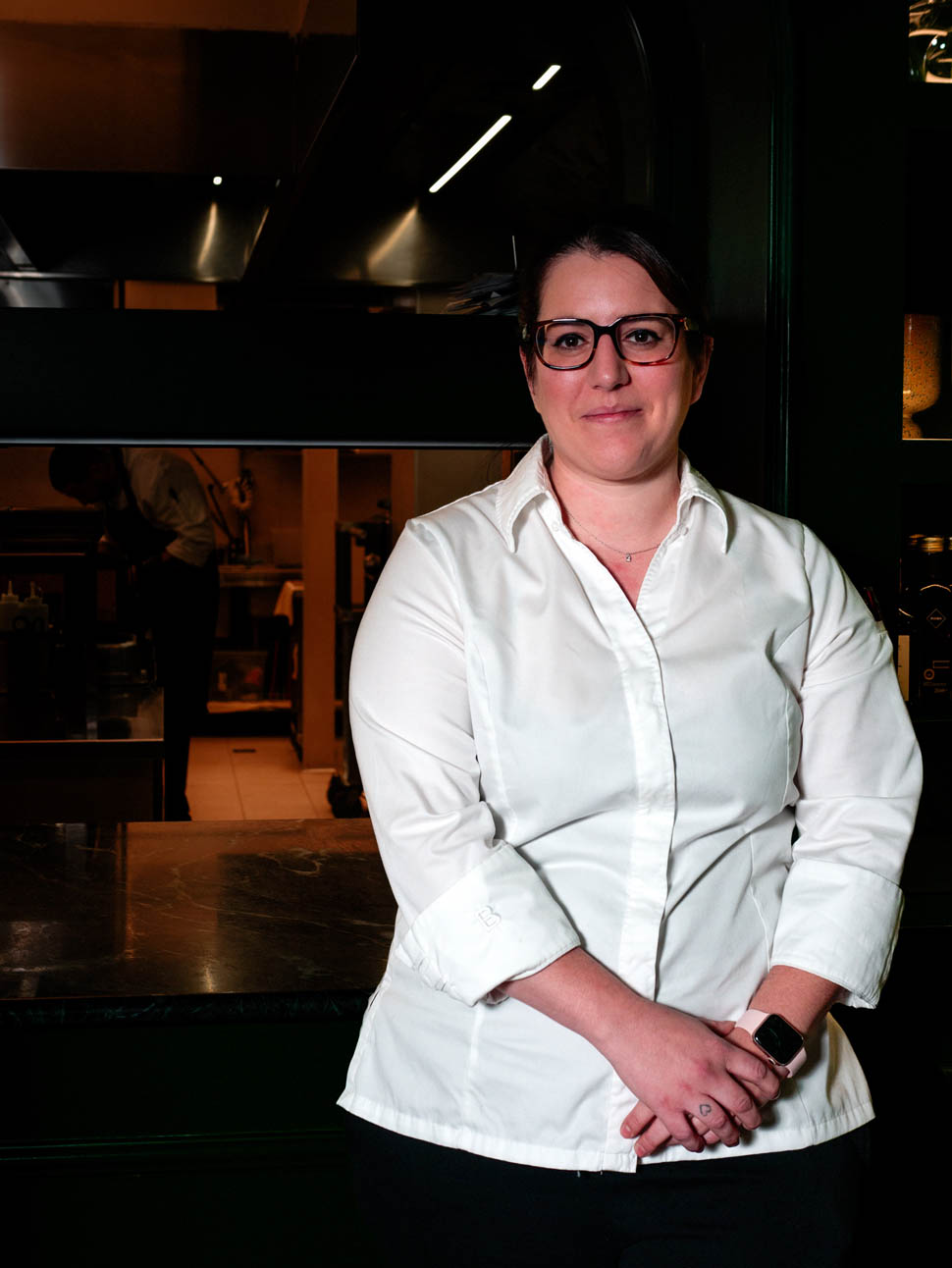
On November 19, they took to the stage at the Teatro Regio in Parma to receive their well-deserved award. With a total of eight Michelin stars across Europe and Asia (the latest being the second awarded to Aleia in Barcelona, immediately after Luca's), and a network of nearly fifteen restaurants, Airaudo has become the prototype of the contemporary global chef, who does not simply export a model, but constantly regenerates his cuisine through movement, hybridization, and research.
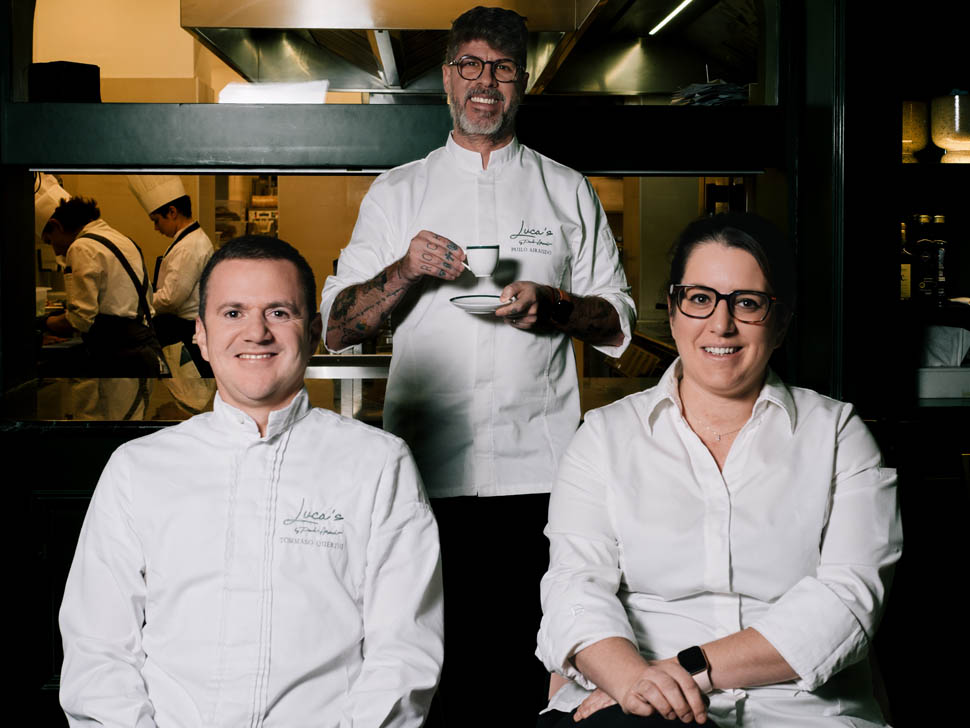
Born in 1985, he trained by traveling throughout Europe, Asia, and Latin America, working in renowned kitchens such as Arzak and The Fat Duck, before opening La Bottega in Geneva in 2015, which quickly earned a Michelin star. Two years later, he arrived in San Sebastián with Amelia, which earned a star after just a few months and a second in 2021, propelling Airaudo into the international elite. At the same time, he expanded his restaurant empire with Da Terra in London, Aleia in Barcelona, and Noi in Hong Kong, which earned a double macaron last year, confirming him as an entrepreneur capable of evolving his cuisine beyond borders without sacrificing a solid stylistic consistency. We interviewed him immediately after the Michelin Guide presentation ceremony in Parma.
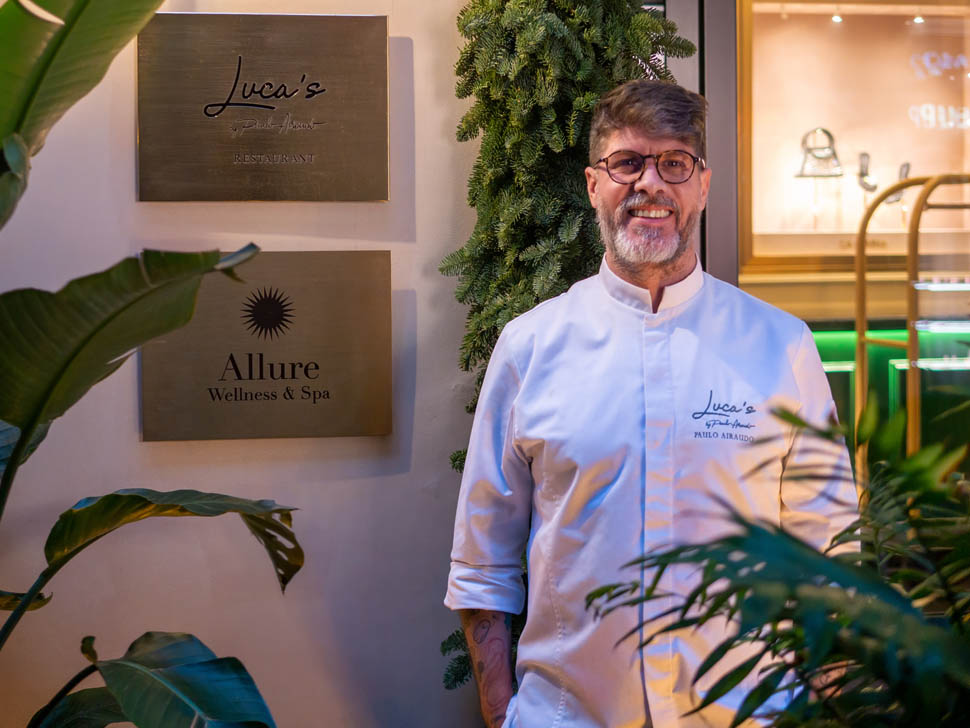
This is your seventh Michelin star, your first in Italy. Are you getting used to it, or does the excitement remain intact when you receive this news?
For me, in the end, it's always like the first time: the same, identical emotion. The star is one of the most important awards for any chef worldwide, a new starting point to continue improving. It is a huge joy, especially for chefs who put their heart and soul into their work every day. After all, that's the point: the emotion doesn't change, it remains intact, and it fuels the desire to grow even more.
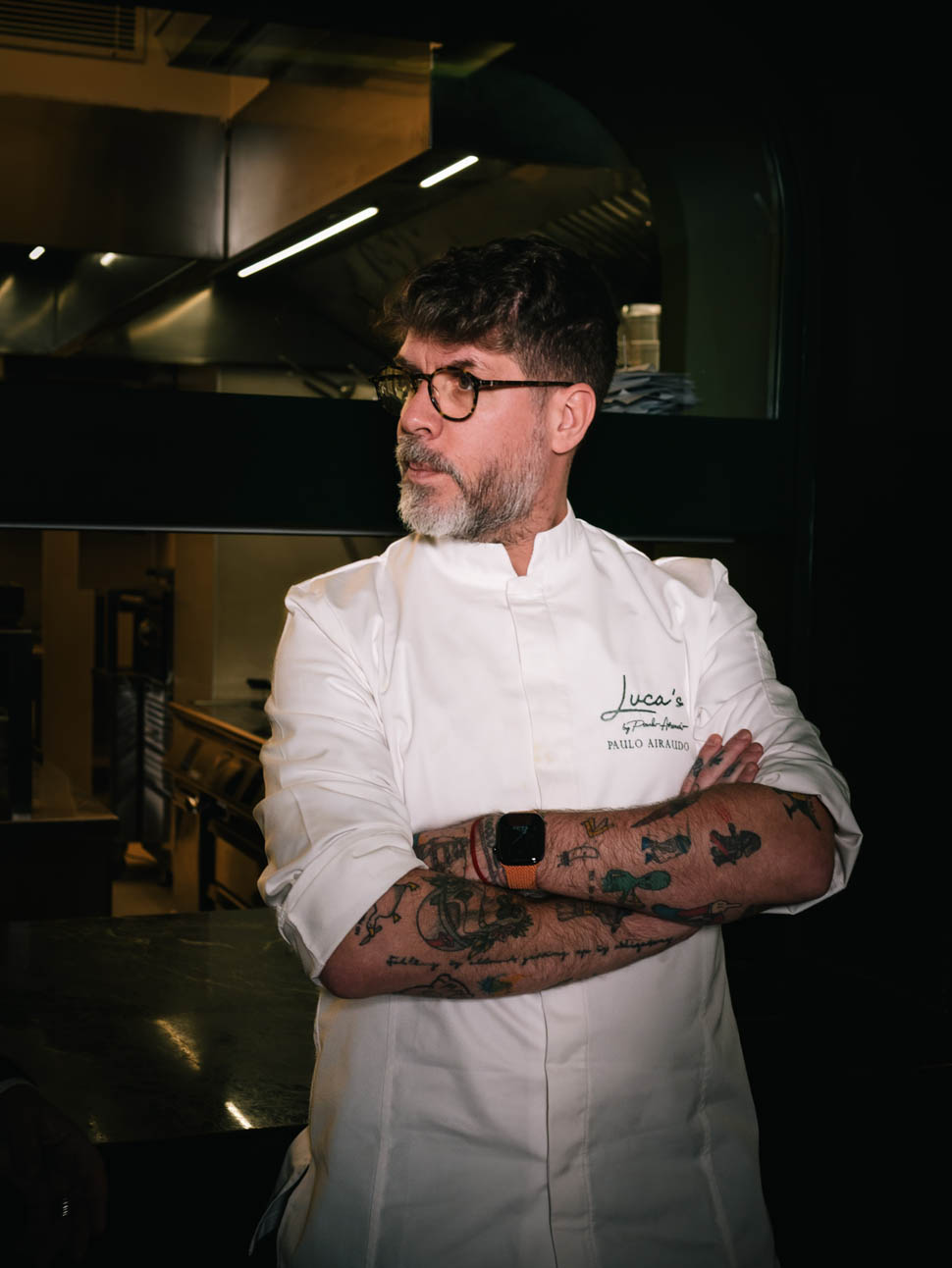
Your cosmopolitan cuisine is a mix of avant-garde and classicism. What is your culinary identity today and how does it interact with the traditions you encounter every day in different countries?
One thing I have realized this year, which I believe is fundamental, is that in order to have a solid identity, every restaurant must “put a face” on itself. The challenge is to find that chef, that person, who wants to be an integral part of the project, who wants to open and “run” the restaurant, bringing soul to it, as well as producing food of the highest quality. Whether it's a pizzeria or a gourmet restaurant, the important thing is that there is a soul, that the people who work there put all their passion into it and enjoy themselves, because if we don't wake up every morning happy to go to work and give 100%, in my opinion, it doesn't make much sense.
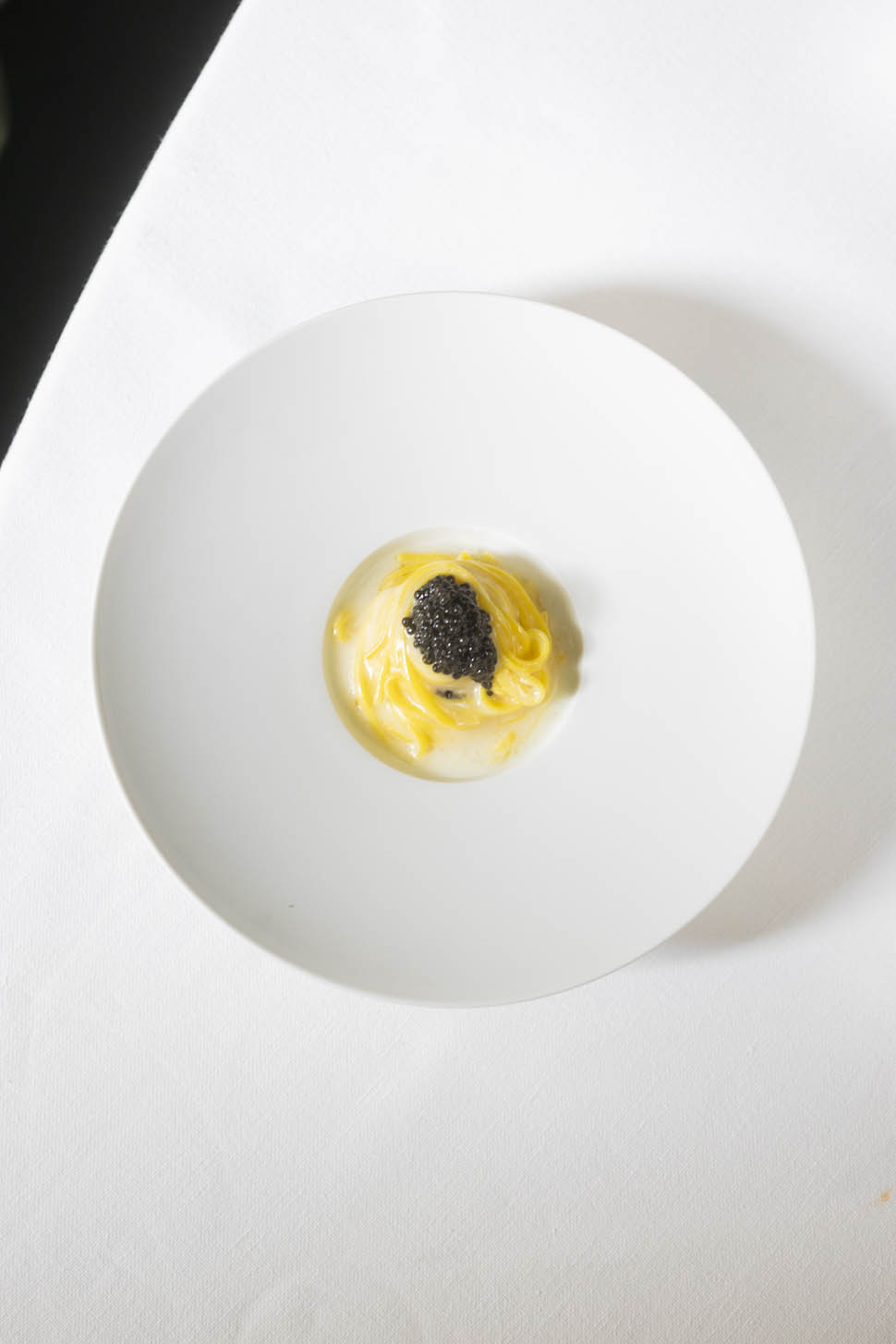
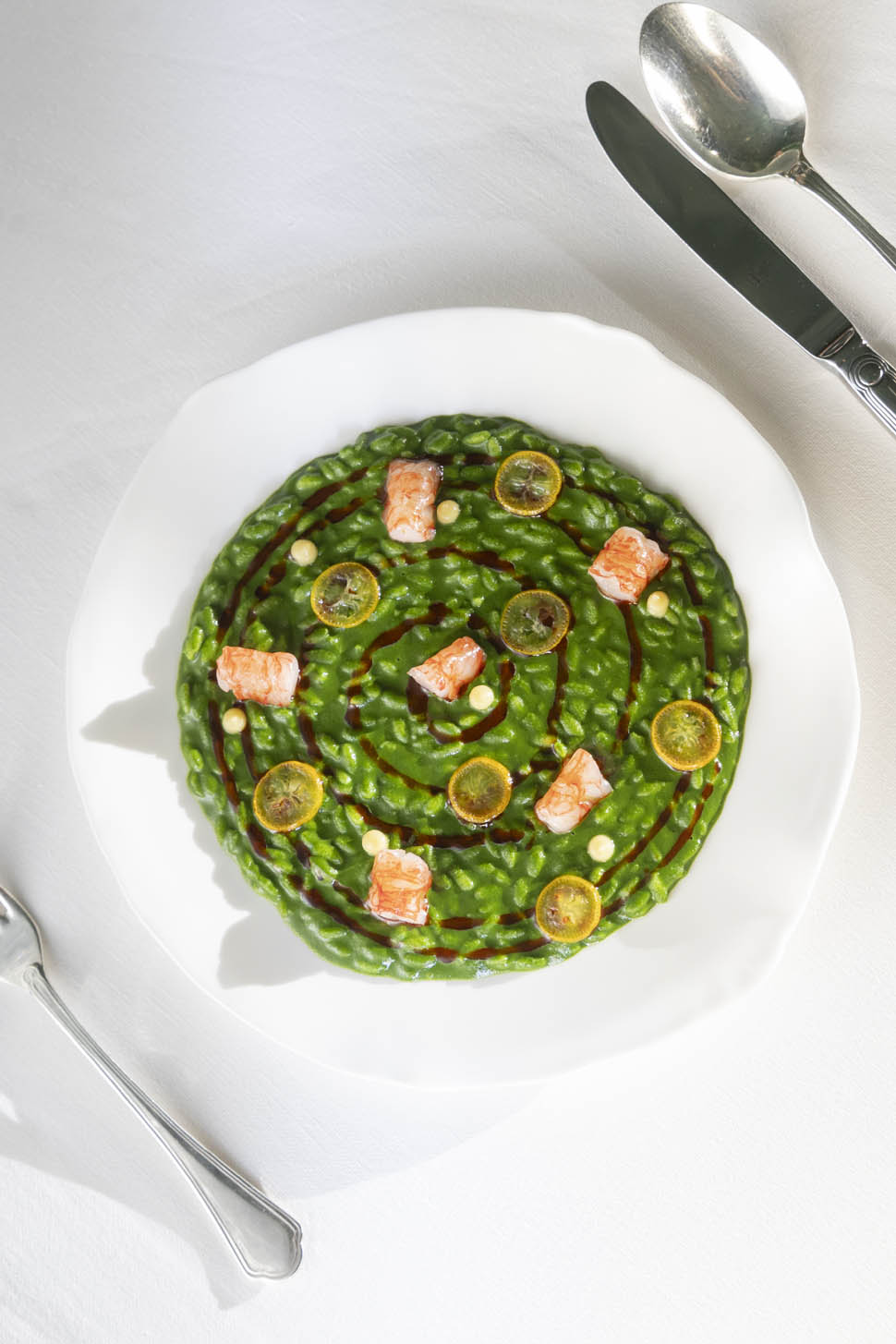
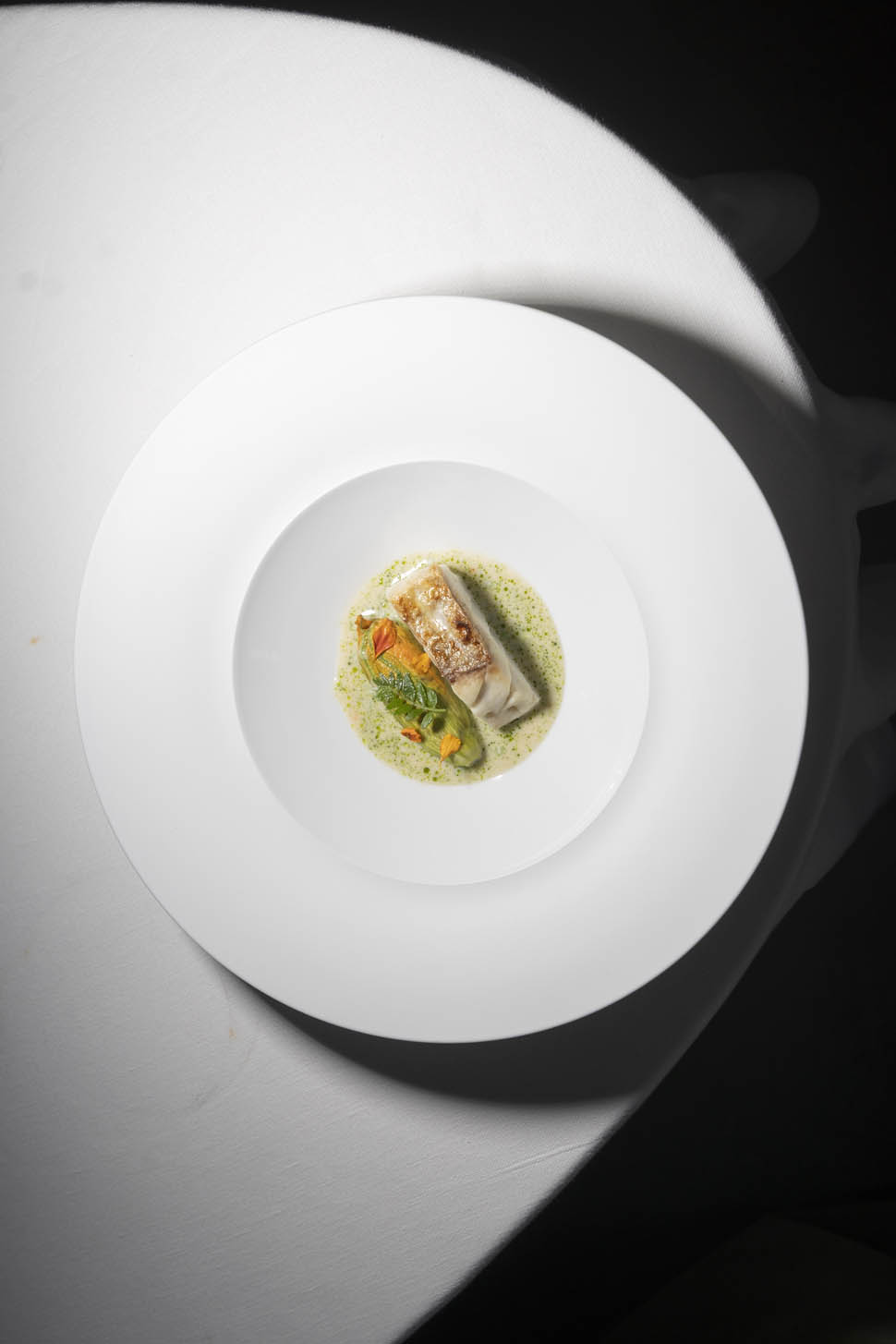
Your restaurants are located in very different places—San Sebastián, Hong Kong, Barcelona, Florence—with different teams and visions. What links the different projects and what makes them unique?
I believe that each project is unique because of the people who make it up. The importance of the team is fundamental and not just an abstract concept: it is the people who work every day in each restaurant that make it special. Their commitment and their personal interpretation of the common vision. What unites all these projects is, first and foremost, the food itself, understood as an invisible thread that connects the different cuisines. In each location, “my” chefs share a similar culinary philosophy and approach; in practice, they think about food constantly, from the beginning to the end of the day. We share the same way of interpreting cuisine and understanding the world through it.
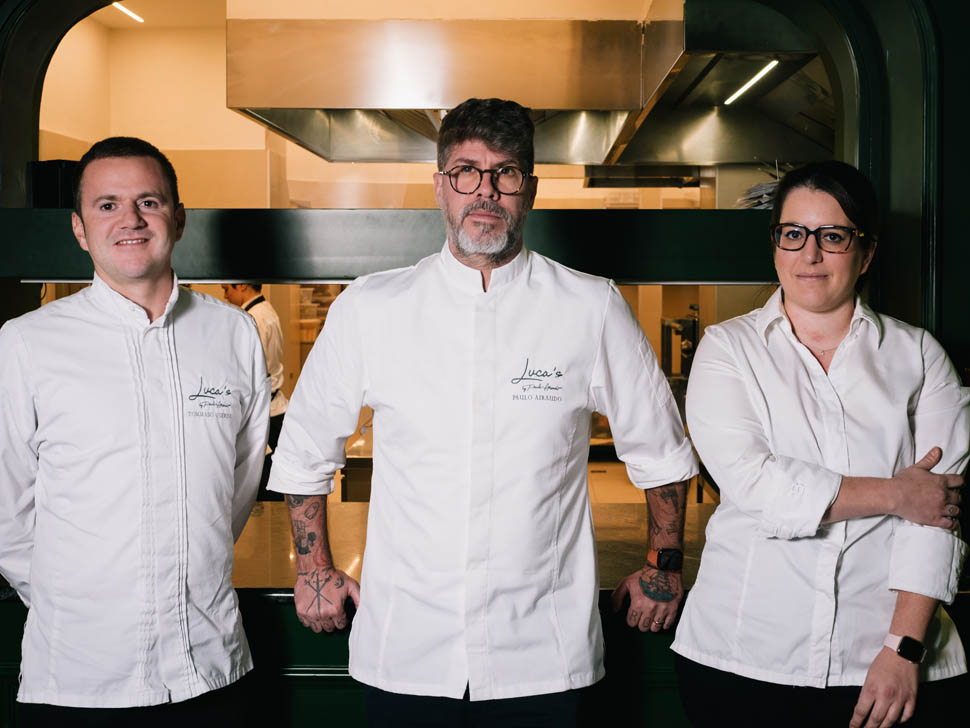
As an observer of Italy, someone who knows it well but views it from the distance of someone who lives elsewhere, what direction do you think Italian cuisine should take in the coming years?
I often use Italian cuisine as an example of the highest quality cuisine, and I know it well and believe I have an objective opinion seeing it “from the outside.” I was talking about this with Moreno Cedroni a few days ago when we met in Greece. Yours is a cuisine based on produce, seasonality, and dishes that may appear simple at first glance but then surprise you with their complexity of flavors. I believe that Italian cuisine is truly experiencing a wonderful moment.
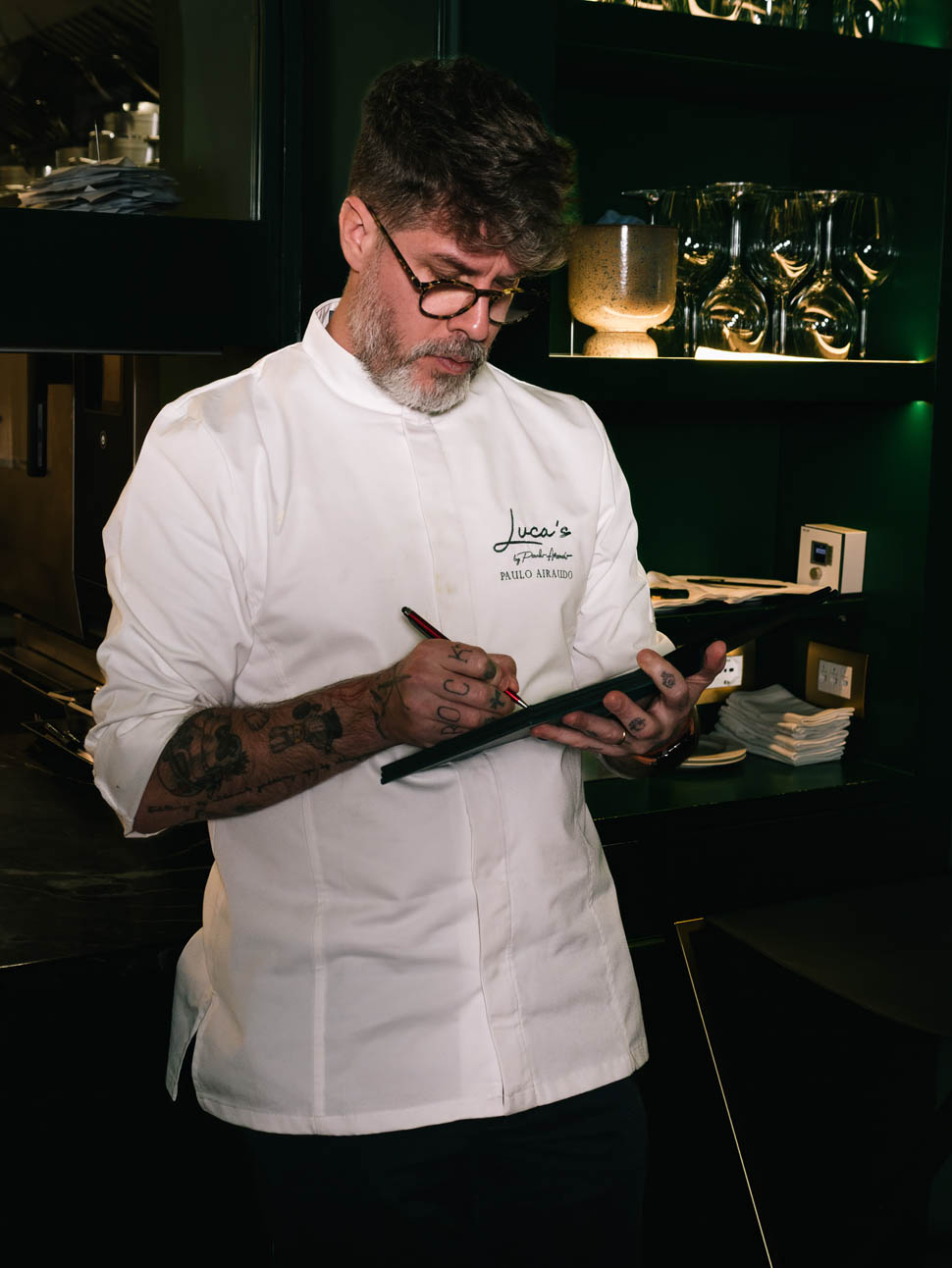
How has luxury in restaurants changed in recent years? And has your cuisine undergone a similar transformation?
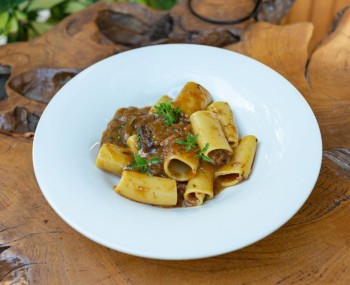
Luxury will never cease to exist; in fact, in my opinion, it is on the rise. Nowadays, you hear everywhere that fine dining is in deep crisis, that it's dead, but I say it's more alive than ever... that it's easier to do fine dining, because there's always a segment of the public willing to spend large amounts of money. Paradoxically, even a trattoria can be luxurious if it uses the highest quality ingredients, where you can eat, for example, an exquisite pasta with ragù, which will obviously come at a high price. Luxury can take different forms, more casual as at Amelia, the restaurant in San Sebastián that best represents me, with its large counter in the dining room, while here at Luca's everything is more contained, in a boutique hotel setting, but always with the highest quality offerings.
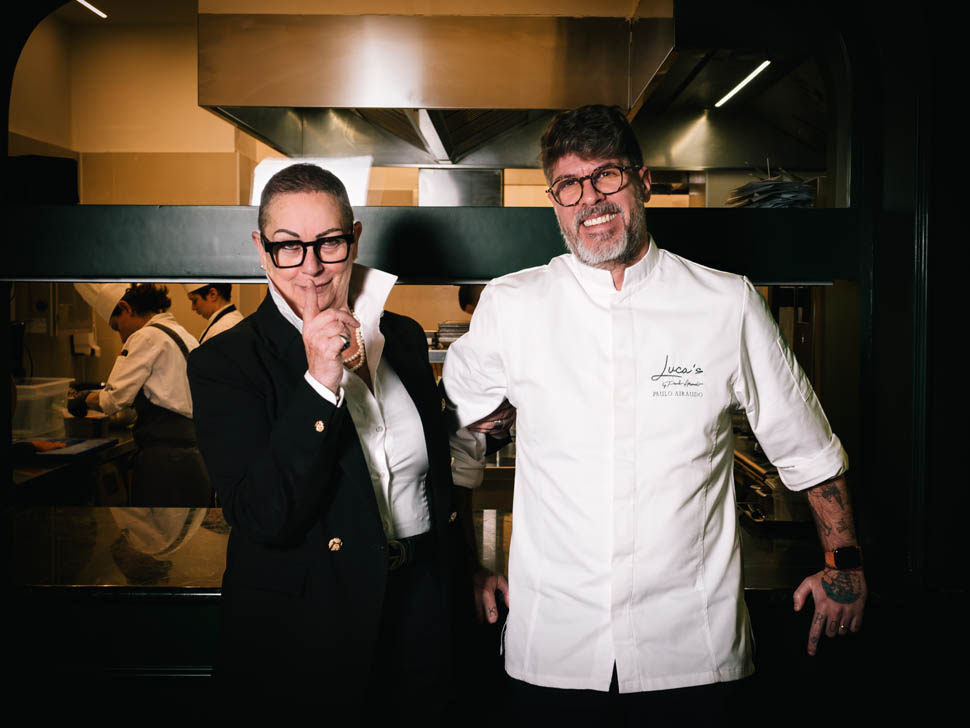
How does the process of creating dishes in your restaurants work?
Well, there is no set, rigid process; it is an extremely dynamic, spontaneous activity. Dishes are often born from a momentary inspiration, combined with continuous tasting and evaluation. Experimentation is immediate; if I have an idea, we try it out right away in San Sebastián and evaluate it. The final criterion is brutally simple and effective: either it is good, or it is not good.
In haute cuisine today, there is much debate about sustainability, working hours, and mental pressure. How do you deal with these issues in the daily life of your teams?
We talk about it very often! Because our restaurants are businesses and “my” chefs don't just stand at the stove, they are true entrepreneurs who run the business from top to bottom. From personnel management to administrative and financial decisions. I am very proud to have also taught them how to run a business. When financial performance is not optimal, our discussion is not limited to saying “let's lay off staff and solve the problem,” but pushes us to ask ourselves, “How can we find more opportunities and generate more business to support the entire structure?” By approaching difficulties pragmatically, if there is a problem, we immediately ask ourselves what the solution is.
Today, after this recognition, what is your most authentic desire on a professional and personal level?
My greatest desire is to continue to find people who share my enthusiasm. I want to continue to have people by my side who have dreams and determination. I like to create, I am curious, and I always want to put myself out there. Of course, the road is never easy; every day is a challenge, but if you give up, if you surrender, you will never get there. I have always wanted to add activities and responsibilities, not replace them. This is the most enjoyable part of our job.
Address
Hotel La Gemma- Luca's
Via Dei Cavalieri 2C, 50123, Firenze (IT)
EMAIL: info@lagemmahotel.com
Phone: +39 055 0105200