With Koppert Cress, the Turin-based chef creates a sensory journey where vegetables become language, emotion, and gastronomic thought.
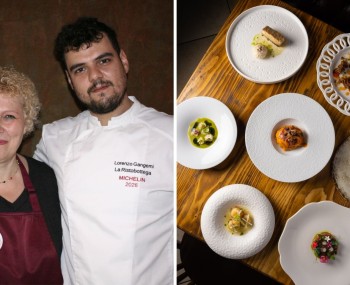
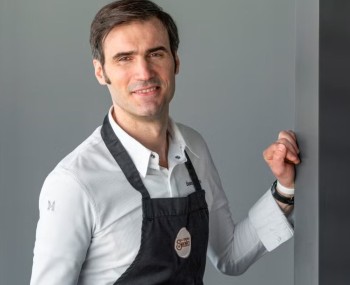
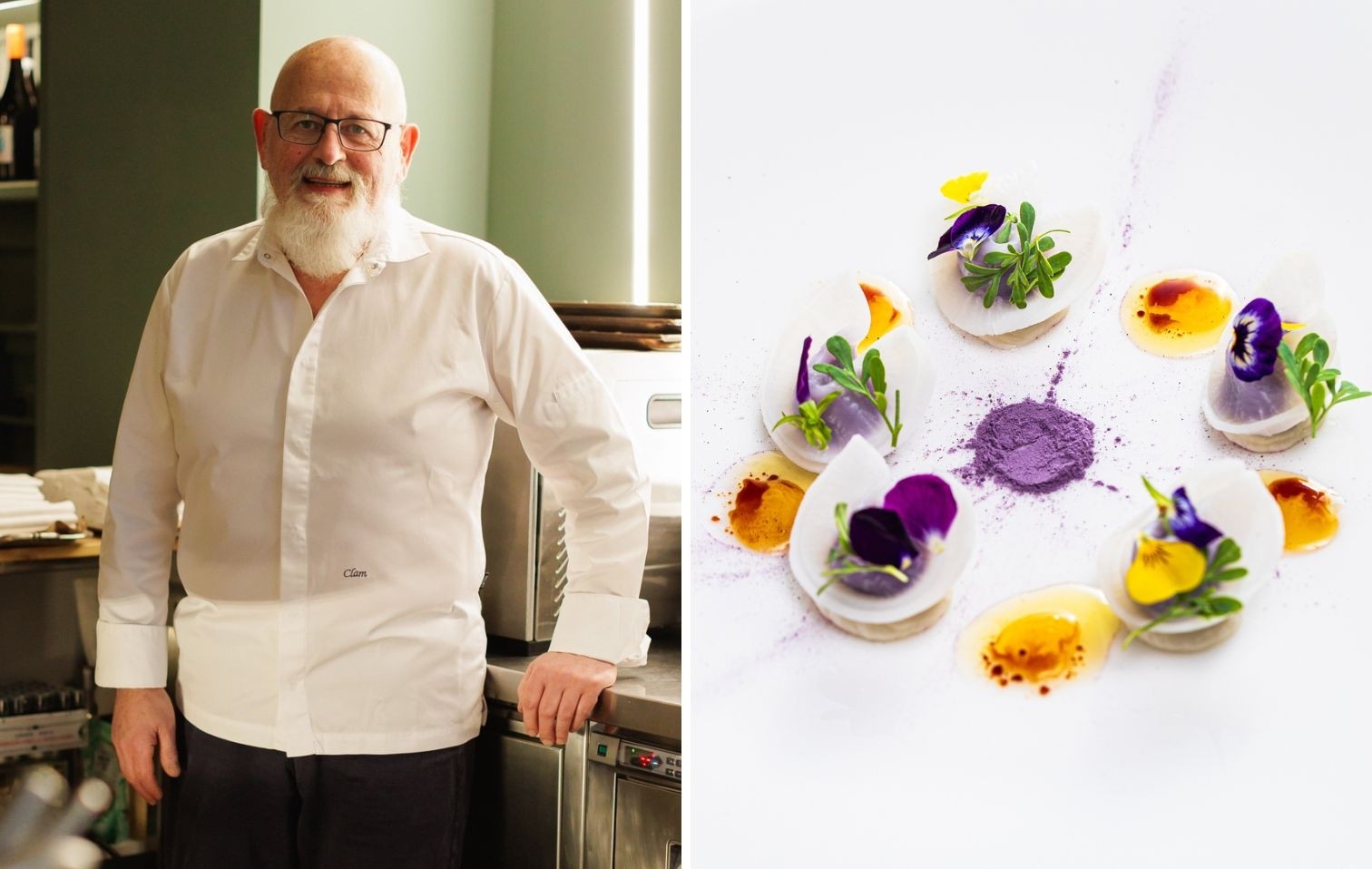
In the kitchen, Antonio Chiodi Latini does not seek surprise, but essence. His approach stems from a desire to get closer to nature without forcing it, to let the ingredients speak their own pure, vegetal language. “My cuisine,” he says, “is a restitution. I don't invent anything: I simply interpret what the earth gives me.” He adds: “I seek beauty in imperfection, in listening to the rhythms of nature. It is not the hand of the chef that creates, but that of the plant that grows.” It is from this awareness that his gastronomic journey begins, a journey that takes place every day in his restaurant in Via Antonio Bertola in Turin, where the plant world takes center stage. “In a dish, I want you to feel the breath of the garden, not its representation,” he says. “When a guest recognizes an emotion they had forgotten, then I know I have cooked well.”
In this story, Koppert Cress is much more than a supplier: it is a poetic and technical ally. Its microplants and aromatic leaves offer Chiodi Latini a sensory grammar with which to translate his philosophy into flavors, aromas, and textures. “Every plant element is a messenger,” he explains. “Taste is only the last step in a thought process that starts with respect.” Then he smiles: “With Koppert Cress, we share a common language: that of care, research, and wonder for the little things.”
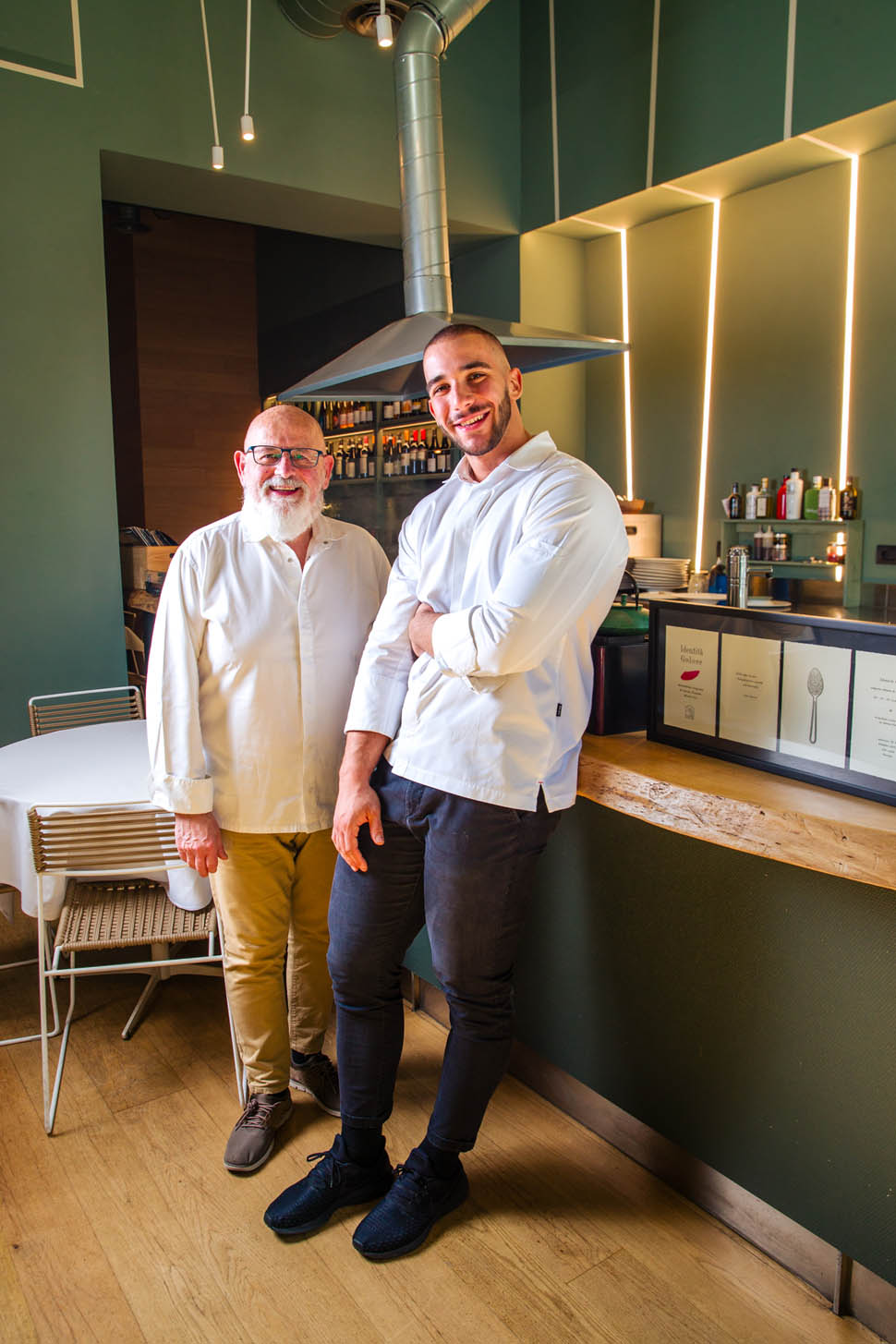
Dishes where vegetables take center stage
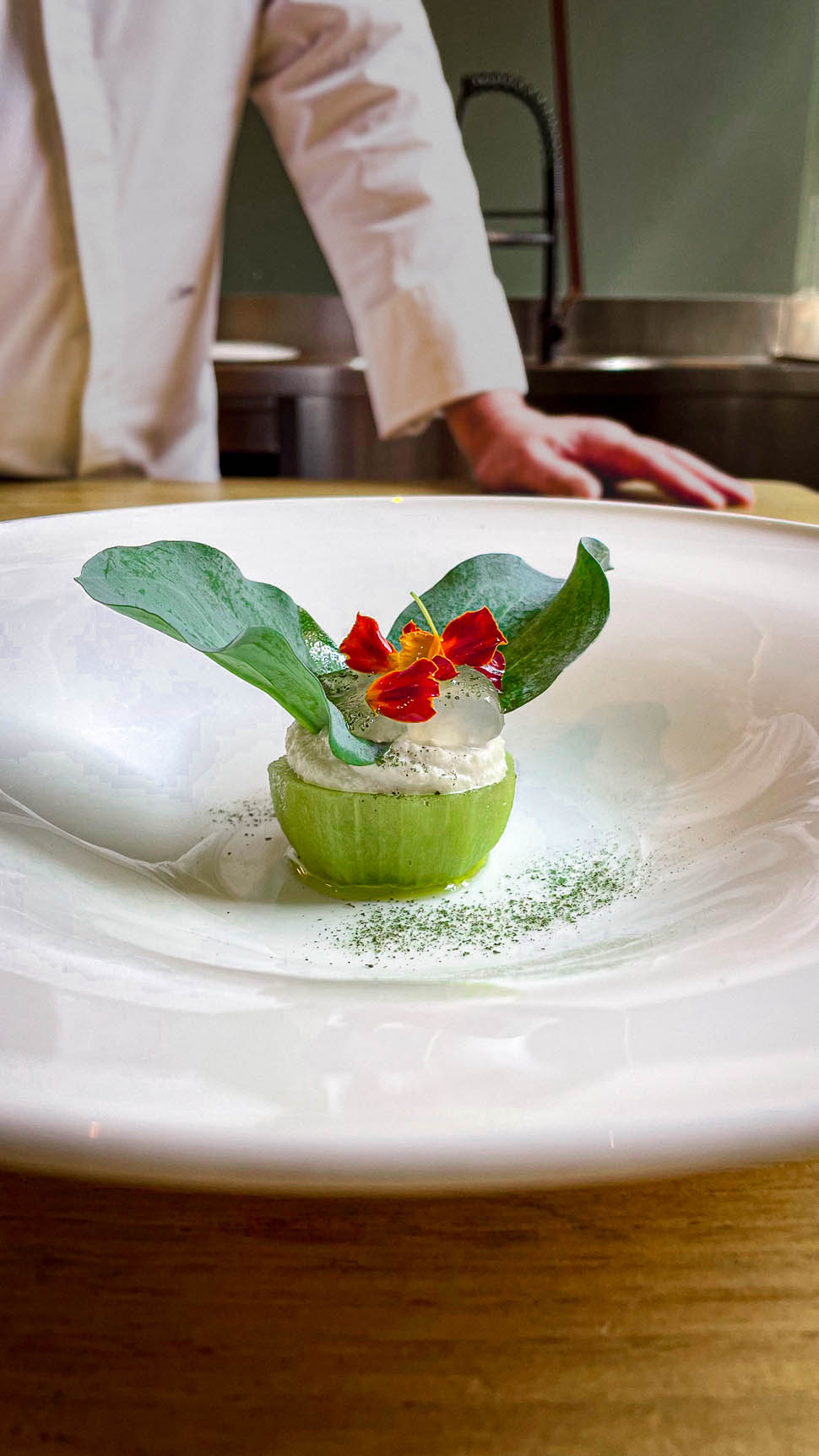
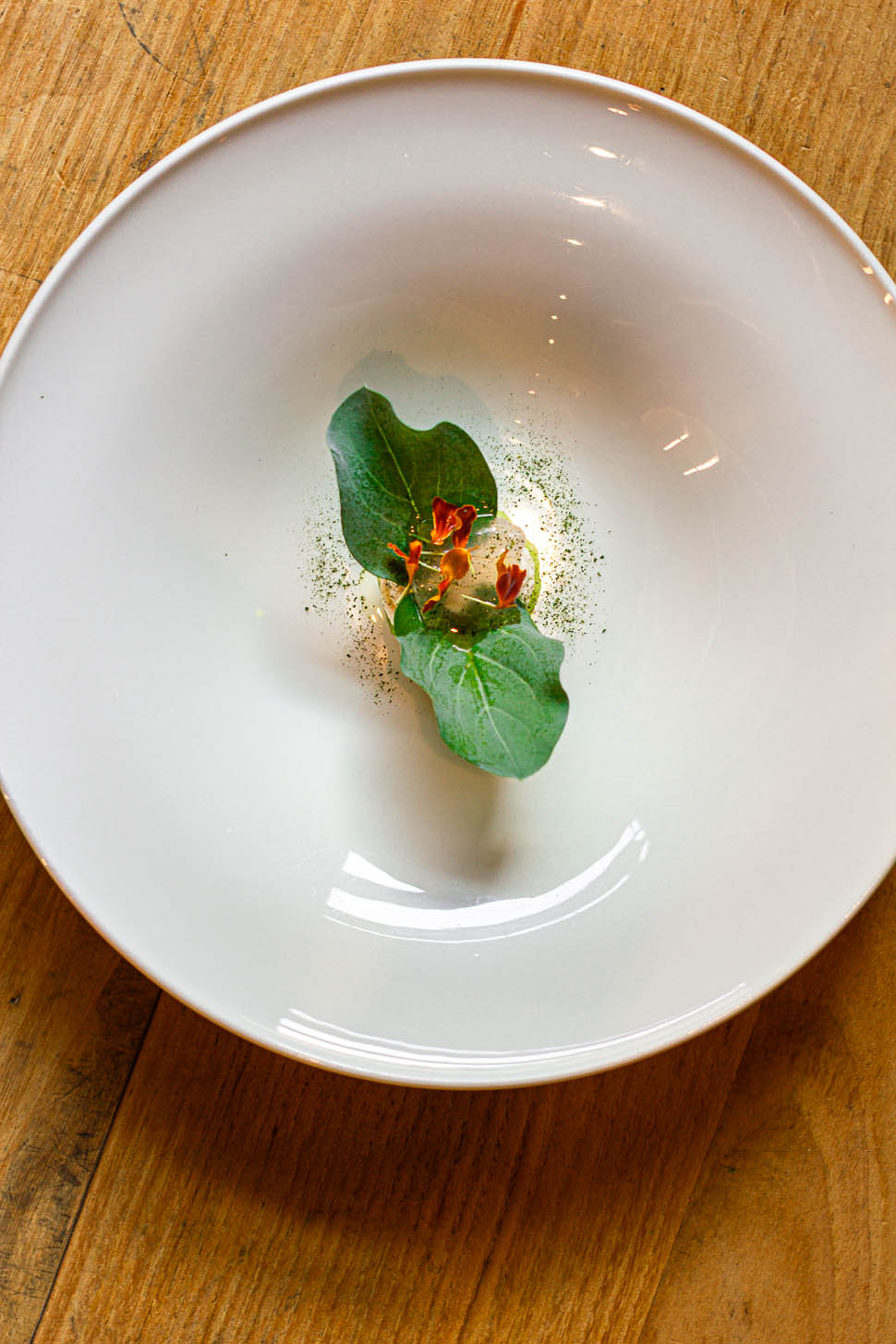
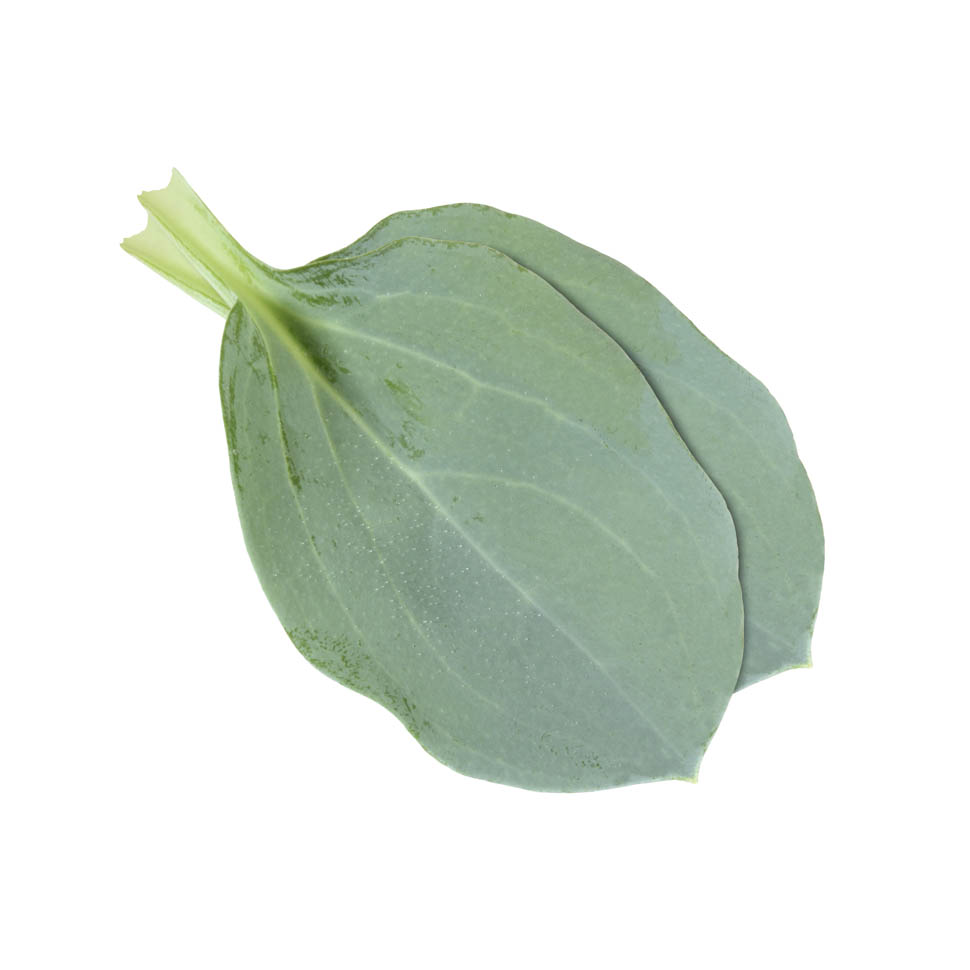
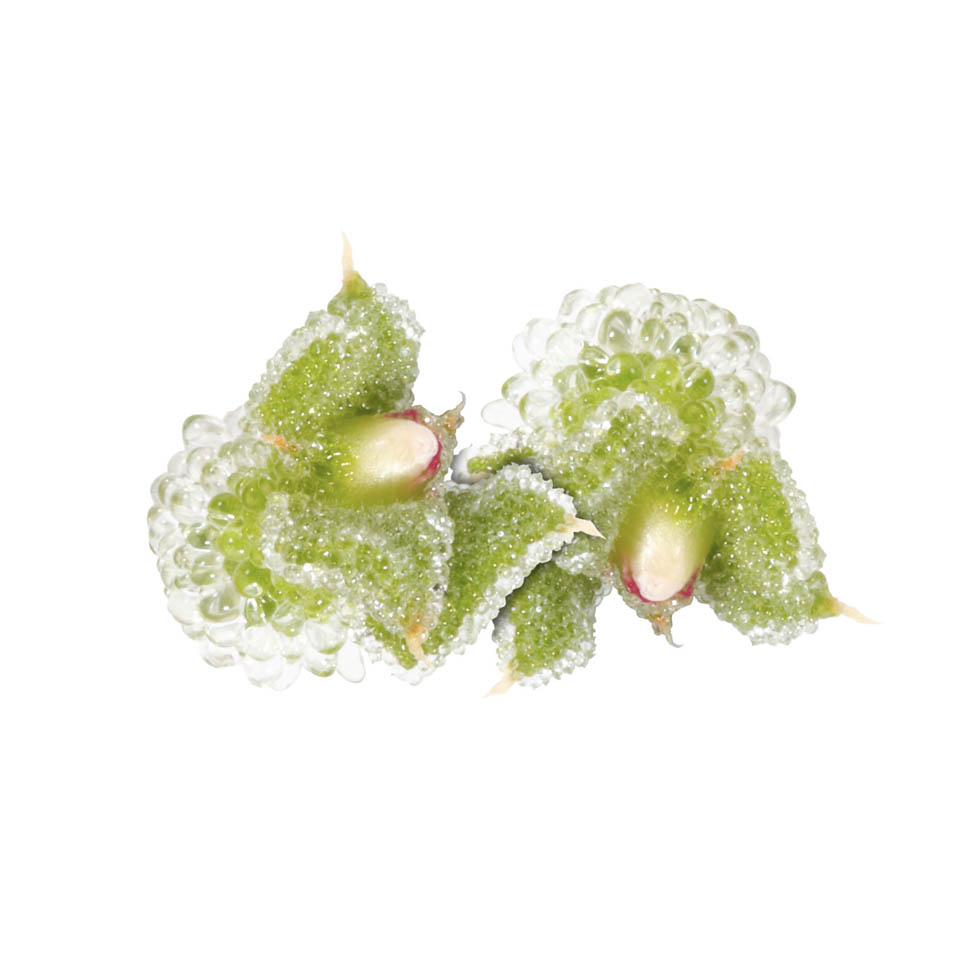
In the dish “Gusto del mare” (creamed lettuce with agar agar, salicornia or sea asparagus, oyster leaves, aloe, buckwheat), Oyster Leaves—fleshy leaves with a salty taste—evoke the sea without ever touching it. They evoke oysters and saltiness, but remain entirely vegetable: a sensory illusion that becomes a reflection on sustainability. “I'm interested in evoking, not imitating,” he says. “When I cook, I think about what I want to make people remember, not what I want to show them.”
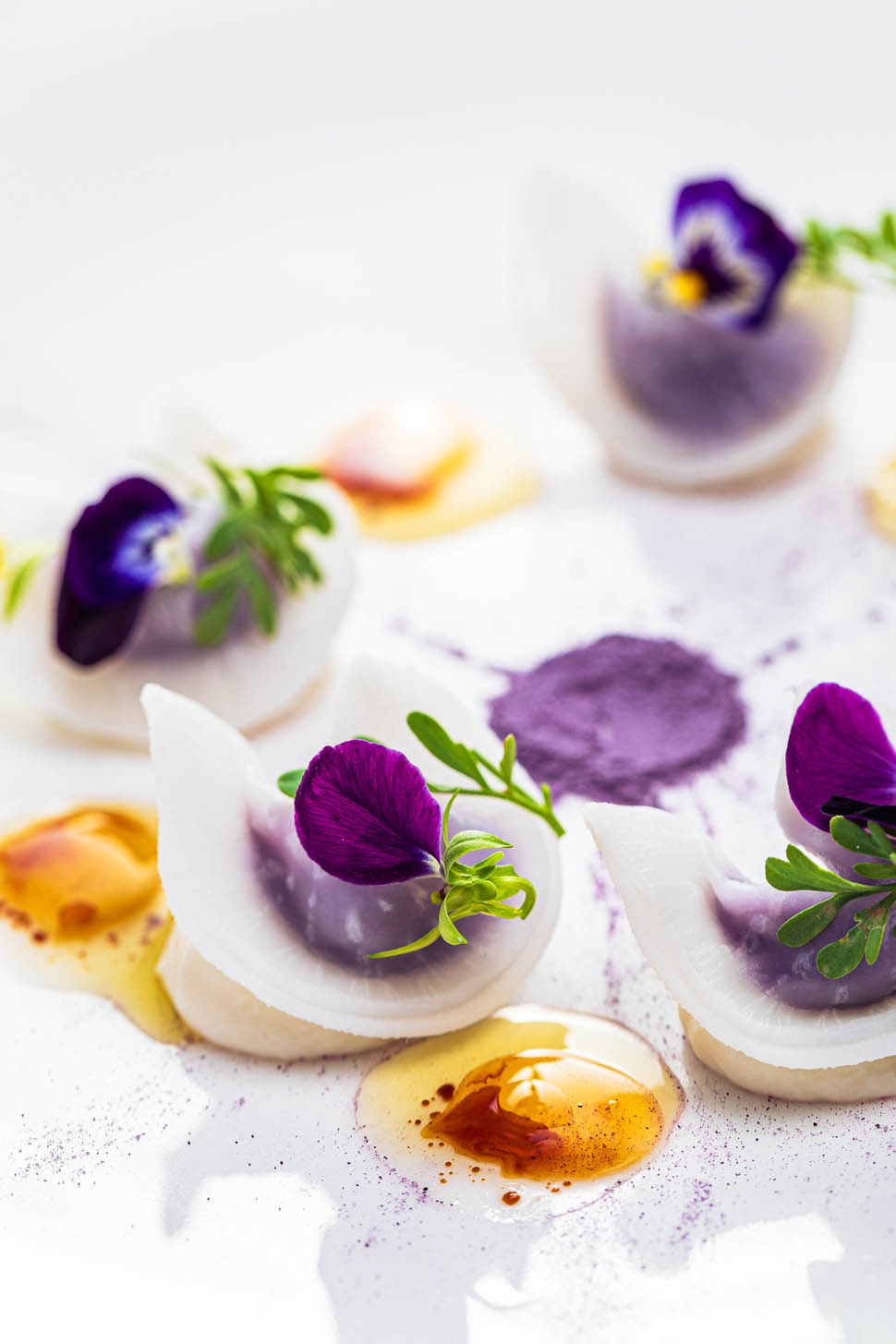
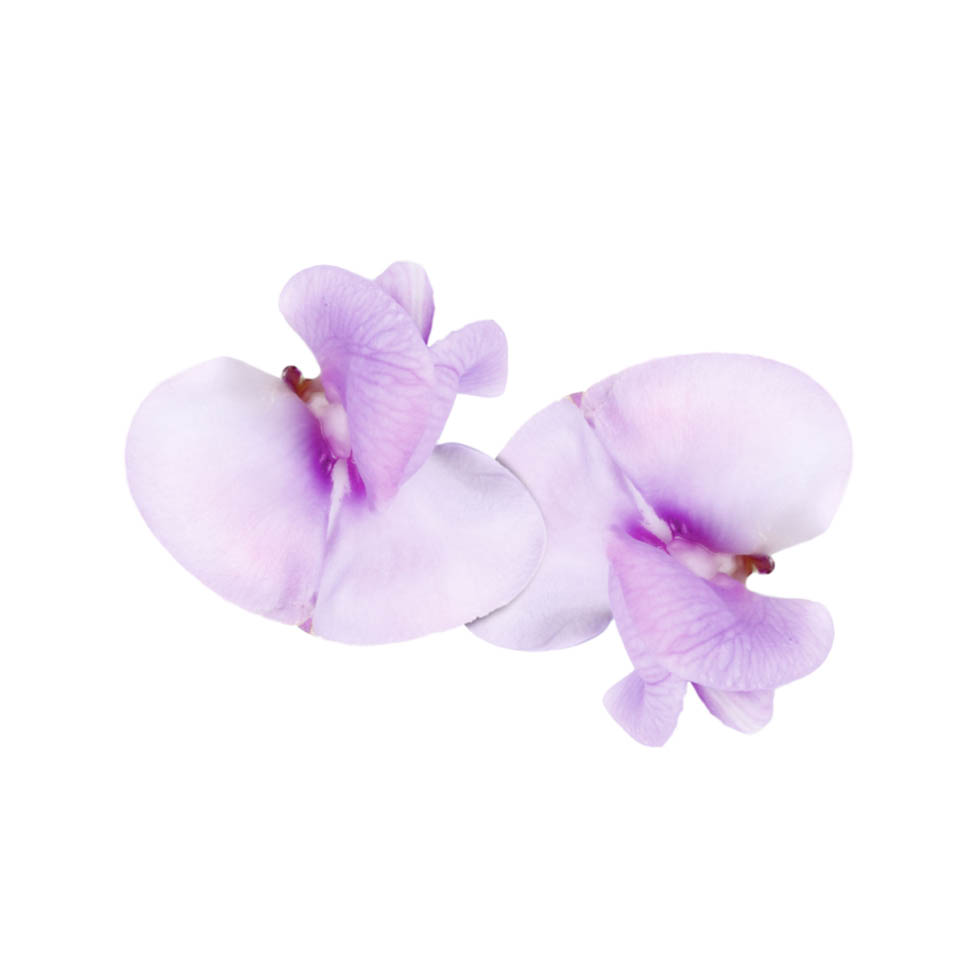
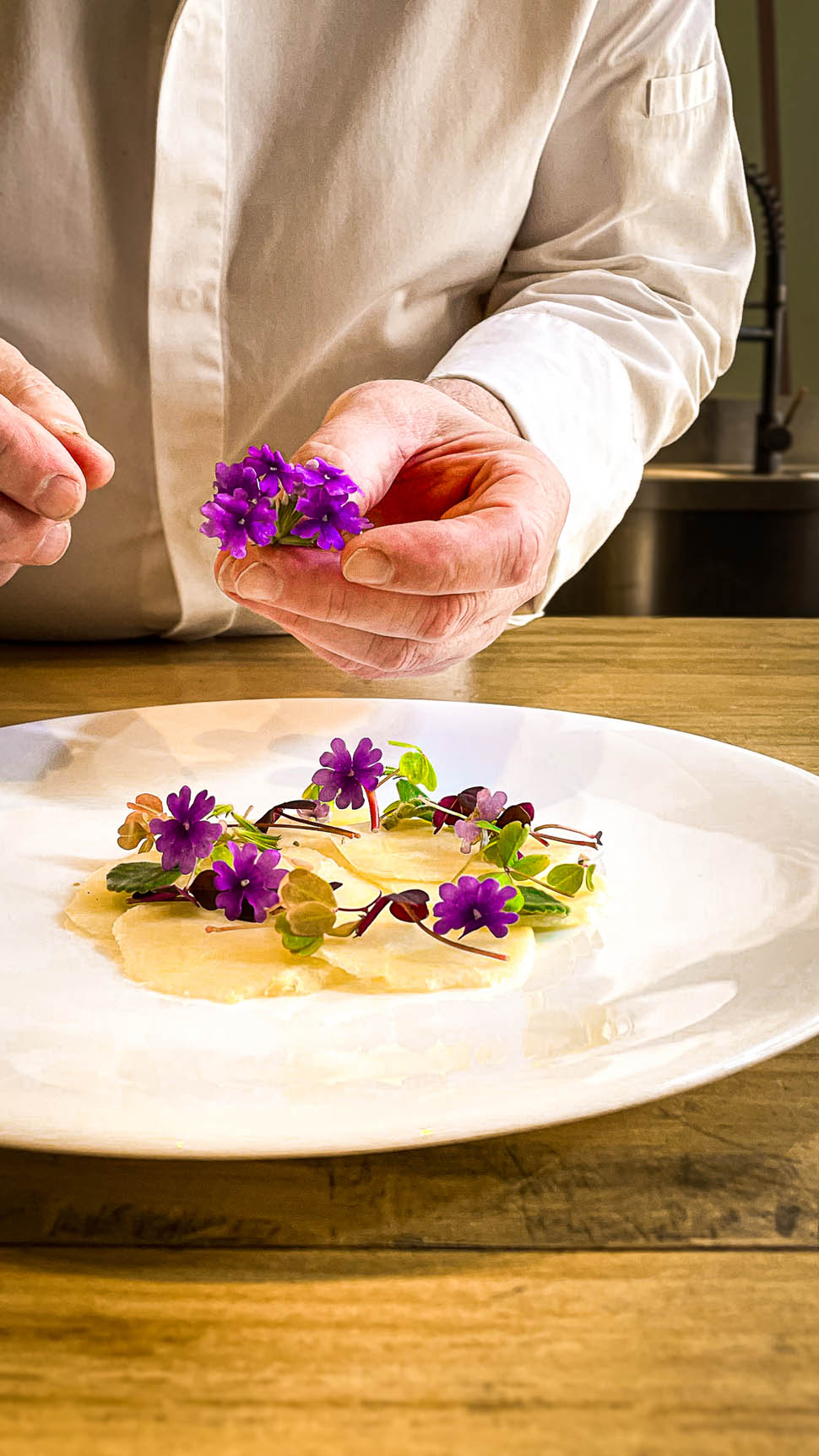
In the “Rossa francese” – where the vitelotte potato transforms into a palette of textures and contrasts – the use of Bean Blossom (purple flower with a sweet bean flavor) and Hippo Tops (spicy watercress) creates a chromatic and aromatic dialogue between sweetness, earthiness, and floral lightness. “I like to build emotions through color and scent,” explains the chef. “Koppert Cress offers the possibility to work with a lively palette. Every vegetable nuance is like a musical note: it changes everything if you put it in the right place.”
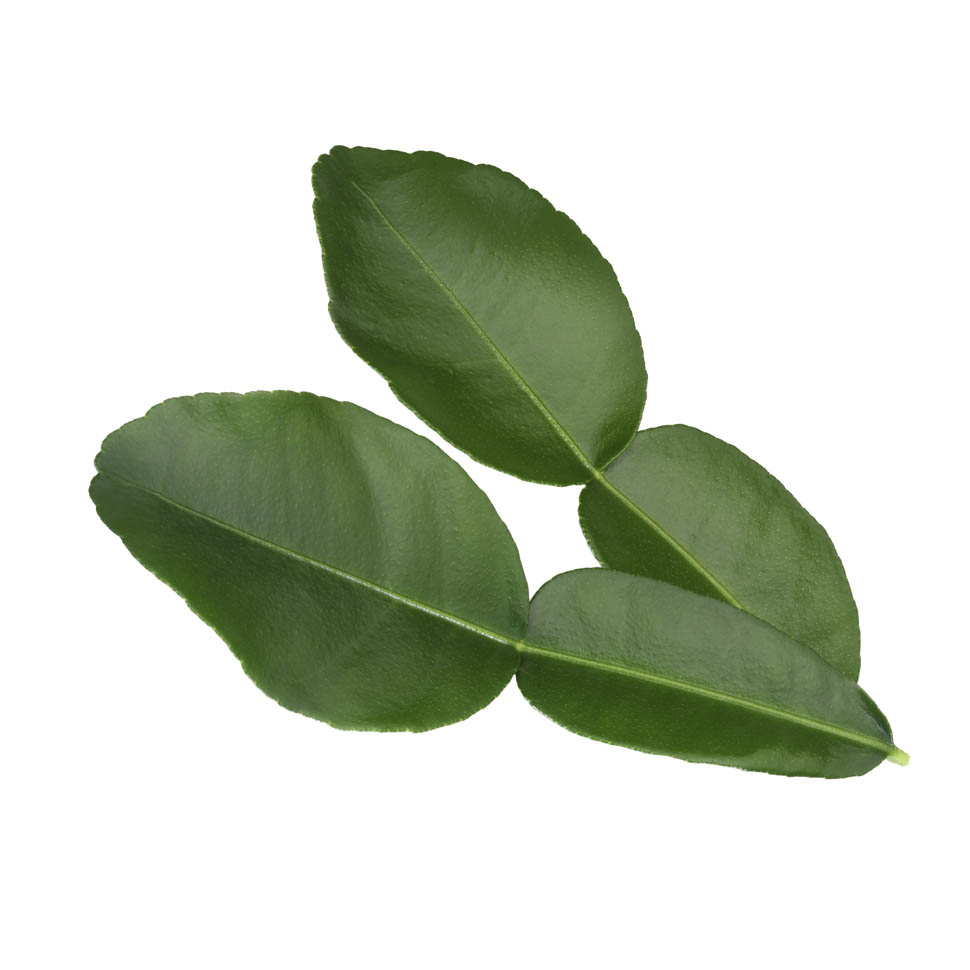
Even in the non-alcoholic menu, where flavors become meditation, Chiodi Latini constructs a precise botanical narrative: Cardamom Leaves (with their typical fresh cinnamon-salt flavor) and Kaffir Lime Leaves interact with the house macerates, opening up balsamic and citrus notes that refresh the palate and the mind. “It's not just a simple pairing,” he says. “It's a search for balance: the vegetable doesn't accompany, but guides. It is the plant that suggests the direction of the taste.” And again: “Non-alcoholic cuisine is an emotional laboratory. It allows me to convey the purity of flavor without distractions.”
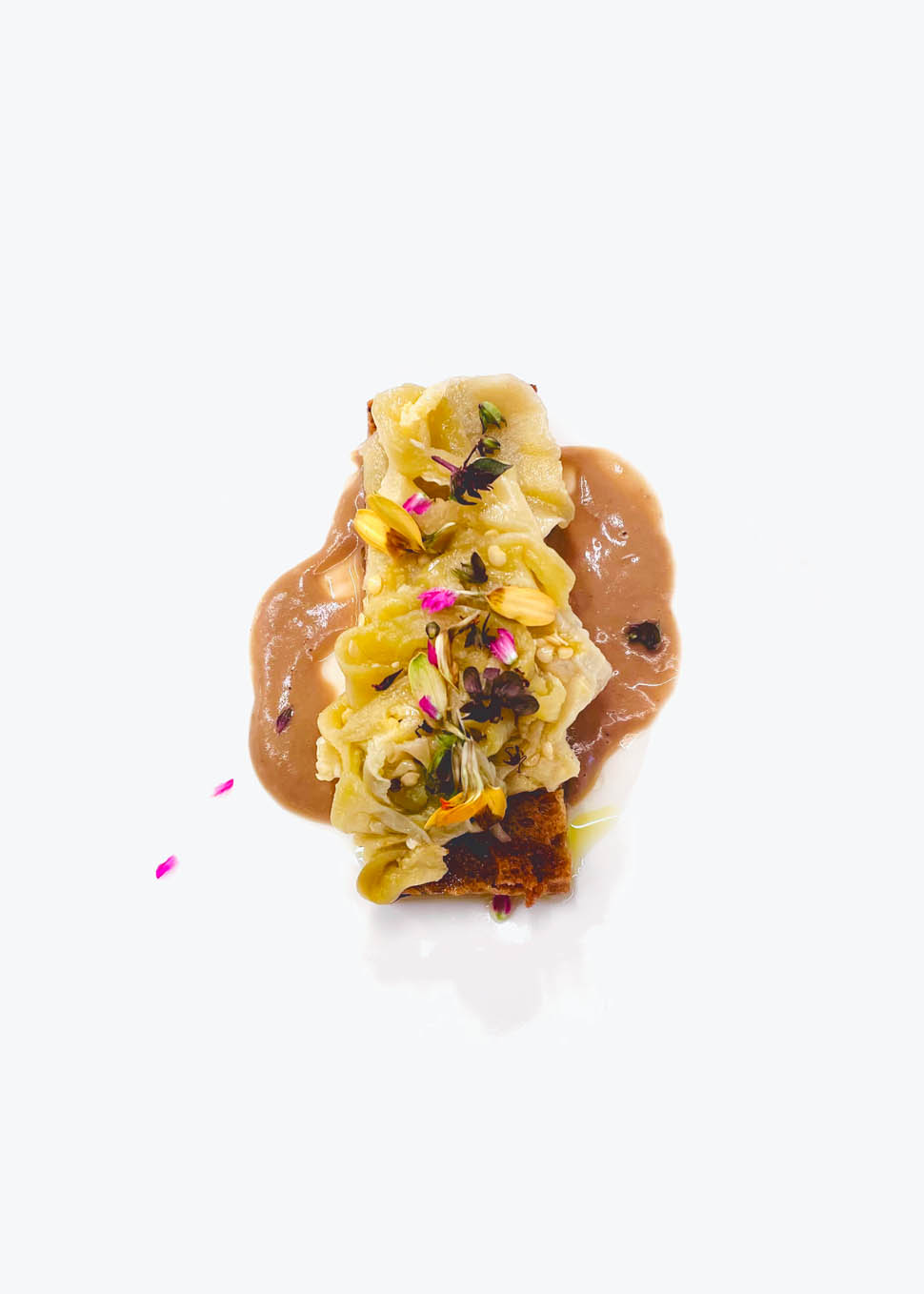
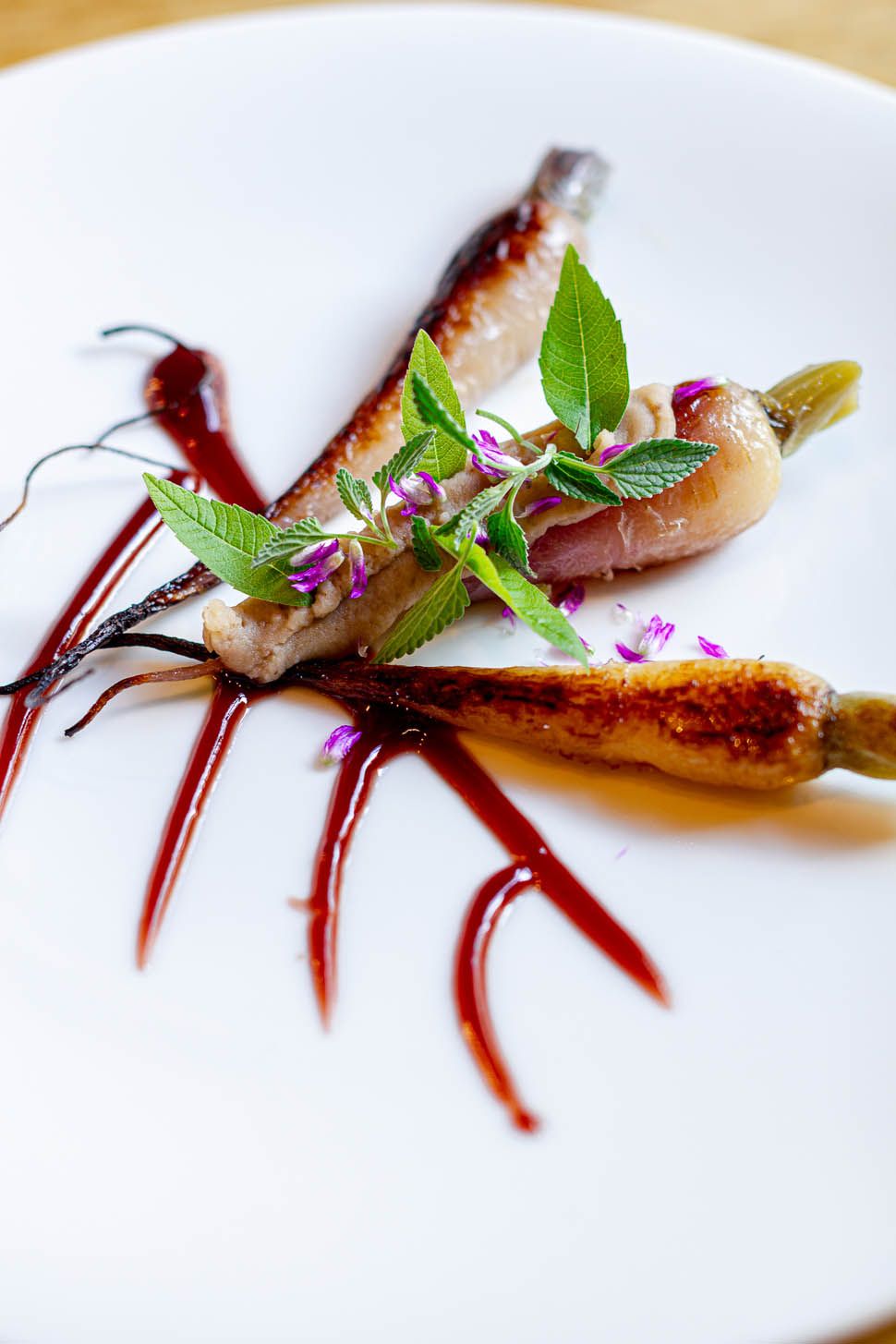
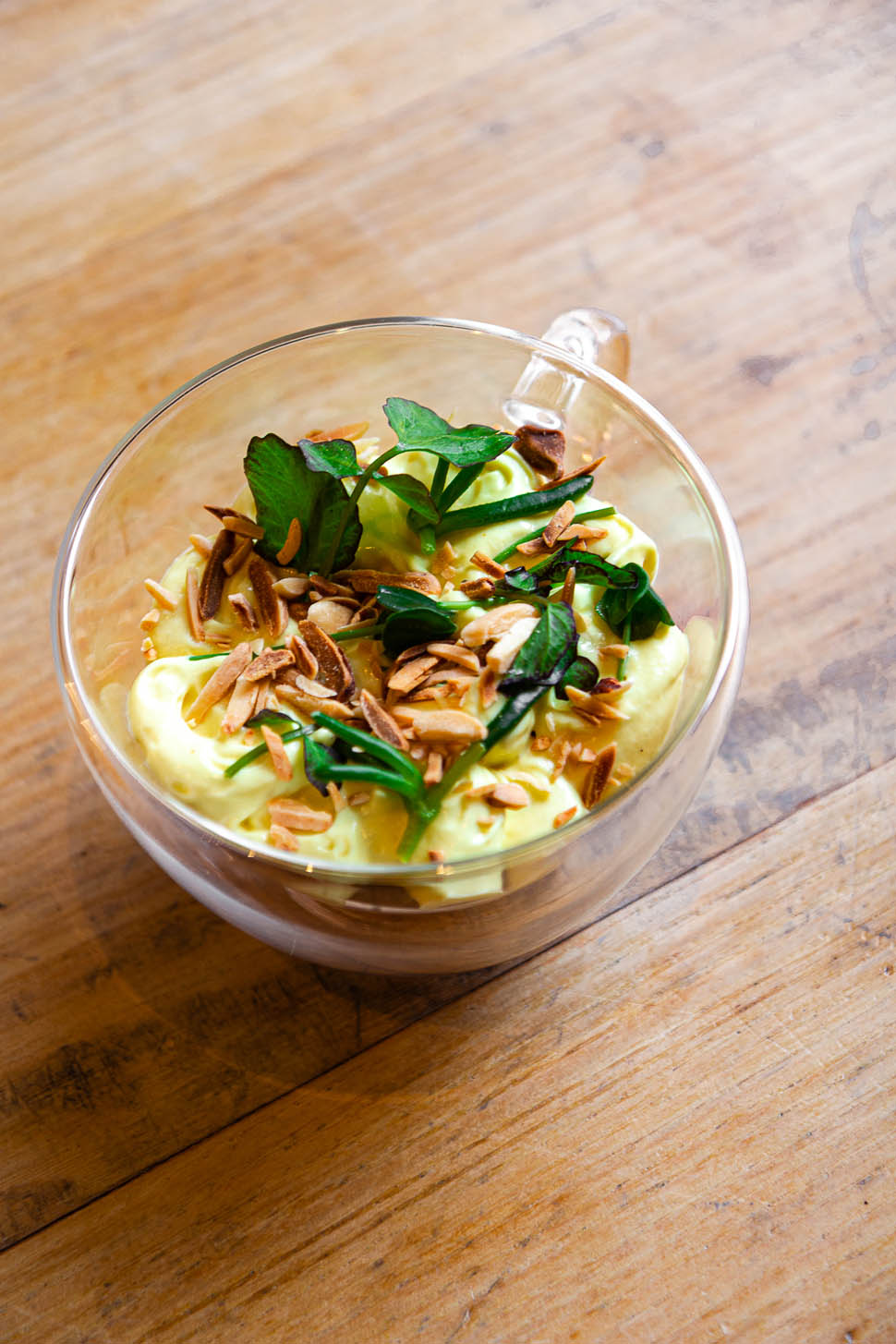
In the dish dedicated to eggplant panzanella, Floregano—an edible flower that tastes like fresh oregano—adds a pungent, Mediterranean note, while Blinq Blossom, a robust and succulent herb, brightens up the red collared turnip scallop with cashew cream, bringing a visual and mineral flash. “Every plant has a voice,” he explains. “My job is to harmonize it with the others, like an orchestra conductor. If an ingredient is out of tune, I don't correct it: I listen to it more closely.”
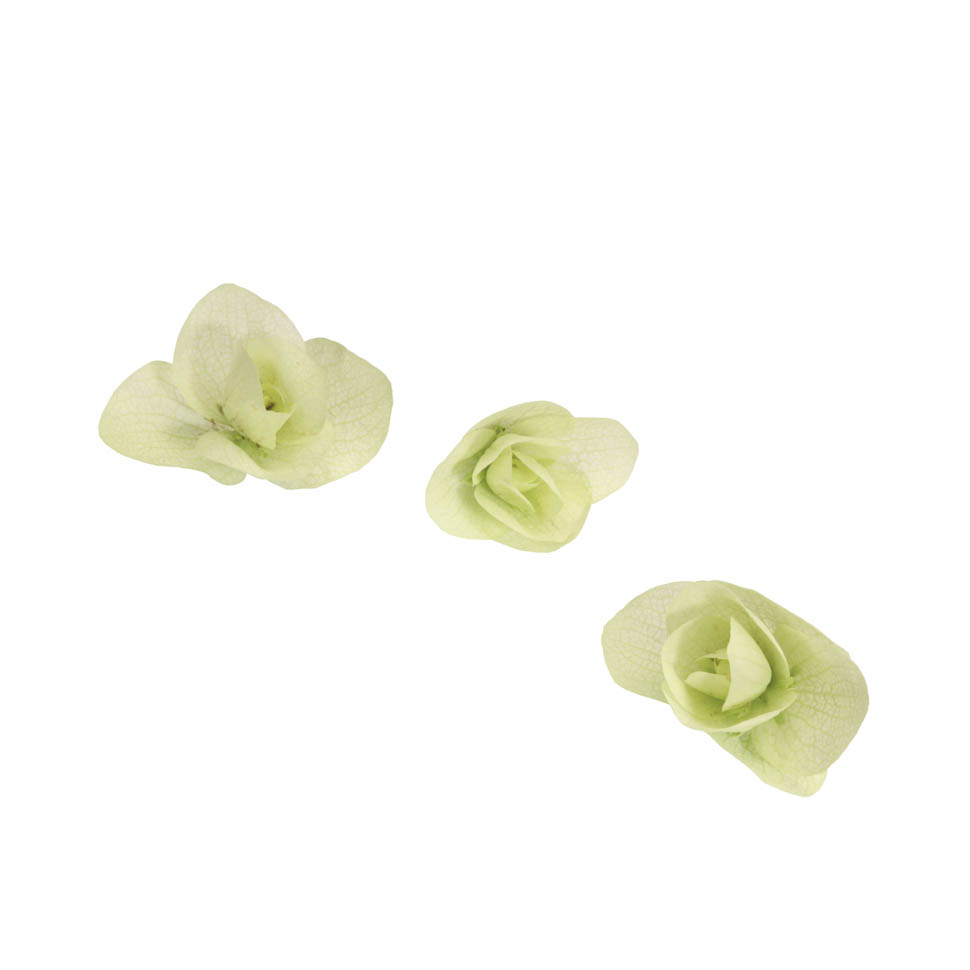
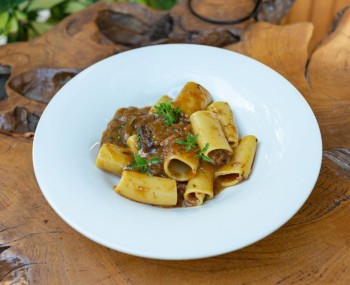
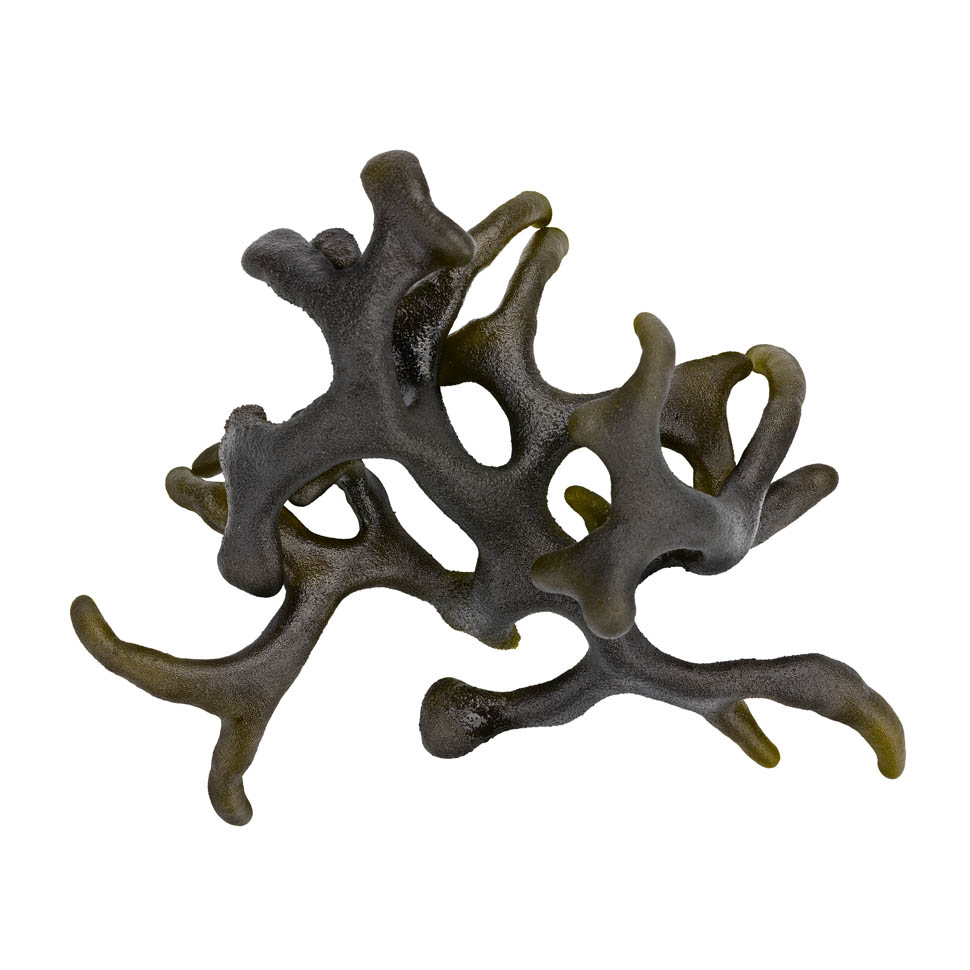
Finally, in the dish of buckwheat tagliolini and chicory coffee, Codium Blue, considered the “truffle of the sea” for its flavor, evokes the idea of the sea. Finally, in the dish of buckwheat tagliolini and chicory coffee, Codium Blue, considered the “truffle of the sea” for its flavor, evokes the idea of a deep, vegetal sea, closing the circle with a salty whisper. “I like to think that every dish is a walk through a landscape,” he confides. “I don't want to amaze, but to reconnect: those who sit at my table must feel that they are coming home, even if they have never been there.”
The meaning of nature in a taste
Everything in Antonio Chiodi Latini's journey revolves around one question: what does it mean to be natural today? “It's not a question of aesthetics or trends,” he reflects. “It's a way of thinking about cooking as an ecosystem, not as an isolated act. Every plant, every flower, every leaf has a story to tell: my job is to listen to it along with the others.” He concludes: “Nature is never at odds with man: it is man who must learn to keep pace with it.”
The collaboration with Koppert Cress fits perfectly into this vision. Its herbs, leaves, and microplants become an extension of the chef's sensibility, a vocabulary that allows him to create dishes where vegetables are no longer a complement but a narrative structure. “Plant-based cuisine is not a reduction, it is an expansion,” he says. “It forces you to find taste, emotion, and depth where others do not look. It is an act of freedom. And freedom is always a dialogue with the earth.”
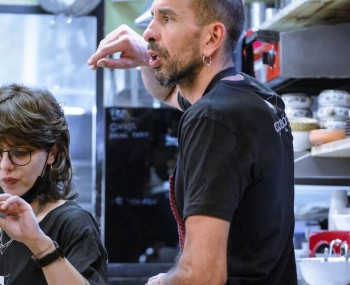
In the silence of his laboratory, surrounded by sprouts and fresh aromas, Chiodi Latini composes his language. Leaves replace words, scents become punctuation, texture is rhythm. And so, as in a poem, the dish breathes. It is nature becoming thought, and thought returning to the earth.
Koppert Cress products in Antonio Chiodi Latini's journey
- Oyster Leaves – Fleshy leaves with a salty, mineral taste, evoking the sea and adding depth to vegetable dishes.
- Bean Blossom & Hippo Tops – Flowers and cress with a delicate, earthy aroma, ideal for playing with colors and aromas.
- Cardamom Leaves & Kaffir Lime Leaves – Aromatic leaves that enhance macerated and infused dishes with balsamic and citrus notes.
- Floregano – Intense and vibrant, it brings with it the character of the Mediterranean.
- Blinq Blossom – A crisp and visually bright flower, it adds brilliance and mineral balance to dishes.
- Sansho Leaves – Leaves with a spicy and citrusy scent, perfect for creating taste tension thanks to the slight tingling sensation they leave in the mouth.
- Codium Blue – Seaweed with an oceanic color and flavor, it closes the journey with a poetic marine echo.
Who is Antonio Chiodi Latini
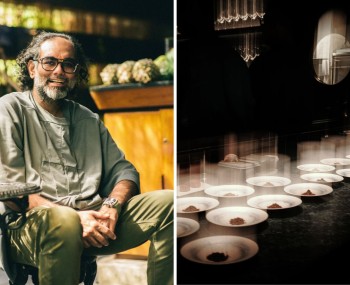
Chef and pioneer of Italian vegetarian cuisine, Antonio Chiodi Latini has created a place of research and contemplation in his restaurant in Turin. “My cuisine,” he likes to say, “is not a choice, but a way of life.” His vision combines ethics and taste, aesthetics and nature: each dish is a fragment of the landscape, a gesture of respect for the earth and its rhythms.