“We ferment not only for flavor, but because it's an ancient practice in Colorado. We ferment to use every part of the ingredient.” Kelly Whitaker prefers not to talk about sustainability: in her two-star restaurant, true ethics are practiced, beyond passing trends.
Opinion
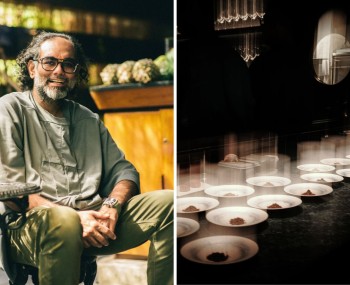
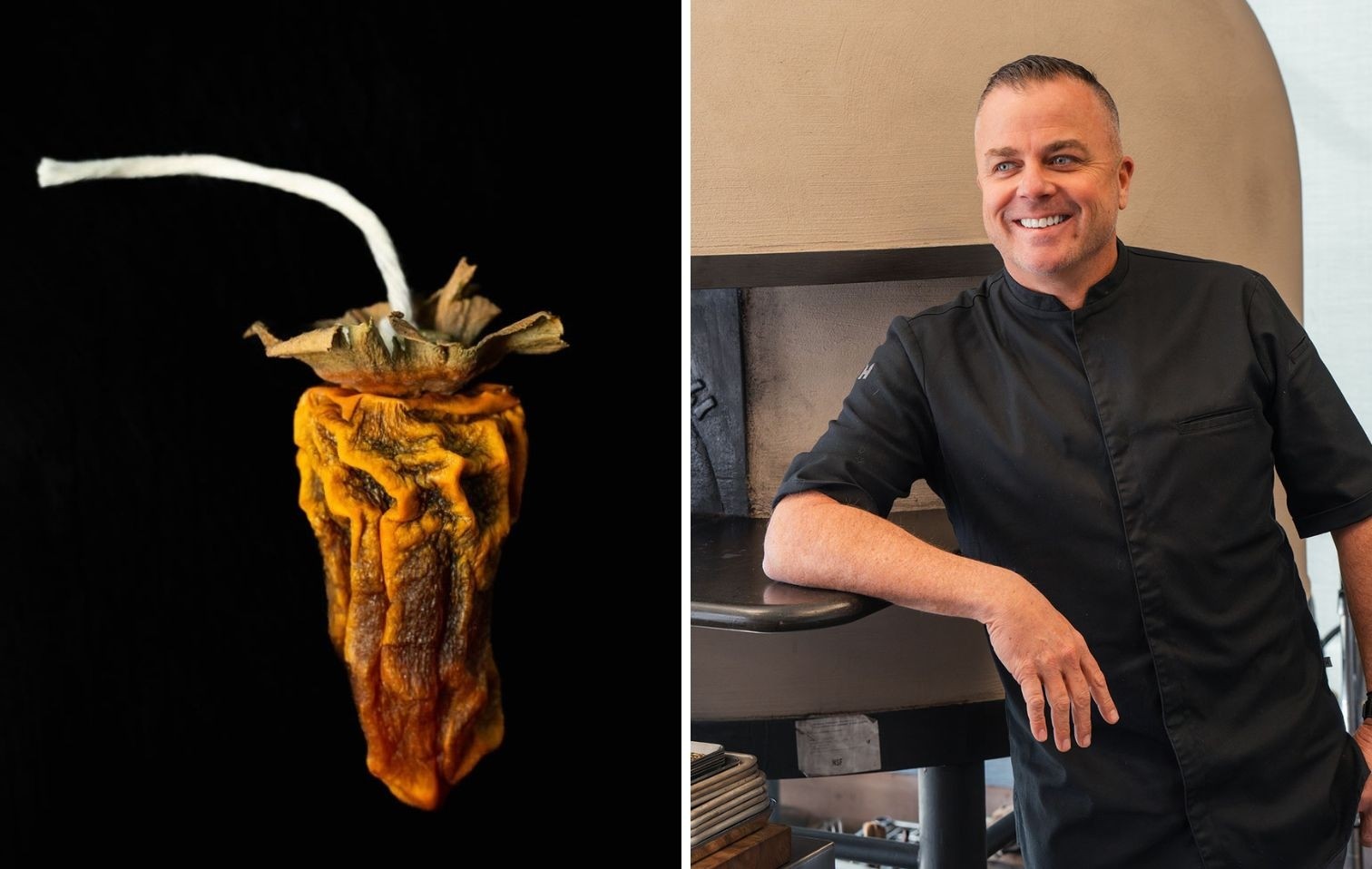
The name sounds like a fierce fairy tale: The Wolf’s Tailor. The wolf no longer needs to disguise himself. A predator who learns the art of sewing and finally dresses himself—without deception, without the skins of others. In the Gospel narrative, it was a warning; in Kelly Whitaker's vision, it becomes a gesture of emancipation. "The wolf doesn't have to be the villain. You can sew a new story for him. You can transform what is wild into something regenerative,“ says the Michelin-starred chef, just after the call that changed the gastronomic geography of Colorado: two stars, the first in the state's history. Whitaker wasn't expecting them. In fact, he didn't want them as a goal: ”We weren't chasing stars. We were chasing excellence." And you can tell he really means it.
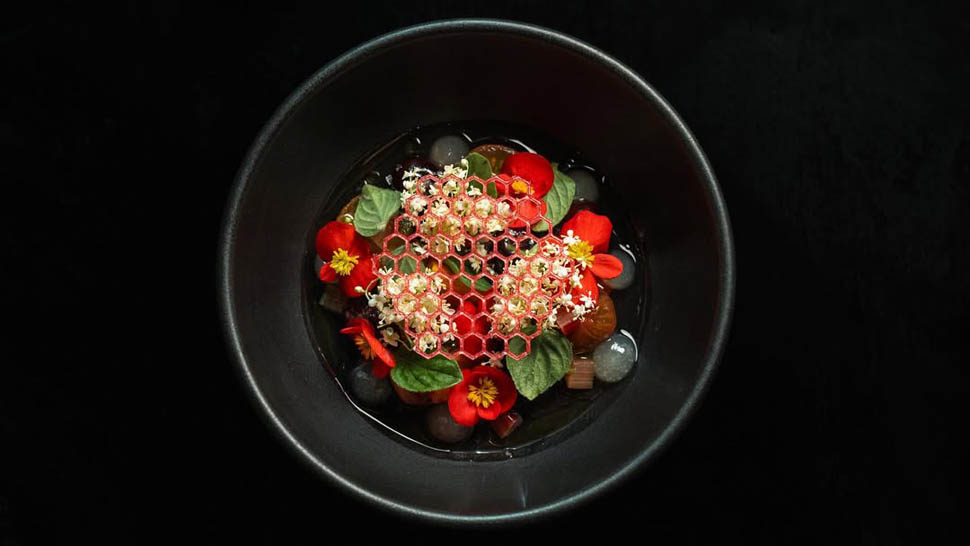
As the son of a Protestant pastor and a teacher, he never believed that cooking was purely entertainment. His work is faith and rebellion, rigor and fire, ethics and raw ingredients. The Wolf's Tailor is an unusual pulpit: every service is a sermon on responsibility, a secular mass on the impact that food has on the world. Long before the MICHELIN lights, Basta—his first restaurant, in Boulder in 2010—set the course. At the time, the red guide did not look to Colorado; the local scene was just beginning to write its own identity. Whitaker fits in as an outsider: determined, curious, quietly obsessive. His professional passport took him to Switzerland, then to the island of Procida in Campania, where he discovered wood, smoke, and the ancestral pleasure of feeding others. Then came Los Angeles, in the kitchens of Hatfield's and Providence, under the wing of Michael Cimarusti, now a three-star chef. There he understood something fundamental: excellence and responsibility are not opposites. They can coexist — they must.
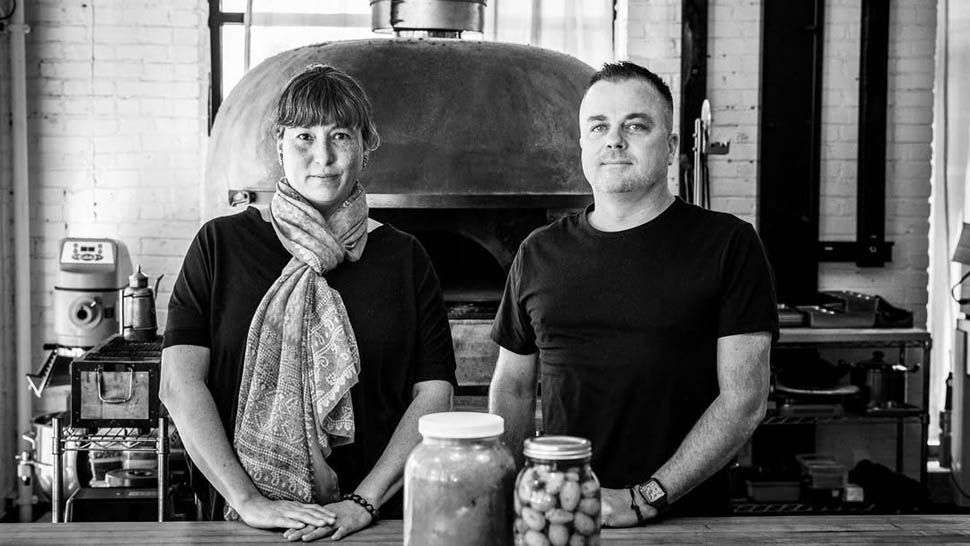
Back home, together with his wife Erika, he built an entrepreneurial constellation with a Latin name: Id Est, “that is.” An identity within an identity that today boasts three stars, two green stars, a Bib Gourmand, and a Recommended rating. Numbers that no other chef in the Rocky Mountain Region can claim. The Wolf's Tailor was founded in 2018 in Denver's Sunnyside neighborhood: few seats, many ideas. Initially à la carte, it then—inevitably—transformed into one of the most radical tasting menus in the nation. After the first star in 2023, the most dangerous specter entered the kitchen: habit. Whitaker can't stand it. He doesn't expand the dining room; he expands the scope. He builds a greenhouse for employees; he studies a cleaner, electric kitchen; he reformulates growth. “Customers come by a few times a year. The team lives here every day. I measure success by how much they improve.”
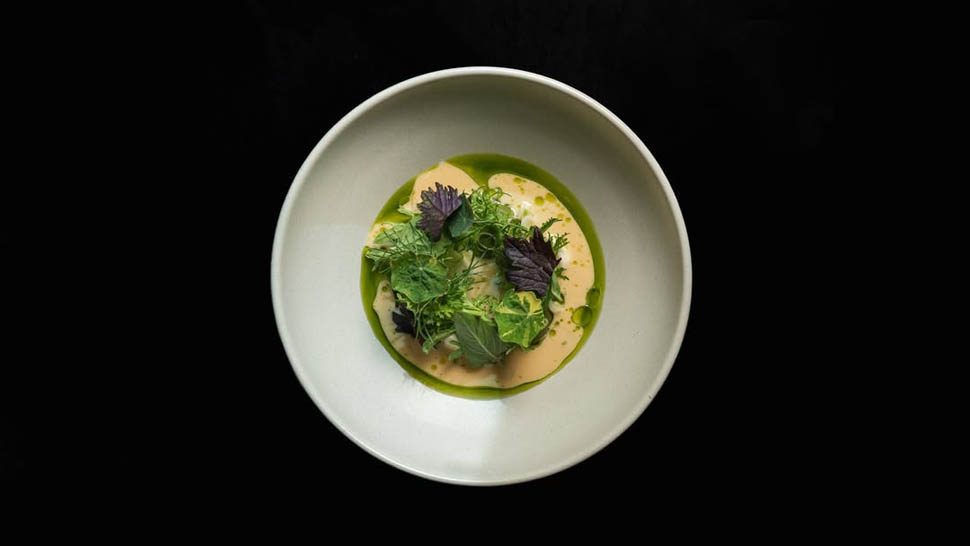
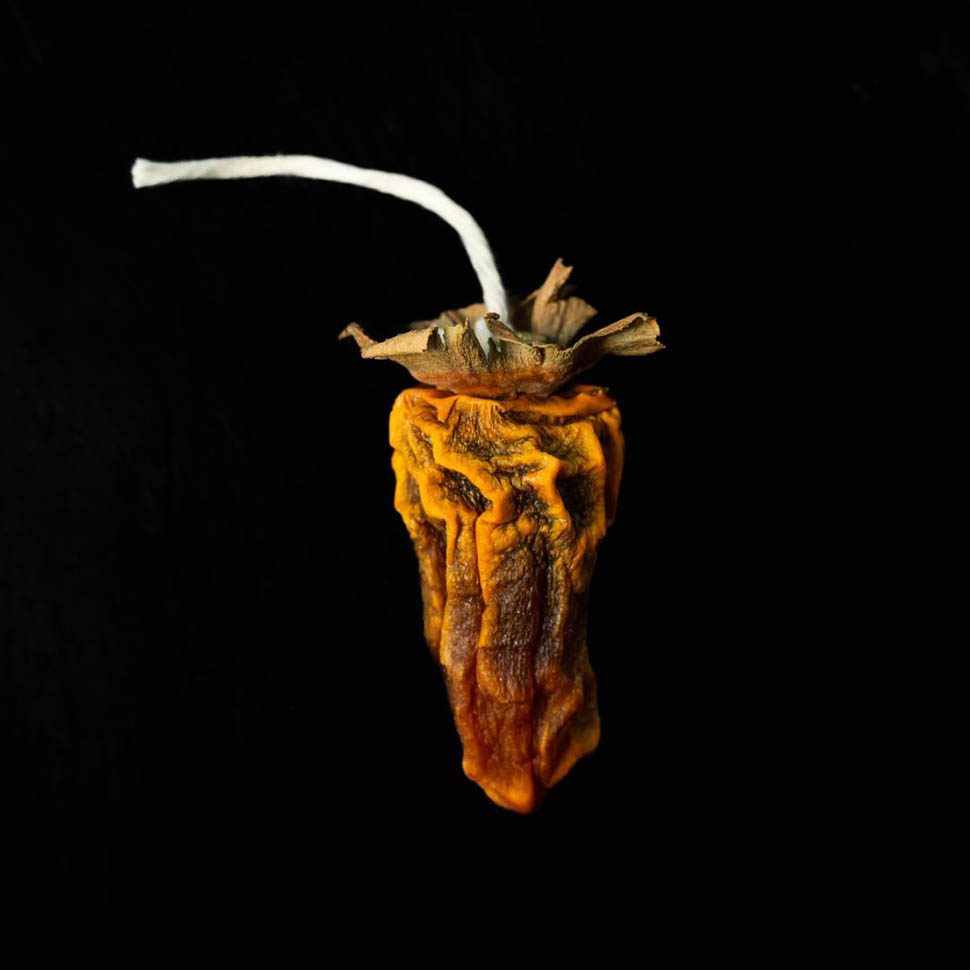
A revolution that also extends to pastry: together with Emily Thompson, formerly of The French Laundry, he transforms waste into treasures. Sourdough starter into fine flour for macarons as thin as a brilliant idea. Fermentation instead of easy sugar. This is haute cuisine with soul: small rebellions at the tip of technique. Whitaker abhors the word “sustainable”: “It's a worn-out term, now empty. I prefer impact.” Impact as a verb, not as a problem. The Wolf's Tailor doesn't just avoid waste: it regenerates. Dry Storage's home-ground wheat supports regional farmers. The catch follows Slow Food USA and Seafood Watch criteria. Waste becomes miso, vinegar, garum, the future. “We're not farm-to-table, we're system-to-table. We defend those who produce.” The supply chain is the dish. The dish is a political act. Again: “We ferment not only for flavor, but because it's an ancient practice in Colorado. We ferment to use the whole ingredient.”
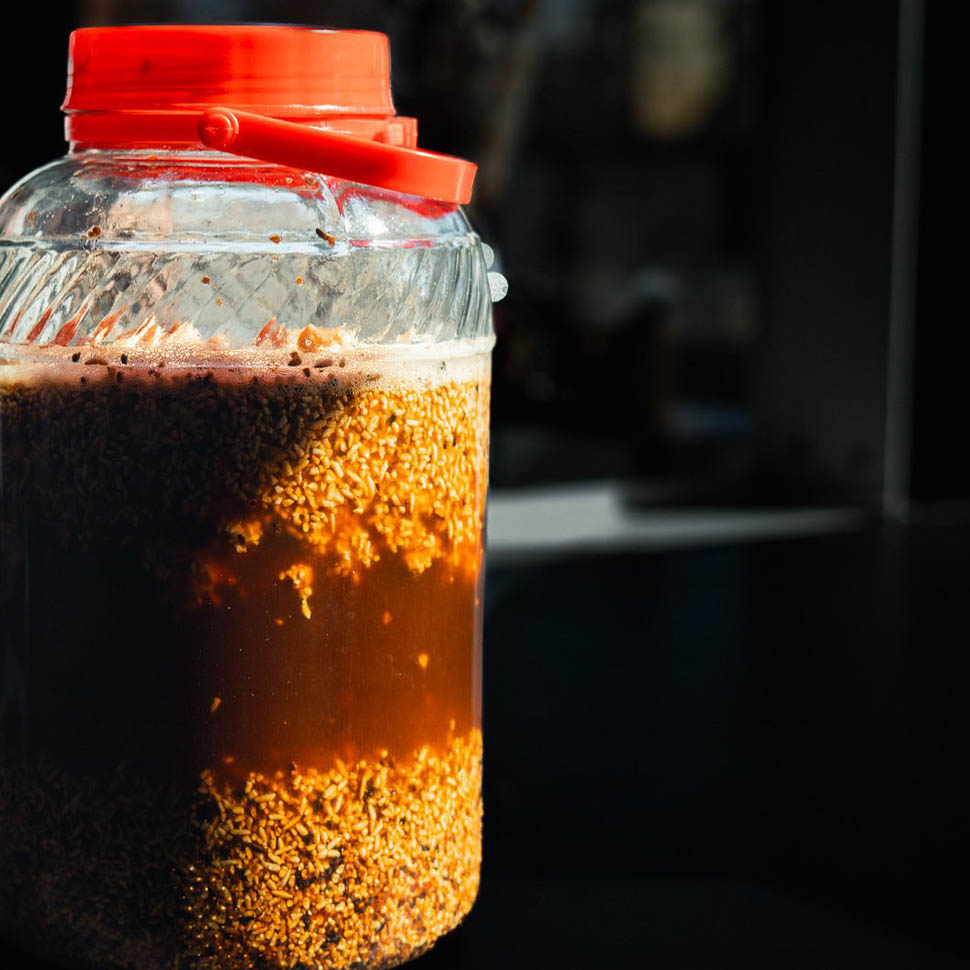
The most intimate image of his philosophy did not originate in a Michelin-starred restaurant, but in his grandparents' tornado shelter in Oklahoma. Jars everywhere: pickled green beans, summer tomatoes preserved in time, peaches hanging for the coming year. It was there, without him knowing it, that his belief in fermentation as an act of care was born. “Back then, it was survival. Today, it's taking responsibility. The future was hidden in that basement.” The cellar is now a kitchen that has earned a Michelin star. Or rather, two. Whitaker is not getting carried away: “We are an excellent two-star restaurant. We can become a great two-star restaurant.” He is not talking about three stars. Not now. The number doesn't matter. What matters is that the wolf is proud of the skin he wears. Today's destiny is not to settle. To protect those who work. To build tools for those who will come after. To keep the flame burning where it is needed, in the most vulnerable place: ethics.