Today, hotels are no longer just places to stay overnight, but spaces designed to offer a total experience. The best examples of architecture and design in the hospitality sector transform a stay into an immersive journey: structures that blend with nature, futuristic skyscrapers that redraw the urban skyline, resorts that interact with their surroundings without compromising their balance. The MICHELIN Guide has selected five extraordinary hotels as candidates for the first Architecture & Design Award, true masterpieces that redefine the boundaries of luxury hospitality.
Atlantis The Royal: Dubai's suspended neighborhood
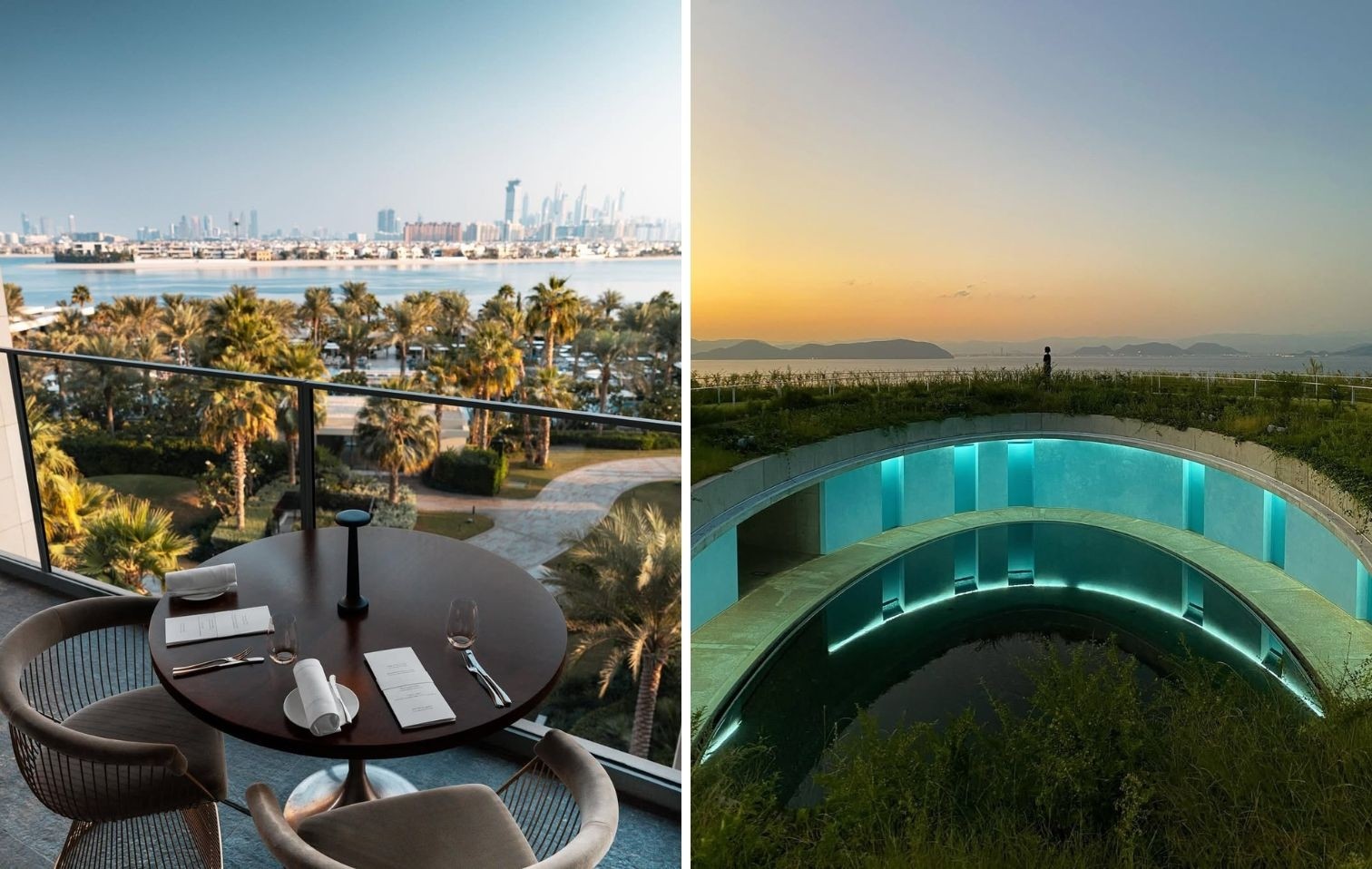
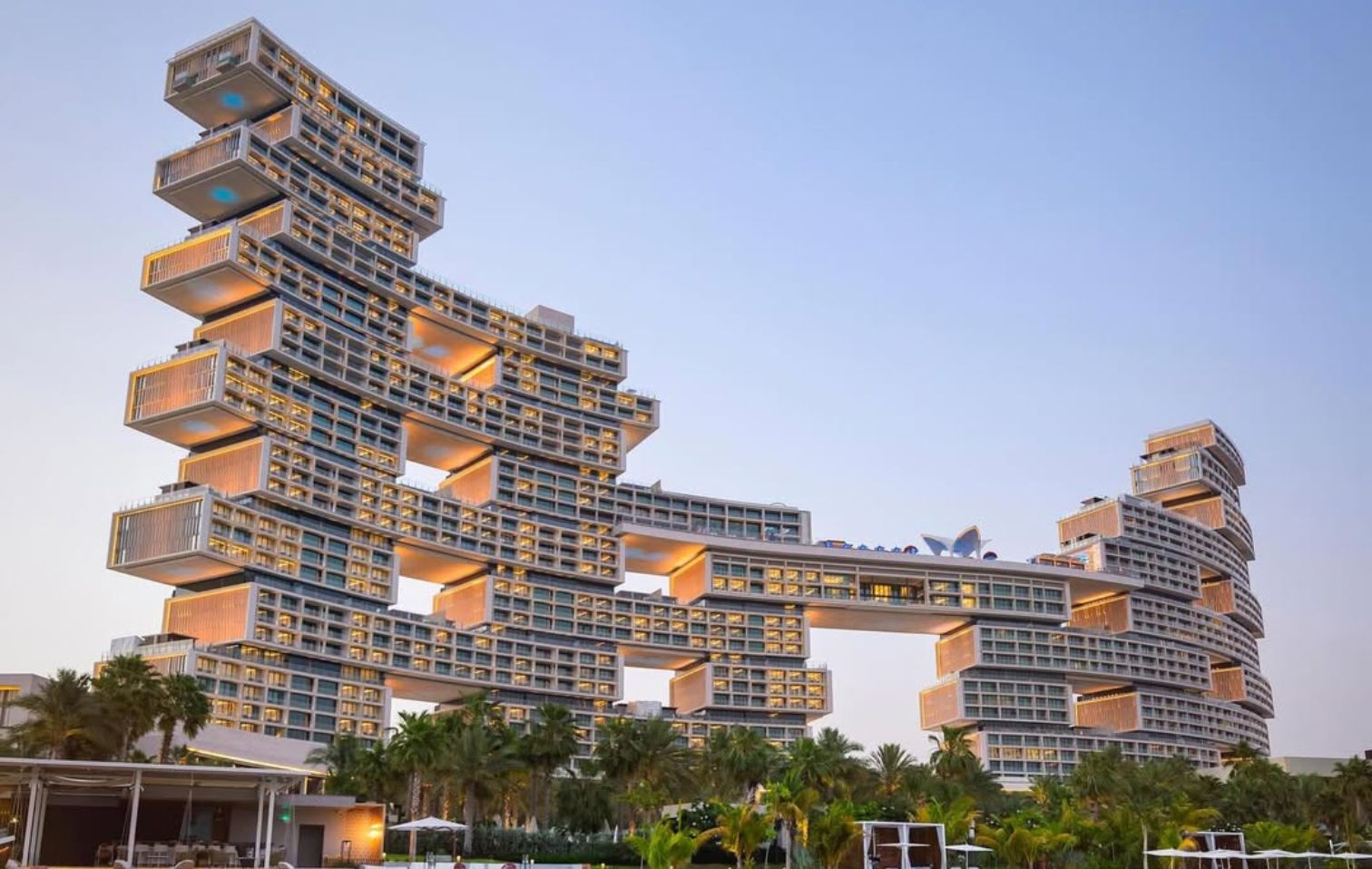
In the heart of one of the world's most spectacular cities, the new Atlantis The Royal redefines the concept of a skyscraper. Its structure, consisting of six towers connected by terraced and cantilevered blocks, looks like a giant futuristic puzzle that creates ever-changing, open, and shaded spaces. The rooms, called Skyscapes and Seascapes, evoke the history of Dubai and its connection to water. With 795 rooms, 15 restaurants, and an impressive suspended skybridge, this hotel is not only an aesthetic icon but a true vertical microcosm.
Shebara Resort: Saudi Arabia's floating “pearls”
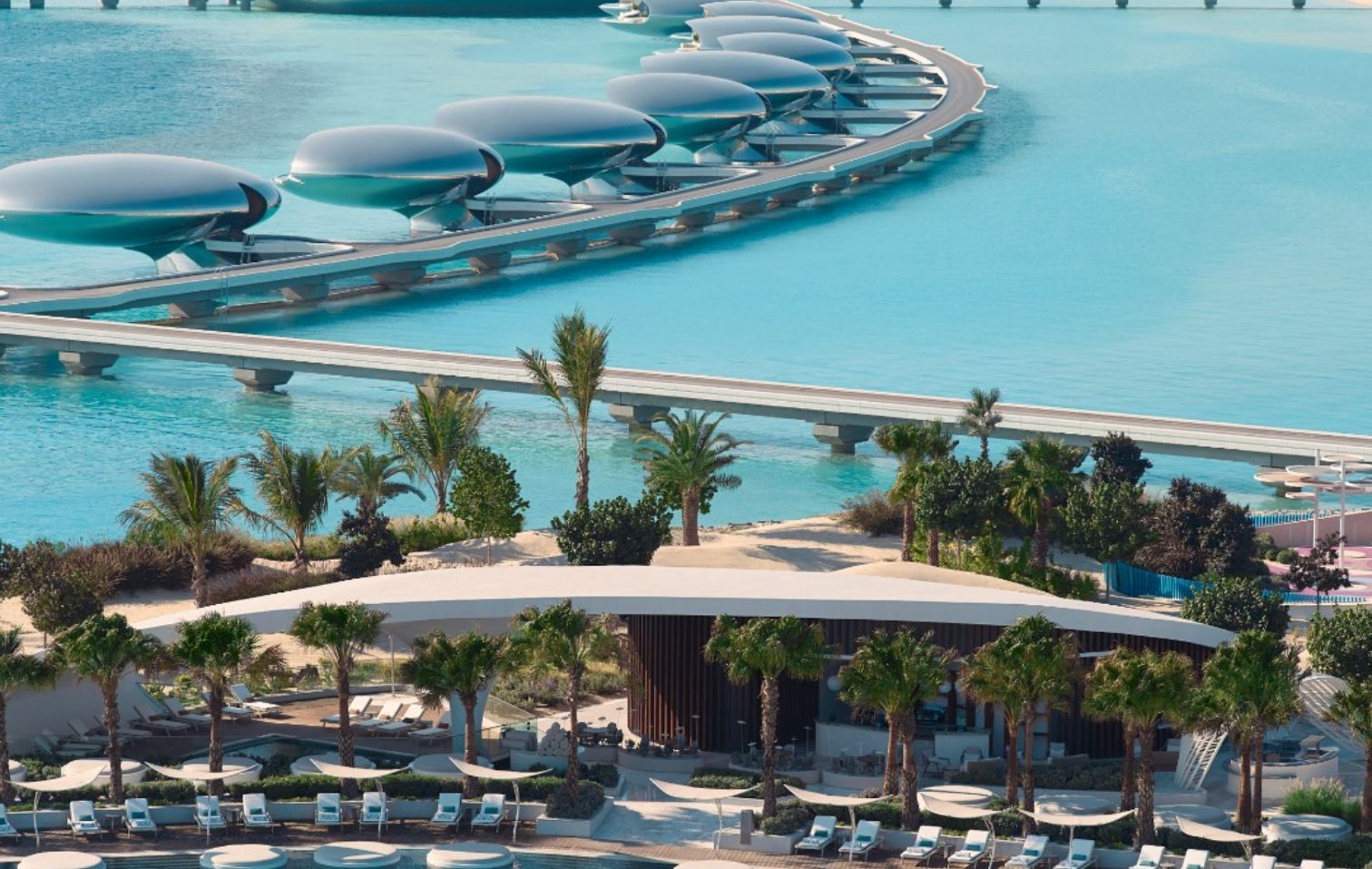
Part of the Red Sea Project, the Shebara Resort takes the experience of water villas to a new sustainable dimension. Its 73 units, designed as sparkling pearls, were built off-site and installed directly on the coral reef to minimize environmental impact. Thirty-eight of them float on the water, supported by slender columns. Completely self-sufficient thanks to renewable energy and advanced desalination systems, the resort is an example of responsible luxury. The minimalist interiors, with steel and custom-made furnishings, reflect the same lightness and brilliance as the external structures.
Rosewood São Paulo: the vertical forest
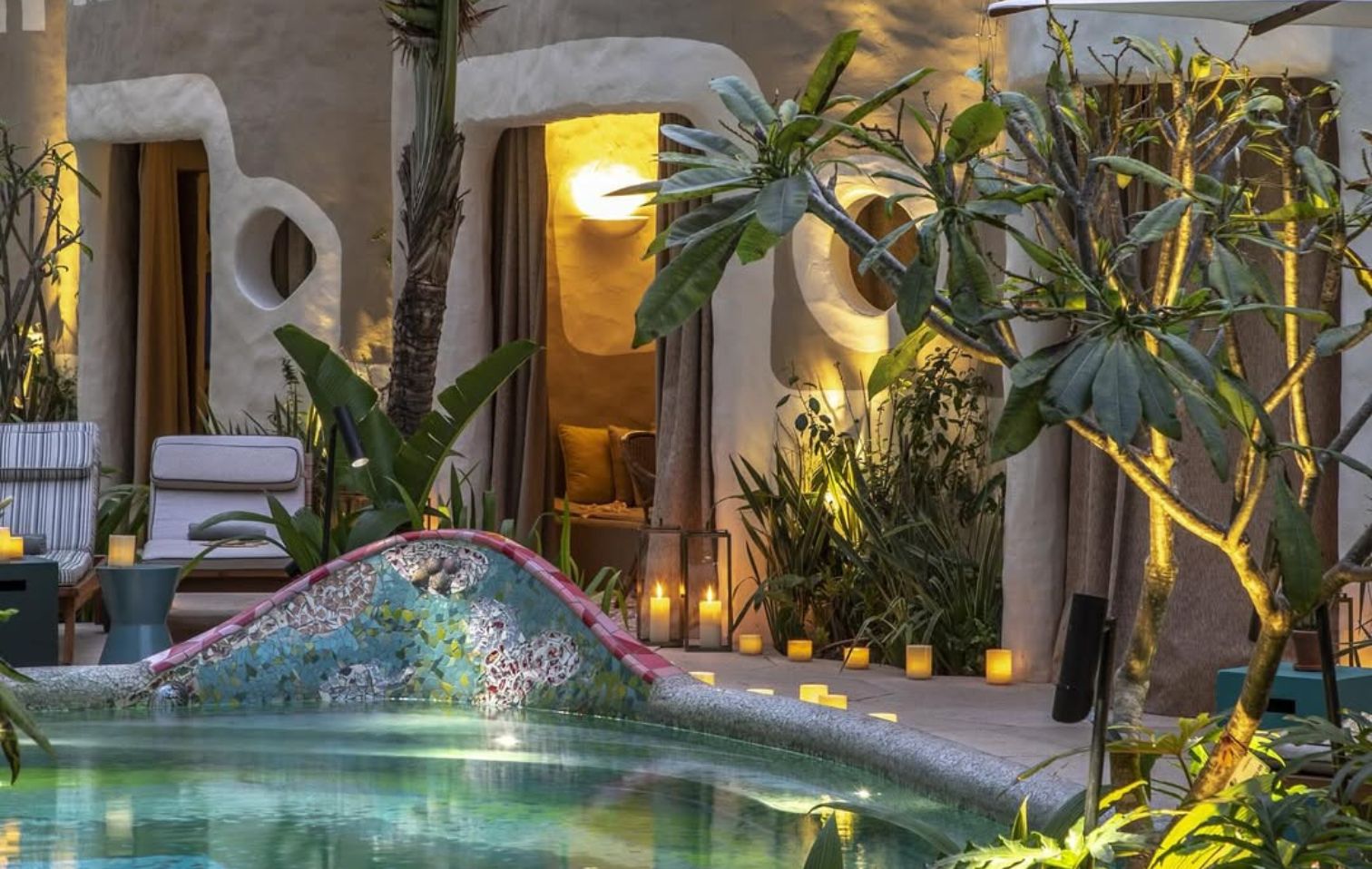
In bustling São Paulo, the Rosewood emerges as a green oasis. Its 93-meter garden tower is covered with over 10,000 trees native to the Atlantic Forest, transforming it into an architectural manifesto against uncontrolled urbanization. Part of an urban regeneration project, the Rosewood combines Brazilian history with a sustainable future. The rooms and common areas celebrate local materials and feature over 450 works by Brazilian artists, striking a perfect balance between memory and modernity.
Benesse House: the museum where you can sleep
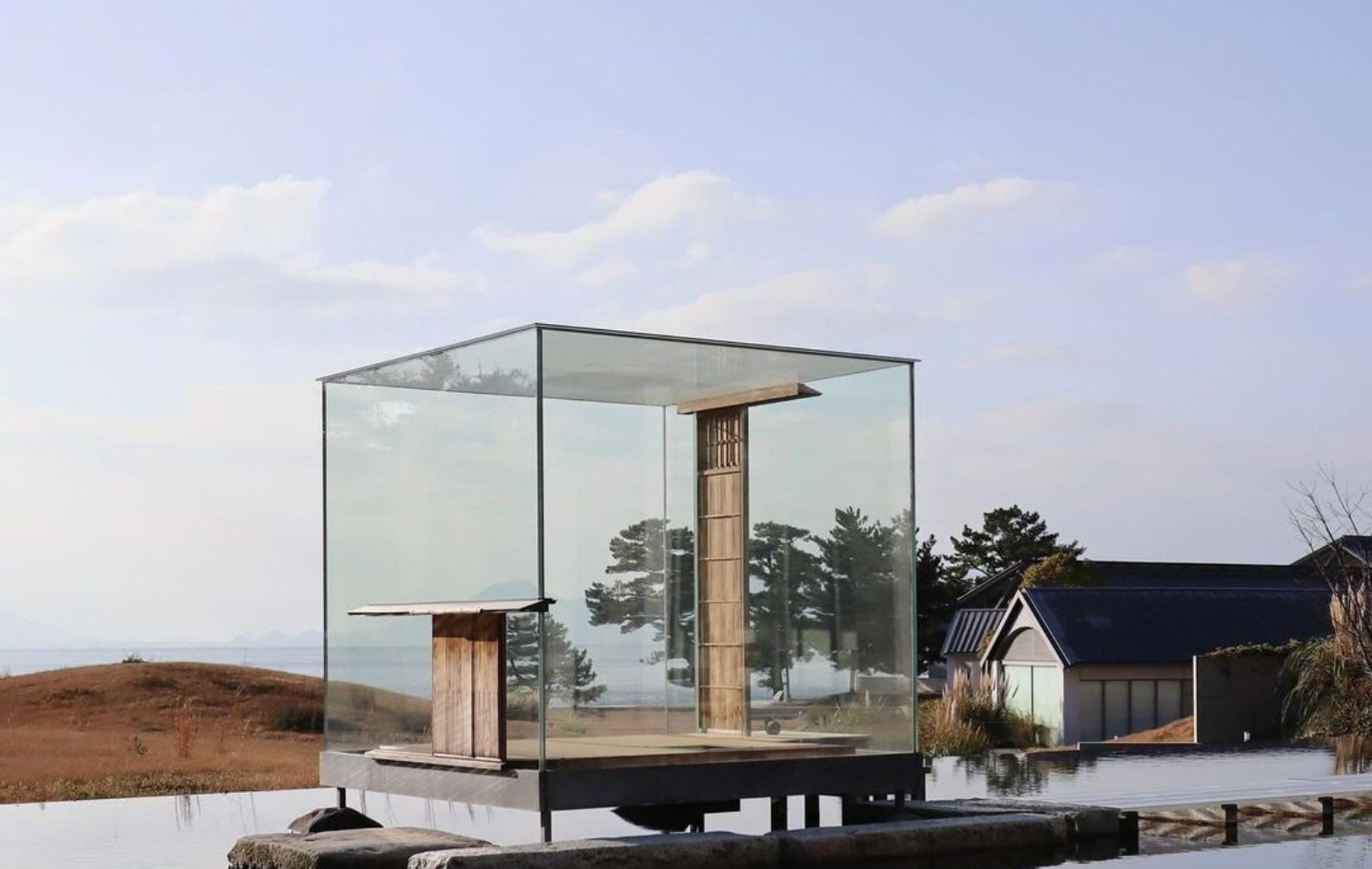
Located on the Japanese island of Naoshima, the Benesse House designed by Tadao Ando is a unique architectural experiment: combining a museum and a hotel in a single space. Its four buildings — Museum, Oval, Park, Beach — offer environments that blur the boundaries between art, architecture, and landscape. Minimalist rooms with large windows allow guests to experience firsthand the interaction between nature and design, transforming every stay into an artistic experience.
Villa Nai 3.3: Croatia's invisible luxury
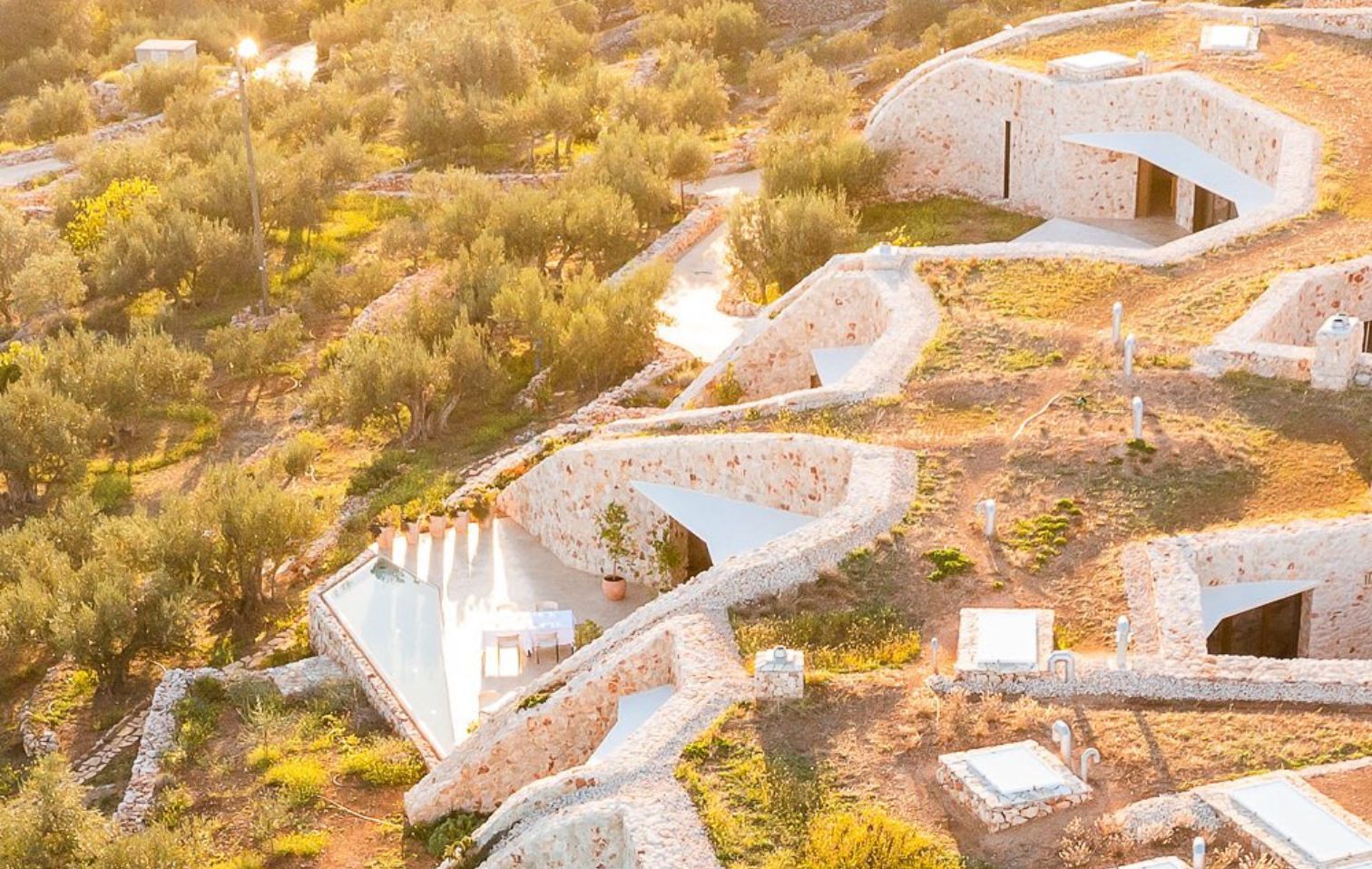
On the island of Dugi Otok, Croatia, Villa Nai 3.3 is a radical example of architecture integrated into the landscape. Carved into the hillside and built with local stone, the structure is almost invisible among the centuries-old olive trees. The design recalls ancient dry stone walling techniques, in constant dialogue with Mediterranean tradition. The eight rooms are finished with Italian marble and natural wood, in line with the eco-luxury philosophy that distinguishes the hotel. The result is an exclusive retreat where luxury and sustainability blend perfectly.
The hospitality of the future
These five hotels prove that true luxury lies not only in opulence or spectacle, but in the ability to offer authentic and transformative experiences. Architecture and design become narrative tools that tell the story of a place, a culture, and a different way of experiencing travel. With the new MICHELIN Architecture & Design Award, hospitality enters a phase where the building itself is an integral part of the journey — a work of art to be experienced, rather than just a place to stay.