The world’s most famous Italian gastronome shares his perspective on the future of the restaurant industry: from the “X factor” of contemporary dining to future trends and up-and-coming young chefs—our exclusive interview with Luigi Cremona. With a final surprise: do you remember Anton Ego from Ratatouille?
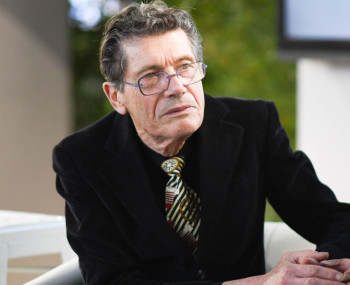
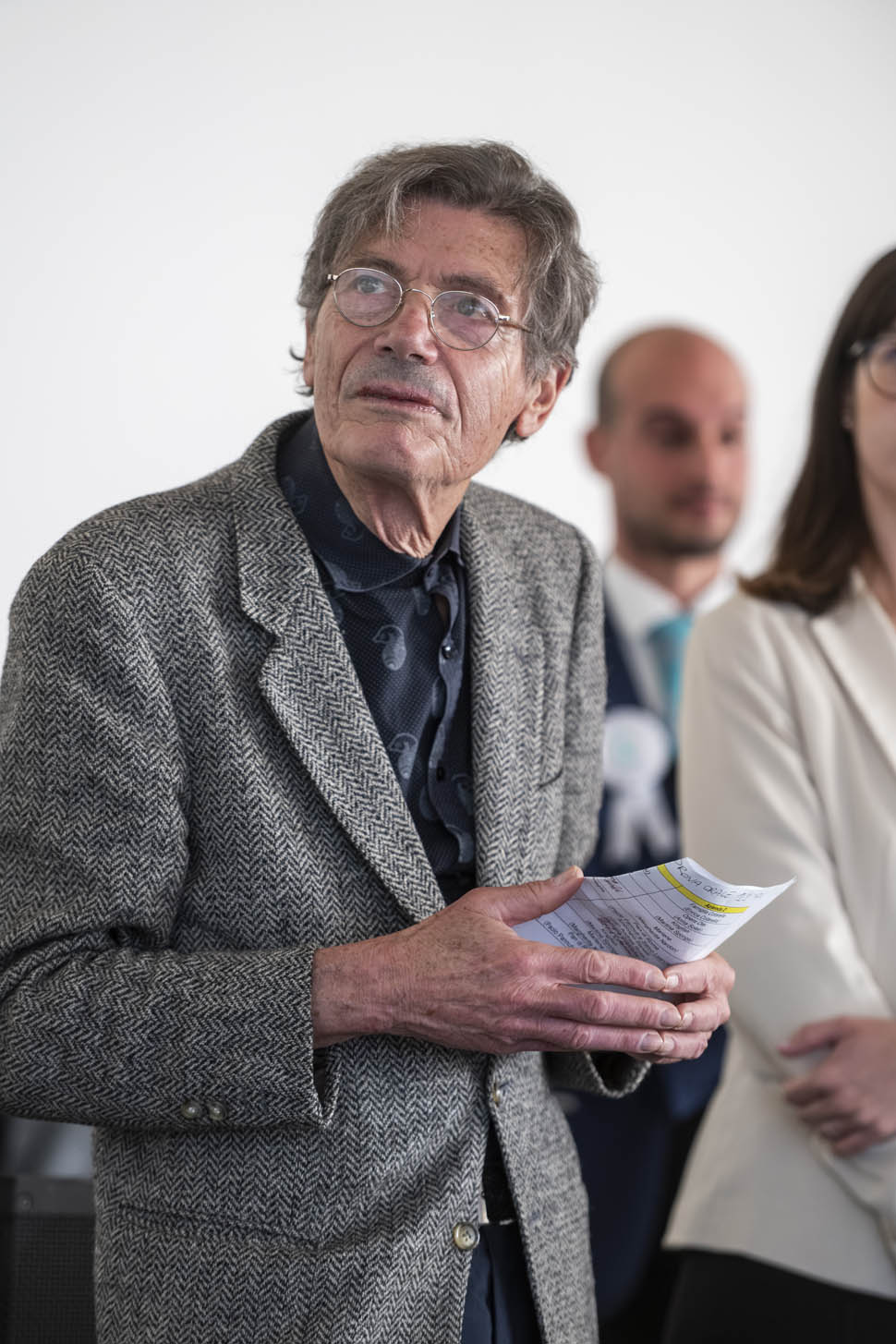
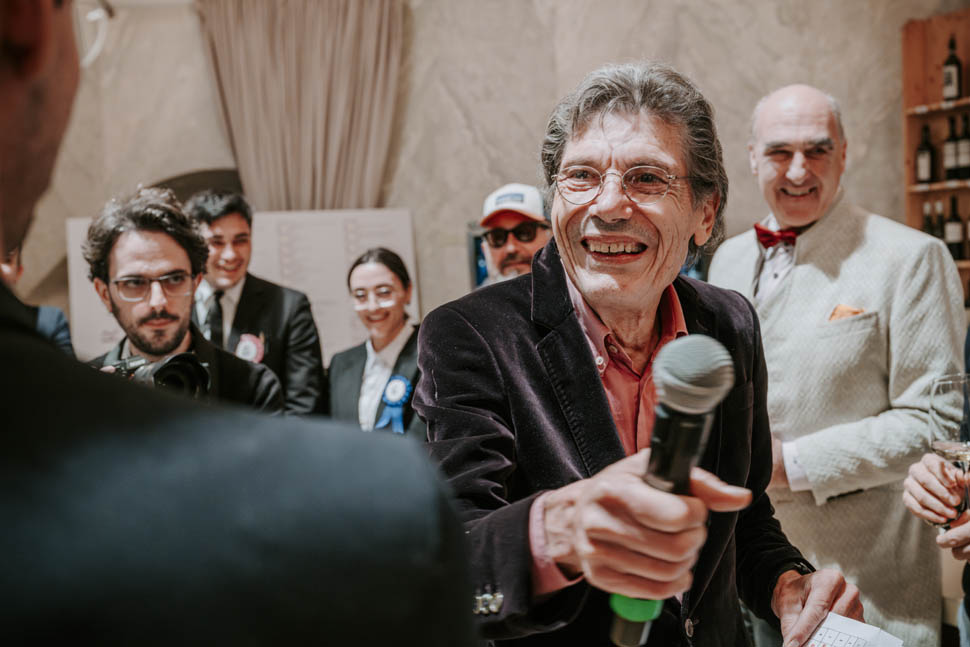
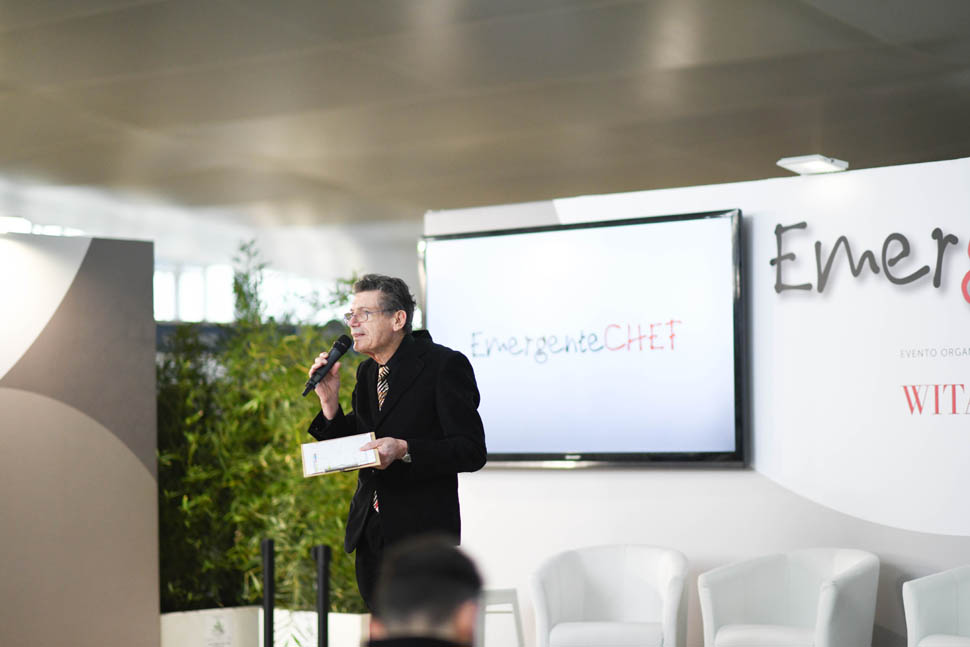
Fifty years of traveling to track down up-and-coming chefs, back when the traveler wasn’t yet a ubiquitous presence on board: if we were to sketch a profile of Luigi Cremona, it would be the polar opposite of the stereotype of the foodie with his legs perpetually tucked under the table. Behind his writing lies a map of international stops capable of “tantalizing the taste buds”—from India to North Cape—and that wide-eyed curiosity for the new that made him a keen observer before he became an author (though always with the intent of exploring cuisine from a broad perspective). Thus, from the “bite-sized” reviews of Porzioni Cremona to the Veronelli Prize, all the way to the Witaly network and innovative event planning with Emergente (a festival conceived together with his partner Lorenza Vitali to launch promising talents in the kitchen, the bakery, and the dining room), this former engineer with a passion for tasting has managed to mark a decisive shift in the narrative of modern gastronomy. Much has been written about his background, but some interesting details are still missing: we chose to interview him to explore the future of the restaurant industry.
You’ve tasted thousands of dishes around the world for decades: in your opinion, how do you evaluate the restaurant experience? Is there room for emotion as well?
“In my view, focusing solely on the food is reductive. We can be moved by a sunset on a stunning terrace, or by a young person who manages the dining room service with incredible maturity. These remain fundamental aspects. .. When it comes to the tasting itself, however, you need a certain openness to interpreting each bite: I have a curious approach, and I believe that’s the foundation of professionalism. Porzioni Cremona was born precisely from the desire to taste many different things and compare them. But the first places where I was able to do that weren’t restaurants!”
So, where were they?
“The markets. There I learned more than one could imagine in 50 years of travel. I often went to Asia, and at that time the bazaars or markets were mind-blowing for someone coming from the West: there was a whole world of scents I didn’t know; I was drawn to the stalls and the artisans selling their wares. In the big markets, my curiosity would spring to life like a spring, and it effectively became the driving force that it still is today. Besides, I had to taste only a little bit—otherwise, after 10 meters, I’d have literally been “knocked out”! (He laughs, recalling the “gastronomic marathons” in India).»
But what about Europe?
“Back then, there was no Internet, nor any specific literature on the state of the restaurant industry. So, when I returned to Europe, I brought a different perspective with me and kept traveling to visit the restaurants that interested me, sometimes driving as far as 500 kilometers in a row. New restaurant openings? We certainly didn’t find them online… we had to track them down in person and, sometimes, share them through a network of friends united by the same passion. Basically, to discover the chefs of tomorrow in the ’80s and ’90s, you could never unpack your suitcase!”
After so many years of experience, what still fills you with a sense of wonder at the table?
“Now I love scouting out and dining at newly opened restaurants, where I catch a glimpse of talent with the potential to ‘take flight’ even in the short term. I don’t limit myself to frequenting the big-name establishments we’re all familiar with, but I pair them with younger, less ‘hyped’ spots. I can say, however, that the overall standard has risen considerably.”
In what way?
“People are eating better and better; chefs visit their colleagues to enrich their own knowledge; wine lists are becoming more extensive; and customers are doing their research everywhere. TV shows like MasterChef, in the early days, led the public to place greater value on cuisine.”
Isn’t there a risk that, with the widespread sharing of dishes on social media or on television, originality will be lost?
“On the one hand, yes; on the other, the human factor plays a huge role. A chef can’t even perfectly replicate the same dish twice during a service, so ‘copying’ recipes—assuming anyone even intends to—will never yield a result identical to the original. The chef’s personality is compelling and decisive.”
Is there a trend (in a positive sense) that you see gaining traction in contemporary dining?
“The leap in quality at luxury hotels. The reason is simple: luxury establishments are expensive, so a dinner there naturally comes with a high price tag and must deliver on its promises to the guest. Care, attention, and meticulous attention to detail are essential in ‘grand hotels’ or in smaller, bespoke establishments.”
What were your best hotel experiences this year?
“I’ll mention a few recent and satisfying ones: Giulio Zoli at Nomos in Rome and, staying in the capital, Viride by Carlo Cracco. Then, both in terms of service and the menu, Il Piccolo Principe in Viareggio continues to shine. Finally, I visited some excellent establishments in South Tyrol: I’m thinking of the tasting menu and my stay at Ansitz Steinbock, a boutique hotel that focuses on personalization.”

Let’s talk now about what are called “trends.” Which one do you absolutely cannot stand in the world of food and wine?
“I confess I never use that expression (he says ironically with a smile, ed.). So-called ‘trends’ may be more or less valid, but in my opinion, they shouldn’t be encouraged just for the sake of it. On the contrary, they should be pursued with a focus on quality. The ones I really can’t stand? Gluten-free, which is everywhere without any real need for it (it’s one thing when people with medical conditions request it, but quite another when it’s widely adopted just to “sell” so-called healthy foods and dishes better). Then there are fermented foods, which have become popular in the wake of their widespread use in fine dining. Or individual ingredients like yuzu instead of a local fruit. It’s better to use lemon if there’s no real need to import the citrus fruit from Japan! Few know how to incorporate it into recipes in a way that enhances the flavor. Finally, serving bread in slices makes very little sense, unless it’s sliced to order: let’s put freshness—not showmanship—first.”
And what about the dining room or beverages?
“I could mention natural wines (obviously there are some remarkable ones; however, there’s a risk of straying into a media trend) and the completely bare table setting. Sometimes the table linens are removed entirely, even when the restaurant’s style would call for them.”
Getting back to restaurant reviews, does it make sense—and is it fair—to emphasize a restaurant’s negative aspects?
“In reviews, the standard is key: we must keep the basic context in mind. Writing objectively about restaurants helps them improve, as long as we distinguish between a pizzeria around the corner and a €200 fine-dining experience. Price serves as a dividing line in terms of quality; we can’t expect excellence when spending a pittance.”
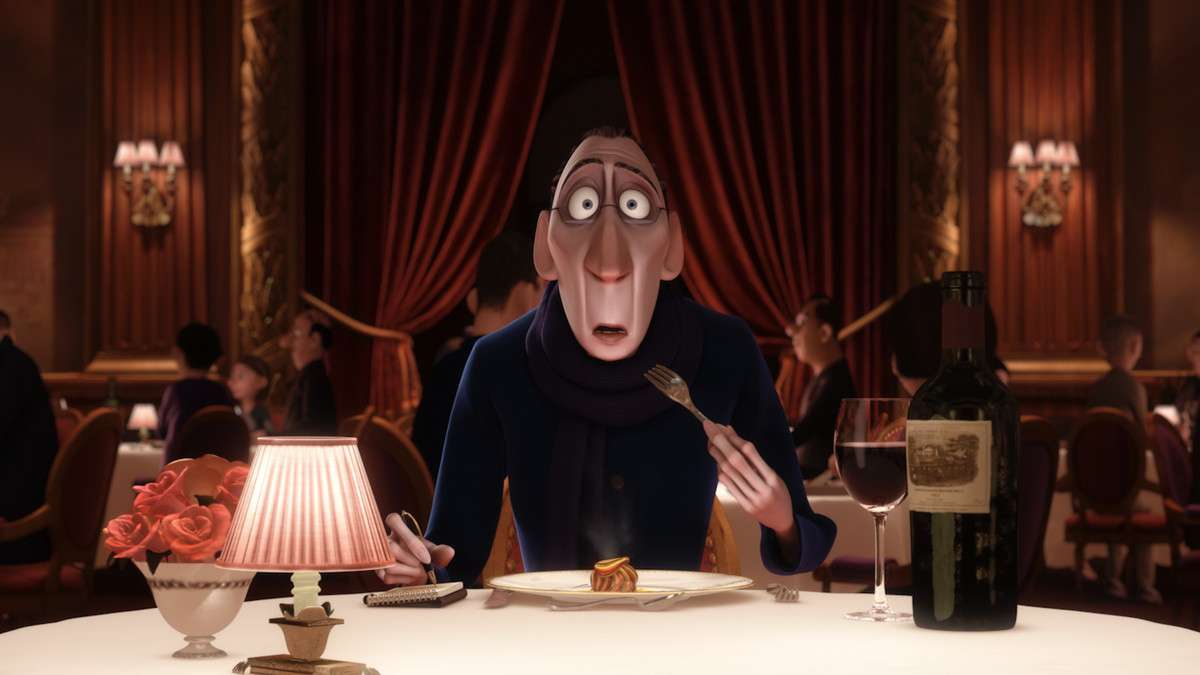
One last question: Everyone says that Anton Ego (the character from the Disney movie *Ratatouille*, ed.) is inspired by you, given the physical resemblance and the role of critic. Do you have any anecdotes about that?
“I see a bit of myself in Ego, since I’ve always had a different build than that of the gourmet ‘with a fair amount of body fat’: the number of tastings driven by curiosity—as I explained earlier—necessarily meant I had to stick to small portions. That stood out, especially in a world still anchored to the stereotype of the potbellied critic; in short, back then the gourmet was synonymous with the gourmand. I didn’t have the physique for the role!”
And in the end, we part ways with certainty rather than doubt.
“Am I or am I not Ego? It’s hard to prove, but today, just as yesterday, the thing that drives me most is to keep tasting.”