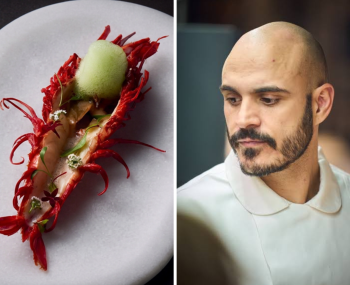
Uni Omakase: a little piece of Japan in the heart of Cervia, with a dedicated chef and server for a party of just 6 people.
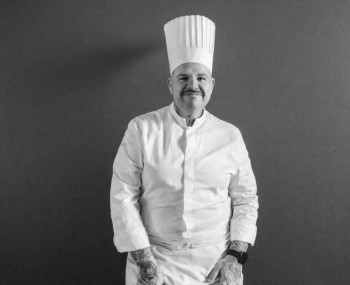
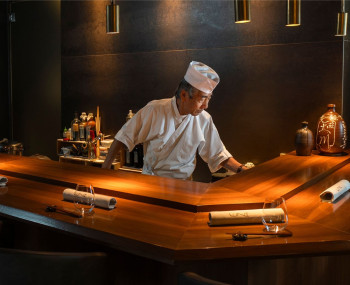
In Japanese, “omakase” means “I trust you.” An expression that embodies a profound human meaning and, in the kitchen, translates into an exclusive and intimate experience: a small restaurant with just six seats, where each guest places complete trust in the experience, sensitivity, and expertise of master chef Kiyomitsu Kabazawa, known as “Kaba.”
THE DIALOGUE BETWEEN JAPANESE TRADITION AND THE ROMAGNA COAST
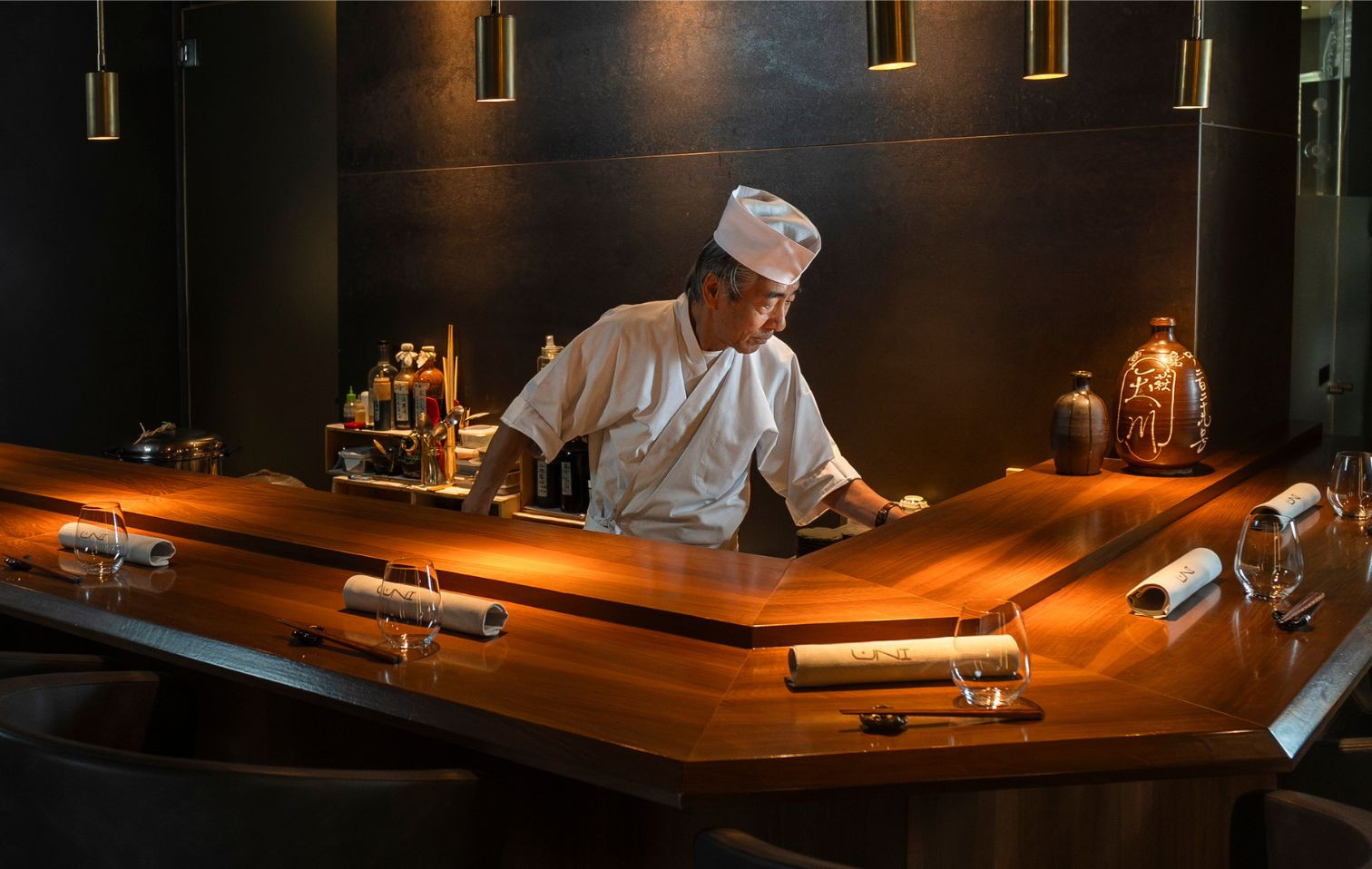
We’re in Cervia, just a short walk from the Porto Canale. The entrance to Uni Omakase resembles that of a speakeasy, but no password is needed to cross the threshold. Once inside, you’re welcomed by an intimate and cozy space that immediately evokes simple Japanese elegance. To call it a little corner of the Land of the Rising Sun is by no means an exaggeration. Here, the idea of experiencing one of Japan’s oldest and most fascinating culinary traditions up close takes shape in a truly successful experience, characterized by care, authenticity, and great attention to detail.
Uni Omakase was established alongside Uni Restaurant as a distinct yet complementary concept, bringing to Cervia a dining experience that is still relatively uncommon in the region. Forbes Italia has named it the first omakase restaurant in Emilia-Romagna: an exclusive culinary journey that celebrates Japanese culinary tradition in its most authentic form. Two distinct identities united by a single vision: to showcase Japan in its purest form—a goal born from the collaboration between Venetian chef Marco Costeniero and Riccardo Cremonesi, who share the same passion for Japanese cuisine and sensibility. While Uni Omakase offers a more exclusive and deeply rooted experience, Uni Restaurant interprets Japanese culinary culture through a more contemporary lens, creating an original dialogue between the traditions of Japan and the Romagna Riviera.
MASTER KYYOMITSU KABAZAWA’S CUISINE IN THE SPIRIT OF THE KAISEKI TRADITION
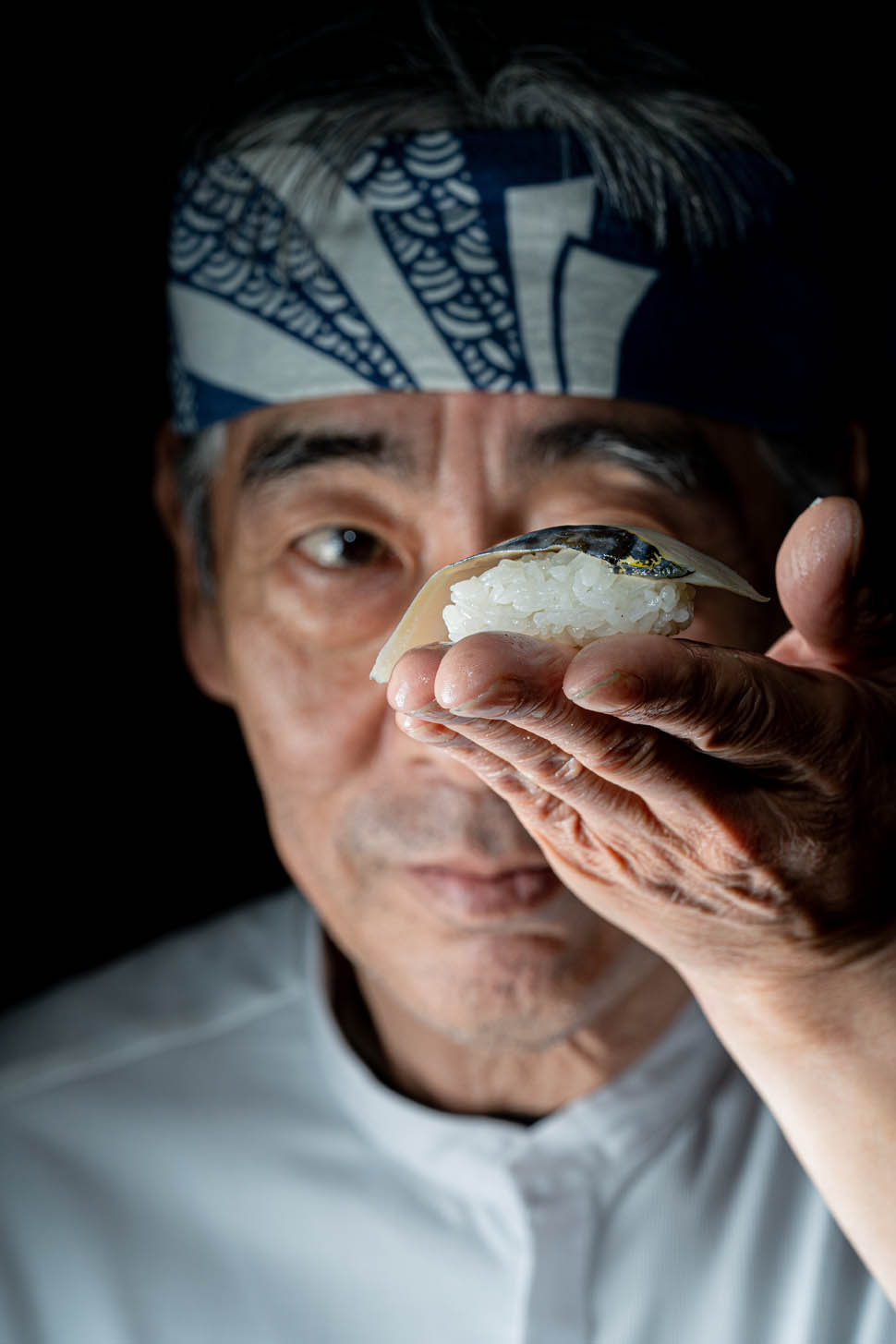
Both historically and today, entrusting oneself to the “master’s” selection means giving oneself the opportunity to discover fine, sometimes little-known ingredients, to follow the rhythm of the seasons, and to place one’s trust in the chef’s expertise, sensitivity, and skill. Trust lies at the very heart of omakase: the relationship between guest and kitchen is transformed, and the distance between them is bridged—not just physically. The guest thus allows themselves to be guided on a journey where each course becomes an expression of the knowledge and experience of the chef who prepares it. After gaining experience in various kitchens, both in his home country and abroad, Kiyomitsu Kabazawa chose to settle in Cervia: at the core of his cuisine lies an ancient Japanese concept of knowledge, in which expertise is passed down from master to apprentice through a journey of instruction, gestures, observation, and daily practice. This is a precious body of knowledge, intended in part to remain private, because mastering this art requires not only dedicated effort but also years devoted to training, discipline, and the pursuit of perfection. It is a rigorous approach—almost an orthodoxy—that conveys the sense of value embodied in every single dish prepared by Kaba and served to his guests.
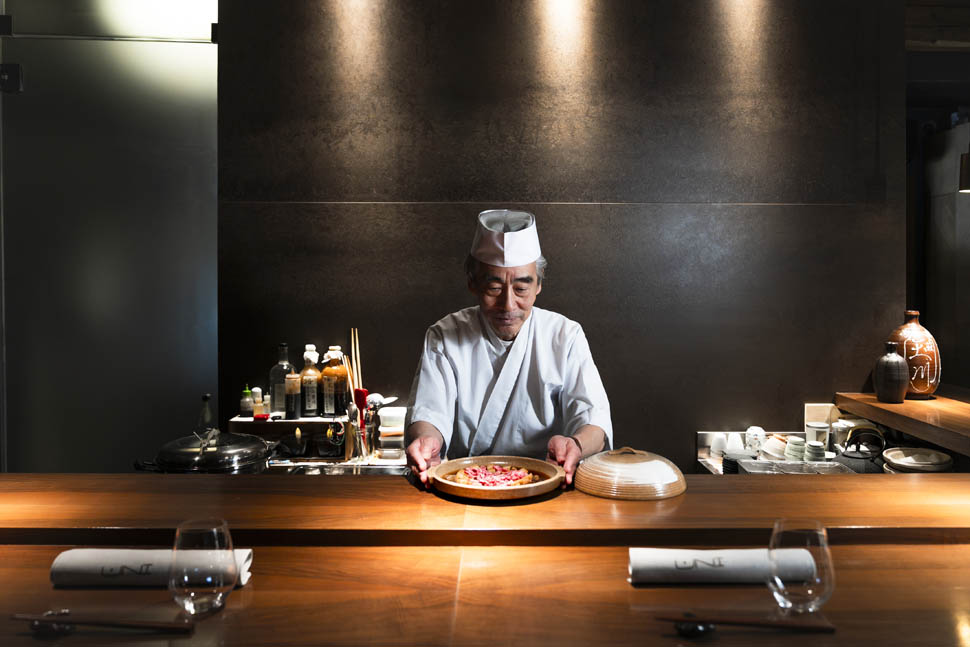
Kaba’s cuisine draws inspiration from Kaiseki, one of the most refined expressions of Japanese culinary tradition, deeply rooted in Zen Buddhist philosophy and a conception of the meal that goes far beyond the simple preparation of food. We won’t delve into the history and origins of Kaiseki, which would merit an article of their own given the wealth of meanings, rituals, and traditions they encompass. Instead, we’ll focus on describing how Uni Omakase has chosen to interpret it: not merely a revival, but an elevation of every course and every ingredient, with meticulous attention to preparation and plating.
BALANCE, RESPECT FOR TIMING, AND DISCIPLINE
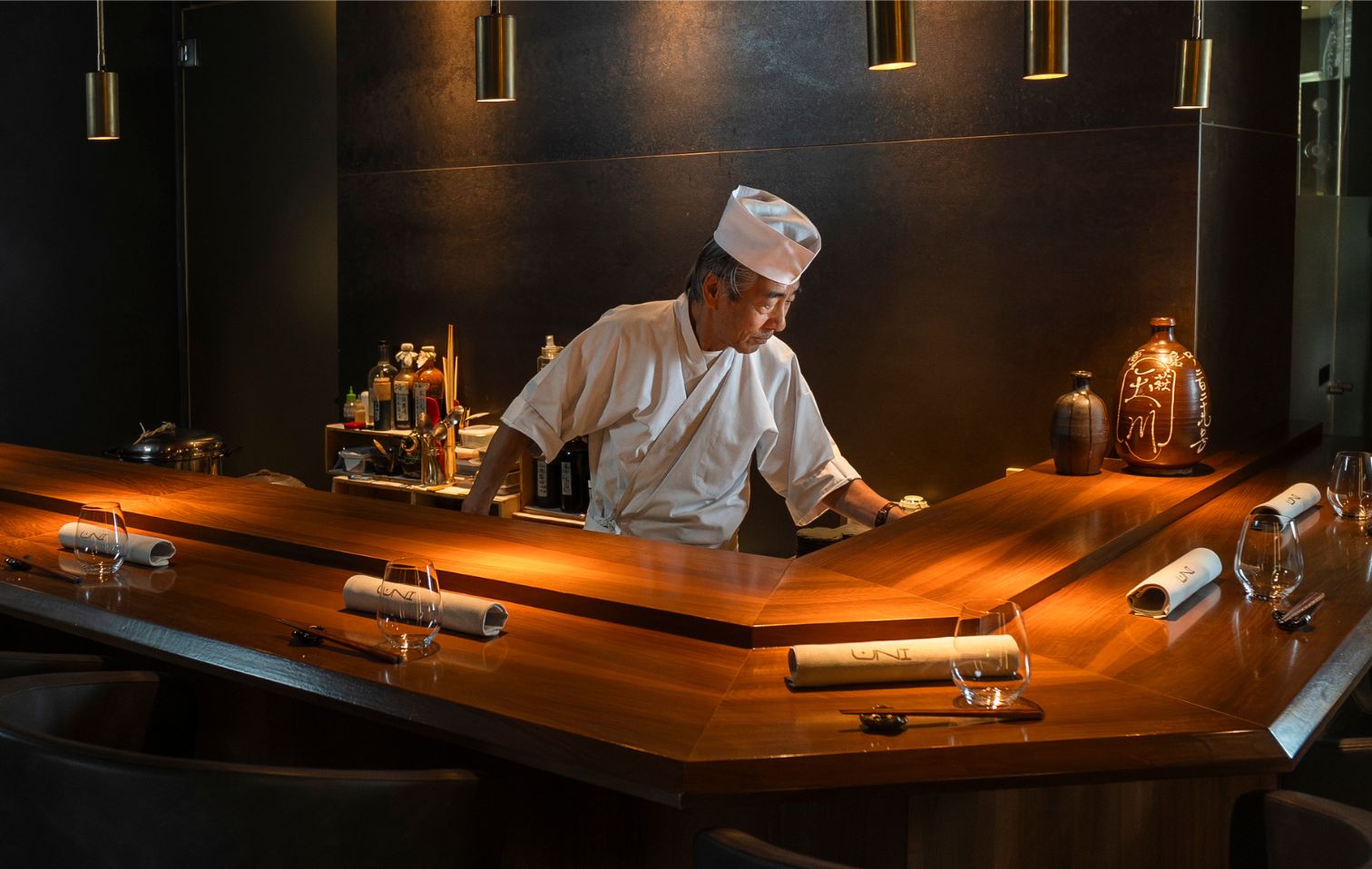
Ogni piatto che Kaba serve è una piccola opera d'arte. Al palato si apre un susseguirsi di sapori ed equilibri capaci di stimolare l'immaginazione e trasportare altrove, fino a farci dimenticare di essere in Romagna. Si parla spesso di stagionalità ma qui non si tratta di un semplice luogo comune: è una scelta consapevole, un principio imprescindibile e una forma di rispetto nei confronti della materia prima e della tradizione. È evidente quanto questa cucina sia distante dall'immaginario più diffuso del sushi, così come siamo abituati a conoscerlo in Occidente. Una volta entrati in contatto con le sue sfumature, con la profondità dei sapori e con una cultura gastronomica tanto articolata, si scopre un universo completamente diverso. L'equilibrio e il rispetto dei tempi sono condizioni imprescindibili, così come la cura del dettaglio. Anche l'utilizzo di pochi strumenti essenziali, come il coltello, le bacchette, il cucchiaio e il mestolo, contribuisce a rendere l'esperienza unica. Ci concentriamo proprio sull'abilità, uno degli insegnamenti che il maestro trasmette all'allievo e che ci fa comprendere come la tecnica non sia una scienza infusa ma il risultato di impegno costante, disciplina e dedizione.
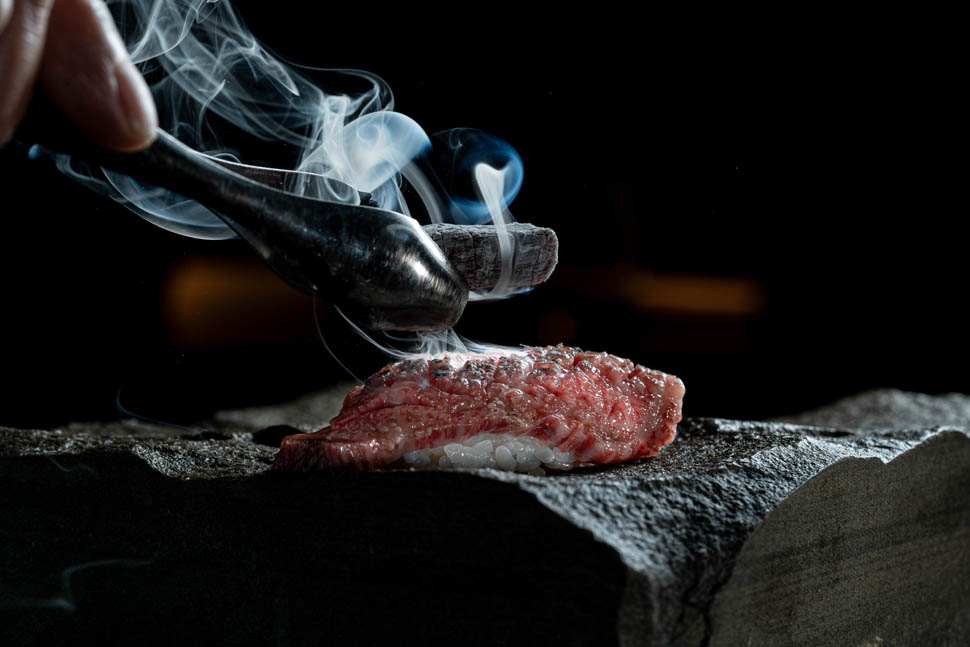
An example? Mastery in the use of the knife, one of the most highly valued qualities among Japanese culinary professionals. Each course is accompanied by a “dōzo,” a Japanese expression that can be translated as “please, help yourself” or, in this context, “please, serve yourself.” The diner responds with an “arigatō gozaimasu,” meaning “thank you” in its most polite form. The meal transforms into an experience that goes beyond the simple act of tasting; it becomes a true ritual, in which each participant recites a phrase of courtesy. Alex Neri oversees the service, guiding guests through the tasting journey, describing each course in detail and advising them on the best pairings. The pairings, in keeping with the culinary concept, also include a selection of sake, which complements the dishes in accordance with Japanese tradition.
THE TASTING EXPERIENCE AT UNI OMAKASE
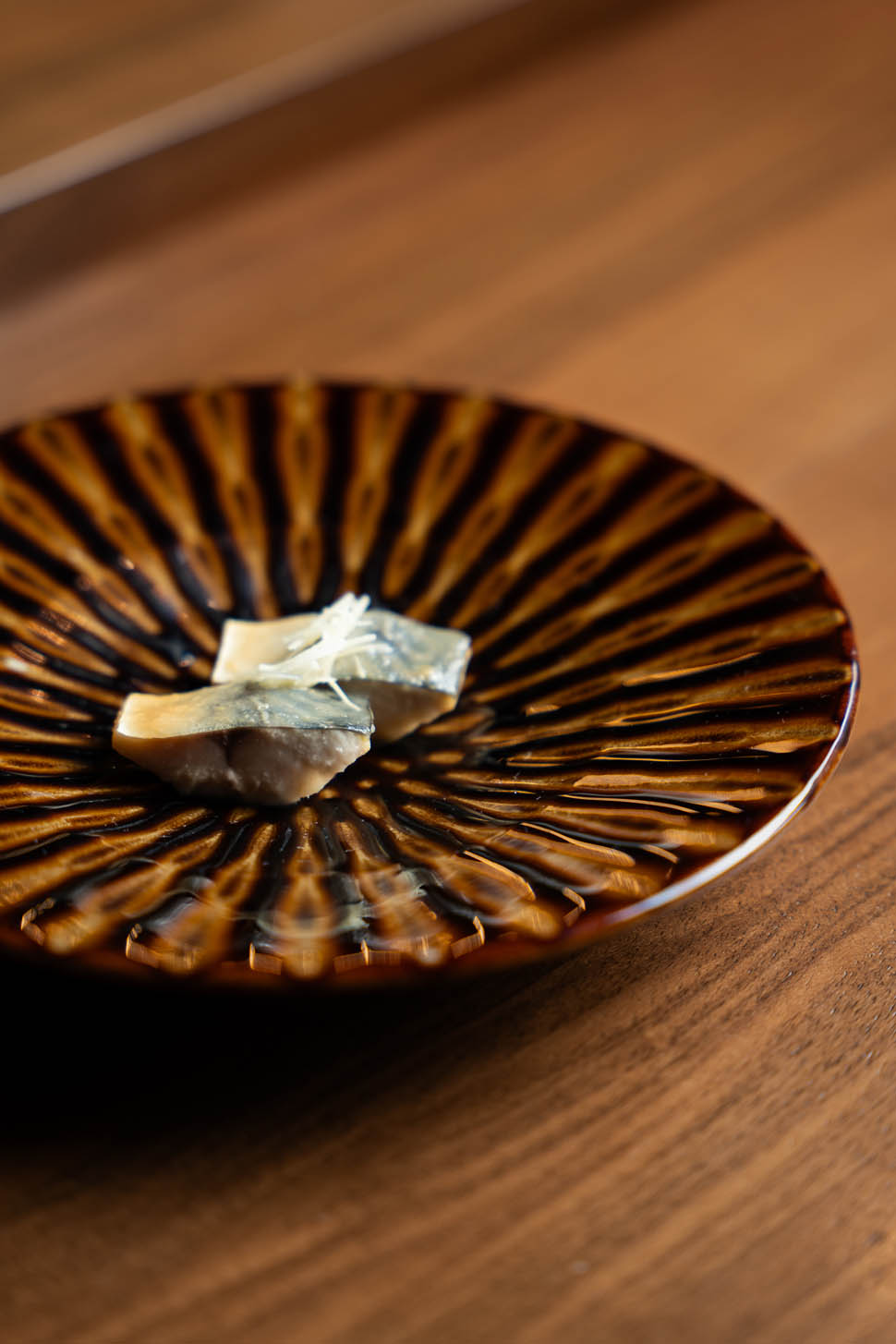
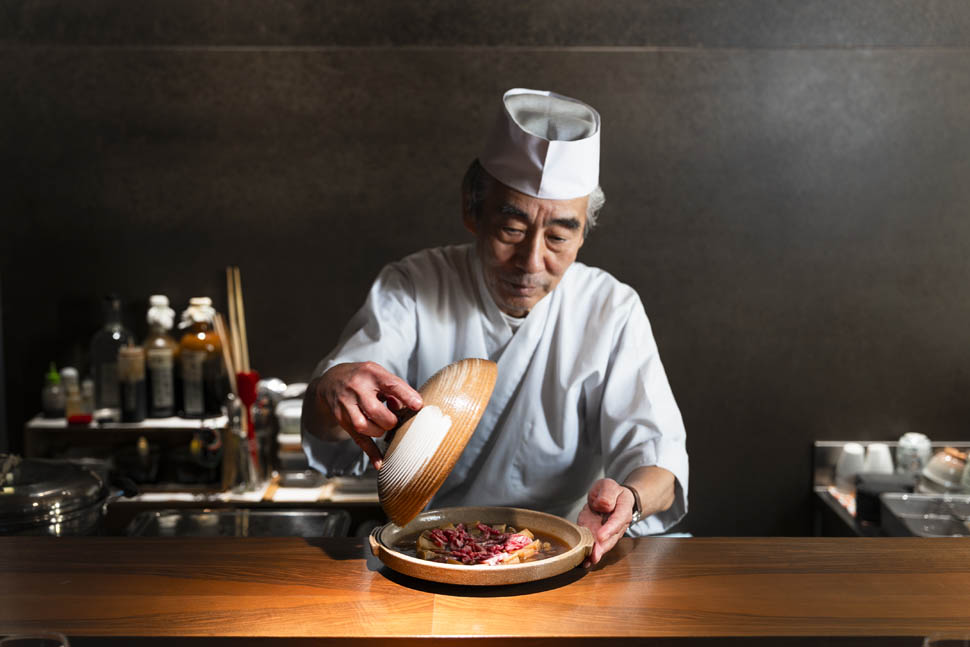
The tasting menu consists of simple yet meticulously prepared dishes. The sequence of dishes created by master chef Kiyomitsu Kabazawa begins with burdock root kinpira, a dish in which the vegetable is stir-fried and seasoned with hon-kaeshi, a sauce made from soy sauce, mirin, sugar, and white sesame. Next comes seared mackerel, accompanied by tosazu—a sweet vinegar flavored with katsuobushi—and cucumber served on the side. Kaba continues with a classic example of Japanese culinary excellence: Wagyu, a traditional Japanese dish in which the prized beef is thinly sliced and quickly seared. Here at Uni Omakase, the care taken with every element of the dish is striking, both in its preparation and in the plating, which is meticulously crafted down to the last detail. This attention to detail is not merely a stylistic exercise but reflects a naturalness inherent in Japanese dedication. Soba, the classic buckwheat noodles, is served in a dashi broth with duck, scallions, and yuzu: the service invites you, in the strictest Japanese tradition, to sip the broth directly from the bowl.
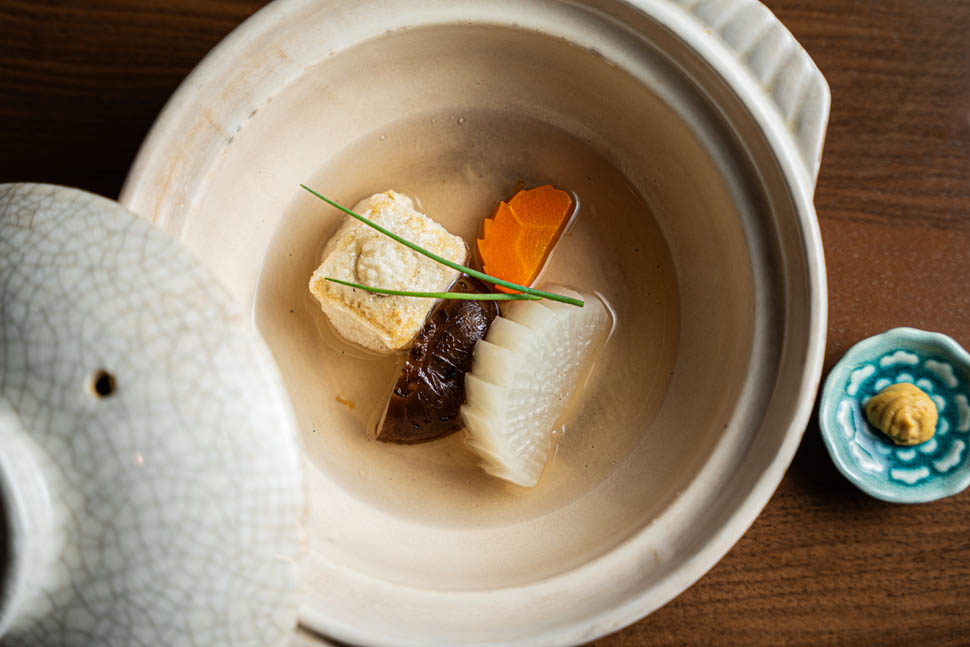
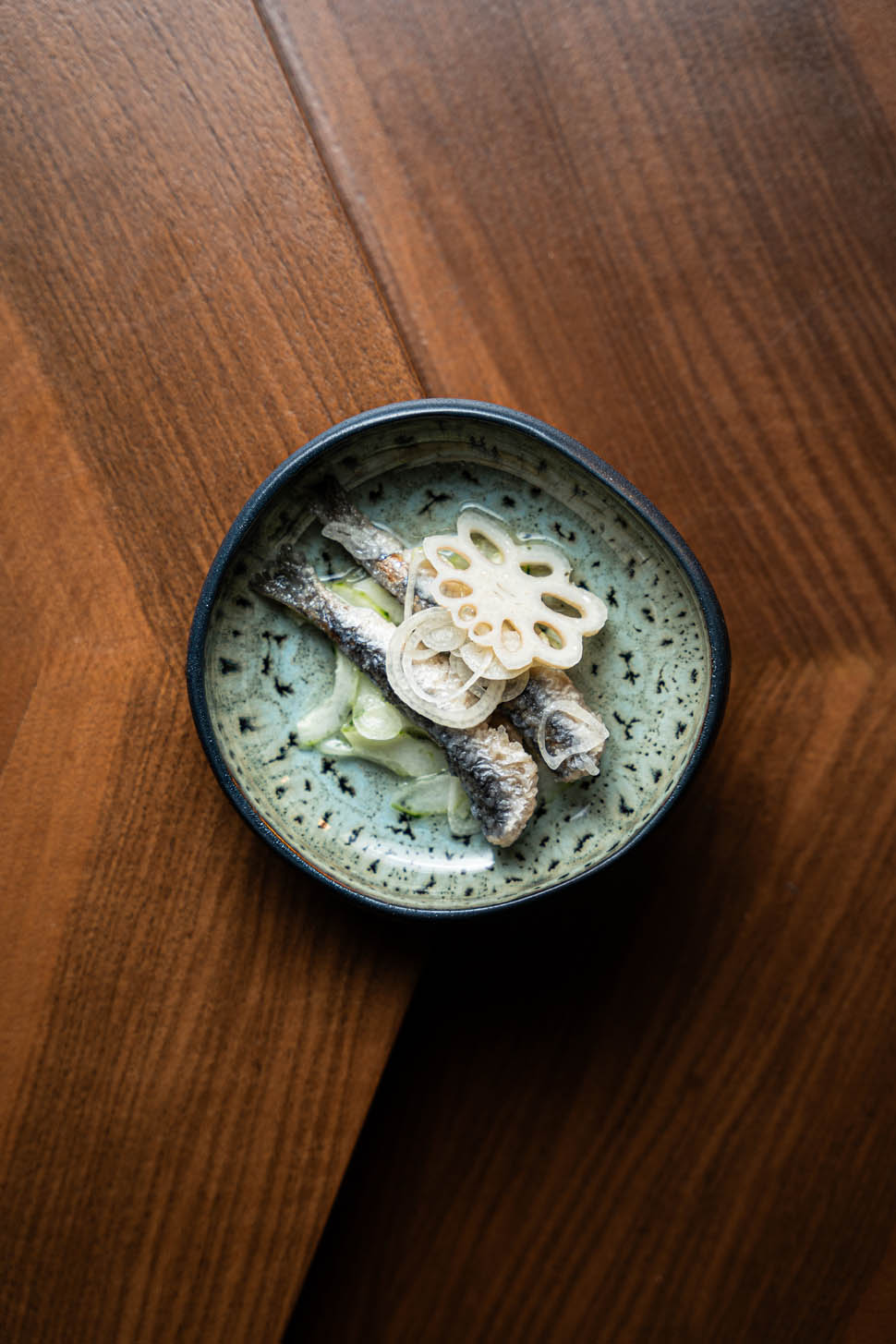
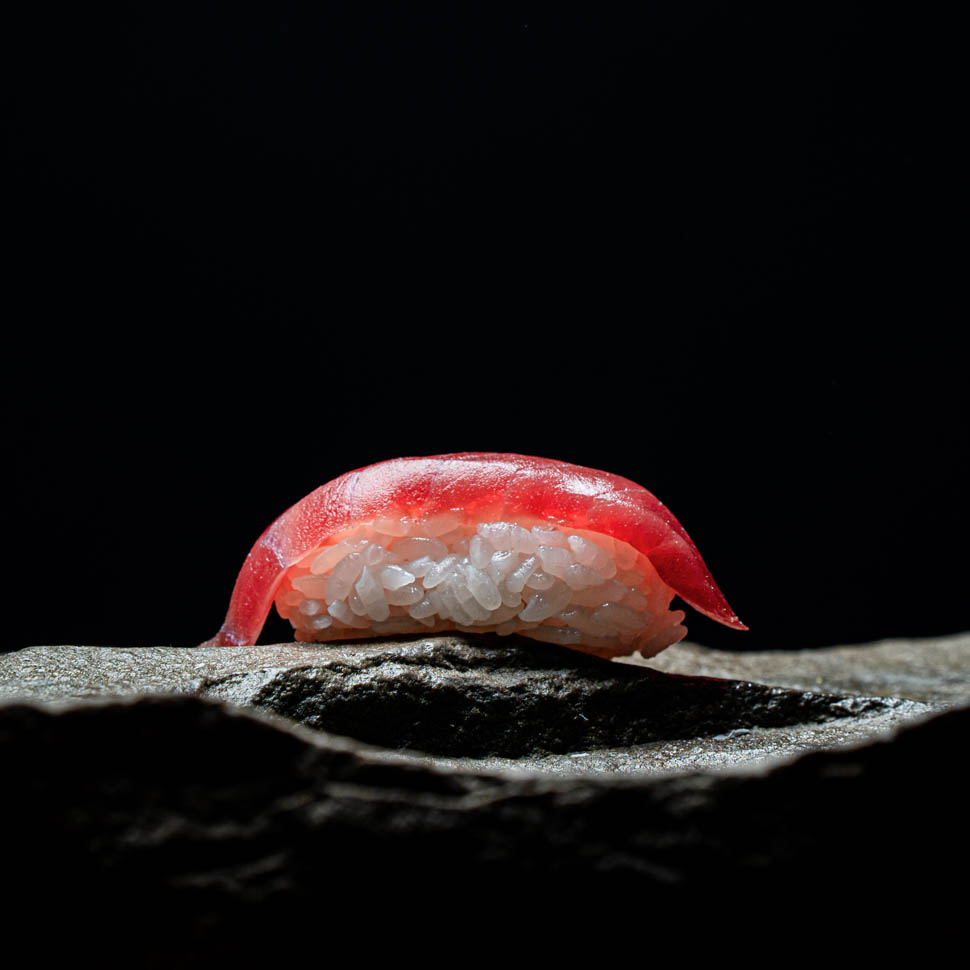
The tuna is served in two different cuts: a thicker cut, with a richer texture and intense flavor, and the akami, the central cut closest to the backbone, which is tender and lean. It is accompanied by a delicate tamari sauce flavored with katsuobushi, kombu, wasabi, and green shiso, which adds a refreshing, minty note. Next comes the sea bass, served with butter, salt, and a splash of lemon, and a wonton—a dumpling filled with wagyu beef, mixed vegetables, soy sauce, and sesame oil. The Japanese rice and steamed eel are seasoned with unagi tare, a signature sauce that the master chef has been perfecting for twenty years, made with soy sauce, mirin, sugar, and eel; the dish is finished with sansho powder and citrus spices. The savory course concludes with sushi. It begins with a Saikou Maki with tuna, wasabi, and soy sauce, to be eaten the Japanese way—with your hands and in a single bite. Next comes Kazari sushi, a dish that places particular emphasis on aesthetics, featuring salmon, fish roe, egg yolk, and green shiso leaves, arranged on a bed of nori seaweed and soy sauce. Finally, classic abalone sushi, accompanied by hon wasabi—in its purest form, grated directly from the root—and soy sauce. The meal concludes with Daifuku mochi, a rice flour-based dessert filled with anko, a paste made from Japanese red beans (azuki).
Served alongside it is Genmaicha, a green tea infused with toasted rice; its soft, grassy, nutty notes help cleanse the palate at the end of the meal. Daifuku is prepared right in front of the guests by Master Kaba. It’s a captivating moment that bridges the gap between the kitchen and the guest and takes on special significance when the goal is not merely to offer a culinary experience but to guide guests on a journey of cultural discovery.
BEYOND THE TASTING: THE VALUE OF A SHARED EXPERIENCE
Sitting at Uni Omakase’s chef’s table means experiencing much more than a simple tasting. It means engaging with the dishes and traditions of a millennia-old culture, while also rediscovering the value of sharing—both with fellow diners and with the chef. It means understanding, through direct experience, just how much work, study, discipline, and dedication lie behind each dish and how much value each individual course holds. It is precisely this intimate and participatory aspect that makes the experience unique: a small journey capable of sparking curiosity about Japan and a desire to visit—or, for the lucky few, to return.
Uni Omakase
Address: Via Cavour, 14, 48015 Cervia (RA)
Phone: +39 349 259 6204
Website: UNI Omakase