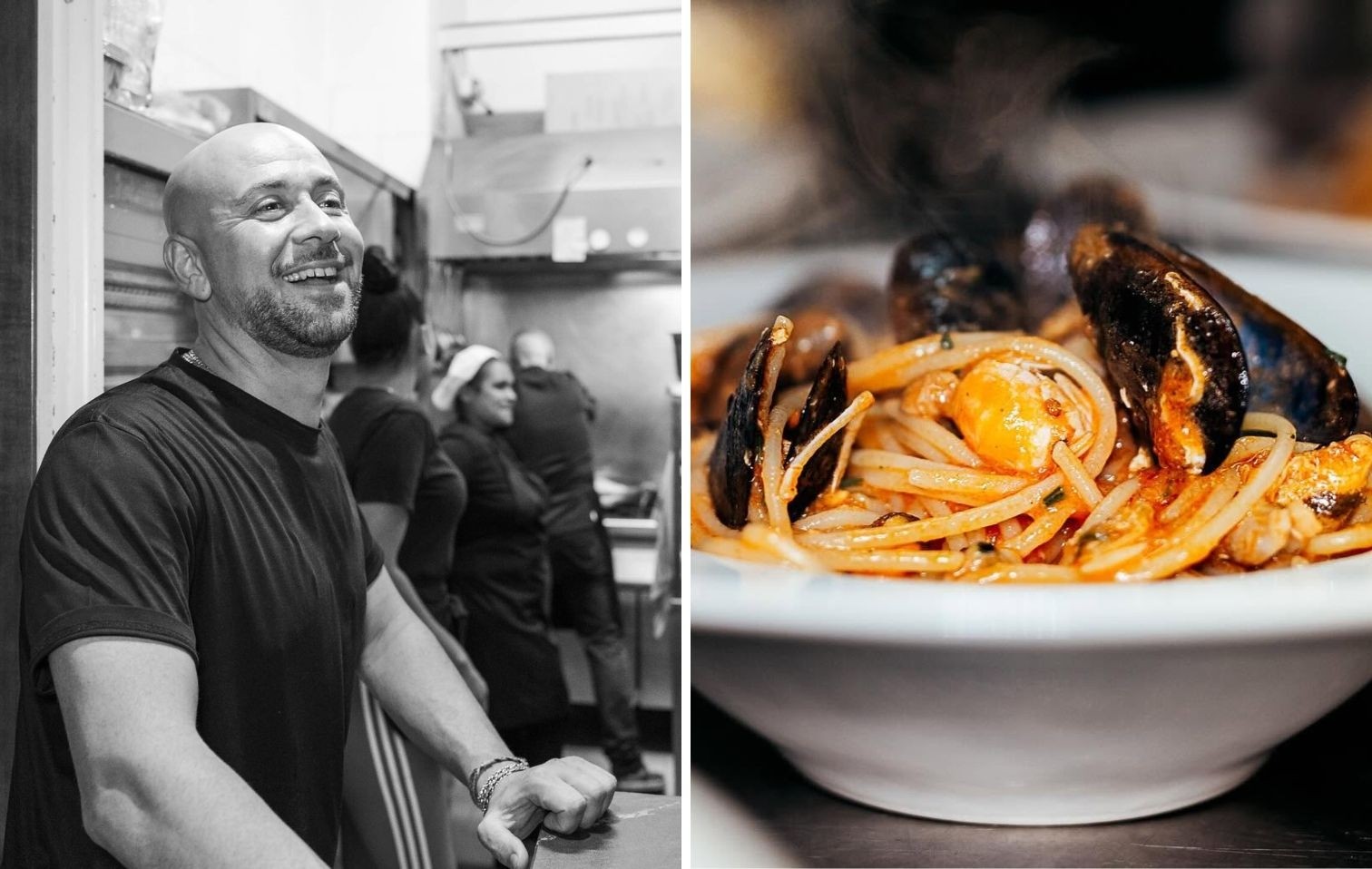
Stefano De Lisi bids farewell to his customers after more than two decades at the helm of his restaurant on Viale Amendola. He explains that the decision isn’t due to a lack of work, but rather to a desire to change his life. And he issues a warning about the future of the city’s restaurant scene: “We need better services.”
Twenty-one years of tables, pizzas, regulars, and relationships built day by day. Then came the decision to close the shutters and turn the page. In La Spezia, Al Quadrato bid farewell to its patrons with a final, well-attended evening, bringing an end to a long adventure in the restaurant business. For Stefano De Lisi, founder and owner of the restaurant on Viale Amendola, this is not, however, a farewell forced by financial difficulties: there was no shortage of work even in the final days, but his priorities have shifted. “I still can’t believe it. We’ve been going for 21 years—a rarity in an era when the restaurant industry has changed and establishments typically stay open for just one to three years. This means we were like family,” De Lisi tells La Nazione, recalling the affection shown by customers during the closing celebration.
A Clientele Built on Human Connections
The turnout on the final evening was positive, confirming the bond the restaurant had forged with the local community. “It’s been a wonderful adventure, and this response speaks for itself. I thank all our customers and the city: the turnout for the party was overwhelming, and if we hadn’t done a good job, it wouldn’t have happened. For many, we were a second home,” explains the owner.
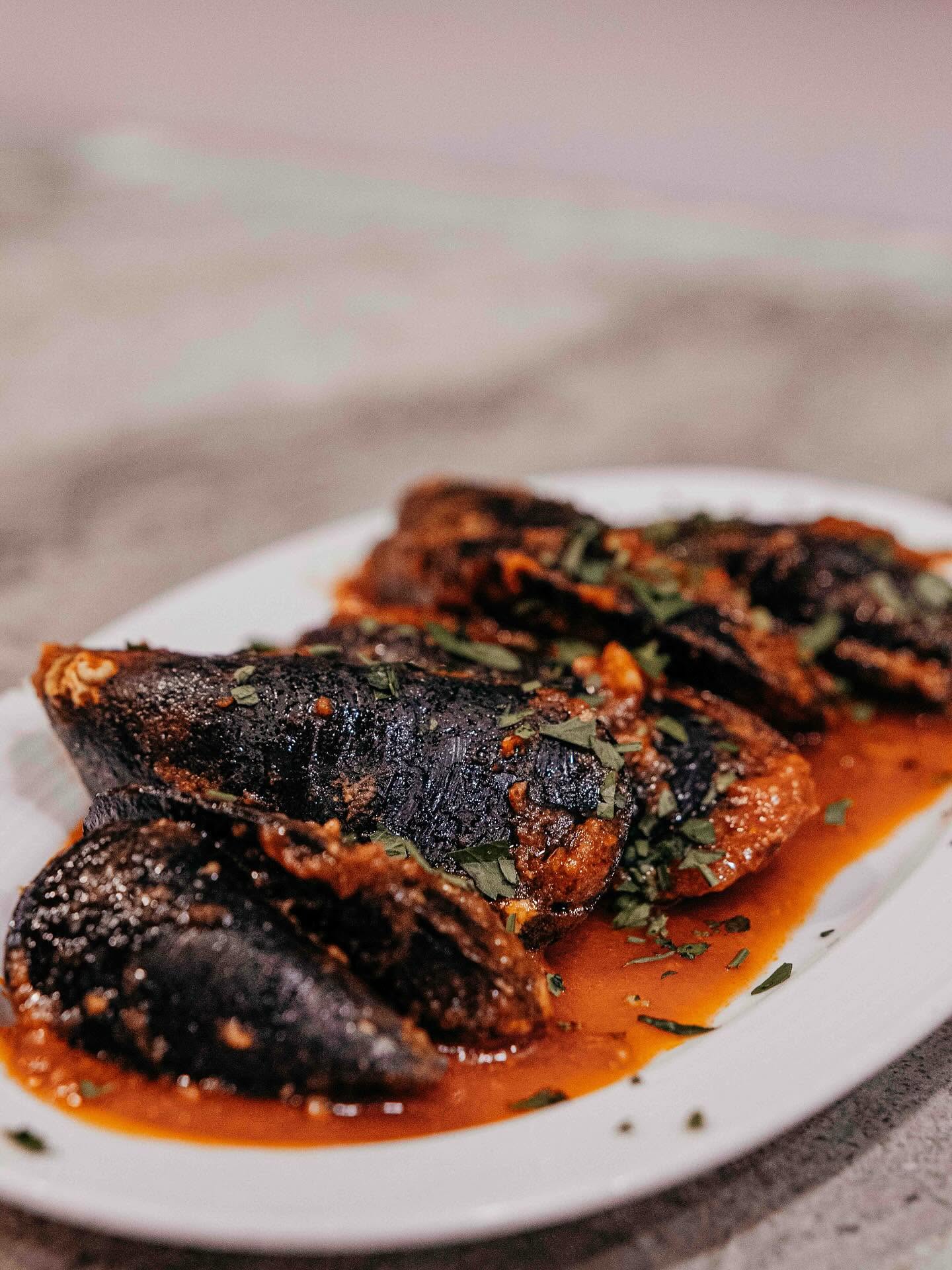
According to De Lisi, a key factor in the success was precisely the ability to welcome all kinds of people, without making the bill or social status a criterion for distinction. “We aren’t people who worship the god of money; we value human relationships, regardless of social class: from doctors to factory workers, we’ve never made distinctions. This has been the key to our success, especially since 70% of our clientele was local.”
From His Father’s Example to the Decision to Go Independent
The decision to open Al Quadrato is part of a family history long tied to the world of work and local journalism. De Lisi cites his father, who was associated with *La Nuova Spezia*, a newspaper founded by his grandfather Angelo, who had come to La Spezia from Stella Cilento. More than two decades later, the overall outcome remains positive. The closure does not erase the path he has built, but marks the moment when De Lisi chose to devote his time and energy to a different personal balance.
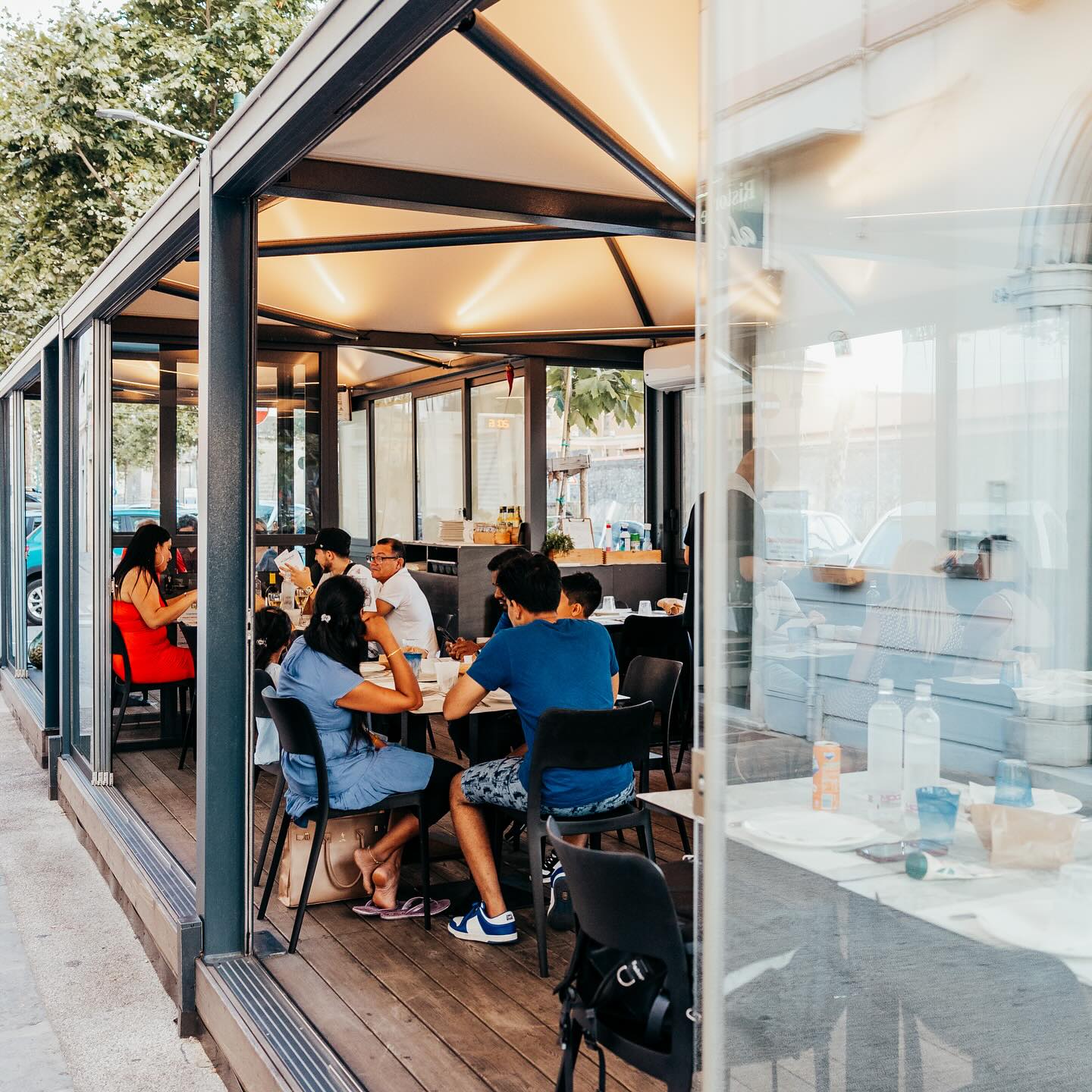
“The ‘hit-and-run’ approach has changed the restaurant industry”
This decision comes at a time that, according to the restaurateur, presents challenges for those working in the industry. De Lisi observes a proliferation of establishments lacking a distinct identity and laments a decline in professionalism, while customer behavior is increasingly focused on speed and saving money. “We’re heading toward the ‘grab-and-go’ model; running a restaurant has become everyone’s job, but in reality, it’s all about sacrifice: no Christmas, no New Year’s, no sick days—you just keep working.” It’s a profession that demands constant availability, often incompatible with a life marked by regular hours and days off. It is also this realization that led to the decision to close, despite a clientele that remained loyal until the very last day. De Lisi then broadens the discussion to the city’s transformation as a tourist destination. He acknowledges the initiatives undertaken by the municipal administration but believes that the growth in visitor numbers must be accompanied by adequate organization of services.

A New Life Between Short-Term Rentals and New Projects
At 43, De Lisi decided to change his perspective and make more time for leisure. “I realized that life is more important—as is free time for oneself; until you’re 40, you have to push yourself, but now that I’m 43, I’m looking for a different quality of life,” he explains. The next chapter of his career will revolve around short-term rentals, a business he began investing in three years ago. It’s also possible that another project may take shape in the future, one to be developed without rushing. For Al Quadrato, this marks the end of a 21-year journey. For its founder, however, it’s time to measure success in terms other than work: the time he’s regained, the chance to pause, and the freedom to choose what comes next.