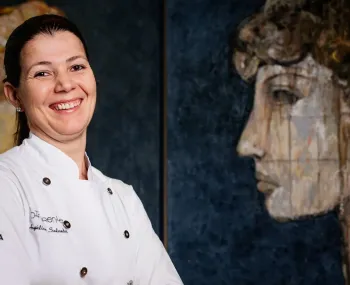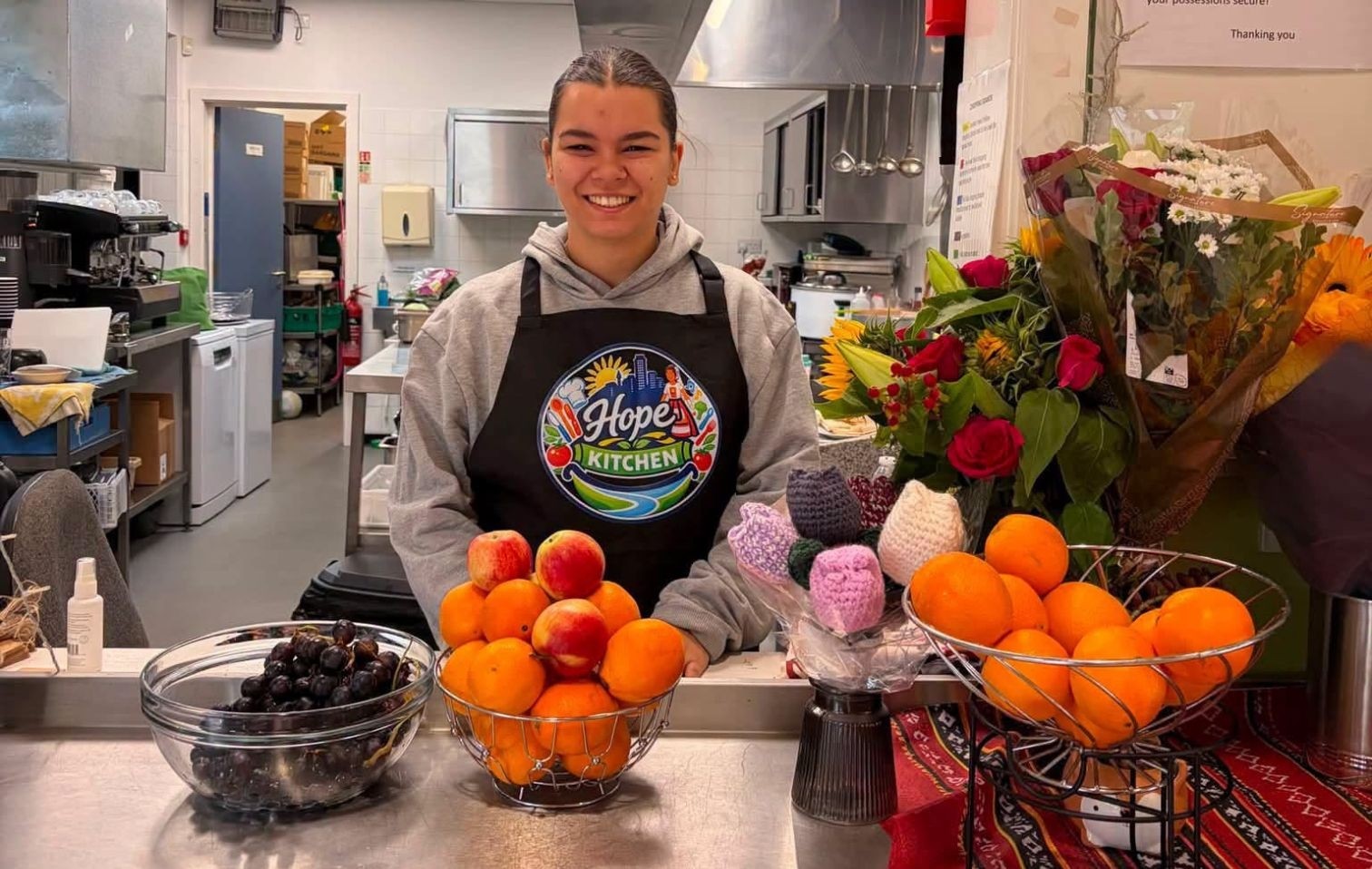
A scent of redemption and steaming dishes wafts through the streets of Sheffield, bringing a breath of fresh air to one of the city’s most challenging neighborhoods. In Longley, Gabriela Socol has left her mark—and her cooking spoon—on a new community dining space: the Hope Kitchen Social Cafe, a project created to nourish the body, combat isolation, and rethink the value of food from the ground up.
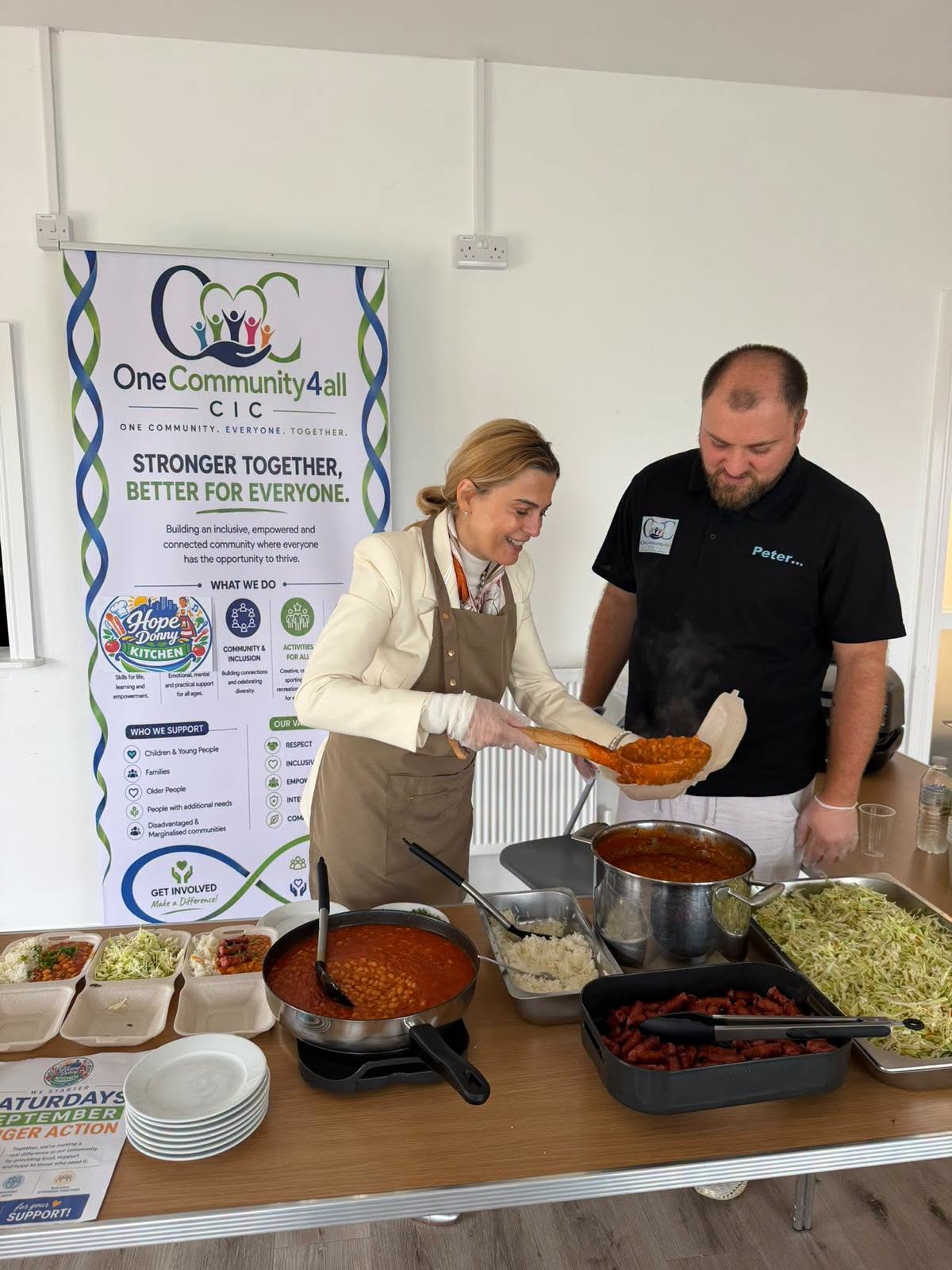
Located at the Longley4Green community center and supported by funding from NHS South Yorkshire (as part of the “This Is Us” program), the café is set to become a neighborhood hub, open three days a week. The real innovation lies in its approach to the food pantry: there are no fixed prices here, but rather a system based on voluntary and responsible contributions. Those who can afford it contribute for themselves or buy a meal for someone in need; those going through a difficult time find a hot meal and a smile without any judgment or economic or social barriers.
Quality Food Against Prejudice
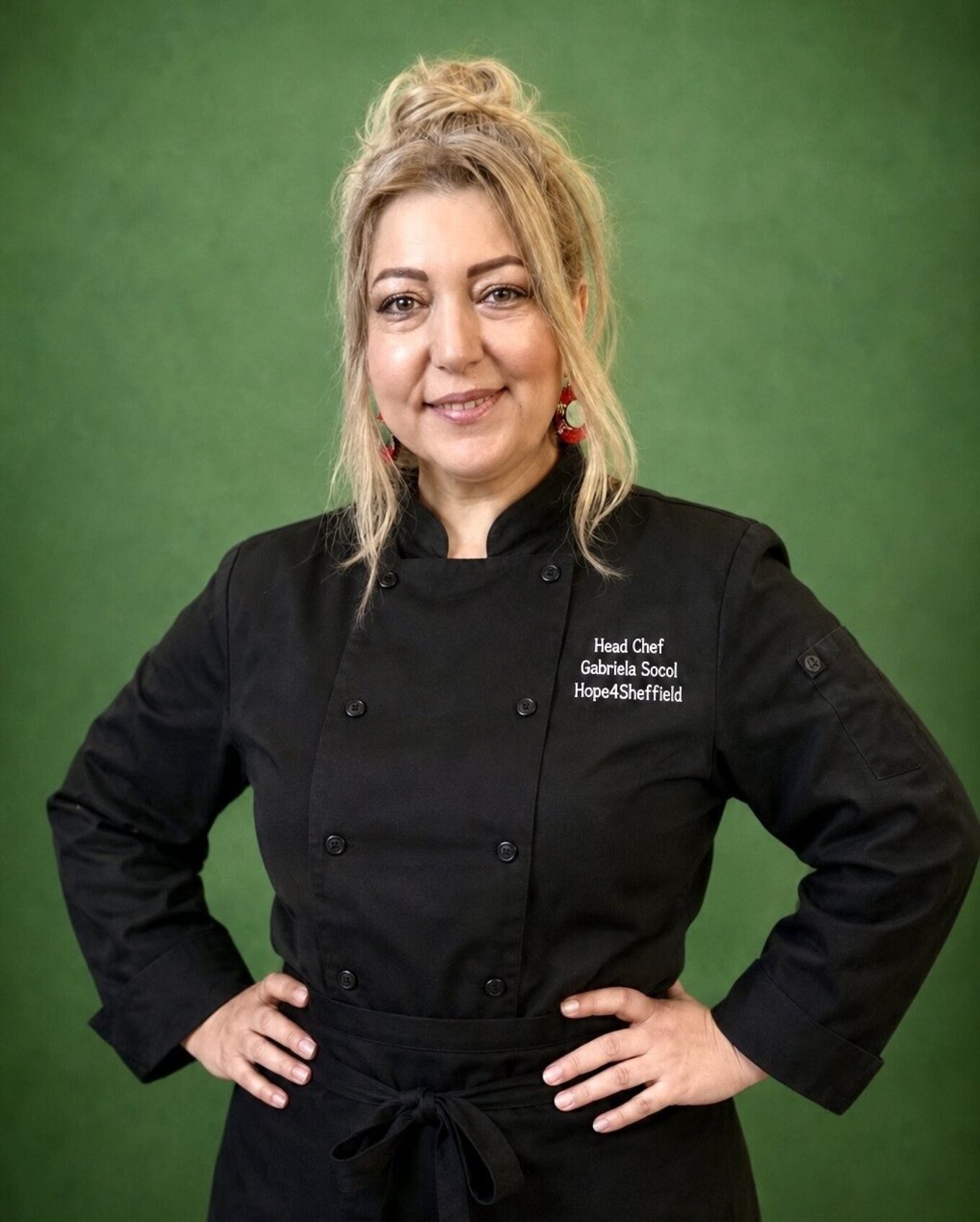
To create the Hope Kitchen menus, the kitchen draws heavily on food surpluses from local supermarkets and weekly deliveries from the FareShare network. But anyone who thinks these are second-rate ingredients is sorely mistaken. For 48-year-old Gabriela Socol—who has a solid background as a head chef, hands-on experience in Japan, and a deep understanding of food recovery dynamics gained through social enterprises like Food Works—quality is never negotiable: “There’s still a false belief that surplus is synonymous with waste or low quality. We’re here to completely debunk this myth: every dish is crafted, prepared fresh, and cooked strictly from scratch,” she told the BBC.
Education in Taste and Widespread Well-Being
The decision to establish a presence in Longley was no accident. As Barbara Russell, the community center’s business development manager—also interviewed by the BBC—points out, the neighborhood faces significant levels of economic hardship, loneliness, and health-related challenges, where nutrition often plays a decisive role. The Hope Kitchen aims to go beyond simply serving meals, transforming lunchtime into a true informal academy of nutritional well-being. The goal is to spark curiosity, teach the basics of home cooking, and offer viable alternatives to highly processed and industrial foods, demonstrating that eating in a healthy, tasty, and wholesome way is possible even on a limited budget.
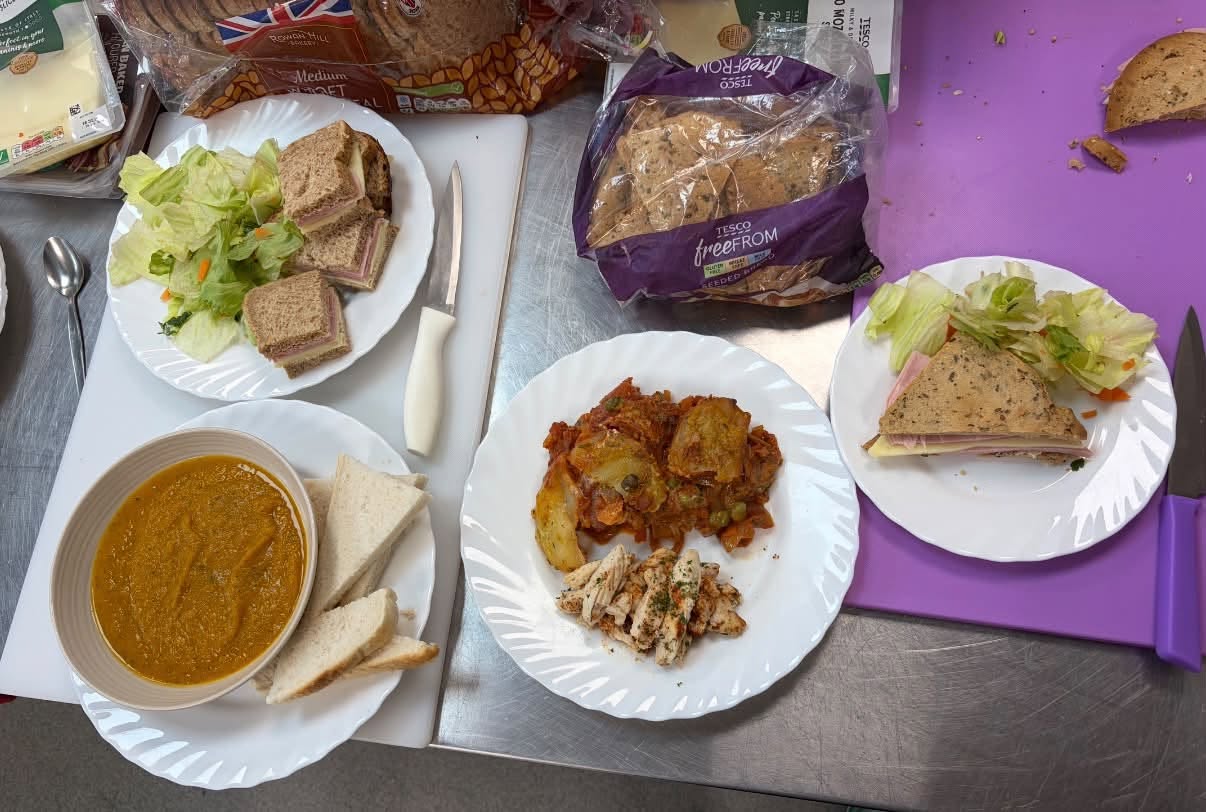
Through shared meals and the warmth of kindness, Hope Kitchen demonstrates how good food can become an extraordinary social catalyst: a simple ingredient capable of creating bonds, supporting families in the community, and restoring dignity and health to the entire neighborhood.