In Paris, Vantre has chosen to be open only Monday through Friday and has built its success on a simple formula: free-spirited, seasonal French cuisine; bold dishes without unnecessary complications; and a selection of natural wines at the heart of the dining experience.
The Concept
Saturday and Sunday? Closed. In Paris, there’s a bistro that has decided to close on the very days when many restaurants are packed. Vantre is open only Monday through Friday, and despite this unconventional choice, it has become one of the most highly regarded spots among food industry insiders in the French capital. The concept is simple only on the surface. On one hand, the cuisine avoids unnecessary complications but doesn’t shy away from surprises; on the other, there’s a strong focus on seasonal ingredients and natural wine. In between lies an intimate atmosphere that makes Vantre one of those small Parisian spots where the cuisine manages to be ambitious without adopting the rituals of haute cuisine.
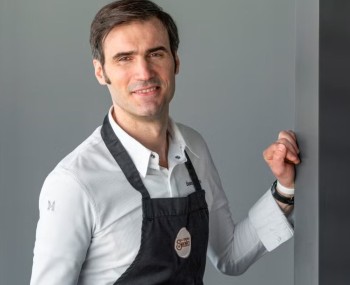
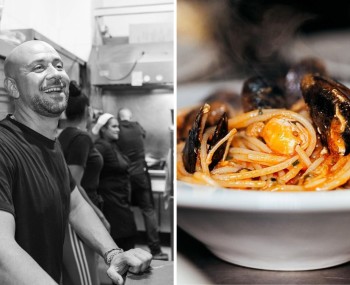
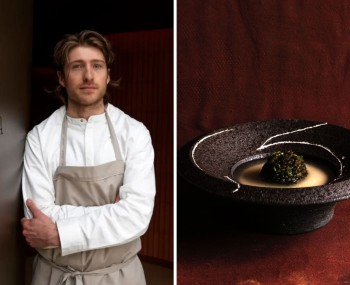
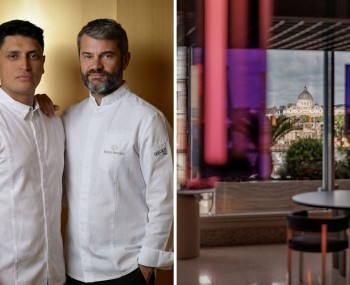
The restaurant, recently featured by 50 Best in a roundup of the city’s best bistros, is a joint venture by chef Jacopo Chomel and sommelier Marco Pelletier, who met while both were working at the Bristol. The experience they gained at one of Paris’s most prestigious hotels—rather than leading to another formal restaurant—inspired the two to create a more intimate and casual setting, where the focus is on the ingredients and the wine. Vantre belongs, in fact, to that new generation of bistros that carries on the legacy of “bistronomie”—the movement that emerged in France in the 1990s with the goal of moving away from the rigidity of haute cuisine to bring ingredients, creativity, and accessibility back to the forefront. But here, the key word is, above all, freedom. Chomel’s cuisine draws on deeply French influences and treats them with an open, playful approach that’s not particularly bound by rules.
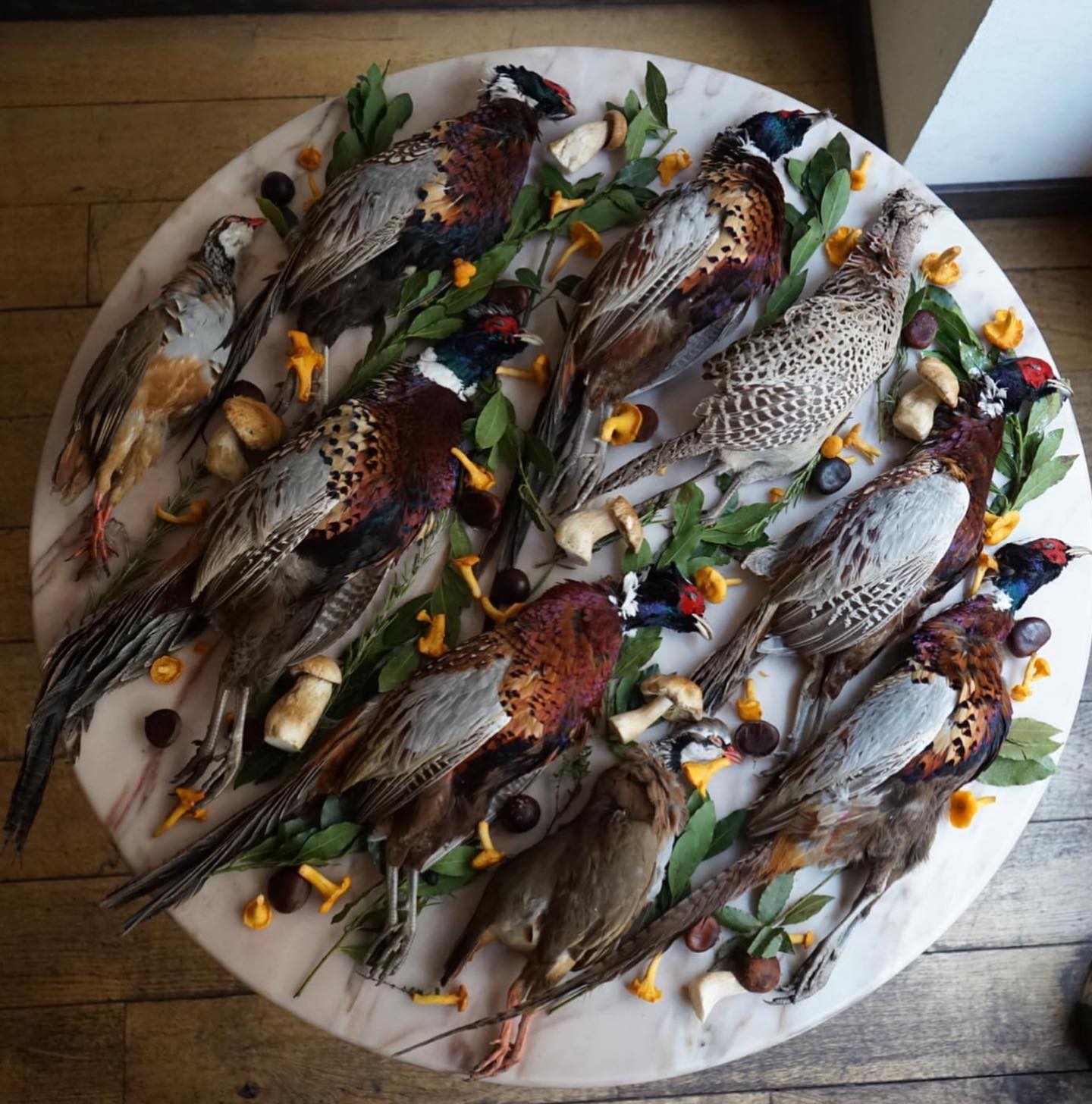
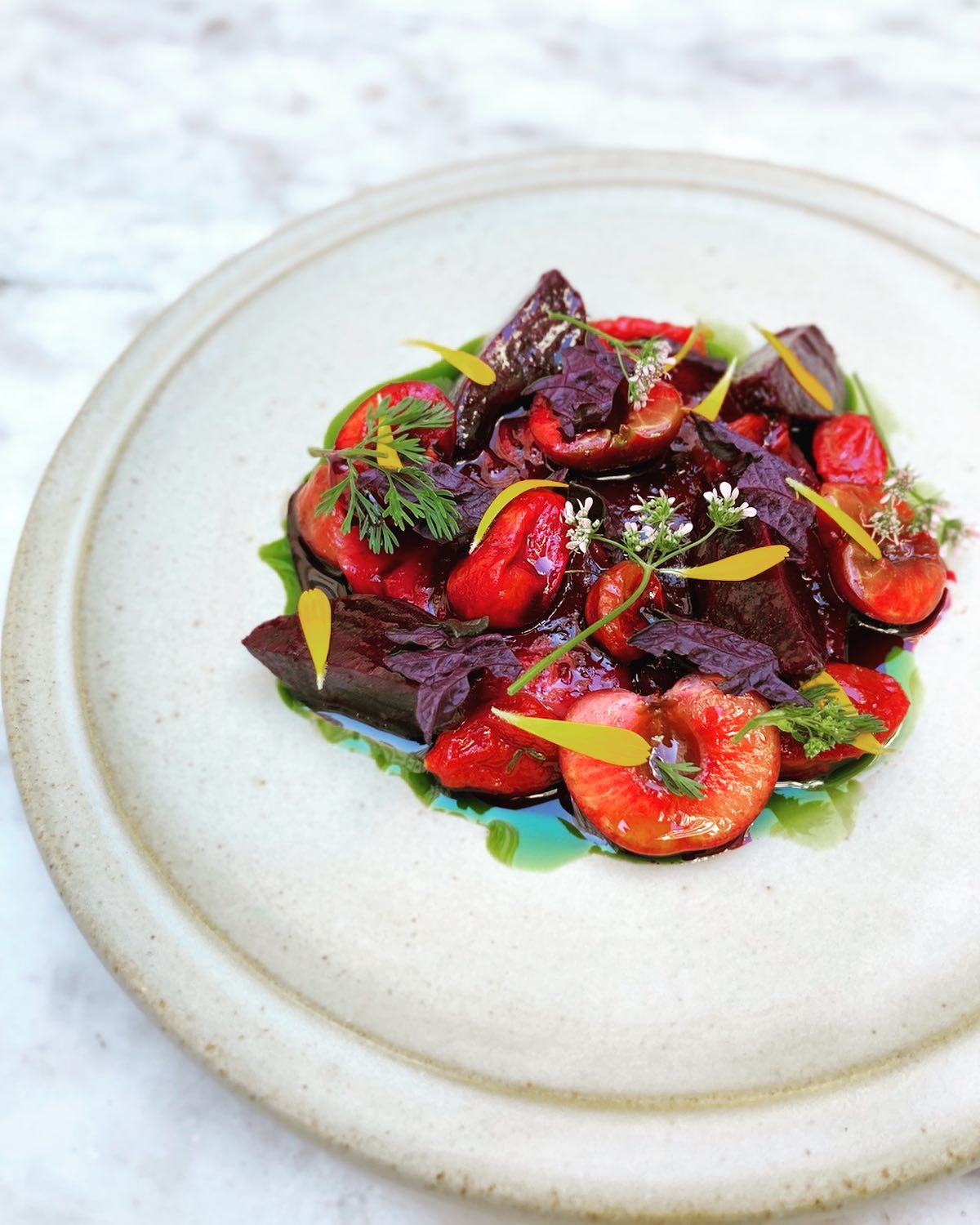
One of his strengths is precisely his ability to take familiar ingredients and take them in less predictable directions. Oysters, for example, are served with pork gelatin and sour cream: a pairing that combines the delicacy and savory flavor of the shellfish with the rich, intense flavor of the meat. The result does not aim for a spectacular effect for its own sake. Rather, Vantre’s cuisine seeks to keep the raw ingredients recognizable, giving them enough room to take center stage. The same principle is evident in the bluefin tuna, served with early-season berries and a vibrant hibiscus and beet sauce. Here, the acidity and fruitiness complement the fish, creating a dish that strays from the usual pairings without losing its balance. Next comes the meat, prepared in a decidedly more rustic style: grilled pig’s head, served with seaweed and tomato tartare. It’s a dish that brings the bistro back to a more earthy and unfiltered French cuisine, yet at the same time, the presence of seaweed and tomato introduces a fresher, more contemporary element.
Among the restaurant’s signature dishes is the pigeon stuffed with foie gras, a combination that perfectly encapsulates Vantre’s character: ingredients deeply rooted in French tradition, prepared with a certain ease and without the need to turn every dish into a technical showcase. It is precisely this apparent simplicity that makes the bistro so intriguing. The cuisine doesn’t seek to impress with a long list of techniques, but rather through the ingredients, the pairings, and the personality of the person putting them together. And then there’s the wine. While the cuisine represents an important aspect of Vantre’s identity, the wine selection is practically part of its DNA. It’s no coincidence that the project was born from the collaboration between a chef and a sommelier: natural wine is one of the stars of the experience. The wine accompanies the dish without being relegated to a mere complement. It’s part of that informal atmosphere that sets the restaurant apart from more structured fine-dining establishments and helps create an experience where food and wine can flow with equal freedom. The result has particularly won over the professional Parisian culinary crowd. Vantre is, in fact, described as a spot much loved by industry insiders—a small establishment where seasonal ingredients and good wine take center stage. The decision to close on weekends makes its business model even more unique. In a city where Saturdays and Sundays are traditionally peak times for the restaurant industry, Vantre instead concentrates all its activity into the five weekdays.
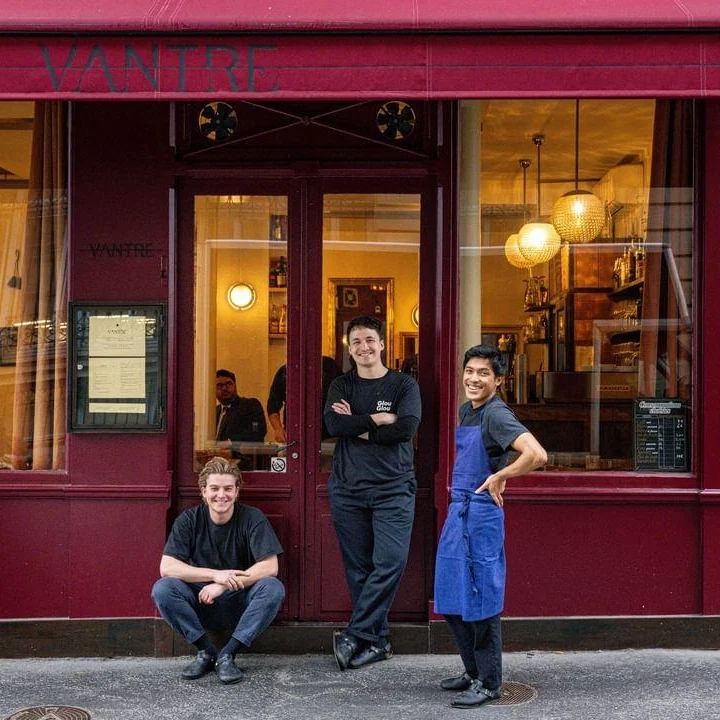
A decision that, rather than a step back, also reflects a different way of understanding the bistro: a place where cuisine, wine, and hospitality must work together without necessarily turning into a machine that’s open seven days a week. And while Paris continues to be associated with grand restaurants, kitchen brigades, and increasingly elaborate tasting menus, Vantre demonstrates that innovation can take a much more intimate path. It can be found in an intimate dining room, in a dish of grilled pig’s head, in an oyster with pork jelly and sour cream, or in a pigeon stuffed with foie gras. Chomel and Pelletier’s bistro chooses to operate only five days a week, to put natural wine at the center, and to let the season, the ingredients, and a sense of curiosity dictate the rhythm of the kitchen. A seemingly simple formula that, in Paris, seems to have found a way to keep people coming back even when its doors are already closed for the weekend.