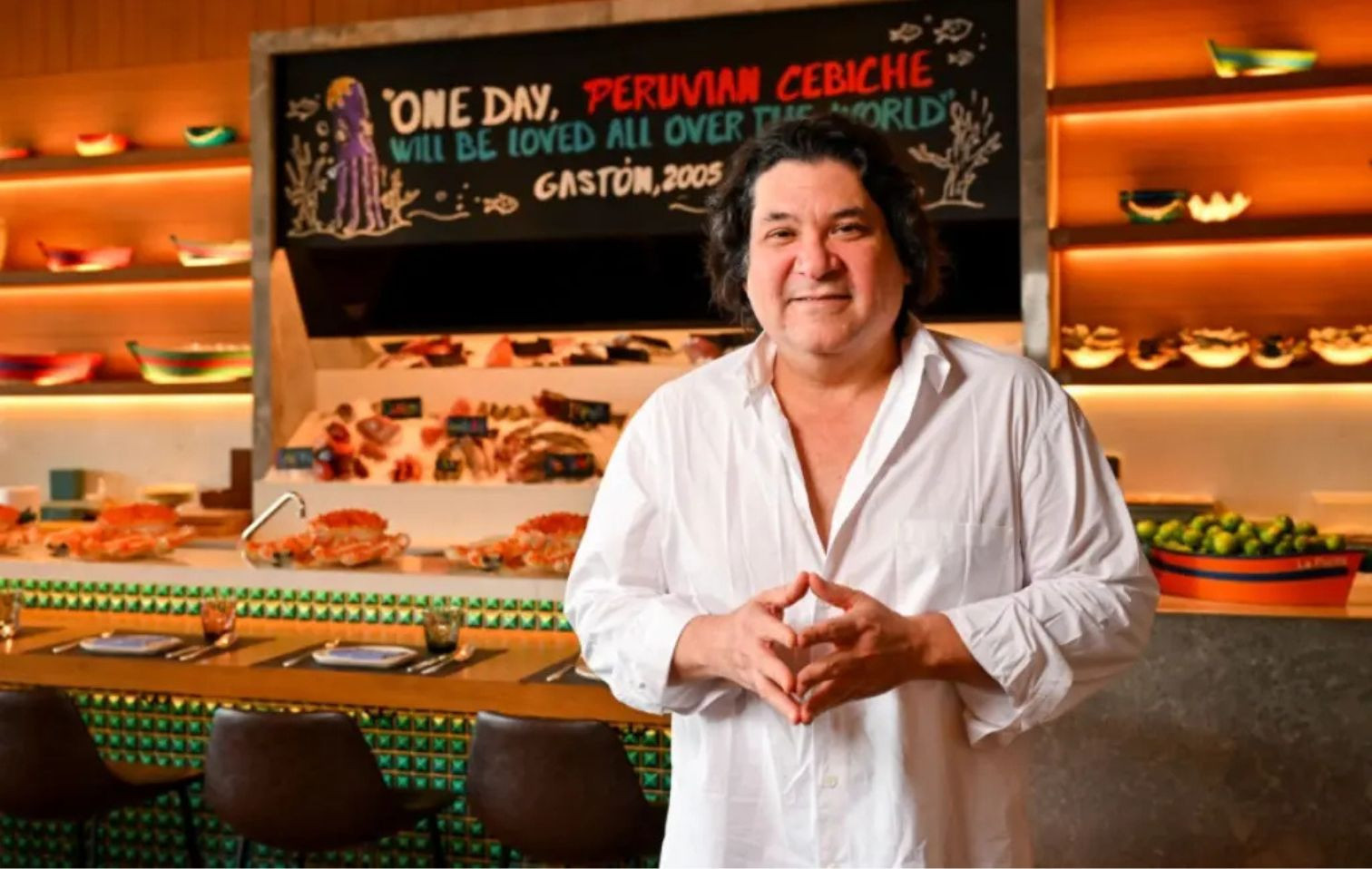
The symbol of the Andean culinary renaissance takes stock of how an entire country has managed to win over the palates of the world. And that’s not all: the best is yet to come, thanks to the talent of the younger generation.
Unprecedented Technical Training
Far from dwelling on nostalgia for the past, Acurio throws open the doors to the next generation, emphasizing how the training of today’s young chefs surpasses that of the pioneers. In a recent interview with La Vanguardia, the chef noted that “the technical and professional training of the generation that is now 30 years old is far superior to what we had at the same age,” adding with conviction that “the new generations have something more, not less.”
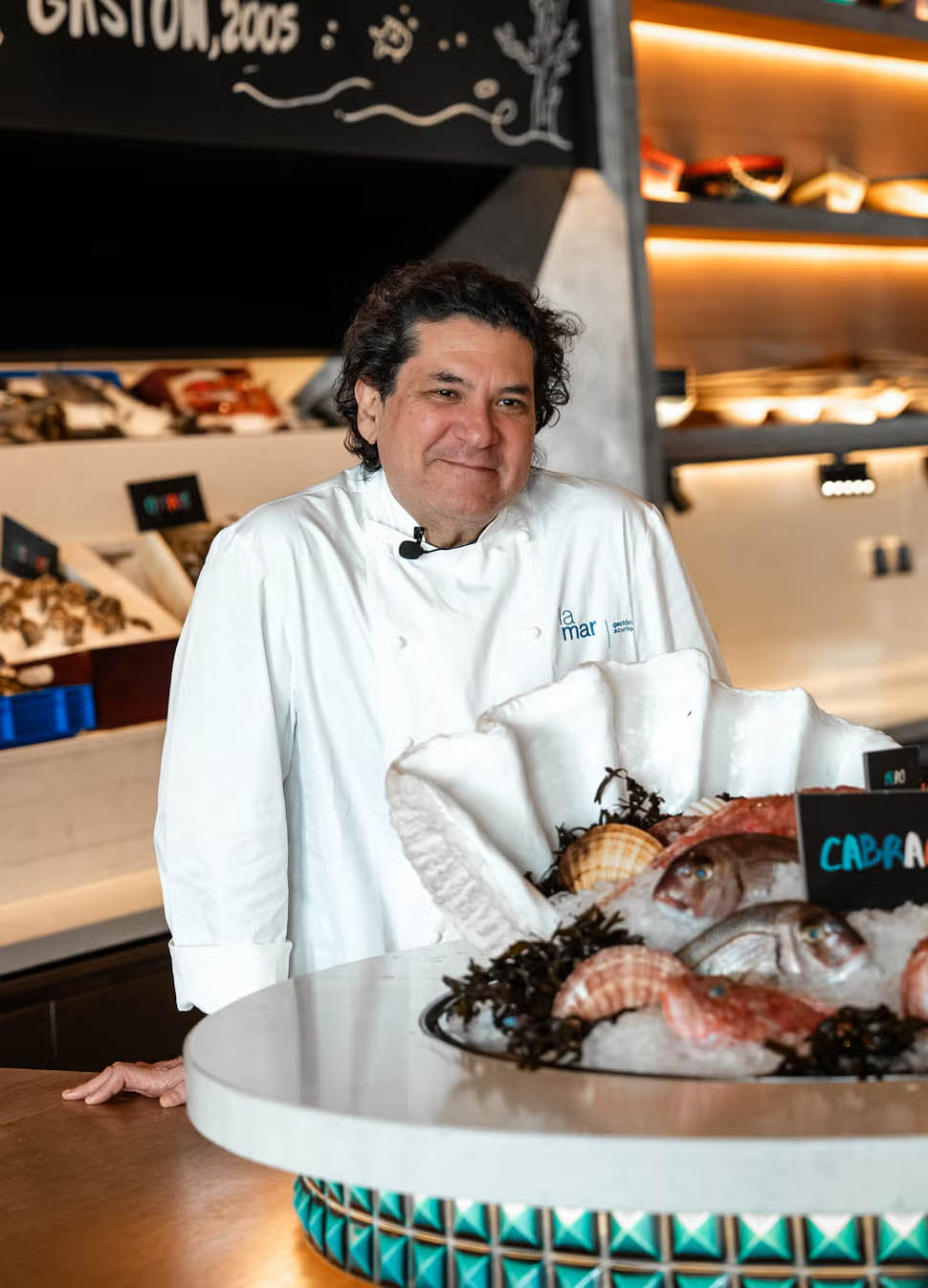
This evolution reflects the shift in momentum of a culinary nation that, from an unknown entity, has transformed into a global benchmark. When Acurio was invited to deliver the academic opening address at the Universidad del Pacífico in 2005, he envisioned an almost utopian scenario: transforming traditional products like cacao and quinoa into driving forces and turning local cuisine into an exportable experience. At the time, the country’s agricultural exports did not exceed $600 million; today they are nearing 20 billion, demonstrating how a culinary insight can revolutionize the economy of an entire region. Today in Lima—which has exploded compared to the days when only a handful of chefs were trying to make a name for themselves—hundreds of young people are constantly opening restaurants with a diverse and accessible menu: from traditional picanterías to neighborhood bistros, all the way to experimental haute cuisine.
The Power of the Team and the Peru Model
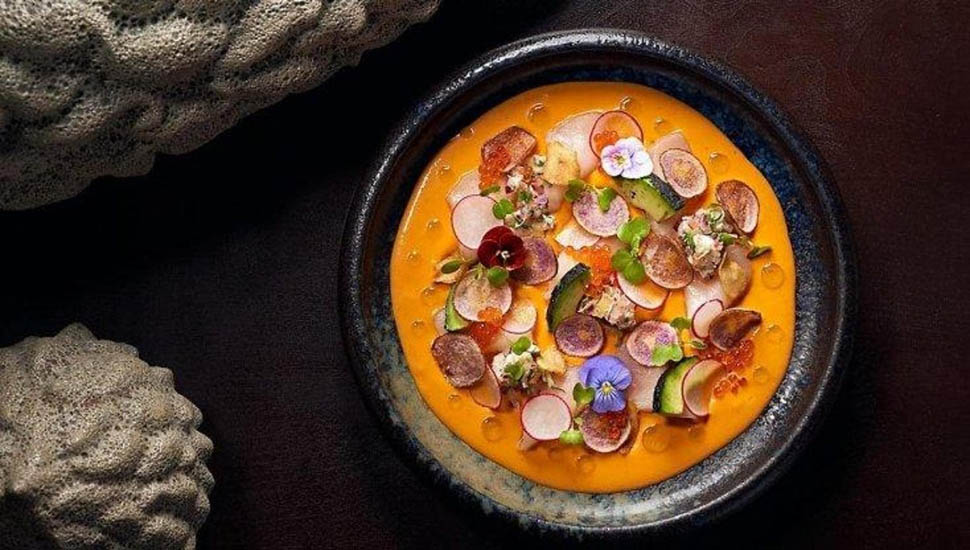
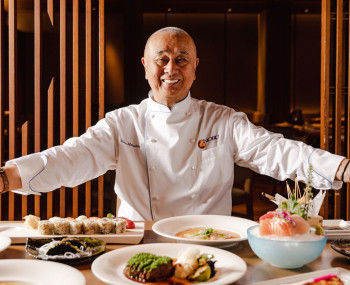
As highlighted in the pages of *La Vanguardia*, the meteoric rise of Peruvian cuisine to the pinnacle of global fine dining—crowned first by the success of *Central* (by Virgilio Martínez and Pía León) and then by *Maido* (by Mitsuharu “Micha” Tsumura)—did not stem from individualism, but from a clear collective vision. Acurio recalls how the key to success was the ability to work as a system, uniting not only the chefs but the entire population around their culinary heritage: “Perhaps the only difference was unity. The ability we had at the time to build a community capable of setting aside personal ambitions to understand that, by working toward a shared dream, our personal dreams would also come true.”
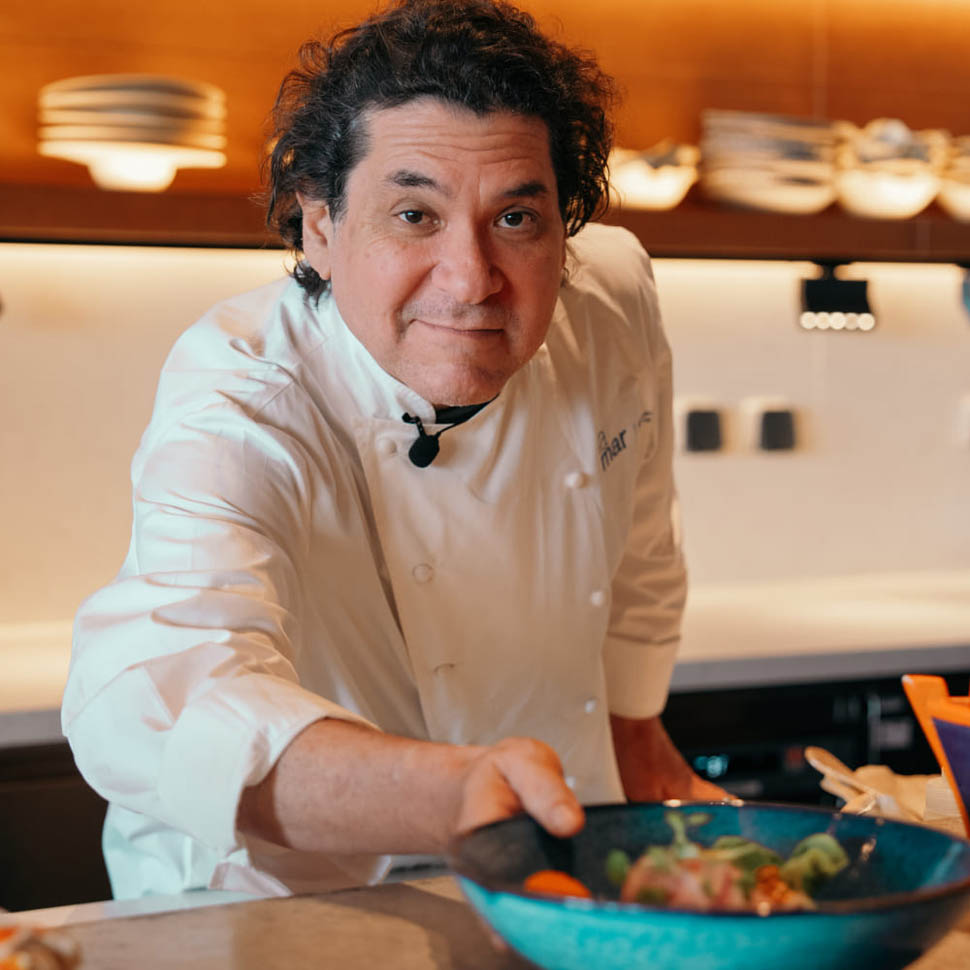
From the historic initiatives of the “Pandilla de la leche de tigre” to neighborhood fairs, and on to new cultural gatherings—where the integration of recent waves of immigration gives rise to unprecedented combinations such as arepas with lomo saltado or reinterpretations of Nikkei and Chifa cuisine—Chef Gastón Acurio’s message remains clear. The future of the industry does not lie with lone figures, but with the strength of a team capable of making way for and promoting those who come after them, transforming every restaurant into a true cultural embassy around the world.