A French investigation has once again turned the spotlight on a phenomenon that is anything but marginal: theft of items from restaurants affects establishments of all levels and, in some cases, costs thousands of euros. From Gordon Ramsay to Michel Roux Jr., some are taking precautions, while others are turning these disappearances into a curious marketing ploy.
There are customers who leave the restaurant with a sweet memento—perhaps a small pastry offered at the end of the meal. And then there are those who prefer to take the napkin ring, the glass, the knife, or—with a level of resourcefulness well above average—even the toilet paper holder.The phenomenon of “petty” theft in restaurants is much more widespread than one might think, and in recent years it has reached such proportions that it has forced many establishments to devise increasingly creative countermeasures. A new report from France has brought this issue back into the spotlight, revealing that Michelin-starred restaurants and high-end establishments must deal with customers who take all sorts of items: cutlery, designer knives, candles, vases, and bathroom accessories. In some cases, the annual cost to restaurant owners runs into the thousands of euros. Perhaps the most surprising finding comes from a survey of 500 restaurant owners: 94 percent reported having experienced at least one theft, according to an interesting analysis by The Independent.
And the incidents described are far from being mere impulsive acts. At Lo Fieu, near Lyon, a customer reportedly completely dismantled a toilet paper holder, taking even the screws and wall anchors with him and leaving pieces of plaster on the floor. Another restaurant owner told of a customer who, before stealing a flowerpot, reportedly emptied the soil directly into the bathroom. Someone else, on the other hand, allegedly tried to leave the restaurant with a water pitcher hidden under his T-shirt. In short, the temptation to take a clandestine souvenir seems to know no bounds—not even those of common sense.
From Gordon Ramsay’s cats to Michel Roux Jr.’s frog: the “notorious thefts”
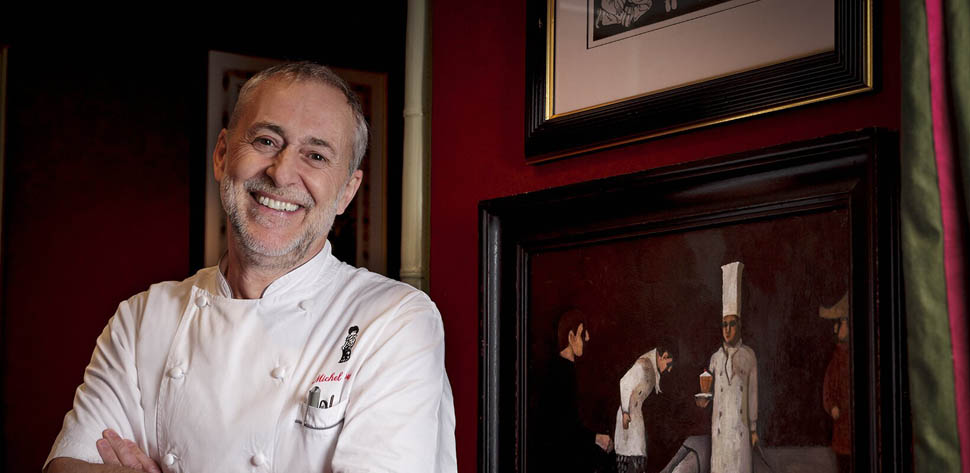
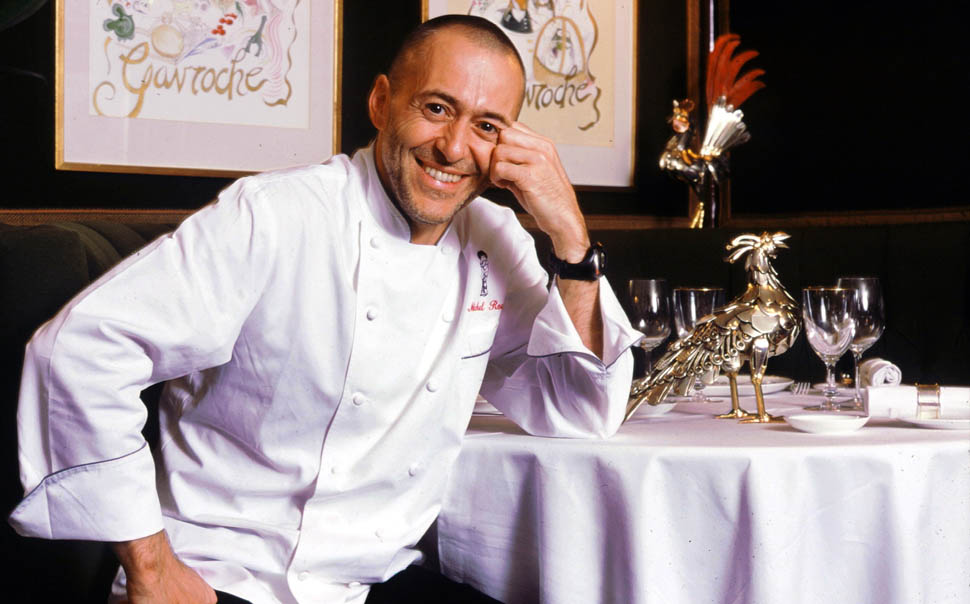
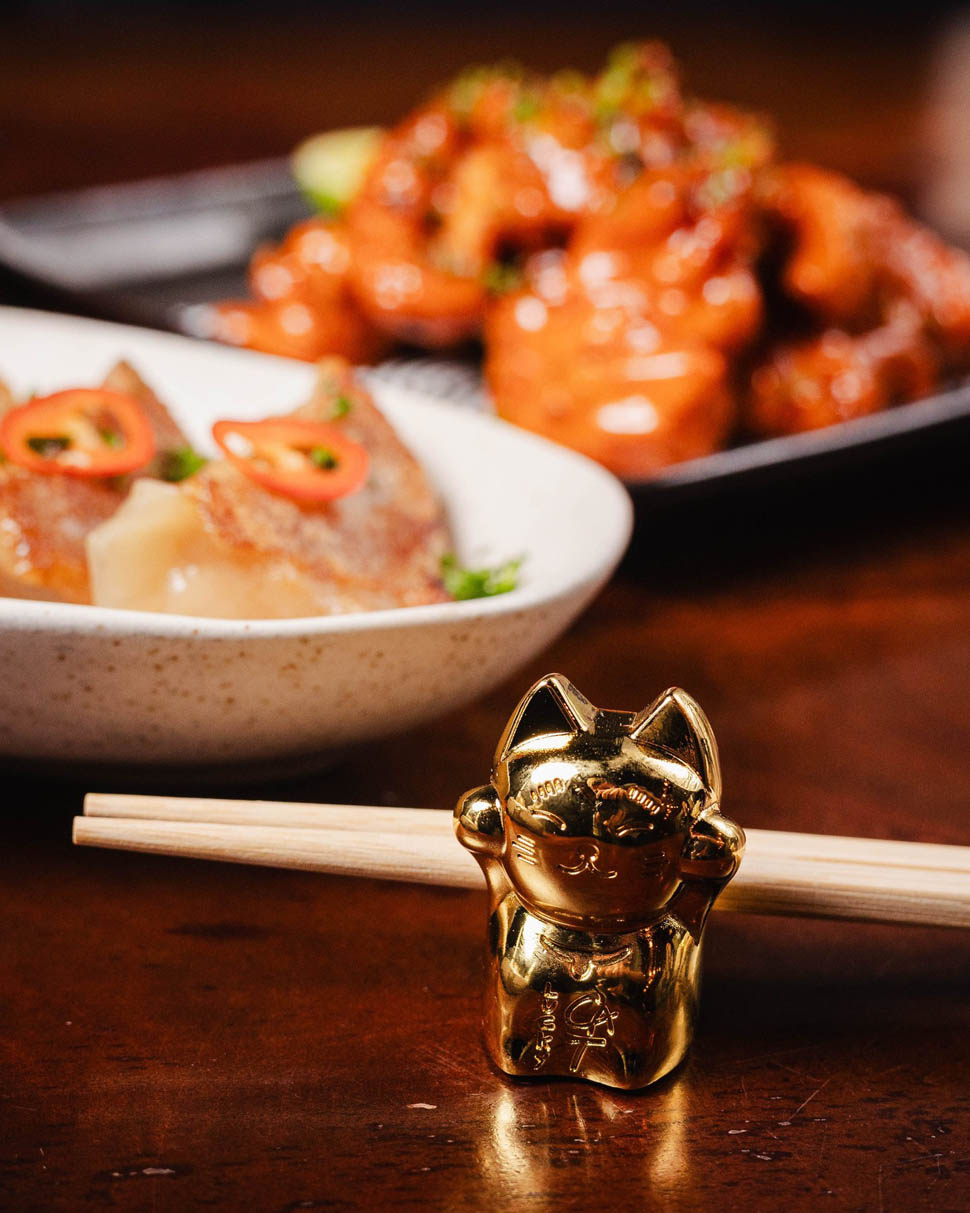
The United Kingdom also has quite a few incidents on record, as attested once again by the British network. Last year, Gordon Ramsay recounted that 477 maneki-neko figurines had disappeared from his Lucky Cat at 22 Bishopsgate in just one week. Each cat cost 4.50 pounds: one might seem like a harmless memento of the evening, but 477 pieces amount to over 2,000 pounds worth of missing merchandise. Even more peculiar is the incident involving Michel Roux Jr.—more relevant than ever, even though it happened a few years ago. In 2023, during a dinner organized in memory of his father Albert and intended to raise funds for charity, a frog crafted by hand from old cutlery went missing from Le Gavroche. It had been in the restaurant for about thirty years. Roux had estimated its monetary value at around 1,000 pounds (over 1,100 euros), but in this case, the price was probably the least important part of the story: its sentimental value was much harder to quantify. And this is precisely where the story gets interesting. Because between a truly valuable object and the paper napkin taken almost absentmindedly at the end of a meal, there is a vast gray area in which many customers seem to feel entitled to turn what belongs to the restaurant into a personal souvenir.
A survey conducted by Nisbets, a British company specializing in the supply of restaurant equipment, found that 27 percent of 1,000 respondents in the United Kingdom admitted to taking tableware from pubs, bars, or restaurants. The percentage rises to 34 percent among young people aged 18 to 24. As many as three million people stated that every piece of tableware, glass, cutlery, or table linen in their possession had been stolen. These numbers suggest a sort of national IKEA, built piece by piece with items taken from establishments.
When paying for dinner makes everything feel a little more like your own
Why does this happen? One possible explanation comes from consumer psychology. A recent study published in the Journal of Consumer Research analyzed precisely how customers tend to justify improper behavior toward companies. Among the phenomena identified is what’s called the “Robin Hood effect”: questionable conduct may seem easier to justify when the victim is perceived as a large, wealthy company rather than as an individual or a small, independent business. The logic, however questionable, is intuitive. If you spend 200 pounds on dinner, a 5-pound item placed next to your plate can suddenly take on the innocent air of a small gift that someone simply forgot to mention. The perception of who is being robbed also seems to play a role. Taking home a £4.50 figurine from a restaurant belonging to Gordon Ramsay’s multi-million-pound empire may seem, in the eyes of the person doing it, very different from taking a handcrafted item purchased from a small, independent restaurant. The act remains the same. What changes is only the story we tell ourselves to feel less guilty. And restaurant owners certainly notice this. For the person taking the item, it may seem like no big deal. For the restaurant, however, when the same thing disappears dozens or hundreds of times, the situation changes completely.
In France, knives and rings worth 200 euros are disappearing. And in England, Jamie Oliver speaks out
At Lo Fieu, one of the French restaurants mentioned in the report, at least 40 of the 90 Opinel knives purchased for the first year of operation have gone missing. An estimated loss of about 800 euros! Jamie Oliver is also familiar with the problem. He had previously reported that about 30,000 branded napkins disappeared each month from his Jamie’s Italian restaurants. But customers didn’t stop at table linens: even Thomas Crapper bathroom fixtures had become targets, to the point that some flush buttons had to be soldered shut. When Jamie’s Italian reopened in Leicester Square in 2026—fourteen years after the controversy over the missing napkins—the restaurant invited anyone who still had one from the old location to return it. In exchange, no questions asked and a free plate of pasta or a serving of fried ravioli.
The line remains that of ownership
The relationship between the restaurant industry and petty theft, therefore, has become curiously ambivalent. On the one hand, there are restaurateurs who have to weld down bathroom fixtures, chase customers down the street, or constantly replace knives and utensils. On the other hand, there are restaurants that have figured out how to turn these disappearances into merchandising, marketing campaigns, amnesties, and even opportunities to build customer loyalty. But the frog at Le Gavroche brings everything back to the more concrete reality of the situation. That object, made from old cutlery, was not a gadget produced for sale, nor was it an easily replaceable accessory. It had been in the restaurant for thirty years and disappeared during an evening dedicated to the memory of Albert Roux. It did not become the star of an amusing amnesty, and, as far as we know, it has not yet returned to its place.