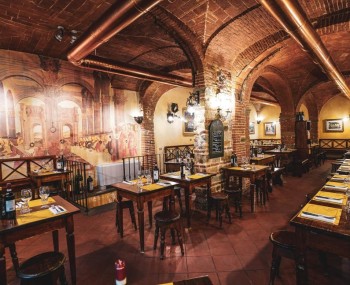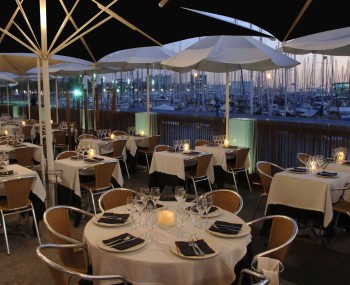
Changing the name of a two-star restaurant is never a neutral gesture. It requires clarity, awareness of one's own weight, and a vision solid enough to stand up to comparison with what has been. El Poblet, a central address in Valencia's gastronomic geography since 2012, is now entering a new phase and has chosen to do so with a renewed identity: Flores Raras Restaurante. Not a cancellation, but rather a conscious rewriting.
The news
On the one hand, the project remains firmly in the hands of Quique Dacosta, who retains ownership and management, confirming continuity in both management and concept. On the other hand, what is changing is the name, but above all the way in which the restaurant has decided to present itself today, launching a gentle “feminine revolution.” As explained by the new Flores Raras, the change stems from the desire to “reflect the current moment of the restaurant, a consolidated and constantly evolving project that looks to the future based on the solid foundations that have been built.” A statement that speaks of maturity rather than abrupt change.
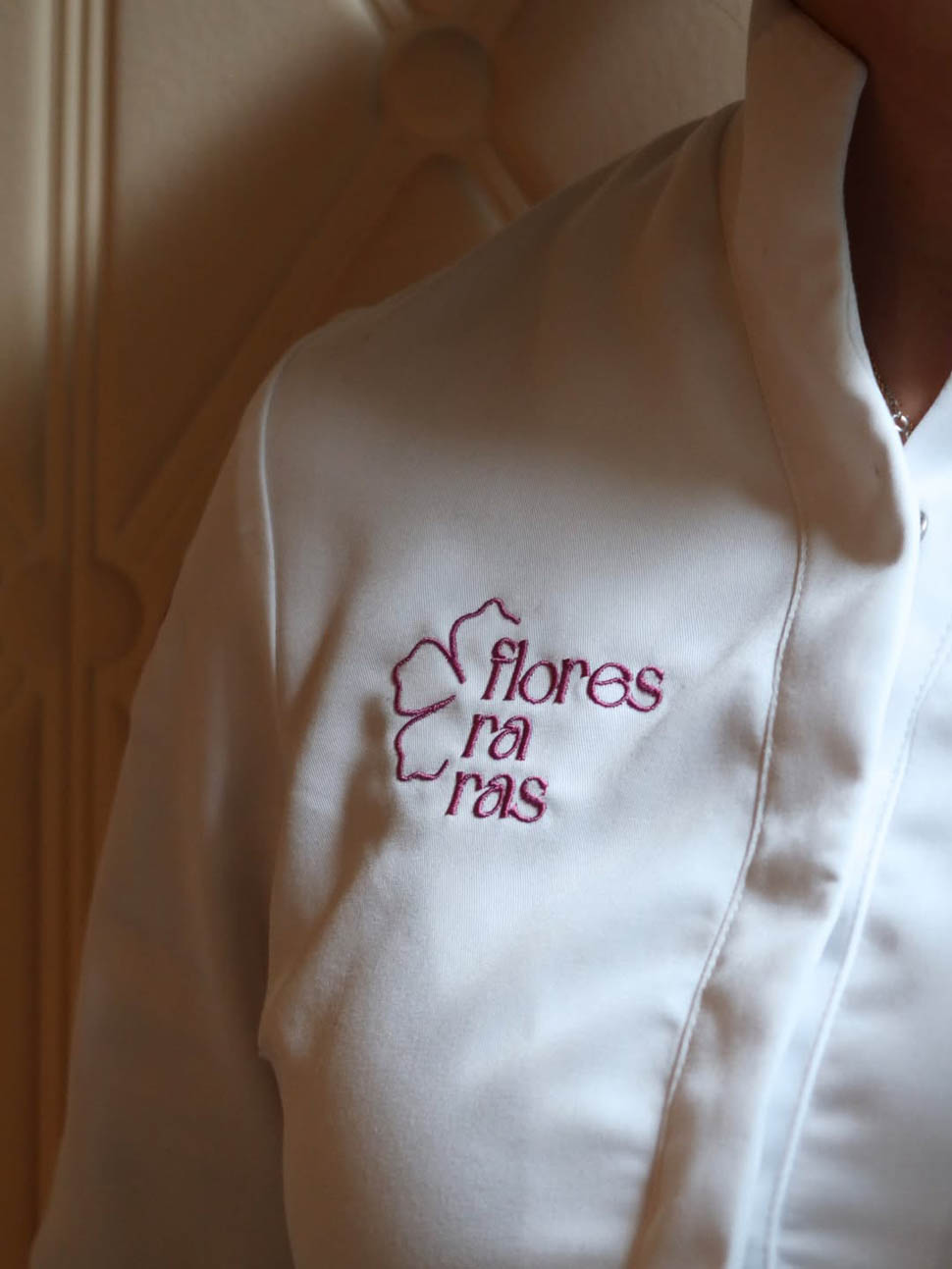
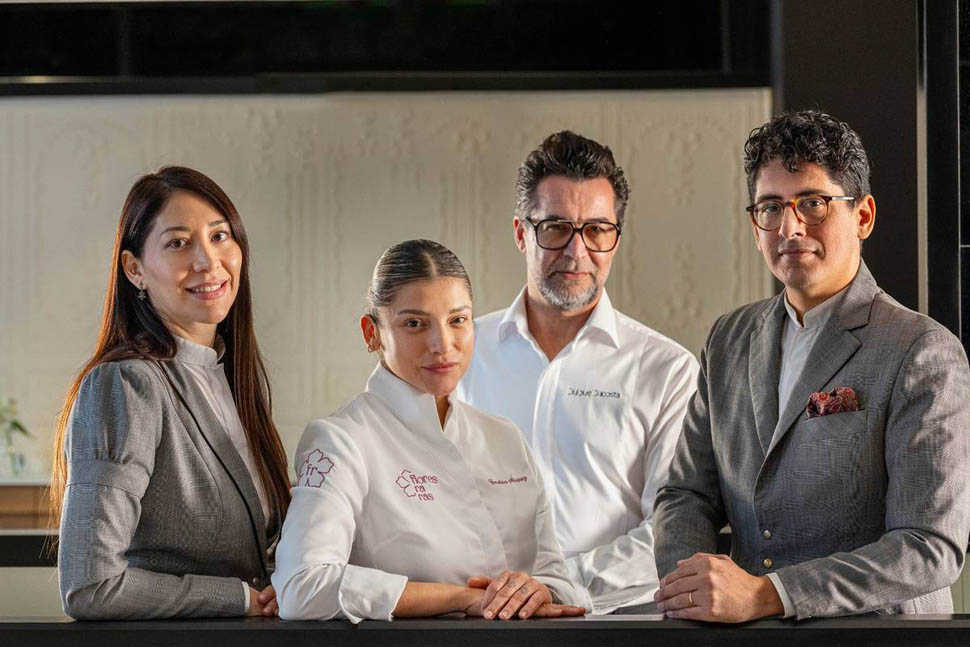
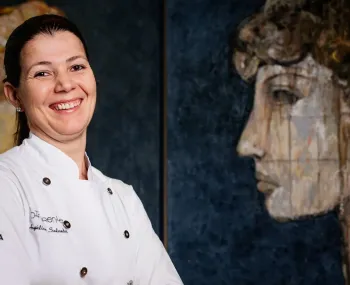
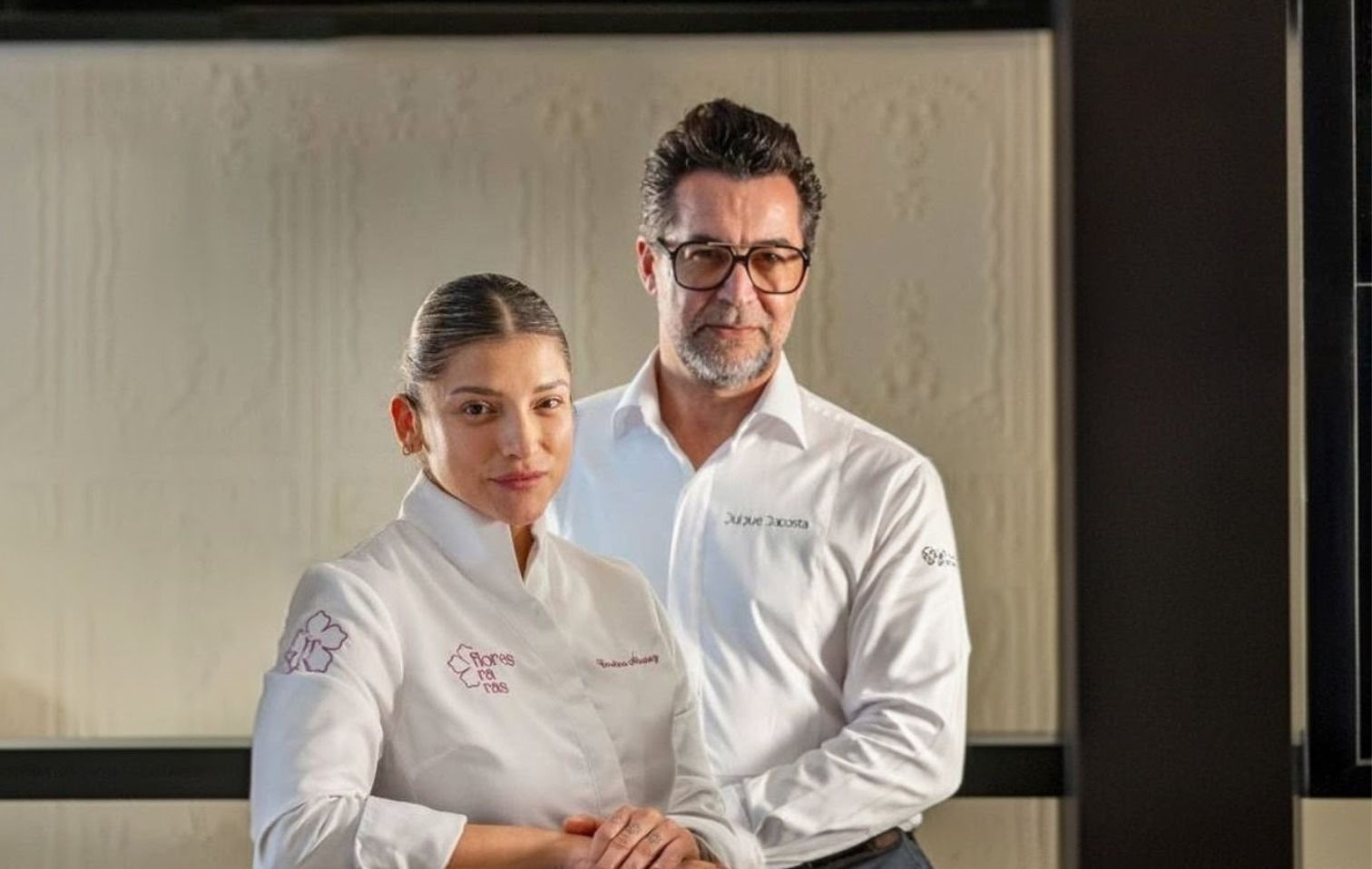
The reopening took place on Wednesday, January 28, in the same space in Valencia that had been home to El Poblet for years. The founding values also remain unchanged: rigor, attention to the product, a cuisine that moves by subtraction rather than accumulation, and an idea of haute cuisine that has never sought easy effects. In this context, the arrival of Carolina Álvarez as chef takes on a precise meaning, far from symbolic. Six years as chef at Quique Dacosta Restaurante in Dénia, three Michelin stars, and a career within the group that makes this appointment the result of an organic, almost natural process.
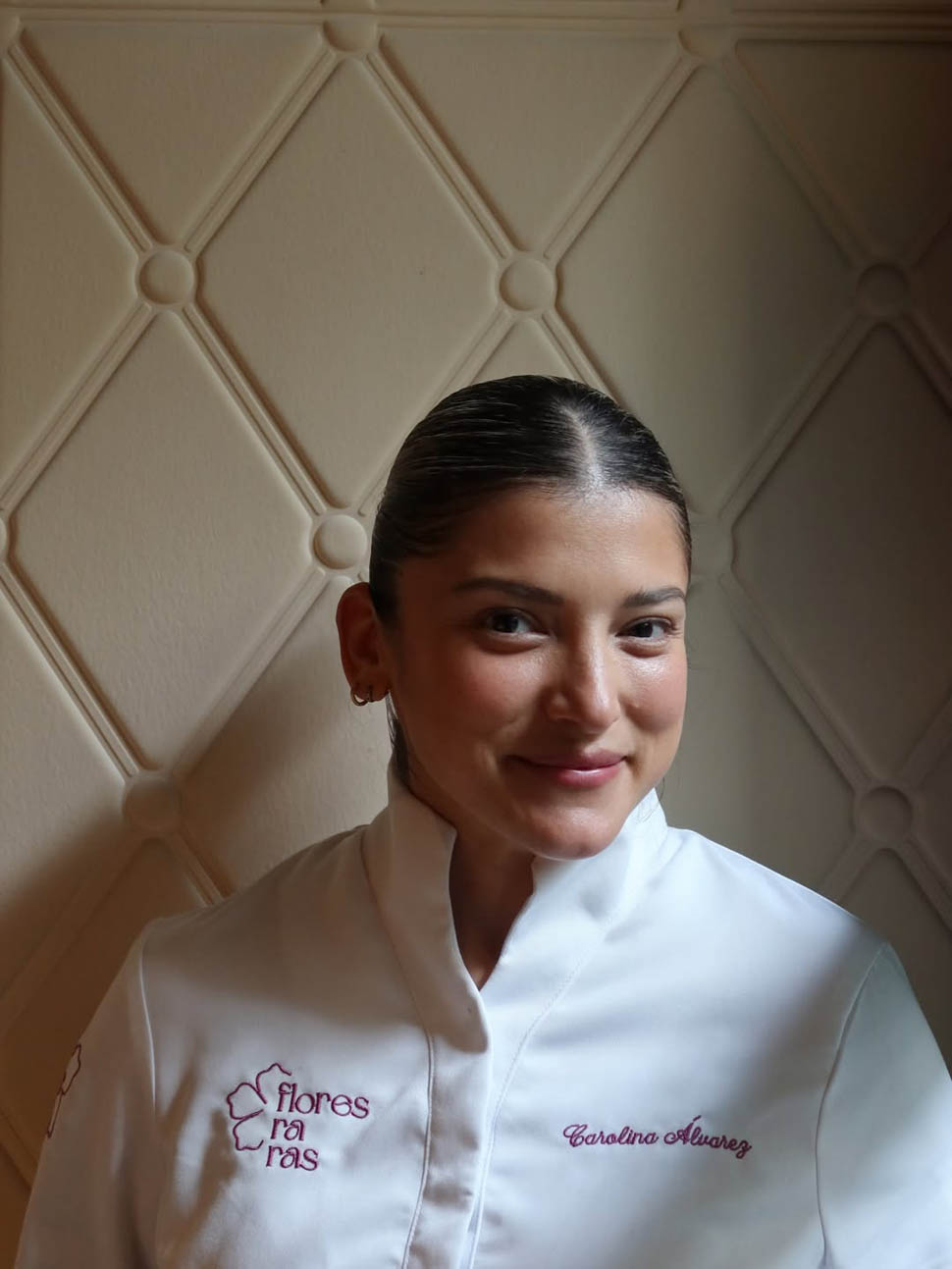
“Cooking in Valencia is a responsibility that fills me with immense enthusiasm. I arrived in this city almost twenty years ago and fell in love with it and its people,” said Álvarez, according to a report a few days ago in Diario de Gastronomia. These words convey a deep connection with the territory, not as a narrative backdrop, but as a space that has been lived in, traversed, and settled over time. Her cuisine, already refined in one of the most demanding contexts of European gastronomy, now finds a new expressive autonomy within a project that she knows thoroughly and that she is helping to redefine from within.
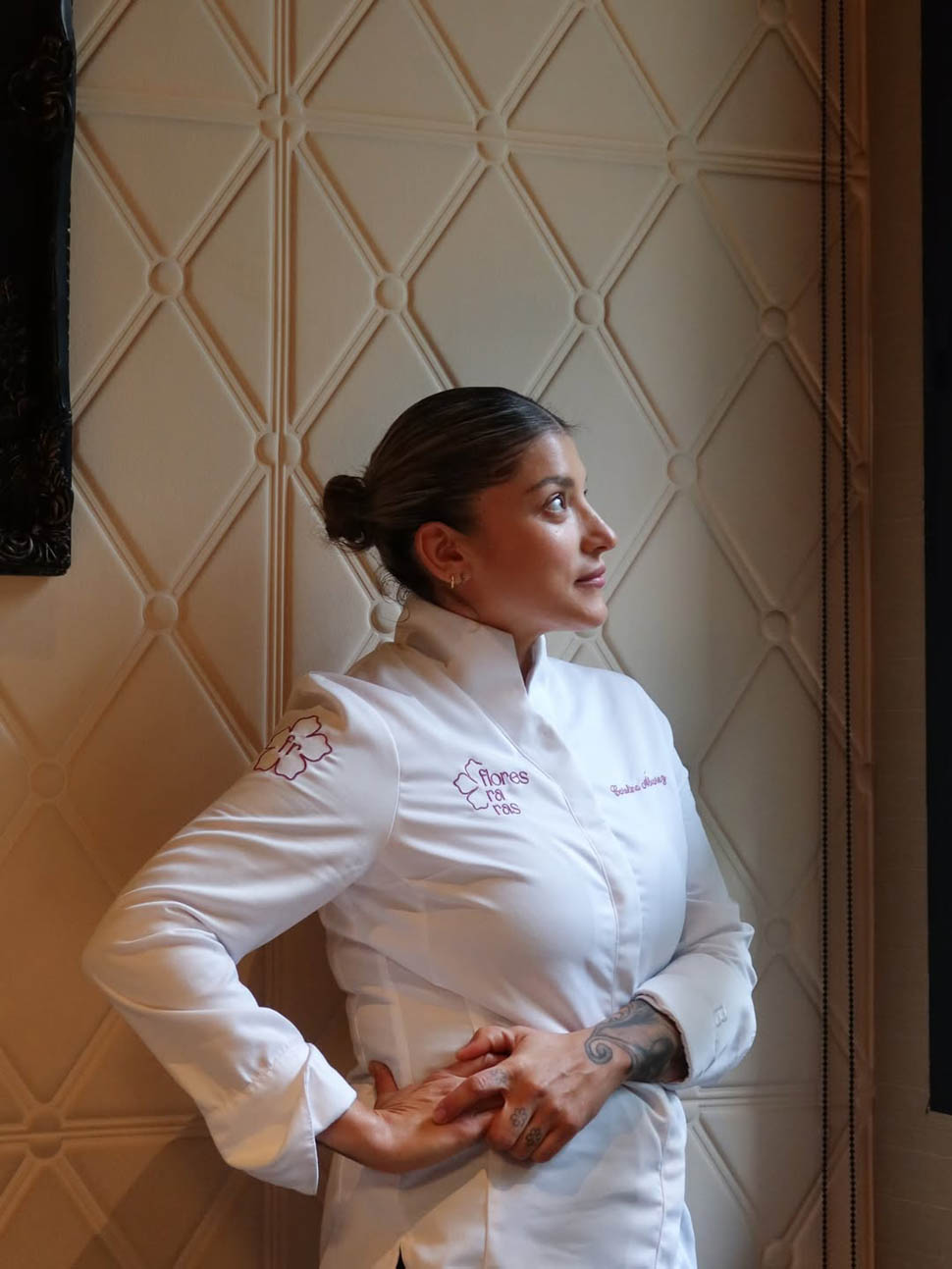
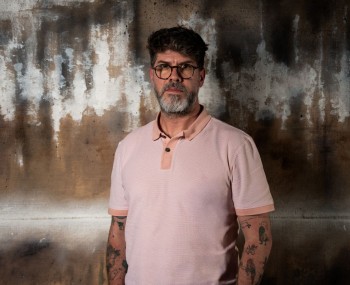
Flores Raras is not, therefore, an exercise in rebranding for its own sake, but rather the next chapter in a coherent story. Quique Dacosta clearly emphasizes this when he states that “this phase represents a reaffirmation of the project, which is evolving based on experience and maturity.” An evolution that continues to develop “a cuisine that defines our DNA, focused on knowledge of the product, the environment, and technique, understood as a tool at the service of flavor and emotion.” A vision that puts creative ego in the background to bring the culinary gesture back to the center as an act of precision and listening. The work of the dining room and the wine cellar is also crucial to this balance. The service is managed by Delia Claure, who leads a team described as solid and attentive, capable of supporting the experience without overlapping it. The wine list, on the other hand, bears the signature of Hernán Menno, who curates a cellar designed as a narrative tool parallel to the cuisine, capable of accompanying and amplifying the dishes without ever taking over. A well-defined triangle—kitchen, dining room, cellar—consolidates Flores Raras as one of the most interesting and relevant projects on the contemporary Valencian scene.
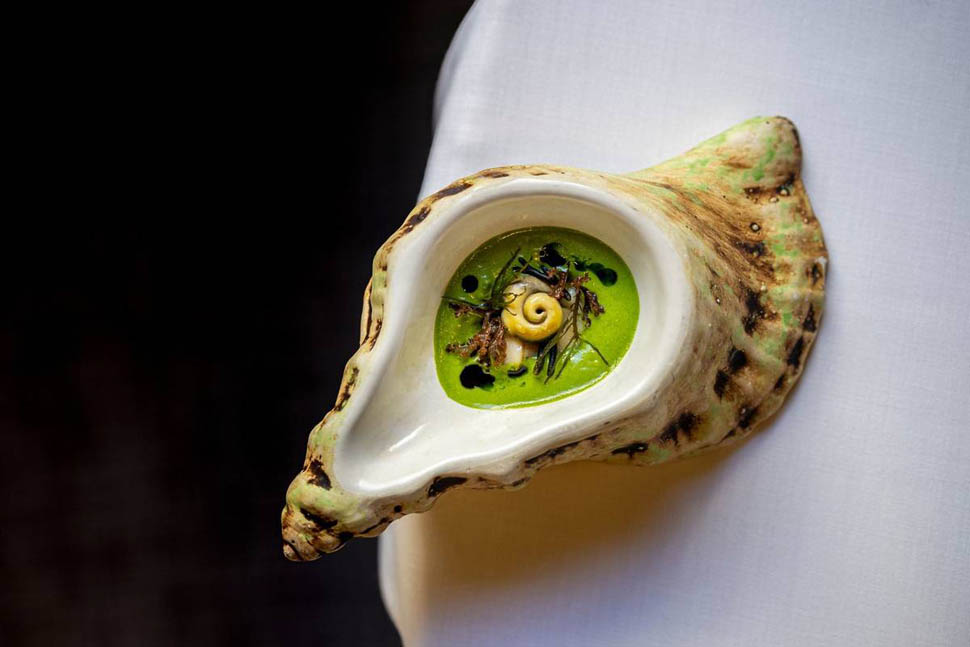
In the current context of Spanish haute cuisine, increasingly marked by tensions between spectacle and a return to the essentials, El Poblet's decision to transform itself into Flores Raras appears significant. It is not a question of chasing new trends or responding to external pressures, but of acknowledging a journey that has been completed and relaunching it with tools more in tune with the present. The restaurant remains true to itself at the very moment it decides to change its name, and this paradox says a lot about the solidity of the project. Valencia, a city in constant gastronomic ferment, thus welcomes an establishment that continues to dialogue with its cultural fabric without looking for shortcuts. Flores Raras is part of an increasingly complex scene, where quality does not necessarily come through excess, but through patient construction, teamwork, method, and a shared vision. The legacy of El Poblet is not archived, but metabolized, transformed into a new starting point.