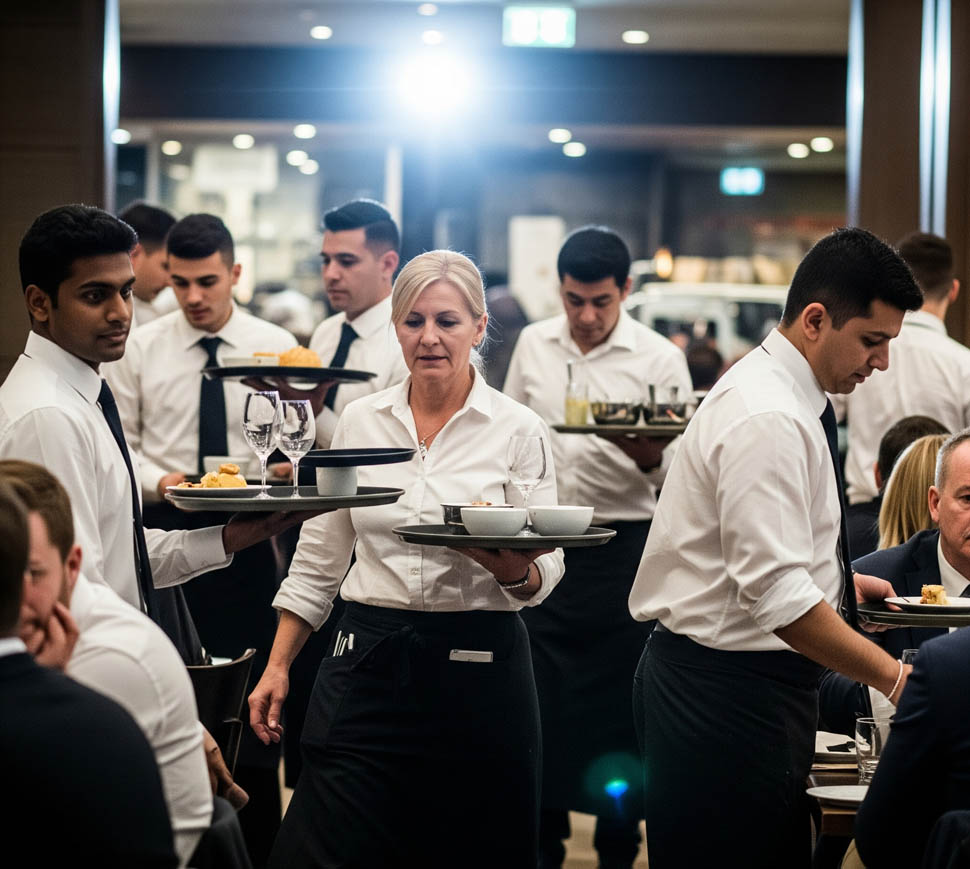
Many employees in the sector report that working for weeks without a single day off is no longer an exception, and the new legislation risks exacerbating this trend.
The news
A recent change to weekly rest regulations in Turkey is sparking controversy, particularly within the dynamic tourism sector. Coming into effect at the start of the current season, this legislative revision is raising serious concerns about worsening working conditions for thousands of employees. Traditionally, Turkish law provided for one mandatory day off after a maximum of six consecutive working days. The new provision, however, introduces the possibility of postponing this rest “at the request of the employee,” specifies Rolling Pin here. Despite its apparent flexibility, this change is widely interpreted by trade unions and opposition parties as an opening to the normalization of ten-day consecutive working weeks, with potentially significant repercussions on workers' well-being.
Strong criticism from workers' representatives
The most vocal opponents of the new legislation are trade unions and opposition political parties. Gülşah Deniz Atalar, deputy chair of the main opposition party, the Republican People's Party (CHP), and responsible for culture and tourism, expressed deep concern. “Entrusting responsibility for weekly rest to employers is extremely risky,” said Atalar, pointing out that, despite the formal requirement for employee consent, environmental pressure in the workplace could make acceptance of such “requests” effectively coercive. Even more incisive was Gökhan Aslan, general secretary of the Disk trade union, who called the measure a “direct attack on one of the most fundamental rights of workers”: the right to rest. Aslan categorically stated that this right should not be subordinated to employers' seasonal profit interests. He also warned against a potential “domino effect,” fearing that the current dynamics in the tourism sector could spread to other economic sectors, increasing pressure on workers and eroding legal protections.

Appeal to tourists and social implications
In a context where the Turkish Ministry of Tourism remains silent on the new law, its supporters justify its introduction as a measure of greater “flexibility,” a term that critics dismiss as a euphemism for worsening working conditions. Numerous employees in the sector report that working for weeks without a single day off is already the norm, and the new legislation risks exacerbating this trend. Gökhan Aslan extended his appeal directly to the millions of tourists who flock to Turkey's coasts and cities every year. He urged visitors to be aware of the often grueling work and sometimes difficult conditions that lie behind the impeccable service and warm hospitality. “Those who dare to look behind the scenes will discover that not all that glitters in this vacation paradise is gold,” Aslan said, urging travelers to consider the social impact of their tourism choices.

The ongoing debate in Turkey raises fundamental questions about the balance between the prosperity of a key economic sector and the protection of essential labor rights. The discussion continues to be a focal point for stakeholders and the public.