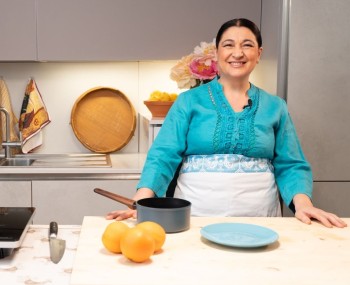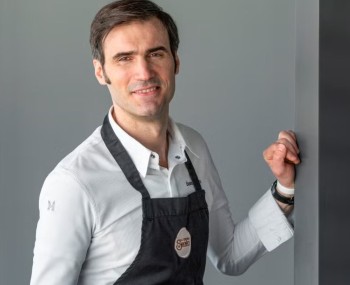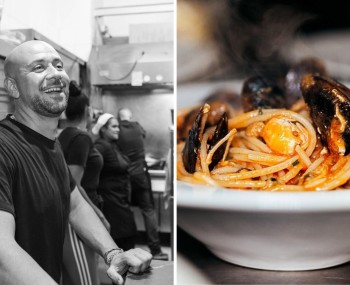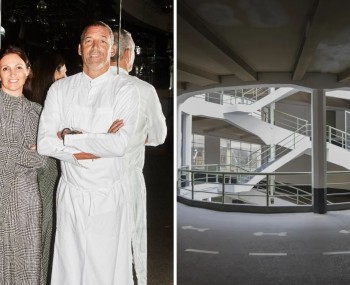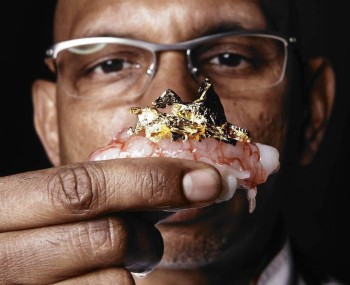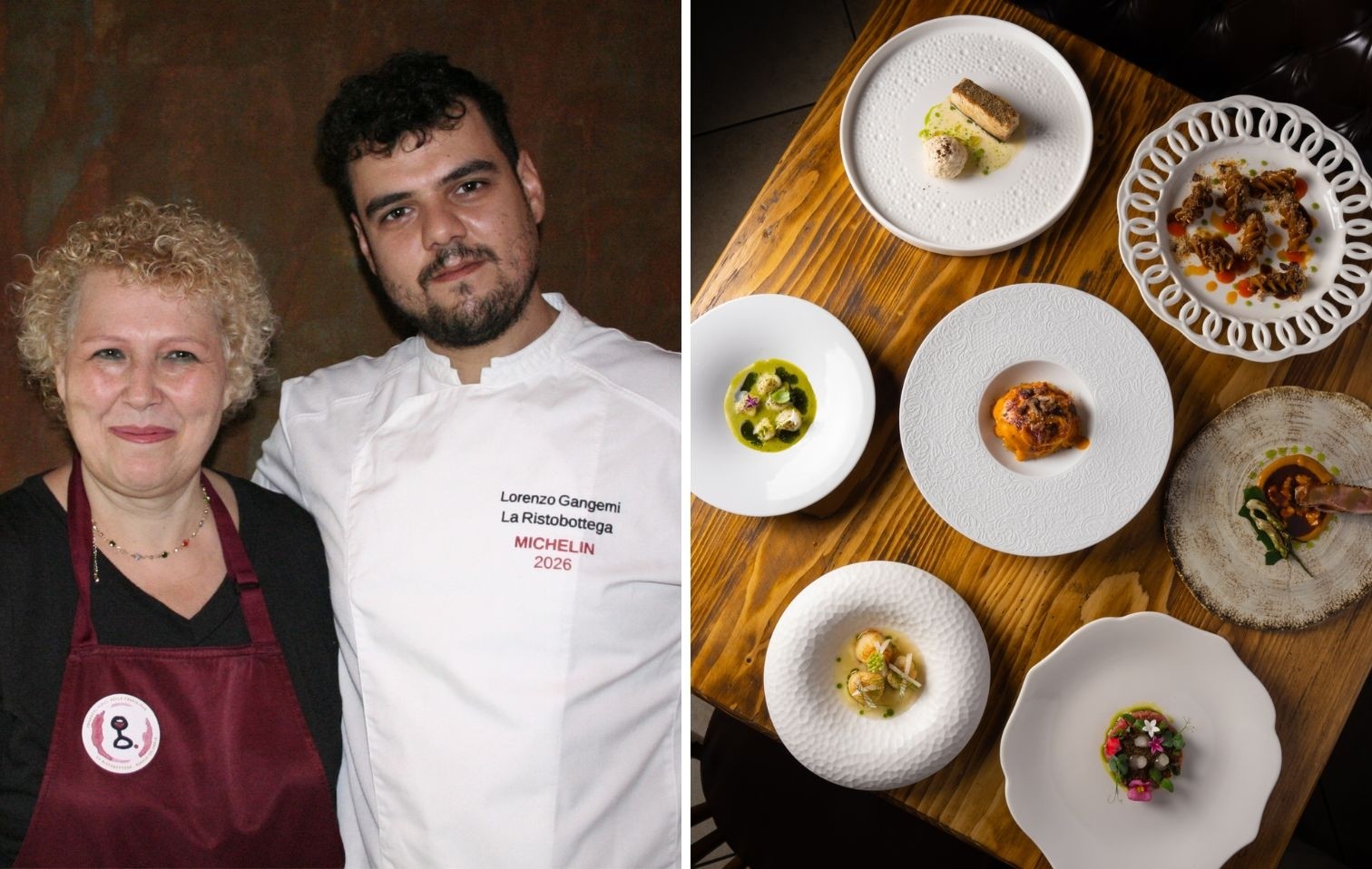
Founded in Reggio Calabria in 2022 through the restoration of a struggling small shop, the Gangemi family’s La Ristobottega combines local specialties, home-style cooking, and a contemporary restaurant featured in the Michelin Guide. During the day, Marina prepares family recipes and traditional dishes; in the evening, Lorenzo works on fish aging, fermentation, and Calabrian ingredients, incorporating techniques from Japan as well.
*Content with promotional purposes
In the morning, you can buy cured meats, cheeses, preserves, and traditional Calabrian products—and more. For lunch, you can enjoy Thursday’s gnocchi, meatballs in tomato sauce, legumes, and other authentic, homemade dishes that change weekly depending on what’s available at the market.
In the evening, the scene changes, and dishes such as seafood carbonara made with dry-aged bluefin tuna jowl, herb risotto with mackerel and black lemon, and meats and fish prepared using aging and fermentation techniques are served. All at the same location, in Reggio Calabria, where the Gangemi family has built a business that combines a gourmet shop, a trattoria for lunch, and a constantly evolving fine-dining restaurant in the evening.
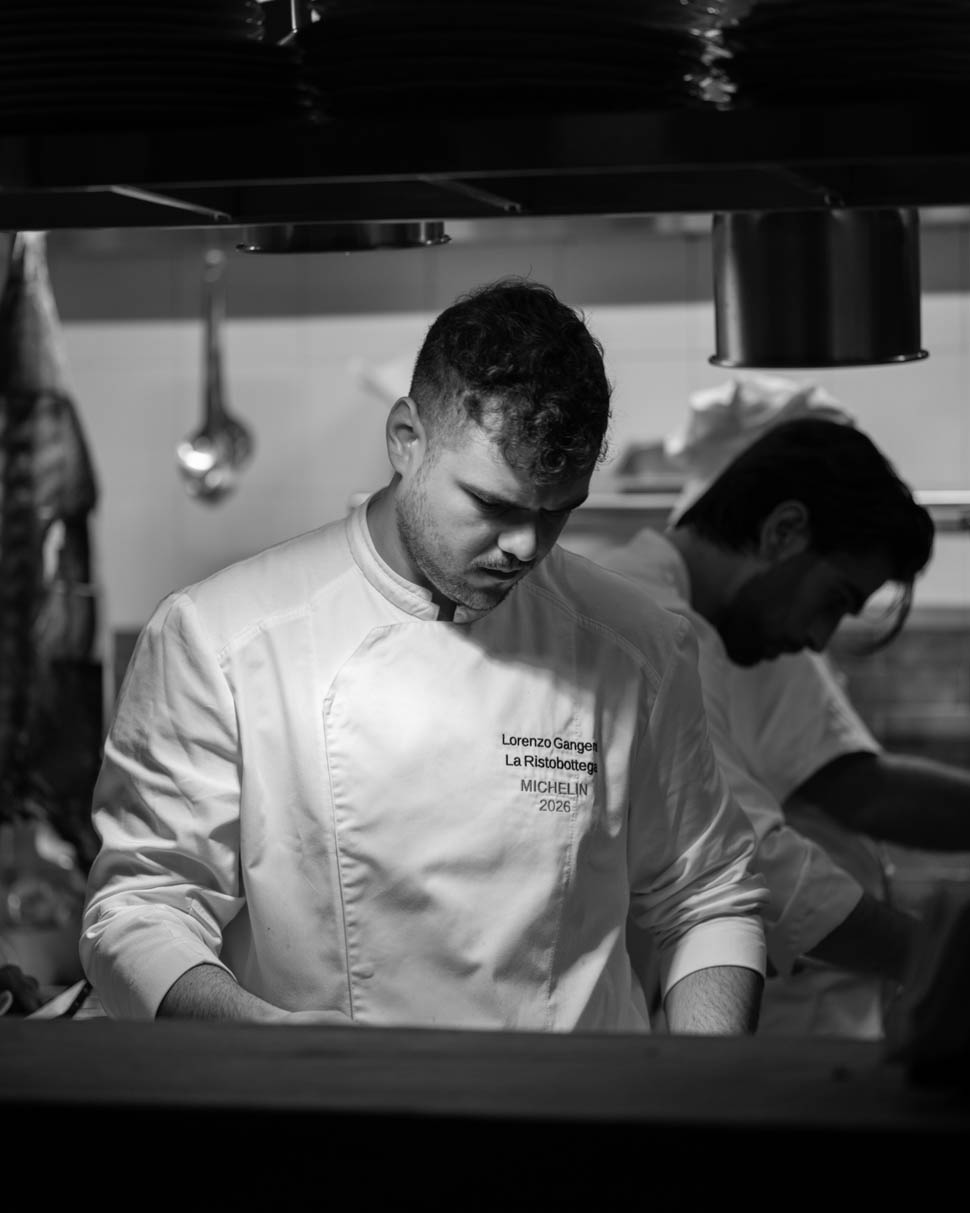
It’s called La Ristobottega and has been listed in the Michelin Guide since 2023. Marina and her two sons, Maurizio and Lorenzo, run these three businesses, each in very different roles. Marina runs the shop and oversees the lunch kitchen; Lorenzo, 26, is the chef for the evening restaurant, while Maurizio, the eldest, manages the project and contributes to its development by bringing ideas, ingredients, and culinary inspirations gathered during his travels. Three people, three ways of approaching the restaurant business, and a project that—at least at the beginning—was never meant to become what it is today.
One shop, two different cuisines, and three key figures
The story begins in 2022, when Maurizio Gangemi decided to take over a shop that had belonged to a relative of his wife—a business that had closed its doors. Until then, he had worked in the service industry, far removed from the restaurant business. Opening a shop was a personal challenge, even before it was a business one.
The initial idea was to renovate the space and stock it with select gourmet products, with a special focus on Calabrian specialties. But the project began to expand almost immediately. A week after the acquisition, Maurizio also rented the space next door and decided to build a kitchen. This gave rise to a concept that, in a short time, took on characteristics very different from those of a typical deli.
The family decided to develop two dining concepts: an affordable, everyday dining option, run by Marina, and a more ambitious evening concept, led by Lorenzo. This decision was also based on a careful economic assessment. Maurizio, who is well aware of the costs involved in running a business, makes no secret of the challenges of sustaining a fine-dining establishment, especially in a region where this type of dining experience still appeals to a relatively small audience.
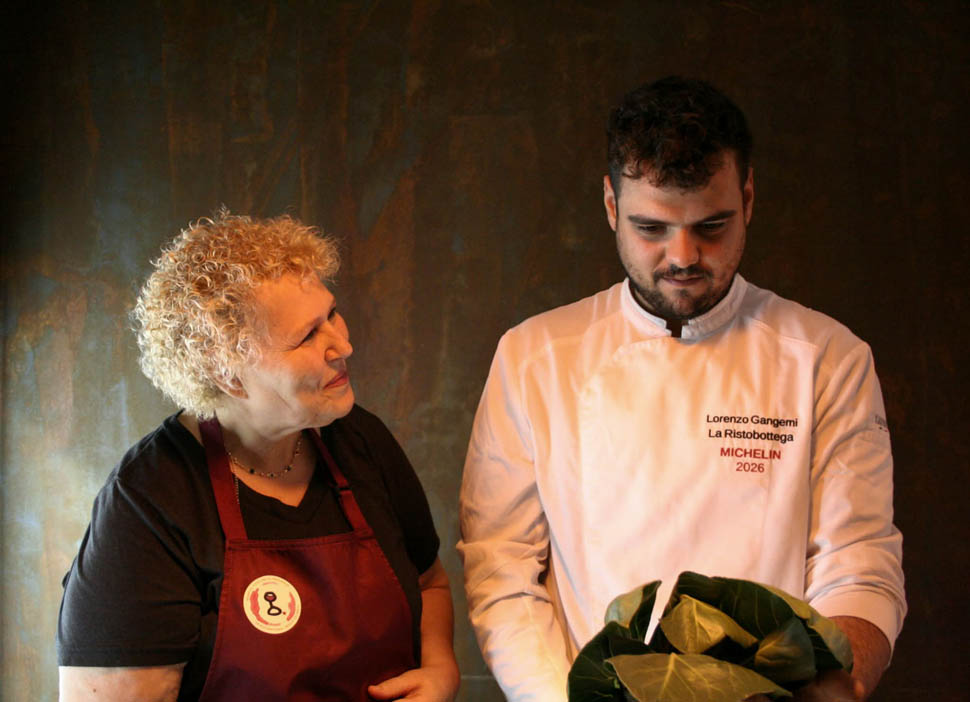
Lunch service allows us to operate continuously, reach a wider customer base, and help cover the costs of the evening service. The restaurant, on the other hand, is a space dedicated to culinary exploration, investing in high-quality ingredients, and experimentation. The two kitchens share some resources and ingredients, but they have two distinct identities.
Marina’s Shop and Kitchen: From Daily Groceries to Thursday’s Gnocchi
The primary identity of La Ristobottega is the one that most closely reflects the original meaning of the name. The shelves are stocked with cured meats, cheeses, 'nduja, preserves, local specialties, and gourmet items that extend even beyond the borders of Calabria, while at lunchtime, Mama Marina Gangemi prepares dishes that draw on family recipes, without limiting herself to Calabrian cuisine.
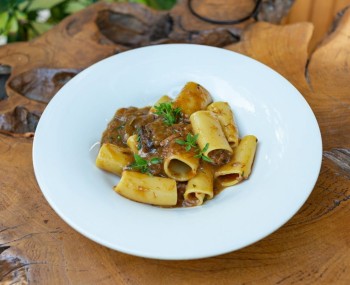
The menu features dishes from various Italian regions, with simple, traditional recipes and a special focus on ingredient selection. Marina plans the menu weekly but shops for groceries daily, sourcing ingredients from select butchers and suppliers. She uses only fresh ingredients and takes all the time needed to prepare the dishes.
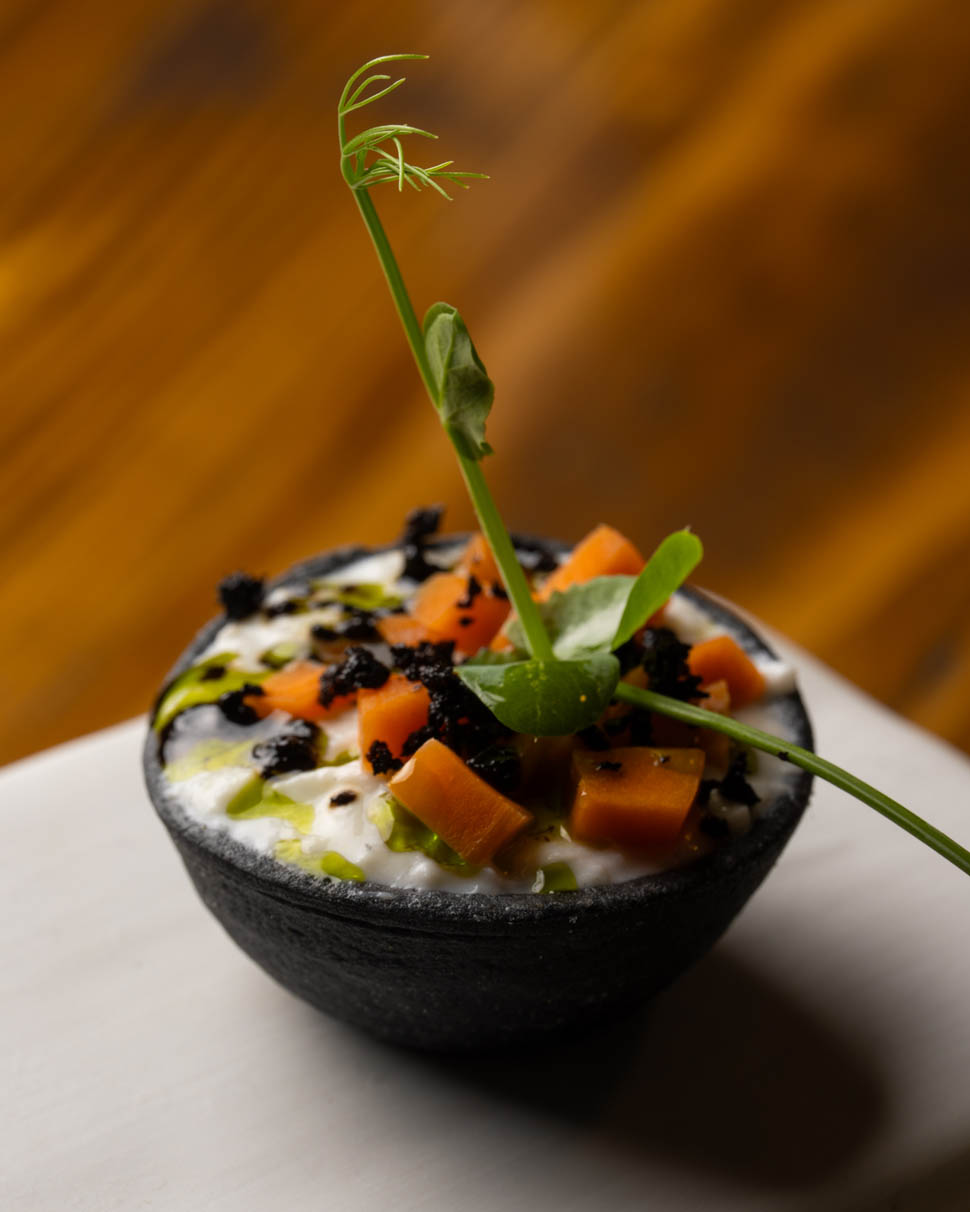
“I let the sauce simmer for three hours, and the ragù even longer,” she says. Her cooking draws on recipes she learned from her mother and grandmother, featuring legumes every day—from lentils to dried fava beans—and a variety of vegetarian options. There are meatballs in sauce, Thursday’s gnocchi, meat and vegetable dishes—even in less traditional preparations, such as homemade veggie burgers.
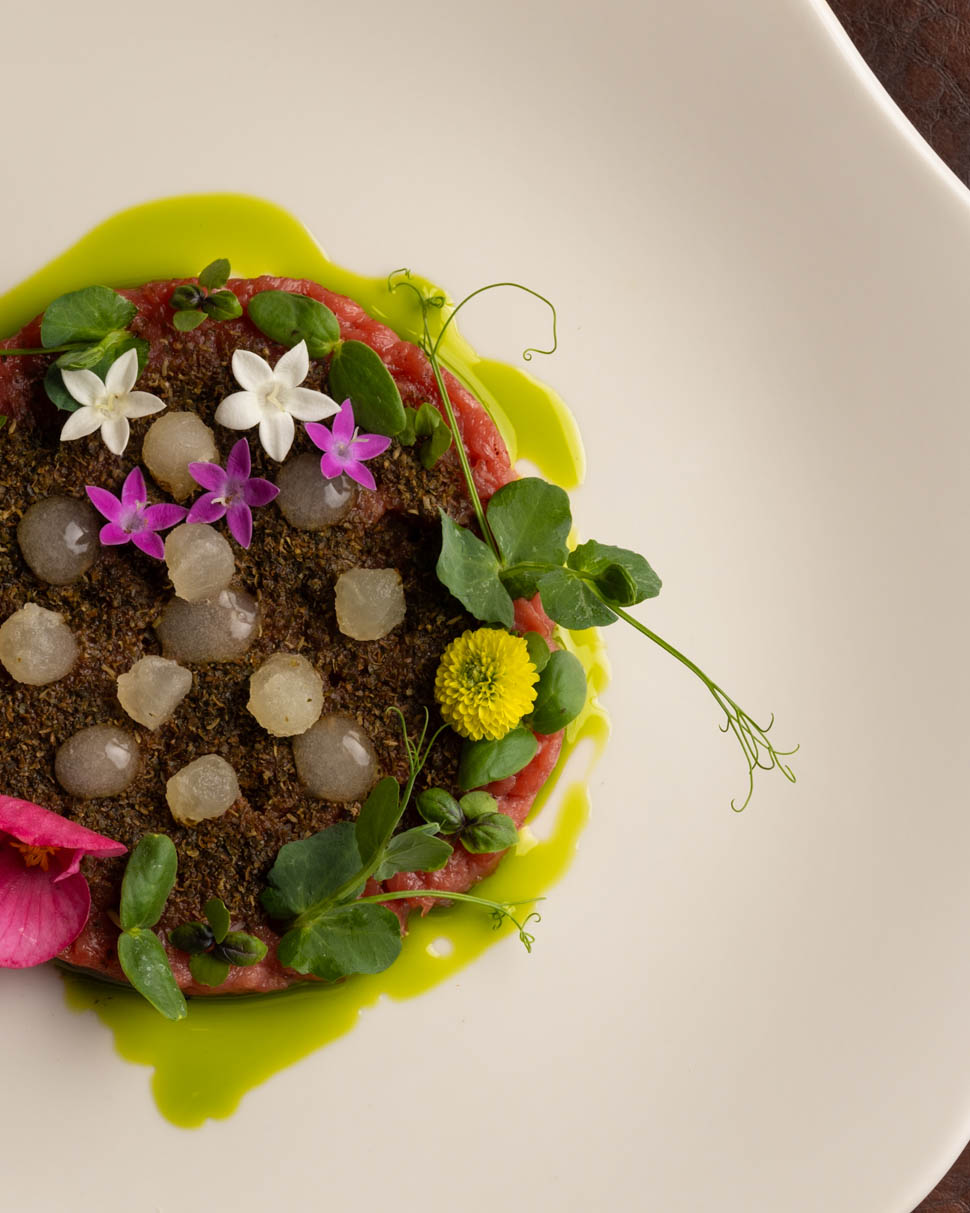
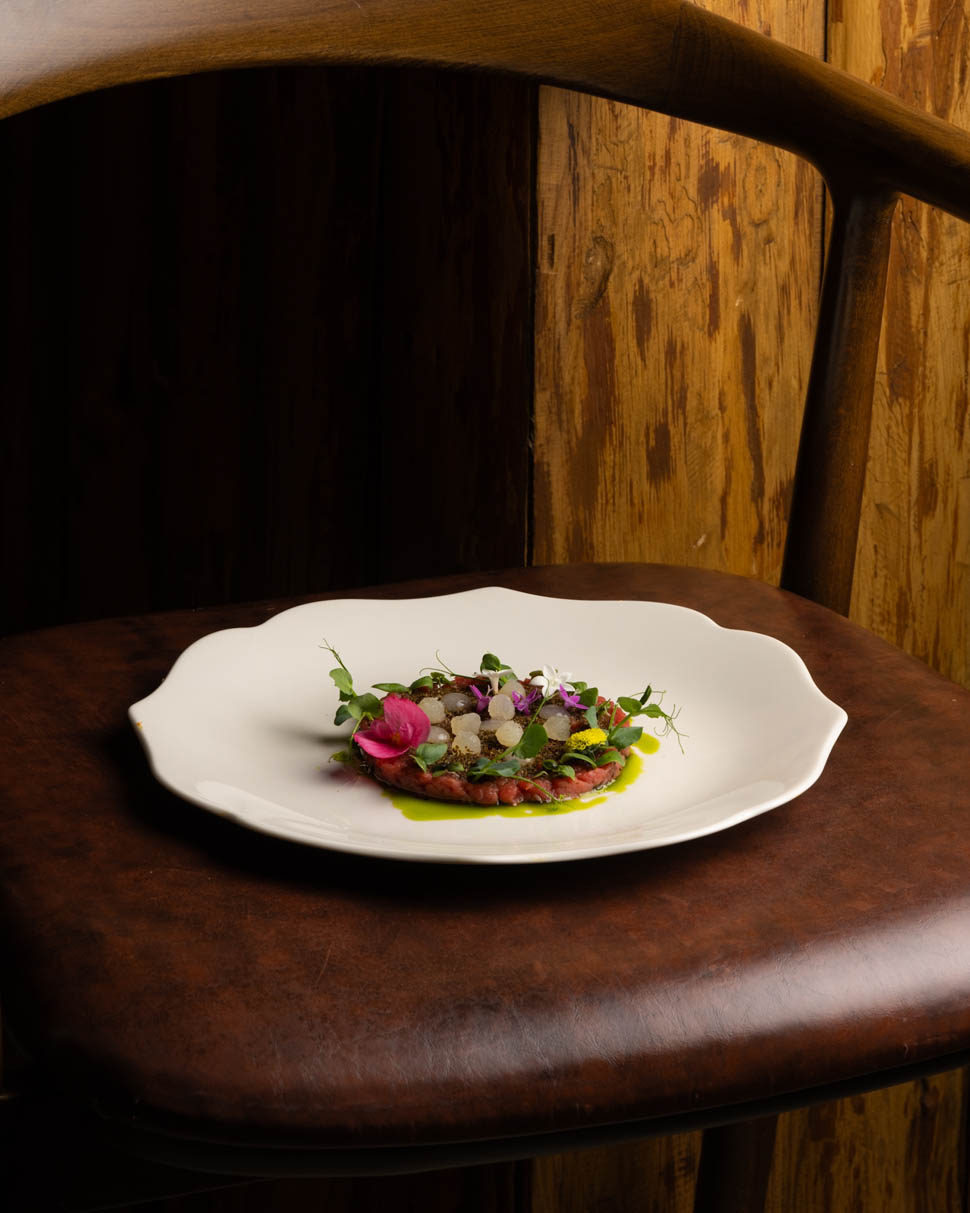
The restaurant is frequented mainly by people who work in nearby offices—including banks and professional firms—who are looking for a simple, affordable lunch without compromising on quality. But the relationship between the two kitchens goes beyond simply sharing space. Some ingredients purchased for fine dining—or parts not used in the evening’s preparations—find a second life in Marina’s dishes. A cut of meat selected for a tartare, for example, may yield parts suitable for slow cooking and be turned into a ragù for the next day’s lunch. The same principle applies to bread, which is also repurposed in the restaurant’s dessert preparations.
Everything Changes in the Evening: Lorenzo Gangemi’s Fine Dining Cuisine
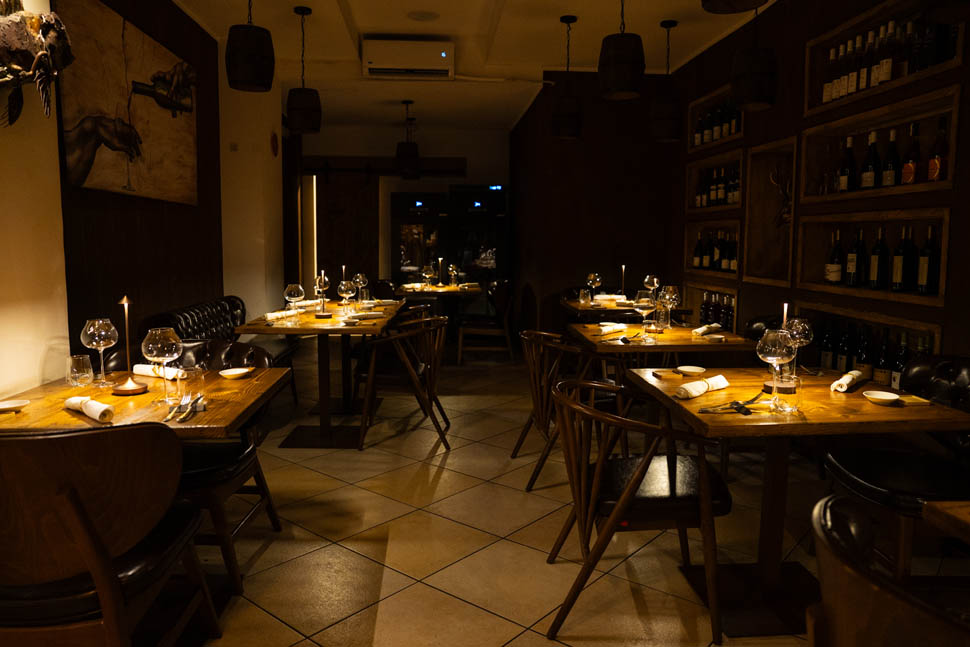
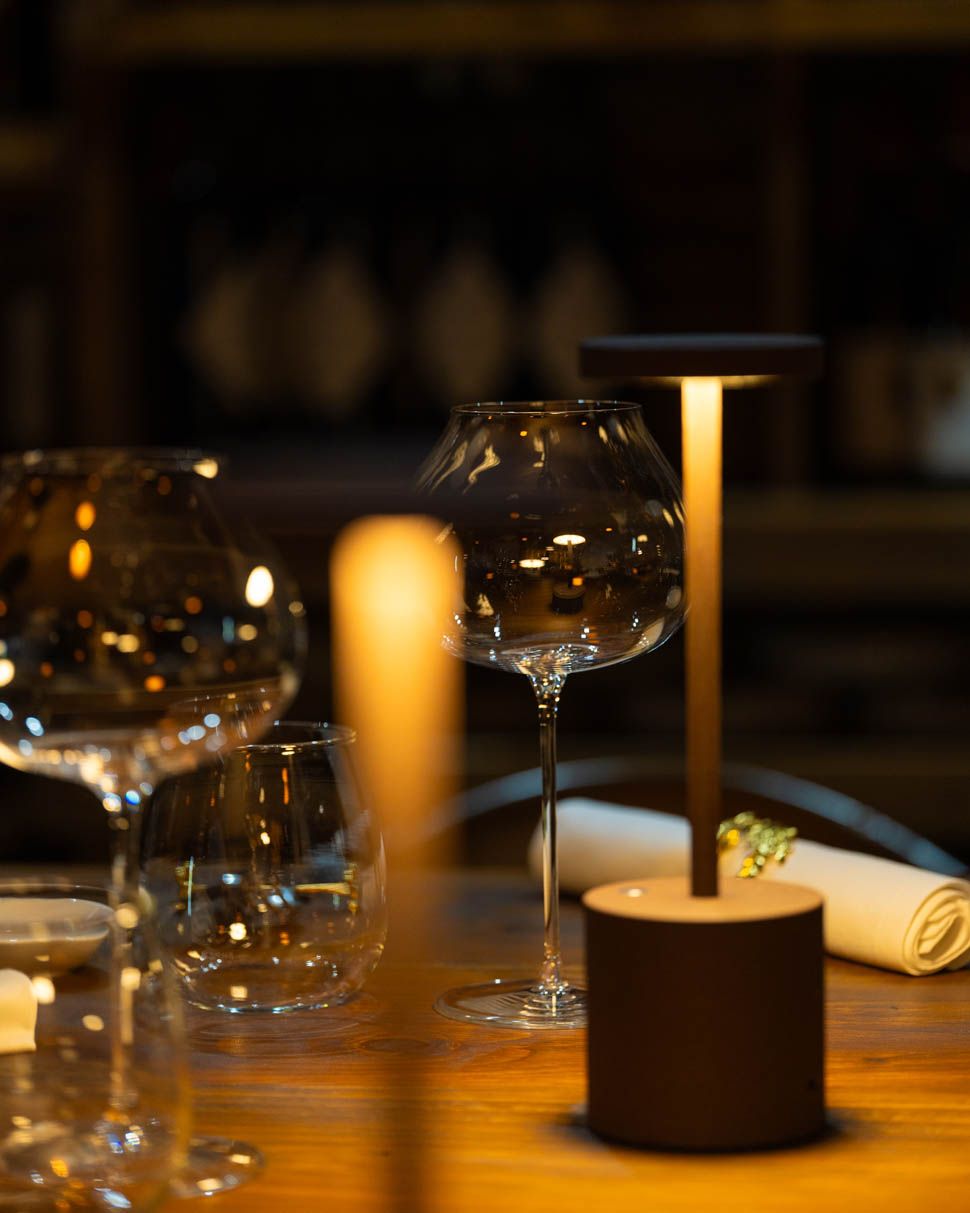
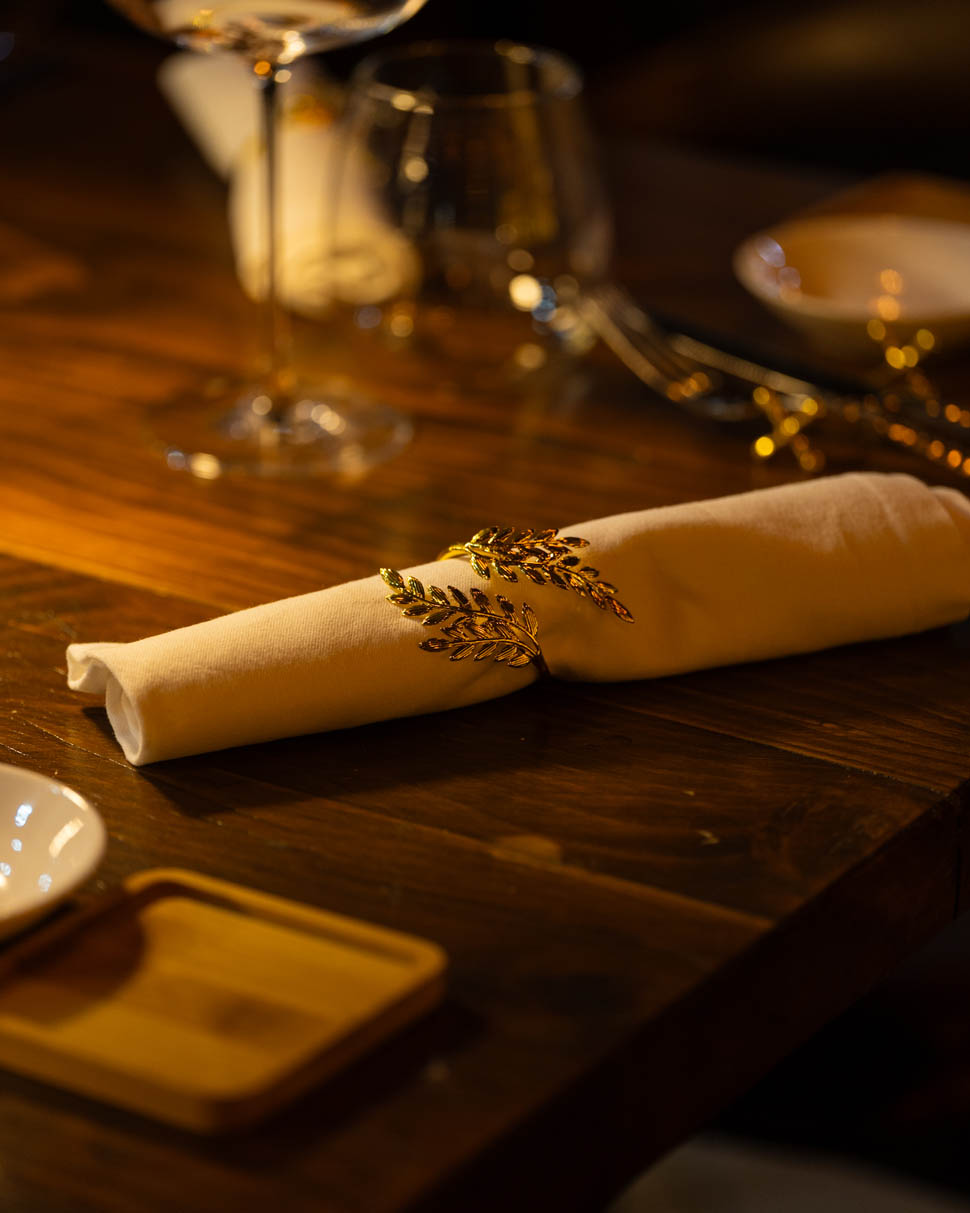
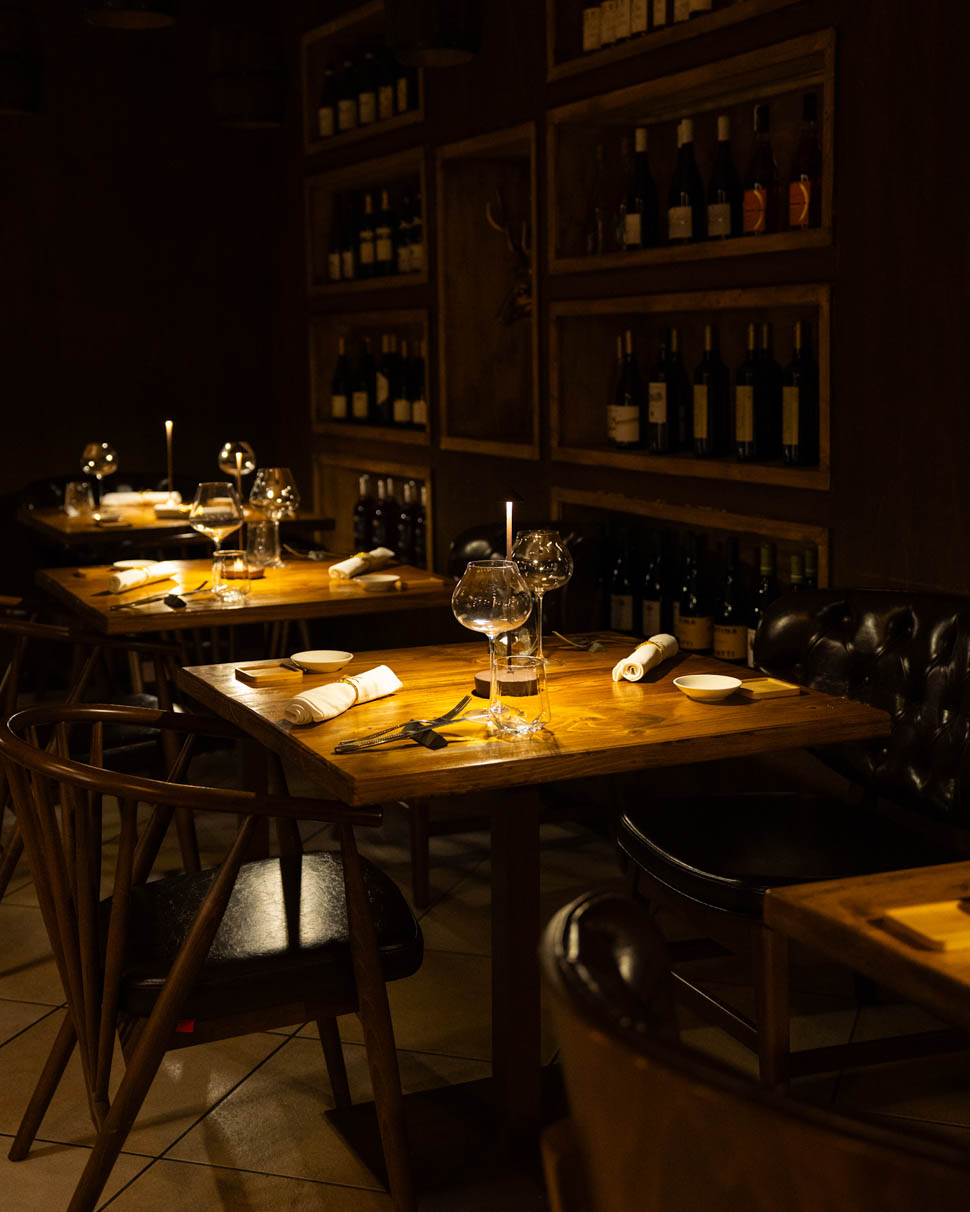
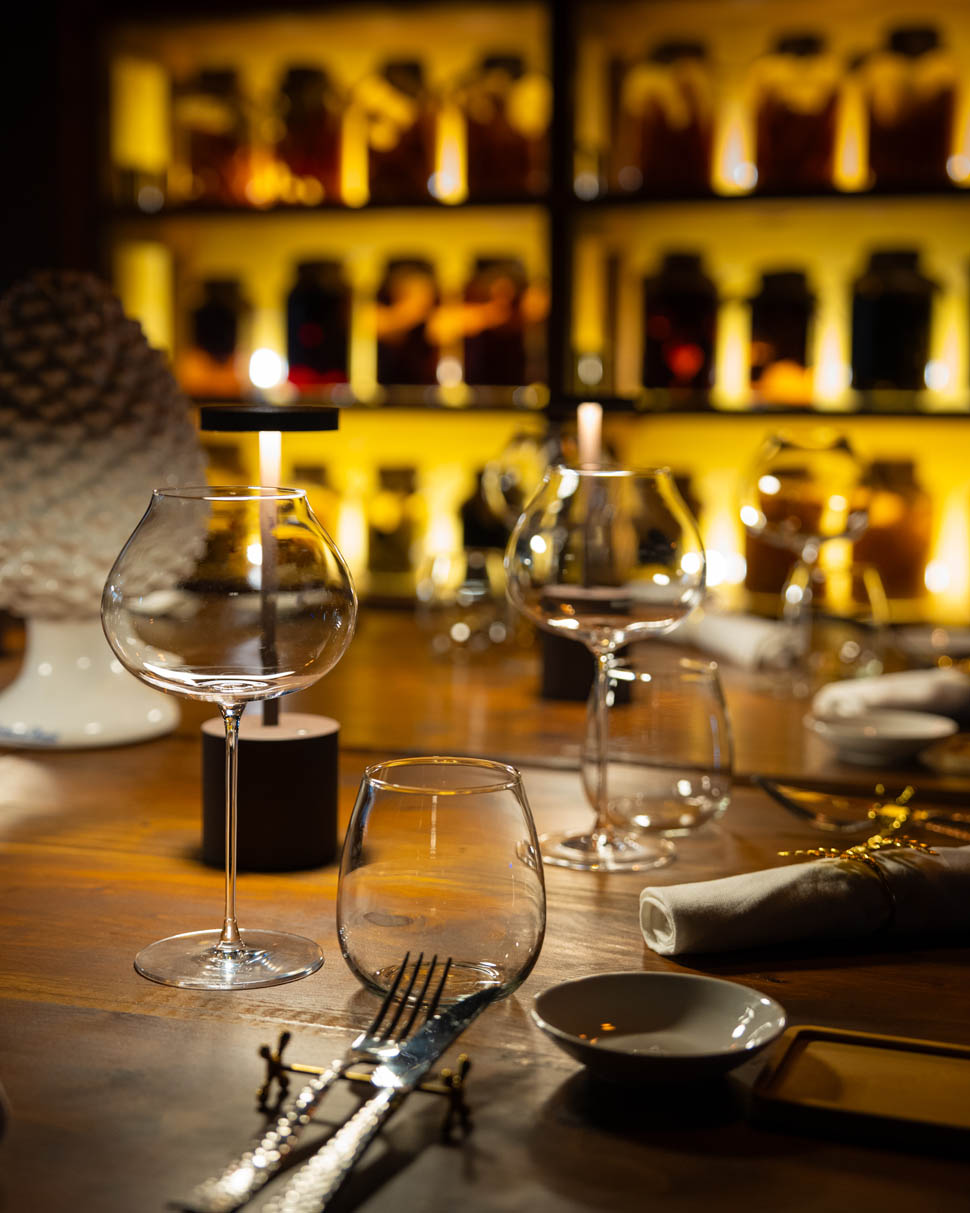
When lunch service ends, La Ristobottega takes on a new look. The display counters are covered, the tables are set for dinner, the restaurant’s table settings appear, and the lights come on in the rooms dedicated to fish aging. The space retains its wooden elements but is enriched with details designed for a longer service, including the custom-made armchairs crafted in Istanbul, chosen by Maurizio to ensure guests have a comfortable seat.
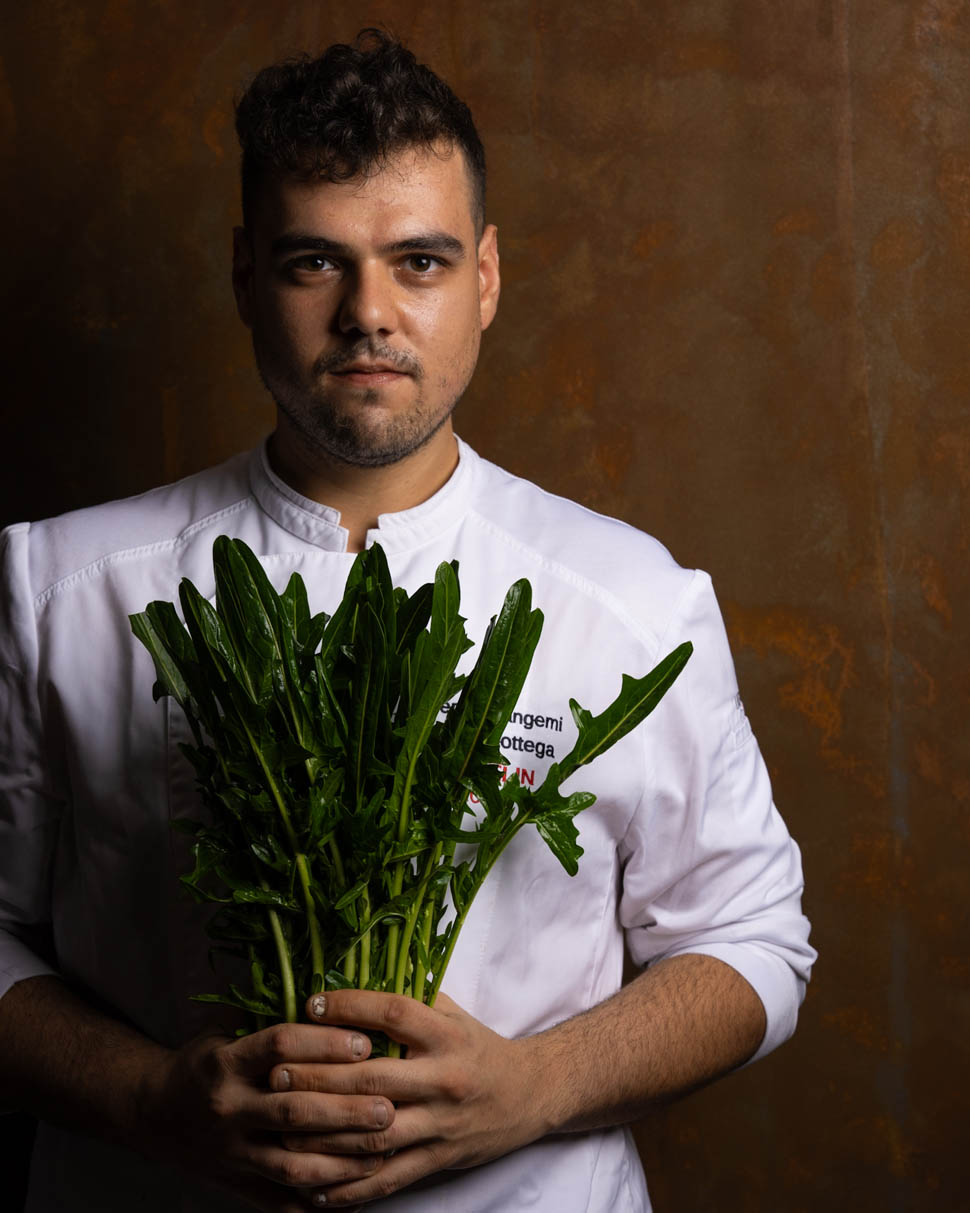
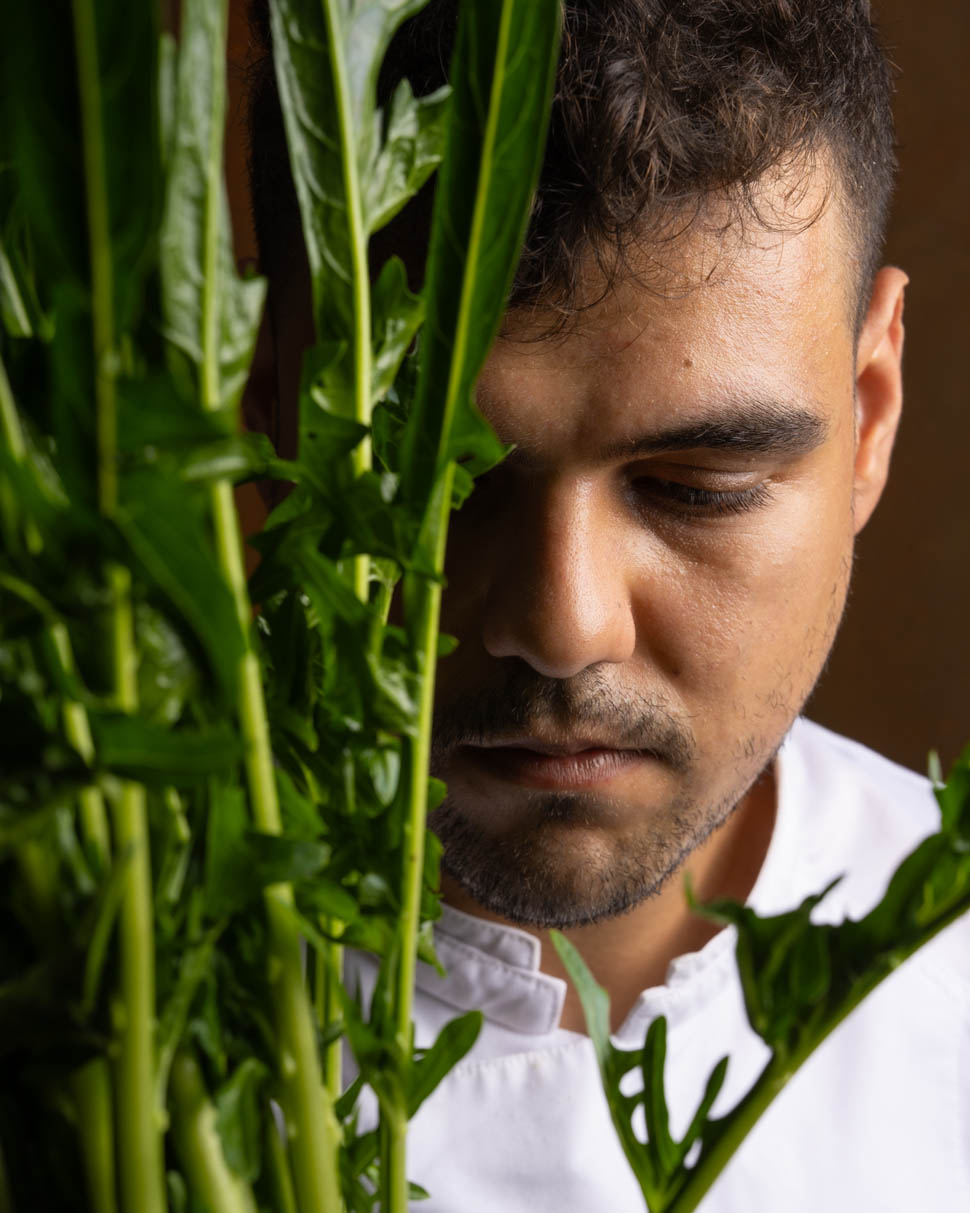
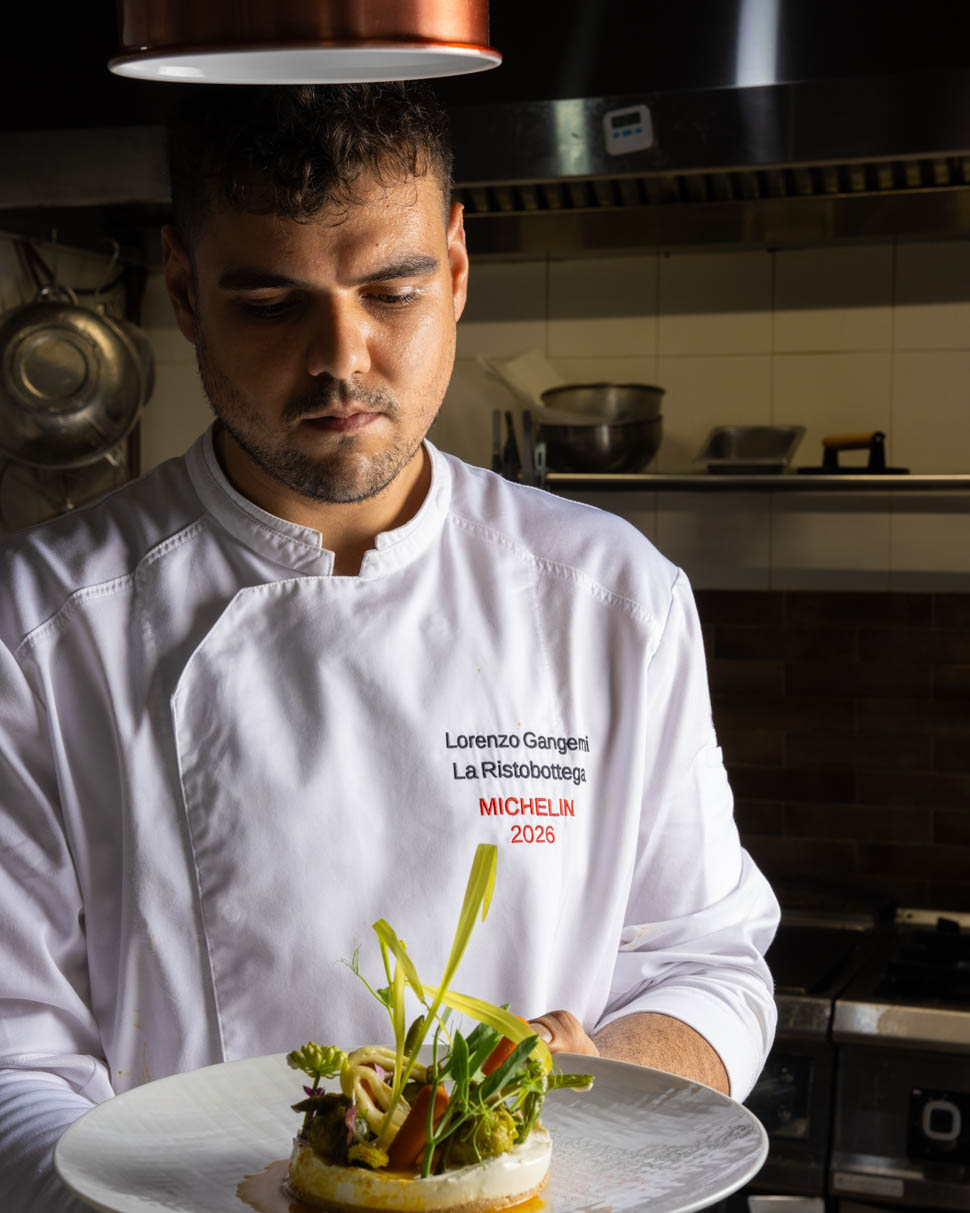
In the kitchen is Lorenzo Gangemi, just 26 years old and already with solid experience under his belt. He began working in professional kitchens at age 13 and, starting the following year, worked at a local restaurant featured in the major culinary guides. He also spent some time in Brescia, but his desire to work in Reggio Calabria outweighed the opportunity to pursue his career elsewhere.
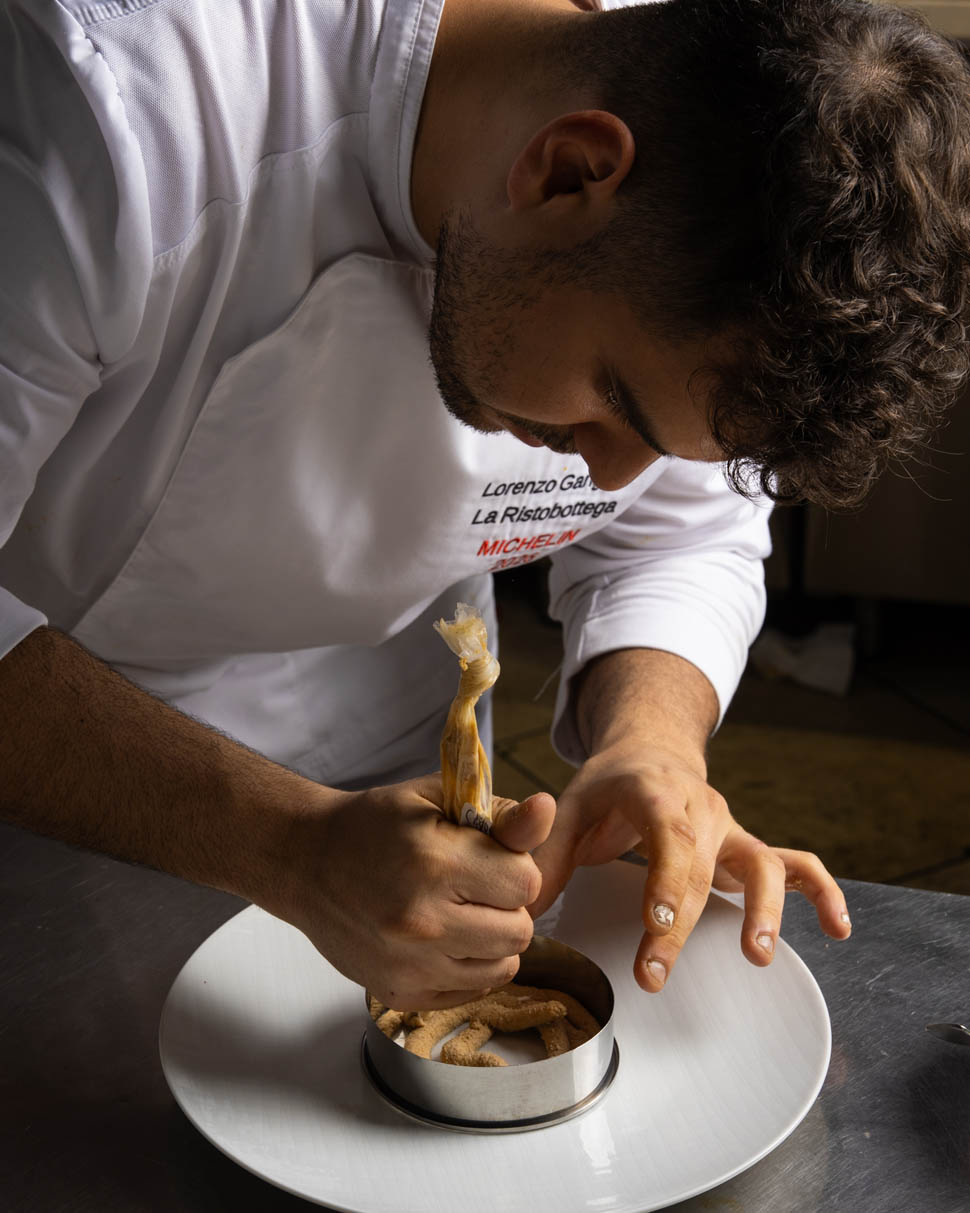
“I came back from Brescia with the idea of giving Reggio a new name,” he says. His goal is to help raise the city’s culinary profile through contemporary cuisine that starts with local ingredients and subjects them to often complex preparations. Alongside these techniques, Lorenzo experiments with lactic and vegetable fermentations, as well as preparations inspired by Japanese cuisine. And this is where Maurizio comes in. A great lover of travel and gastronomy, his older brother visits restaurants in various parts of the world and, upon his return, shares ingredients, techniques, and ideas with Lorenzo to develop.
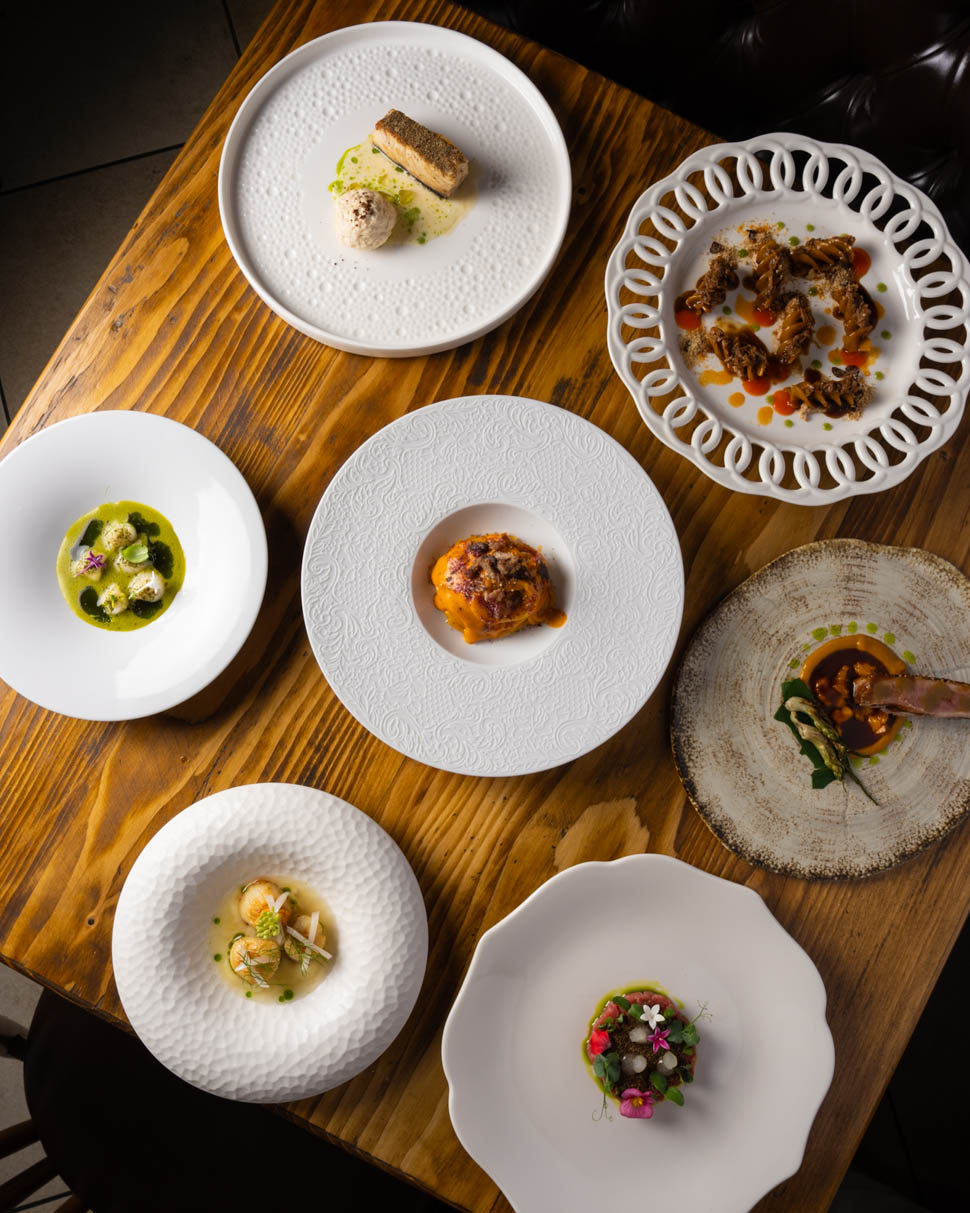
One of the most interesting experiments involves making miso using Calabrian legumes instead of soybeans. The first attempt took place in Maurizio’s home kitchen, where he purchased the necessary ingredients to start the fermentation process and test the results. Since then, the experimentation has continued with Aspromonte pappaluni beans, cicerchie, and other local legumes. Black garlic, black Tropea onions, and black lemons are also produced and used to add aromatic complexity to dishes.
The Aging of Fish and Meat and the Dishes at La Ristobottega
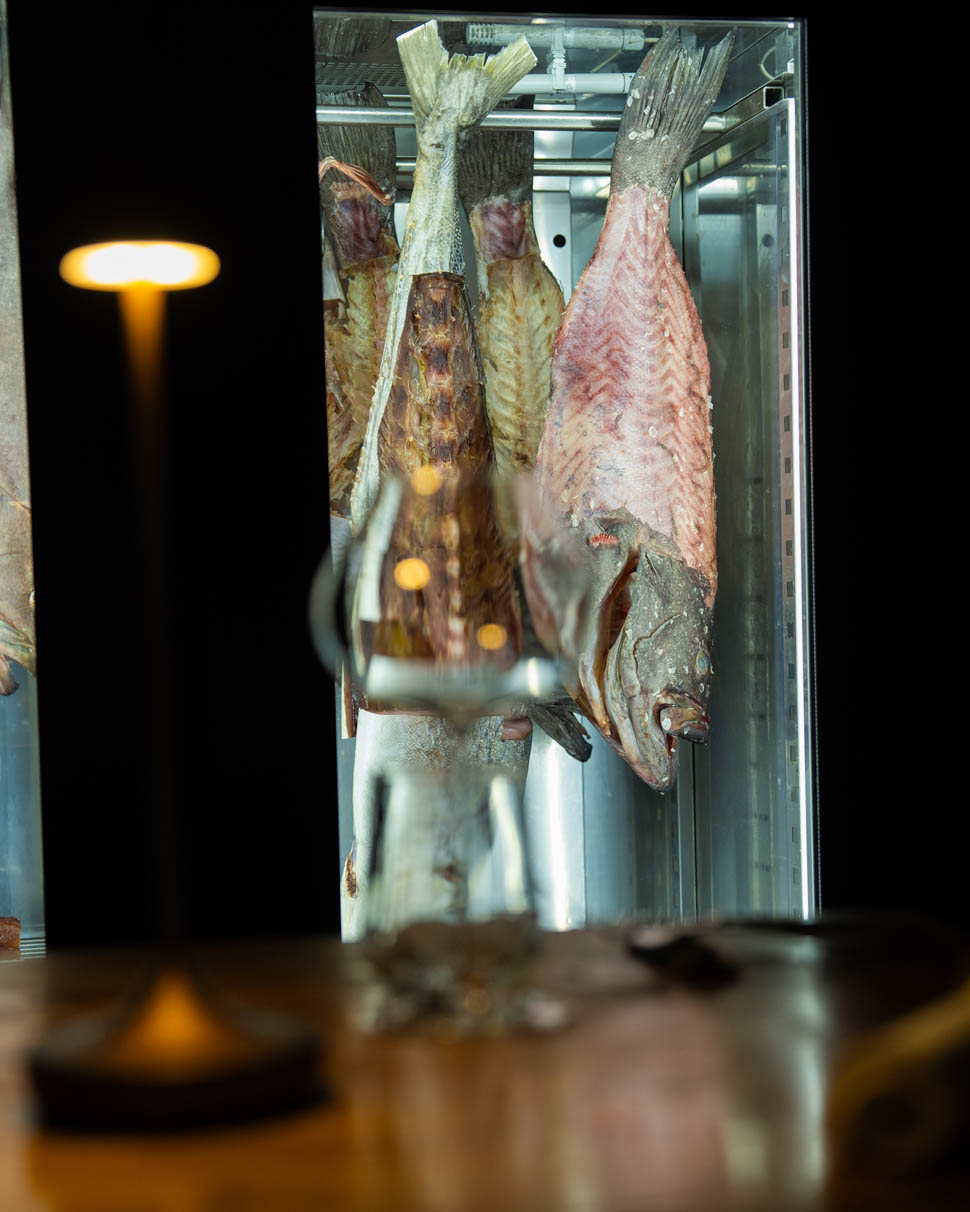
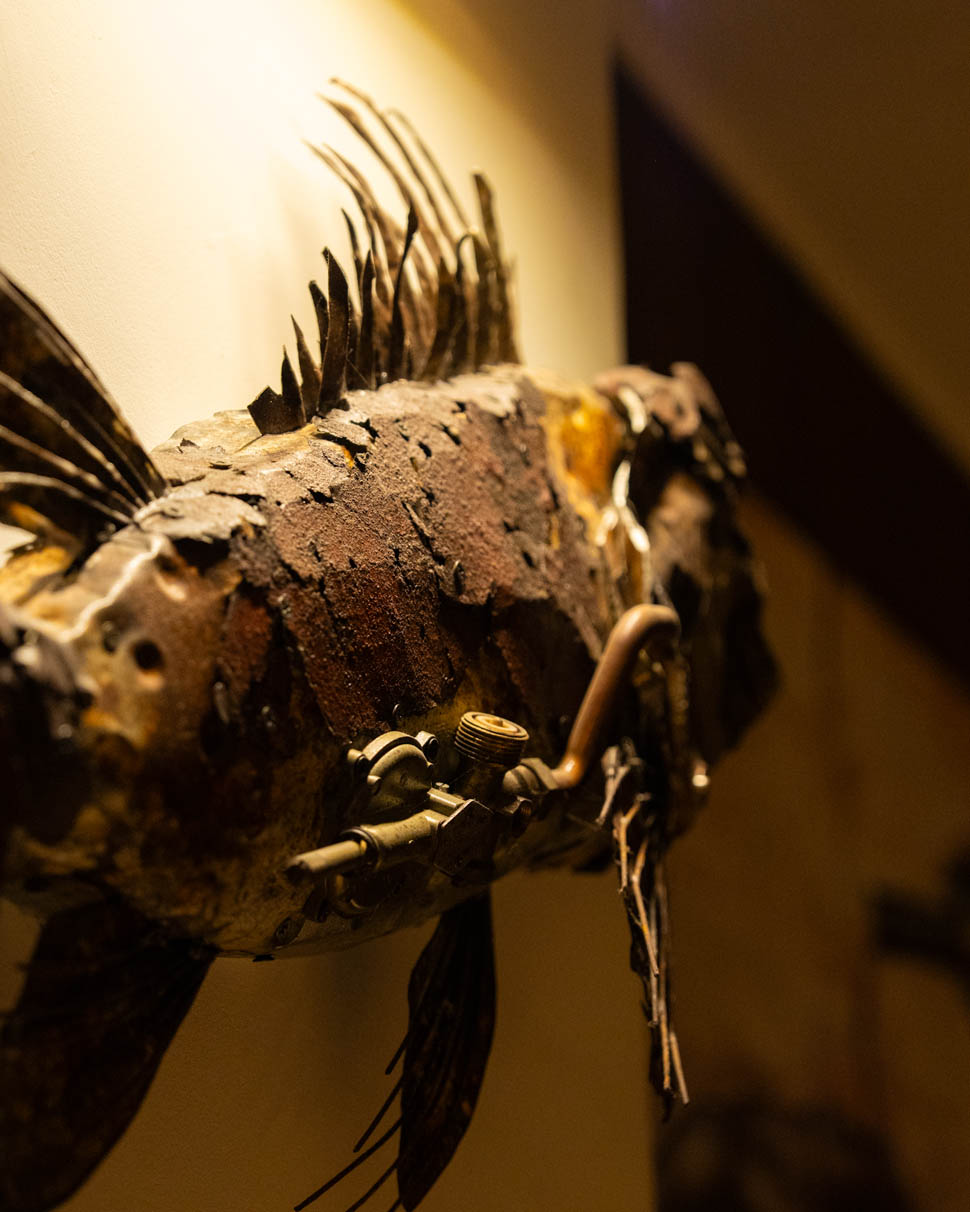
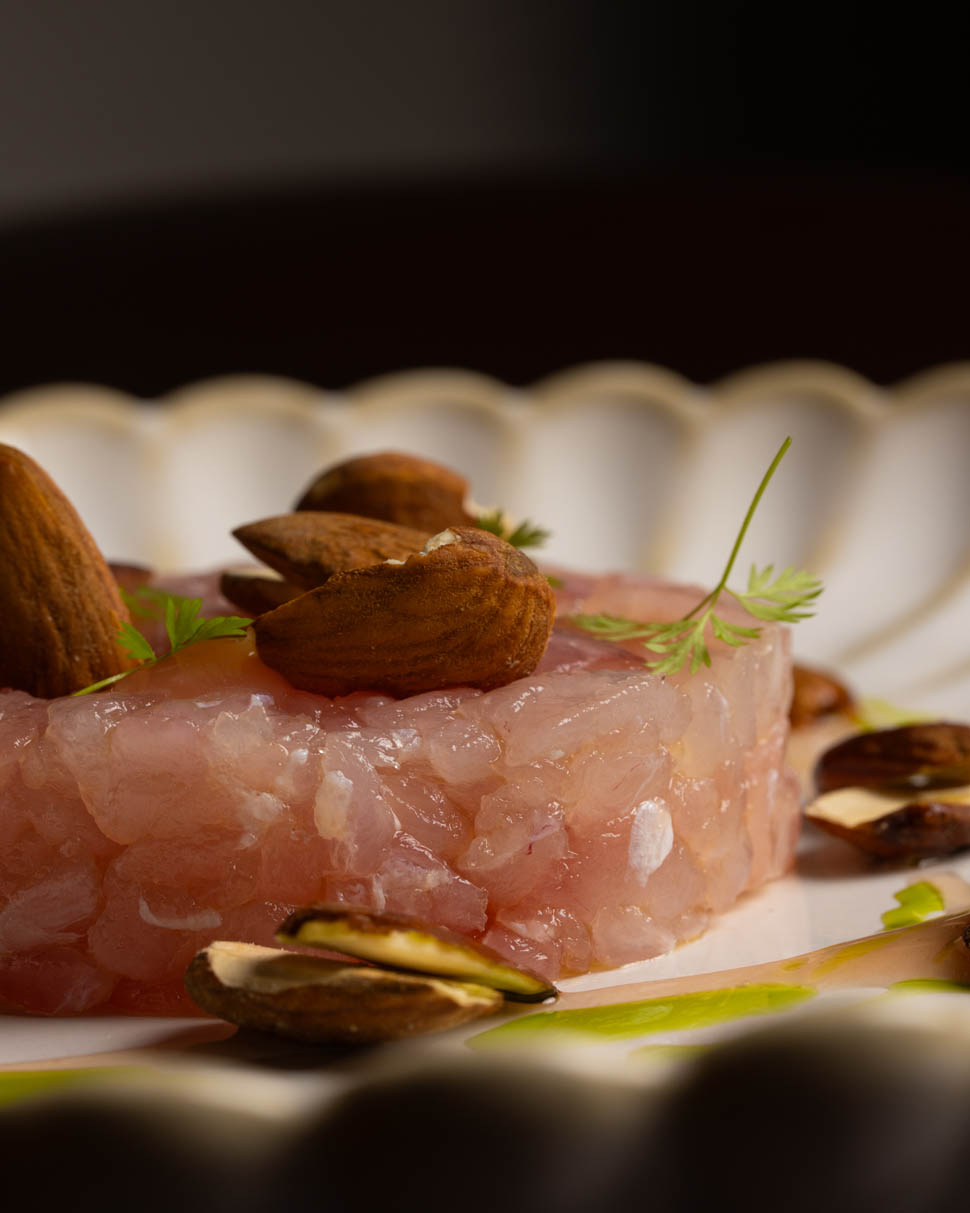
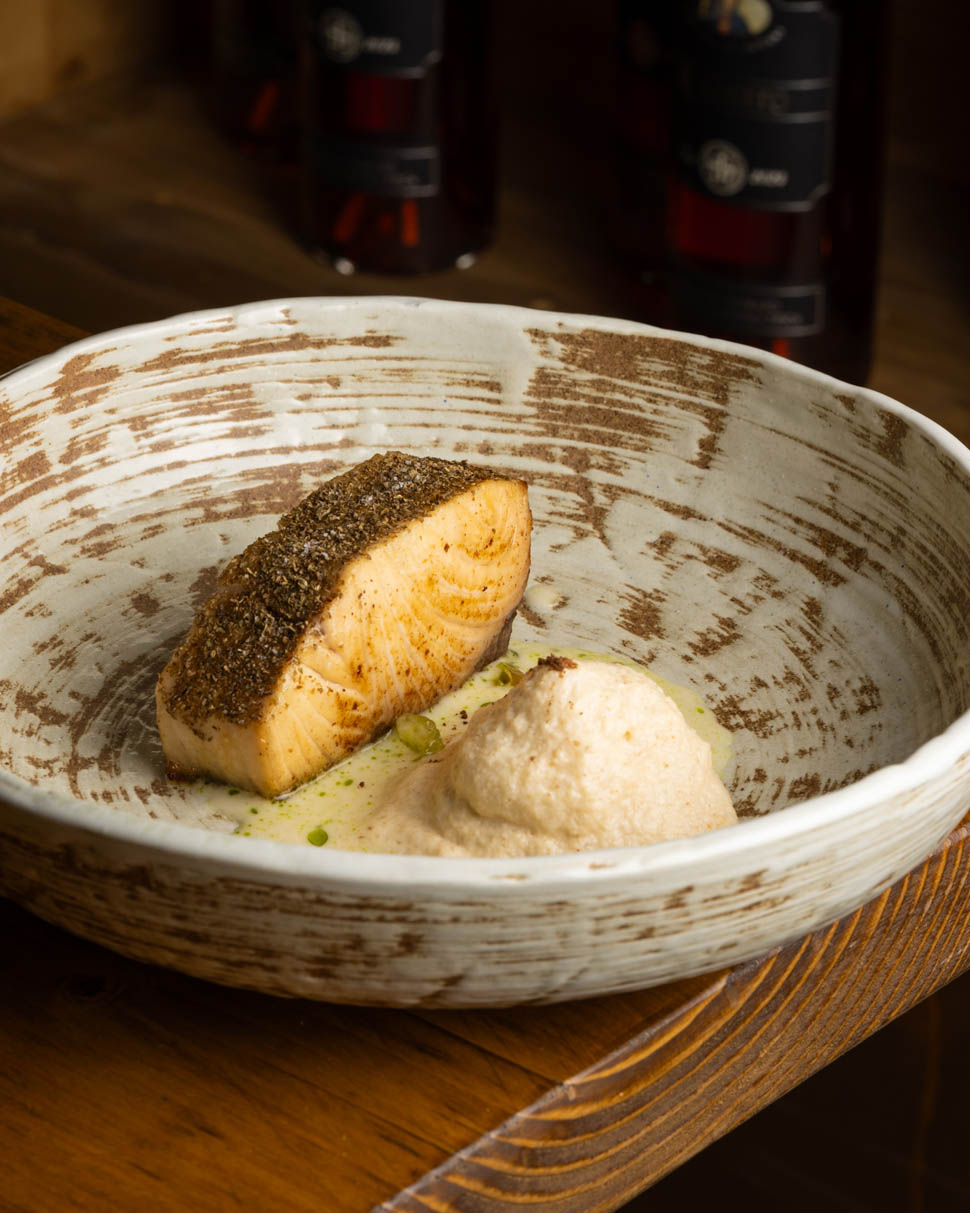
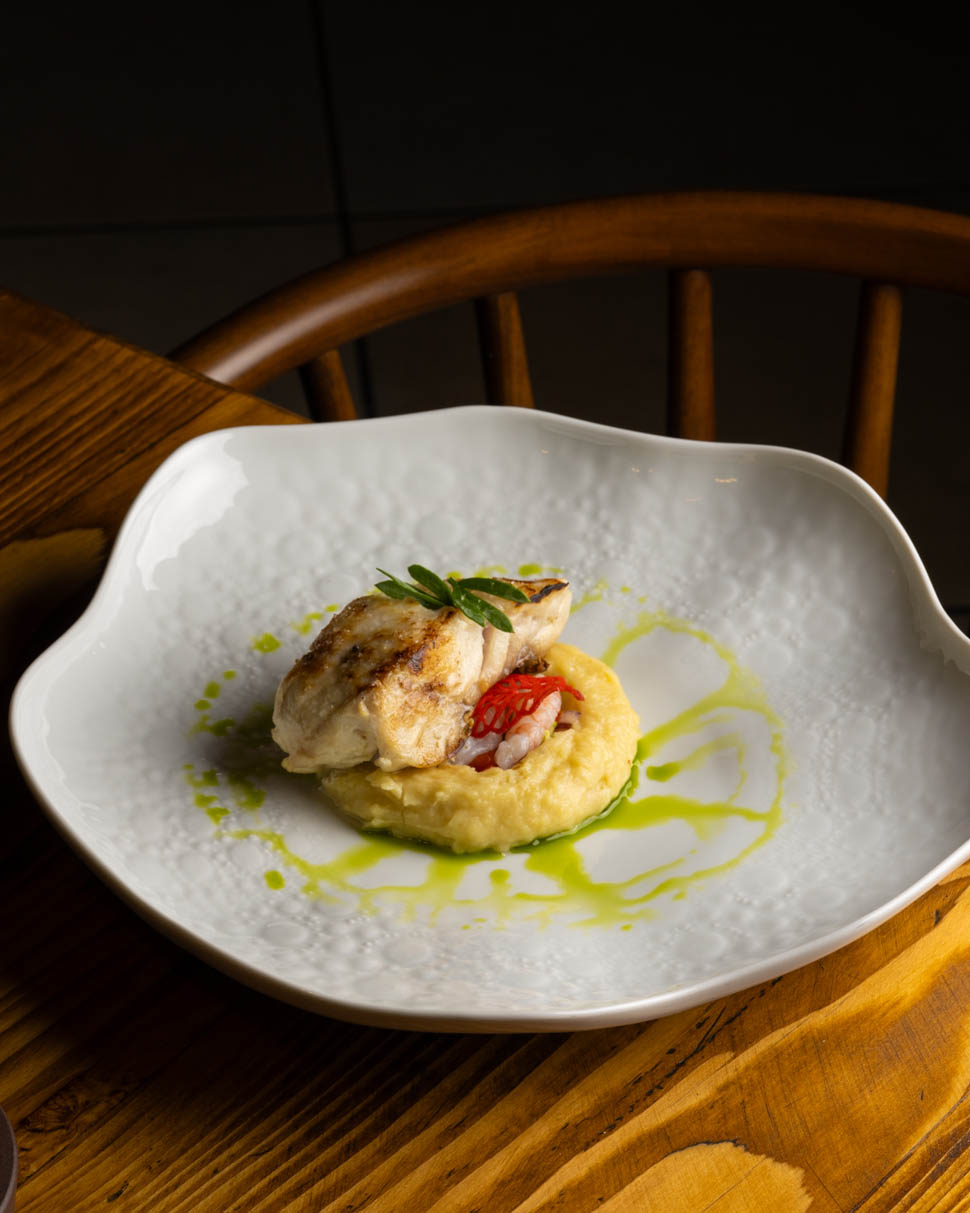
The main area of research is the aging of fish, a technique upon which La Ristobottega has built a large part of its culinary identity. In two dedicated aging chambers, the restaurant primarily ages Mediterranean species such as red grouper, yellowtail, monkfish, and bluefin tuna, with the selection based on the availability of the catch. There is no shortage of fish that are less in demand on the market, such as mullet, which Lorenzo considers particularly interesting precisely because of the possibilities offered by its preparation.
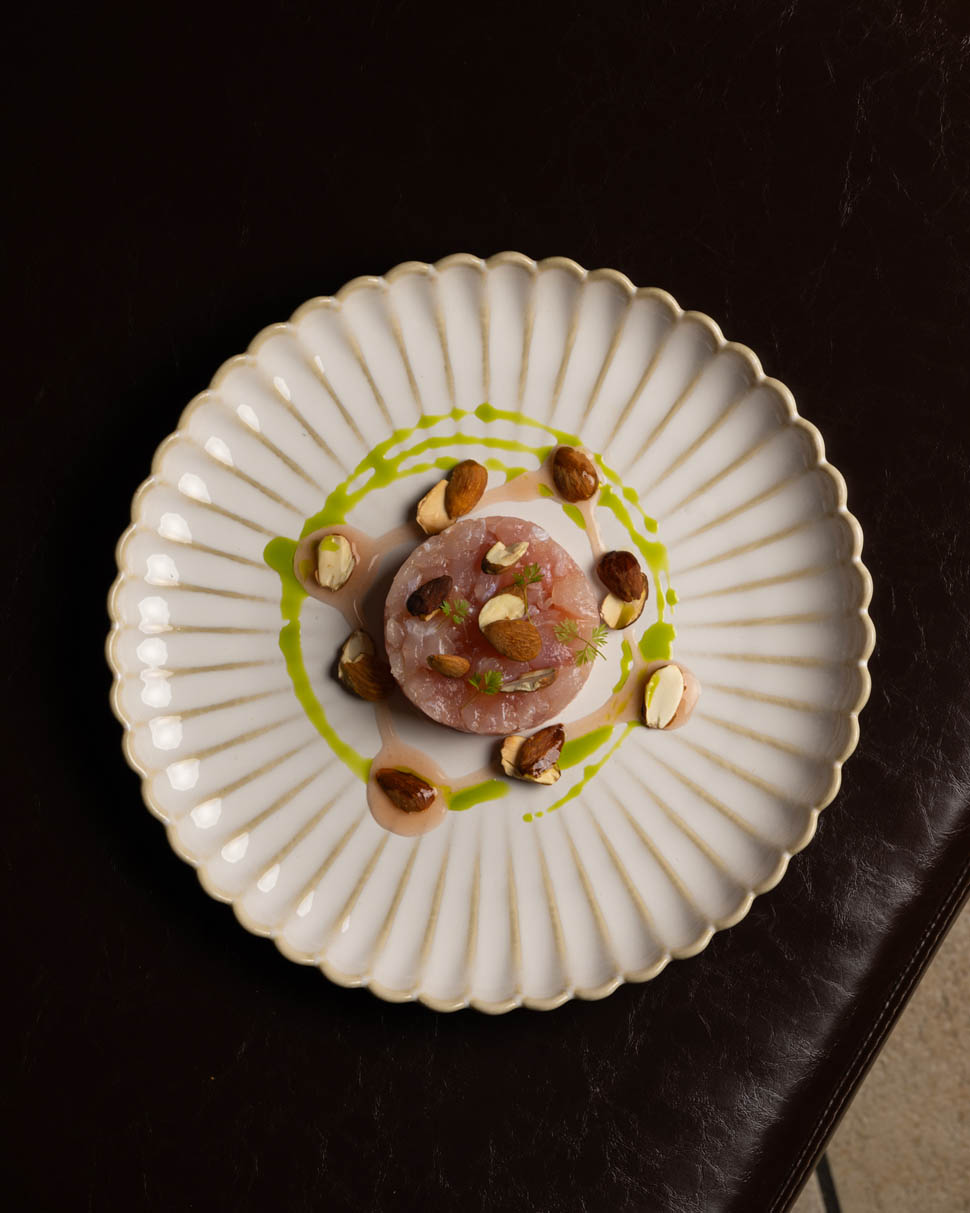
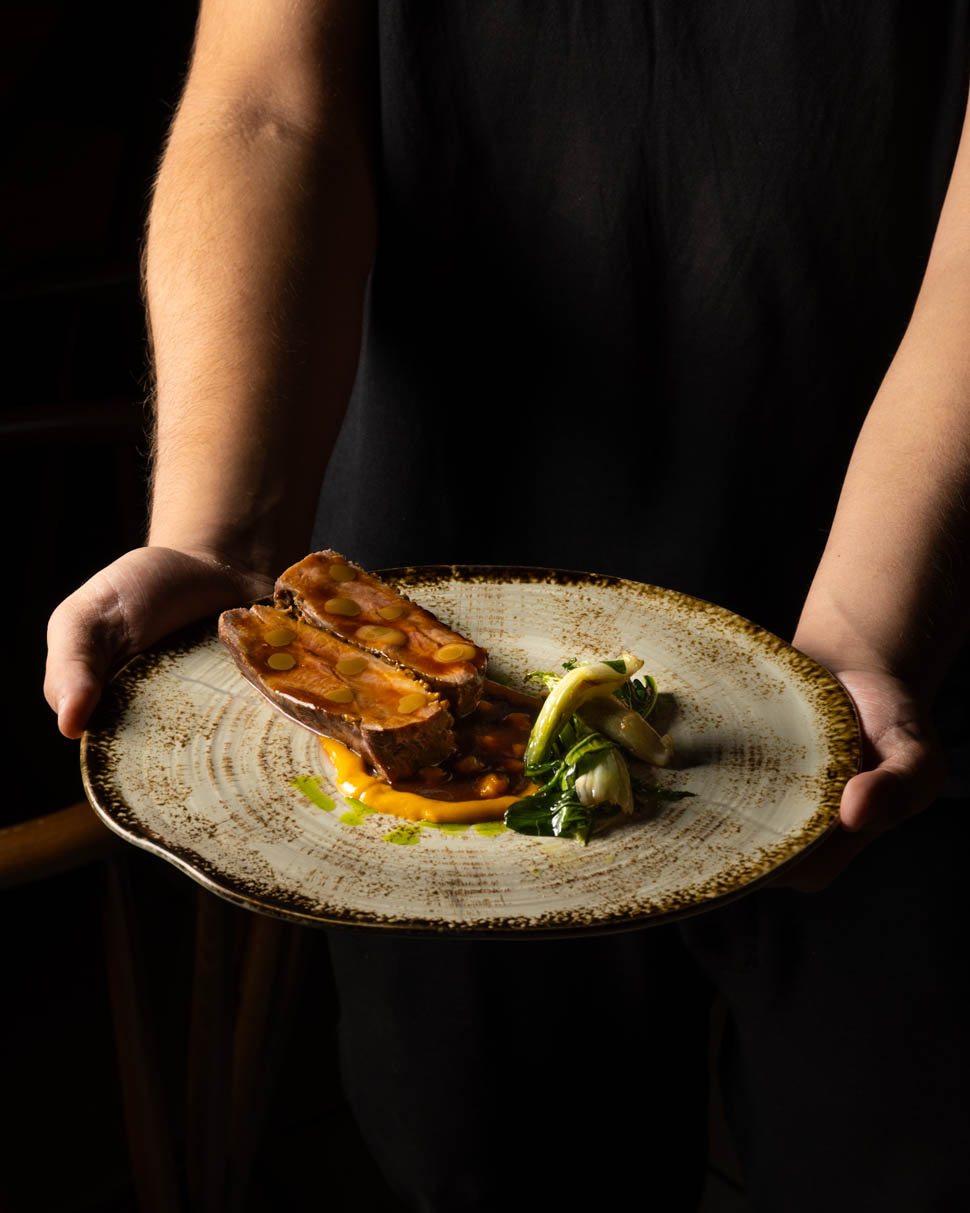
Maturation is also used for certain cuts of meat, but for shorter periods—generally no longer than thirty days. The goal is not necessarily to extend the aging process, but rather to achieve the result best suited to the raw ingredients and the dish. This approach is reflected in the menu, which features a mix of meat and fish, fresh and dried pasta, risotto, and vegetables. There are three tasting menus: L'Essenza, five courses; Menu d'Autore, seven courses; Il Percorso, nine courses. In all cases, the menu features a variety of preparation techniques, with a strong emphasis on aged fish.
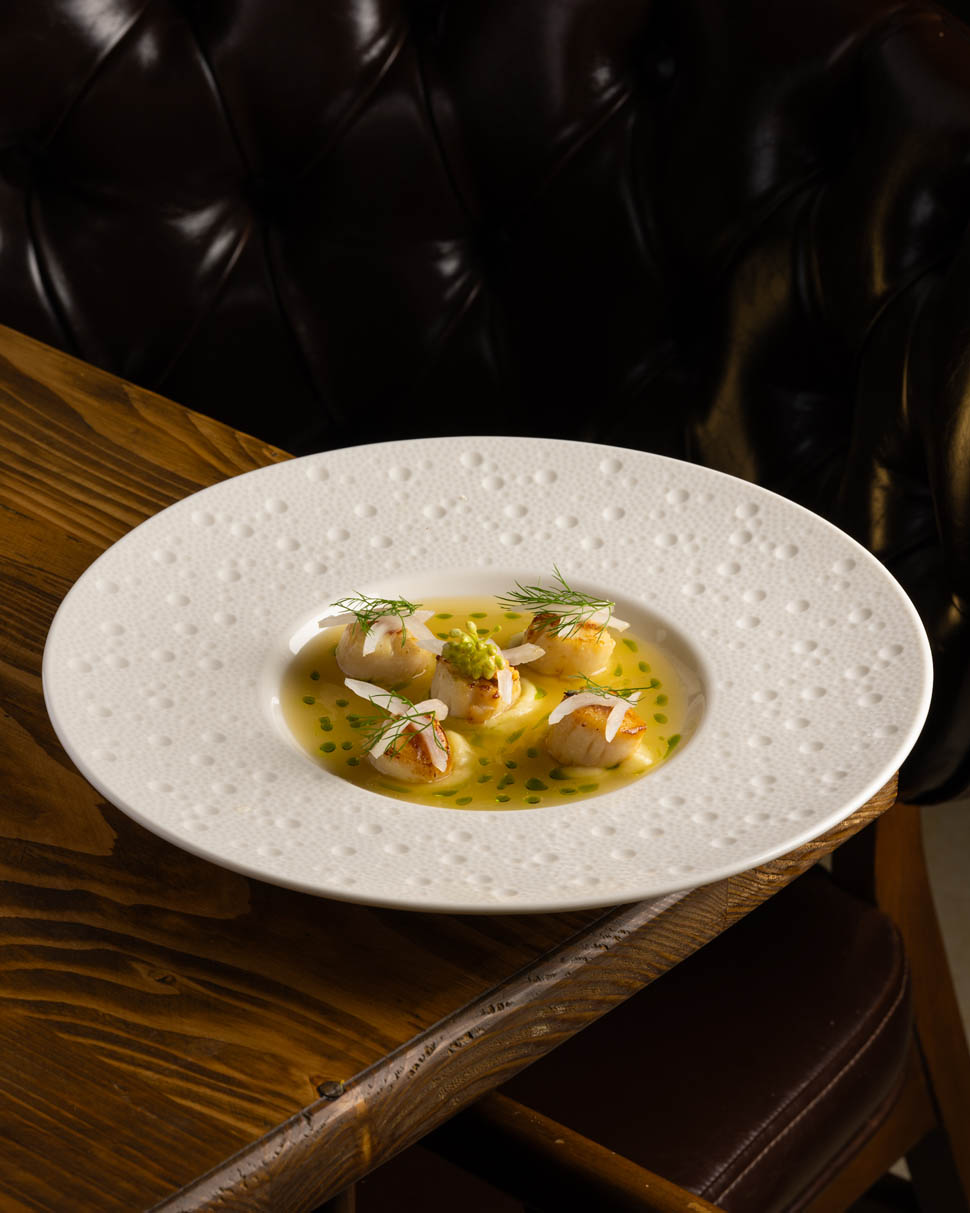
Among the dishes that best represent Lorenzo’s cuisine is seafood Carbonara, a dish that does more than simply borrow the name of the classic Roman dish—it seeks to recreate its fundamental elements using seafood. The guanciale is replaced by dry-aged bluefin tuna belly, cut into cubes and allowed to melt slowly in the pan so that it releases its own fat. The pasta is cooked in a fish stock prepared through a long reduction to absorb its flavor and is finished with egg yolk, black pepper, and a powder made from red Tropea onions, which takes the place of pecorino cheese.
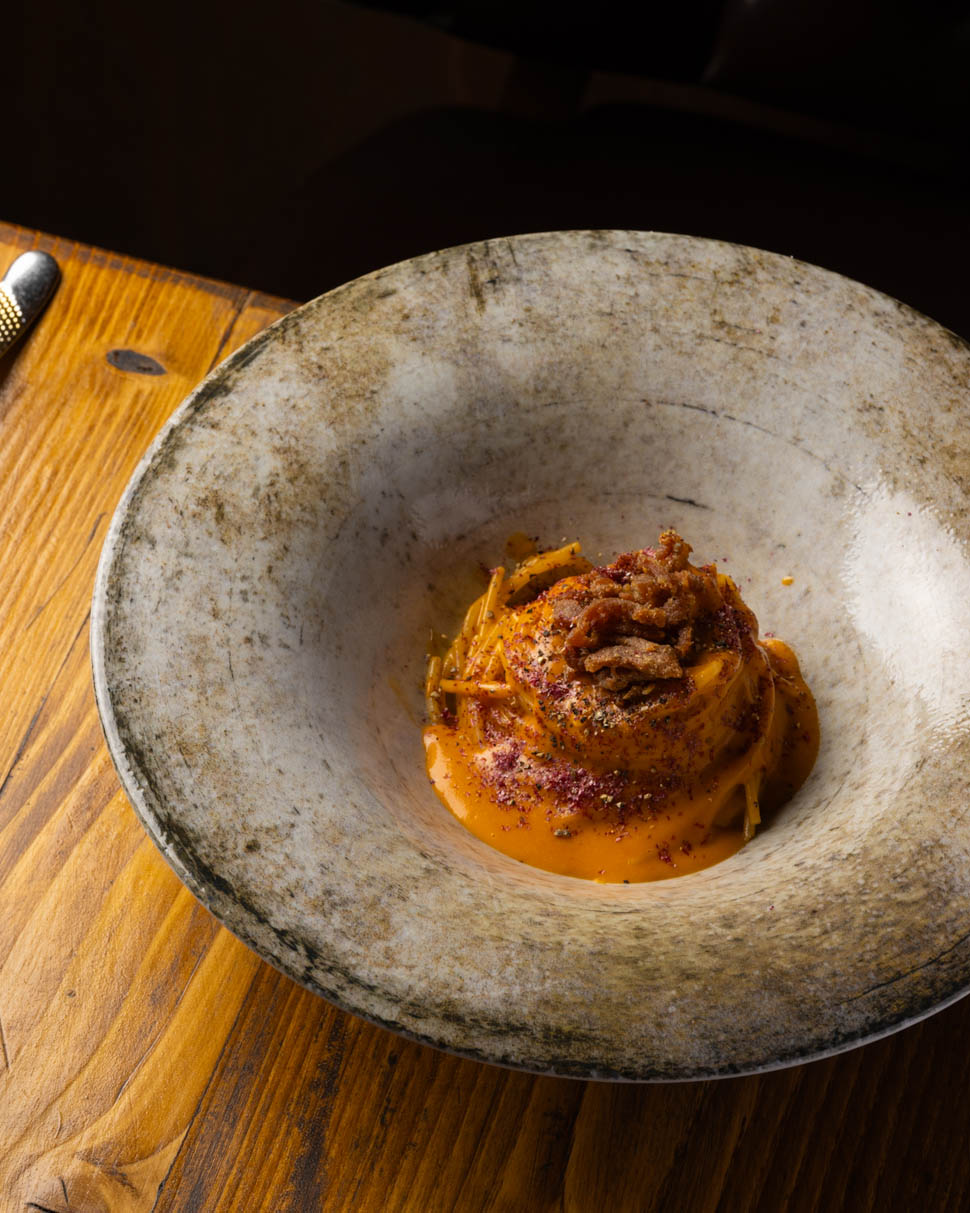
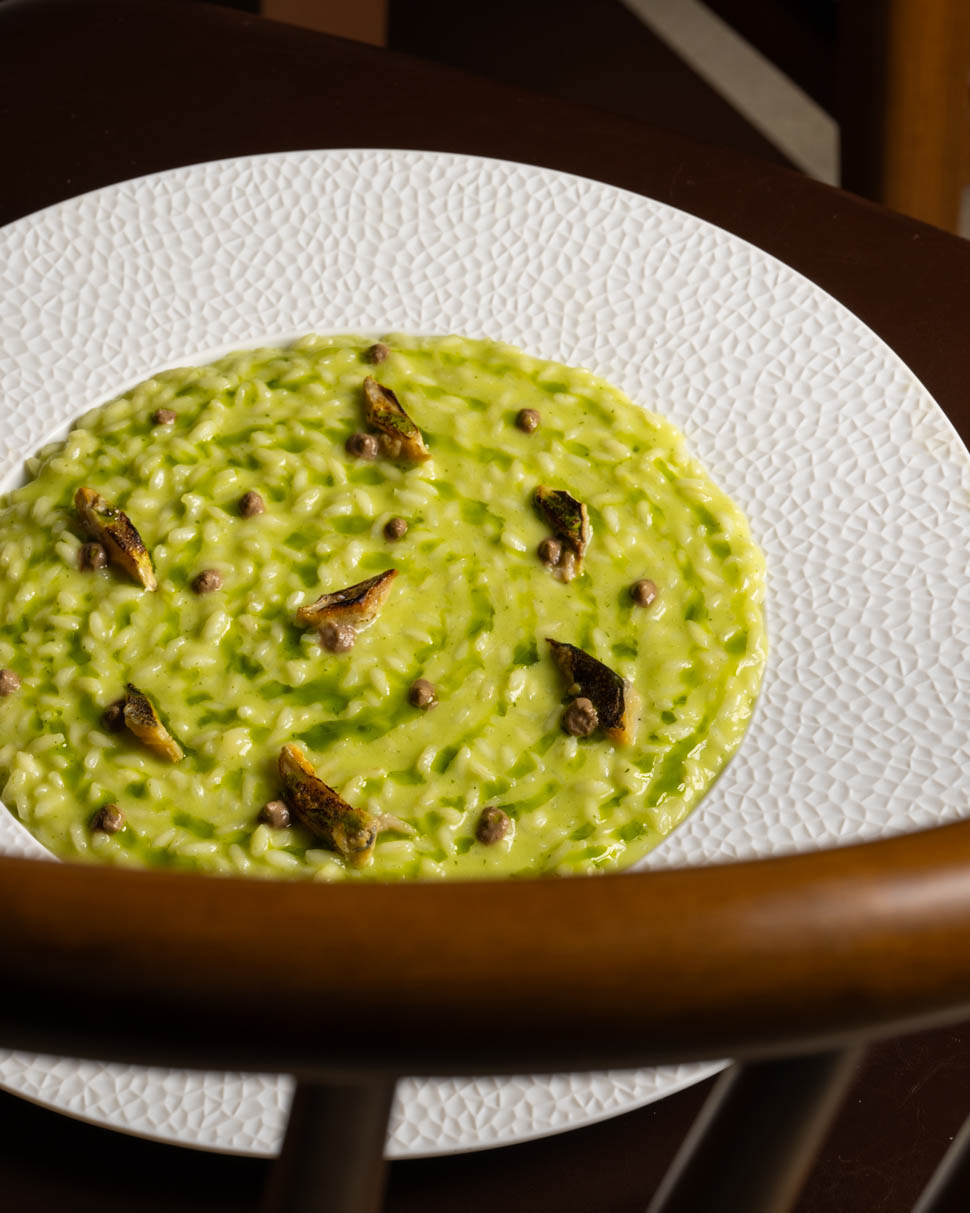
The result is a carbonara that retains the richness and savory depth of the original recipe, but shifts the flavor profile entirely toward the sea. Another interesting dish is the herb risotto with seared mackerel, creamed with a mixture of parsley, chives, and chervil, and finished with mackerel seared on the skin side and fermented black lemon. The choice of lemon over bergamot stems from the greater bitterness that bergamot would develop through the same processing method—a characteristic that Lorenzo prefers not to include in this dish.
The exploration of fermentation returns in the handmade yellowtail tortello, served with fermented onion cream, fish broth, and nori seaweed powder, and in the fusillone with lamb and fermented bell pepper, where the meat is paired with pecorino and crusco bell pepper. Among the main courses, kamado-grilled monkfish is accompanied by its liver, glazed carrots with fermented carrot extract, and a chicken, veal, and bergamot reduction. The yellowtail confit with hazelnut butter, on the other hand, is served with caramelized cauliflower, candied lemon, caper powder, and a yellowtail reduction.
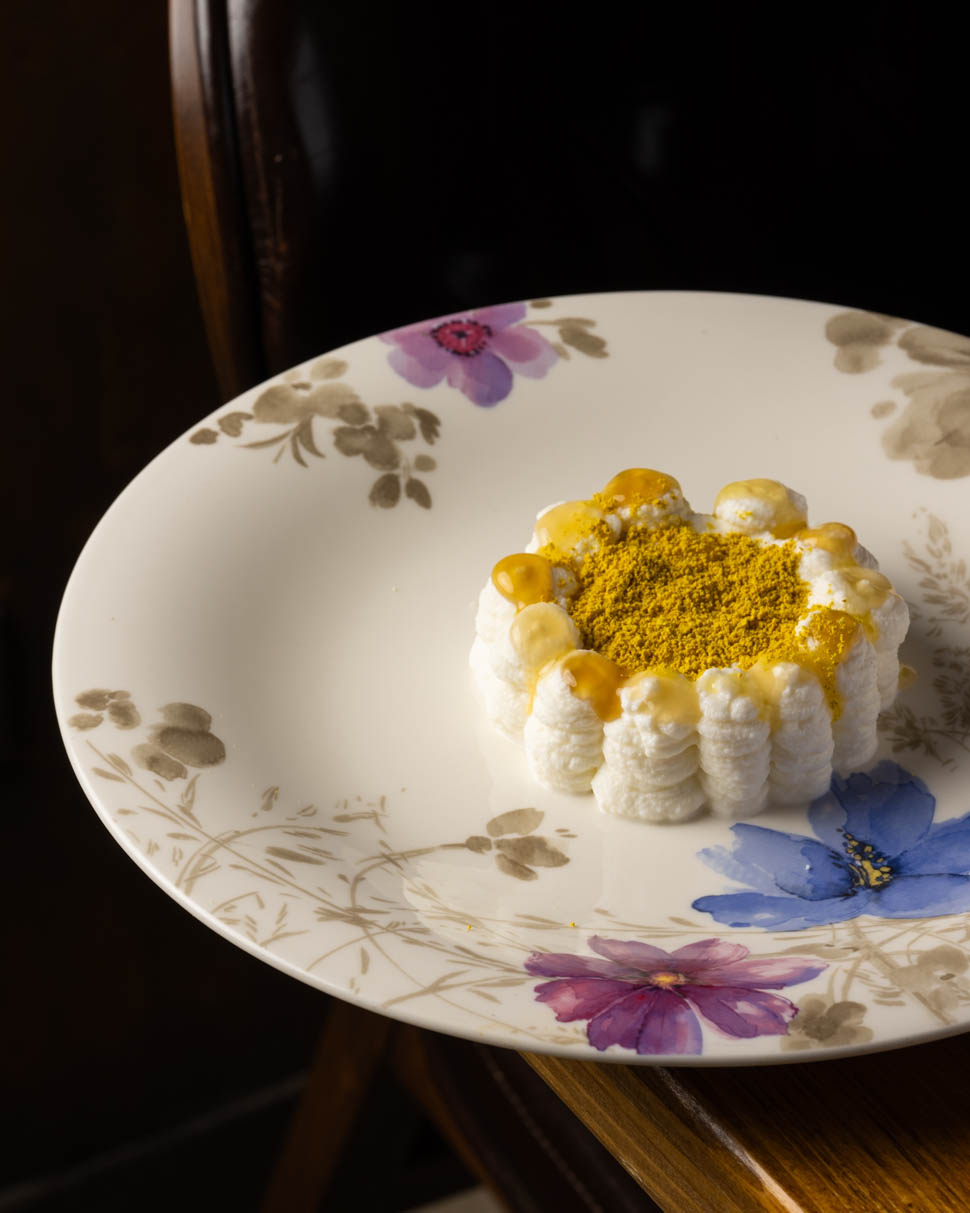
Even the finale of the meal maintains a connection to the techniques developed throughout the meal. The dessert “A Summer Flower” is based on sheep’s milk ricotta and combines a gel made with Calabrian herbs, bergamot, and pollen. “Trionfo di pane,” on the other hand, draws on a key ingredient in the bakery’s operations and transforms it into a dessert featuring bread ice cream and layers of bread. It’s a way to bring the daily work of Marina’s kitchen back into fine dining, using an ingredient that would otherwise risk being wasted.
The Michelin Recognition and the Future of the Project
In 2023, shortly after opening, La Ristobottega was included in the Michelin Guide. This was an unexpected achievement for the Gangemi family, who had already begun investing in the growth of their culinary offerings. The guide describes a venue divided between a deli and an evening restaurant, highlighting in particular the work on fish aging. But for Lorenzo, the cuisine has changed significantly compared to that of the early years. Some dishes have remained on the menu because they are in high demand among customers, while the new creations reflect a culinary exploration that has since expanded, particularly through fermentation, stocks, and aging techniques.
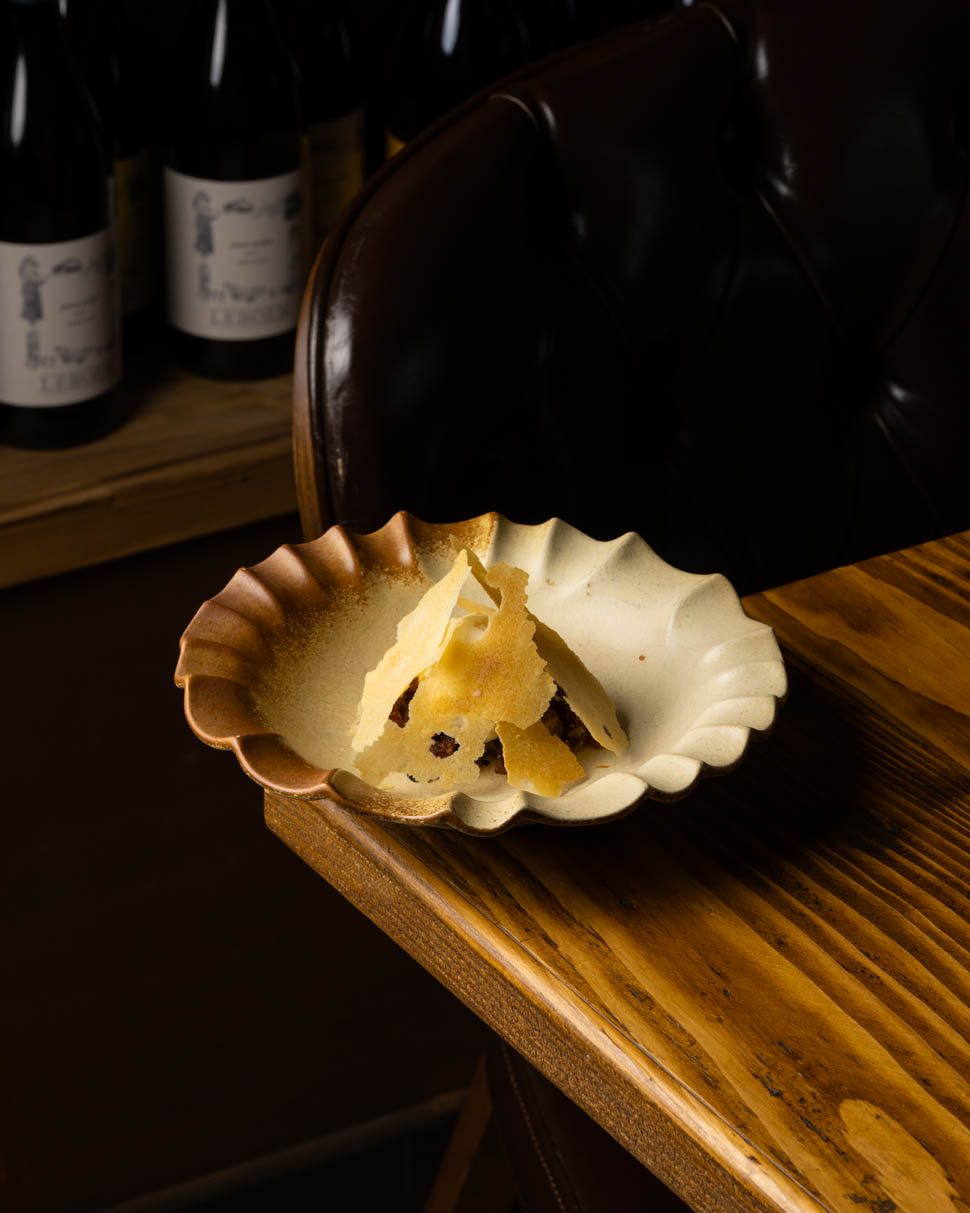
Today, the restaurant operates with a kitchen staff of three, who manage the tasting menus and the à la carte menu. It’s a small operation, especially considering the number of dishes prepared in-house, but one that allows Lorenzo to continue experimenting. For Maurizio, Marina, and Lorenzo, the challenge remains to bring these three distinct entities together, each with its own audience and purpose. The shop continues to sell gourmet products, Marina cooks daily for those seeking a home-style lunch, and Lorenzo, in the evenings, pursues a culinary exploration rooted in fish from the Strait, legumes from Aspromonte, and Calabrian ingredients to craft an increasingly personal gastronomic experience.
Contact and Info
La Ristobottega
Via Vittorio Veneto, 46/A – Reggio Calabria
Website: https://laristobottegarc.com/menu