Where can you enjoy authentic Florentine cuisine? Forget the “tourist traps” or the trendy spots on TikTok: we’ve tracked down traditional dishes at the best historic restaurants in the Tuscan capital. Here’s the complete guide to help you find your way around the city!
Ten Traditional Trattorias in Florence
In Florence, all you have to do is walk through the city center to see steaks on display in shop windows, menus in four languages, and touts promising “traditional cuisine.” This tourist city has turned its gastronomy into a stage set. Skyrocketing rents and the constant flow of visitors have changed the streets, while the passing of the torch from one generation to the next no longer happens as naturally as it once did: keeping a trattoria open today requires a level of commitment that a family must be willing to sustain for decades.
The surviving restaurants each have their own stories. Putting them together helps us understand what a family-run trattoria is today: the steadfast continuation of a way of dining.
Da Burde, the Gori family has kept the fire burning since 1901
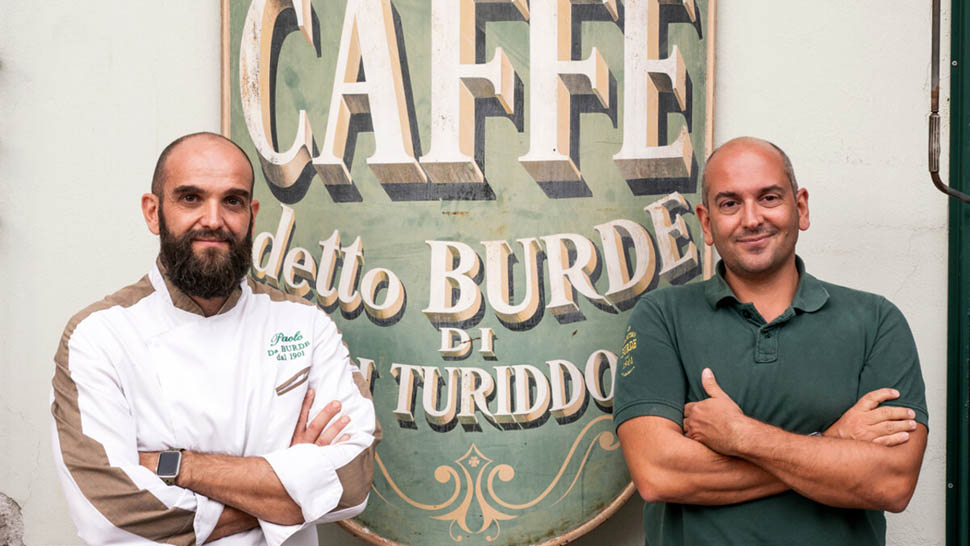
Via Pistoiese 154 | 055 317206
It started out as a shop in Peretola run by Egiziano Barducci and Giulia Gori, where they sold groceries, fodder, and horse whips. The name came from the “burdèl,” the pig traders from Romagna who would stop here. In 1927, the business moved to Via Pistoiese, where the kitchen evolved until it was awarded the Fiorino d’Oro by the City of Florence in 2023. Today, the restaurant is run by brothers Andrea and Paolo Gori, along with their mother Evelina. The menu features black kale farinata, carabaccia, chickpea cacciucco, pork liver with caul fat, peposo, and lampredotto in zimino. The menu follows the calendar rather than trends: schiacciata with grapes after the harvest, and Florentine-style schiacciata for Carnival. Paolo oversees the kitchen, while Andrea manages the dining room and a wine cellar that extends beyond Tuscany’s borders, keeping markups reasonable.
Sergio Gozzi: Lunch Is Still Timed After the Market
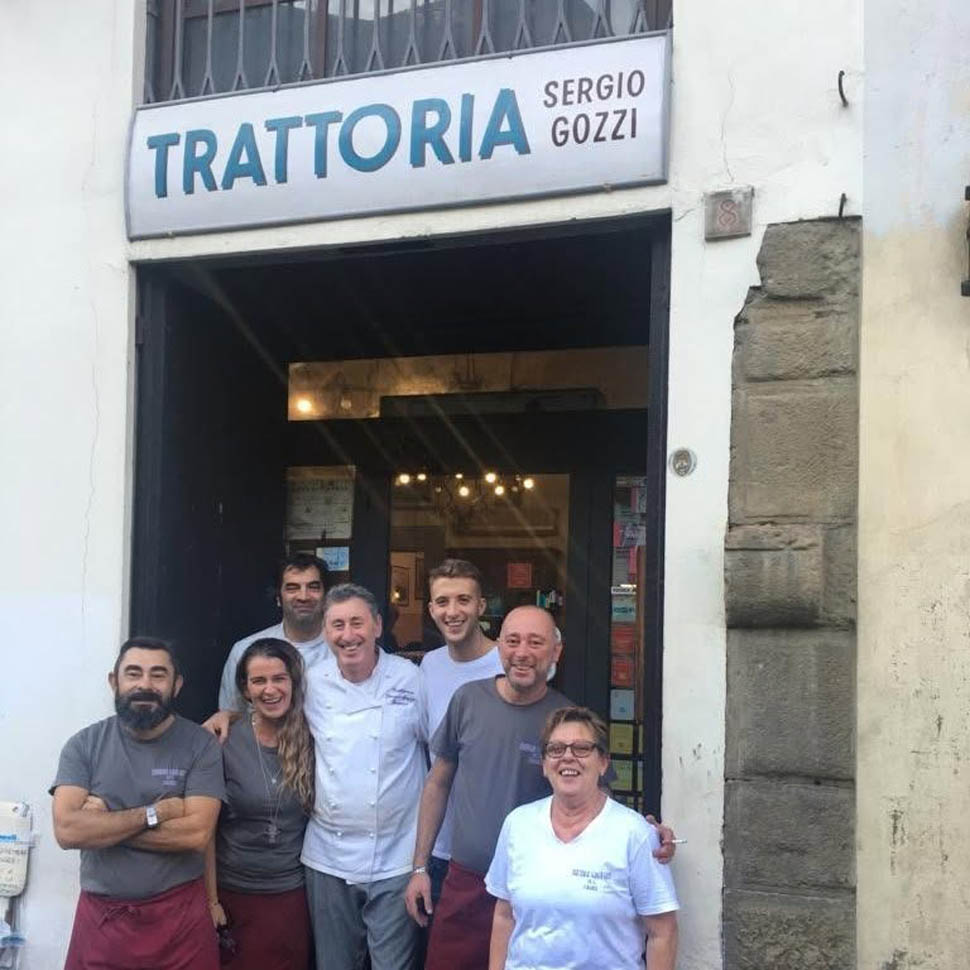
Piazza San Lorenzo 8/r | 055 281941
In Piazza San Lorenzo, Gozzi’s menu is handwritten every morning and hung on the door. The trattoria was founded in 1915 by great-grandfather Antonio, when the menu offered little more than soups and beans, before grandfather Ubaldo introduced boiled meat once a week and father Sergio expanded the dining room. Today, the tradition continues with Sandro and Andrea. The restaurant is open only for lunch, a legacy of the nearby market’s hours, when bankers would stop by for a break before reopening. Served at the table are ribollita in the cold season, pappa al pomodoro in the summer, followed by peposo, braciole rifatte, fried meatballs, tripe, crespelle, and minestra di farina gialla. Steak is on the menu, but it doesn’t dominate. Years ago, the Ministry of Foreign Affairs asked Sandro Gozzi to reserve the entire dining room for Barbara Bush. He refused: that would have meant turning away the regulars who sat there every day.
Trattoria Mario, from the market to the table
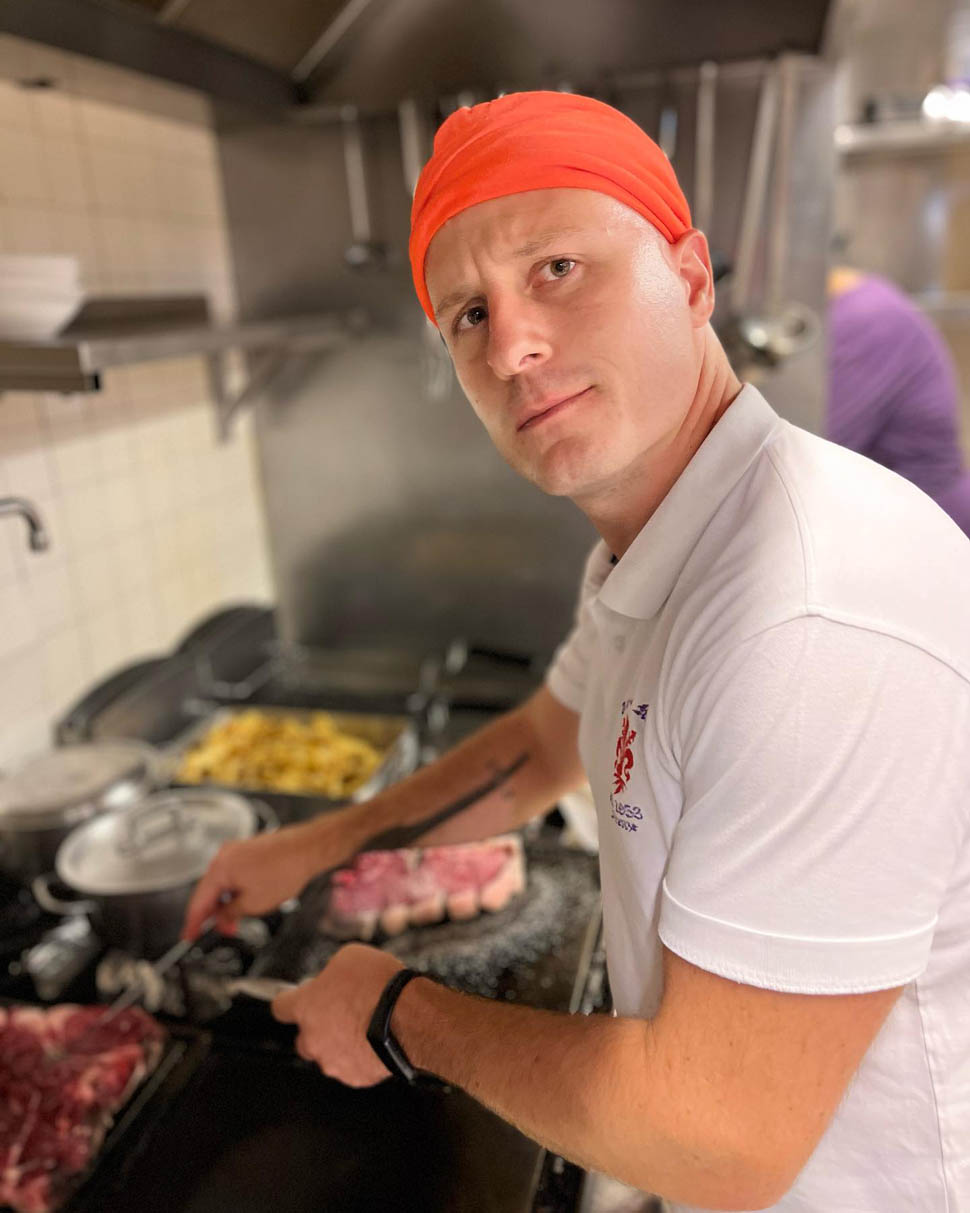
Via Rosina 2/r | 055 218550
On March 1, 1953, Romeo, Amelia, and their son Mario Colzi opened a wine bar behind the Central Market. Workers from the area—porters, butchers, and greengrocers—would come there for a drink. In 1957, tables and hot meals were introduced, transforming the space into a trattoria. The dining room retains its mid-16th-century coffered ceiling—originally part of the stables of the Palazzo del Gattamelata—and a dense arrangement of benches and stools where social distancing is nonexistent and diners eat elbow-to-elbow with strangers. The menu features ragù, ribollita, and Florentine steak, alongside rotating dishes that were once cooked in the open kitchen, such as stewed salt cod and pappa al pomodoro. Even today, with the restaurant listed in guides around the world, the way it operates hasn’t changed: you sit down, eat without delay, and make room for those waiting on the street.
Sabatino: A Family That Weathered the Flood
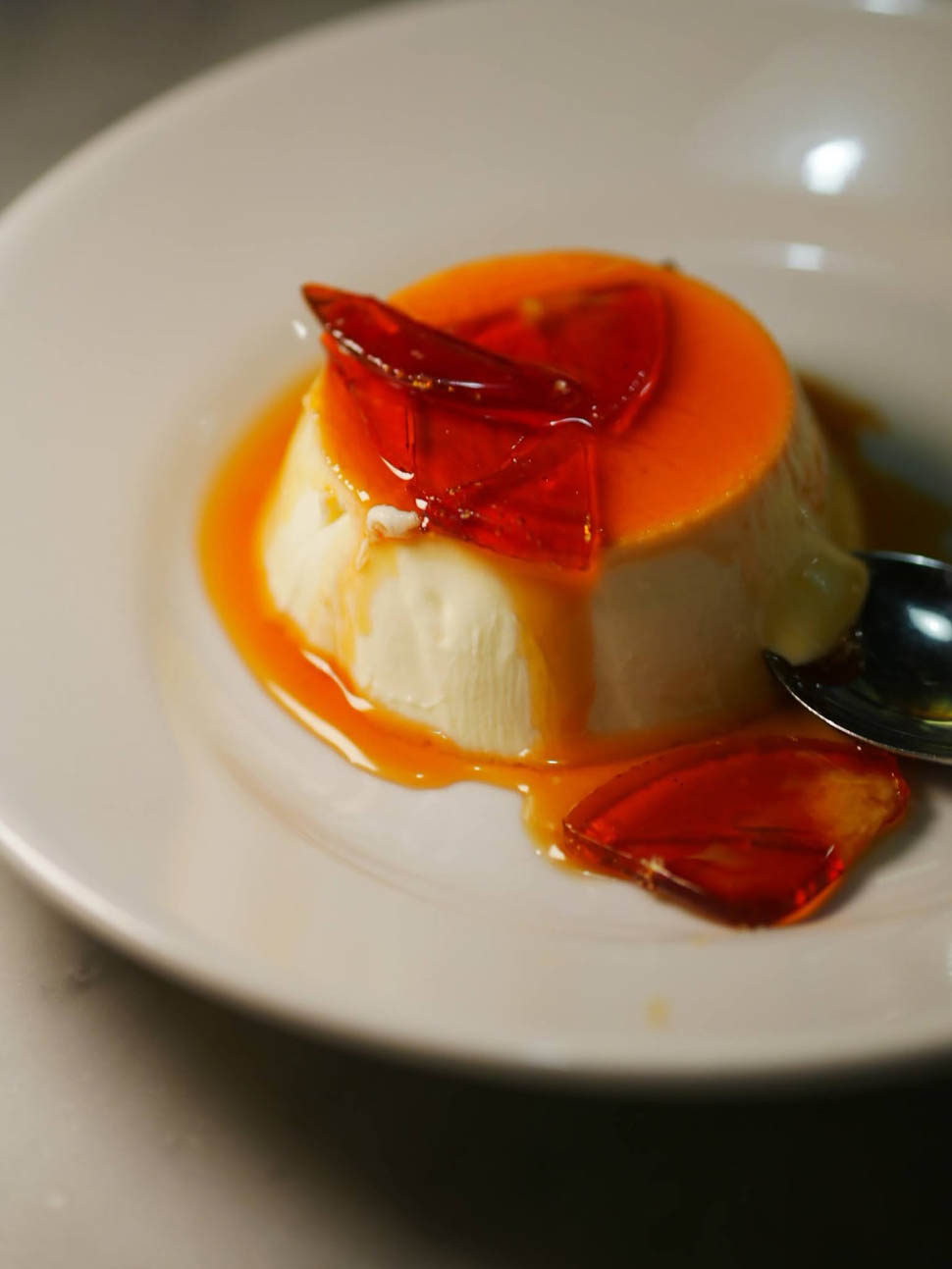
Via Pisana 2/r | 055 225955
In 1956, Valerio Buccioni, along with his father Sabatino and his mother Fidalma, took over a restaurant that had served as a refectory for a convent in the 18th century and as a neighborhood diner in the 20th century. Swept away by the flood of November 4, 1966, the trattoria was cleaned up and remained at that location until 1999, when an eviction notice forced the family to move to a location near Porta San Frediano. The counter, tables, refrigerator, and even the beams from the original dining room were relocated to the new premises. Laura, Valerio’s wife, now works alongside her daughters Ilaria and Letizia and her son-in-law Massimo. The menu features tripe, peposo, francesina, Livorno-style pork chops, vitello steccato, Mugello-style farinata, and, on Fridays, salt cod. Every morning, the list of dishes is still typed out on sheets of paper using an old Olivetti typewriter before being posted at the entrance.
Antico Ristoro di’ Cambi, where the sand miners used to come to eat
Via Sant'Onofrio 1/r | 055 217134
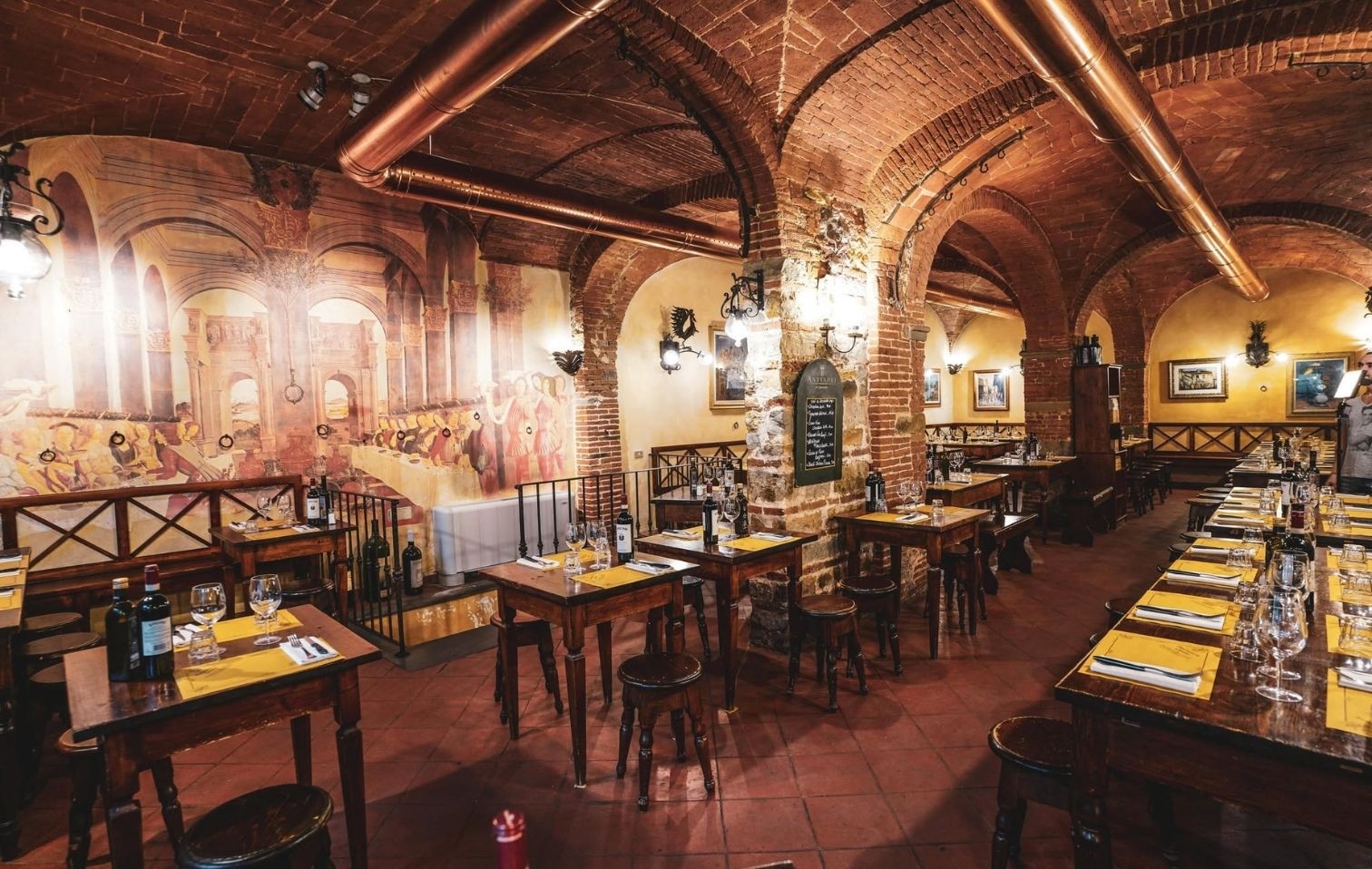
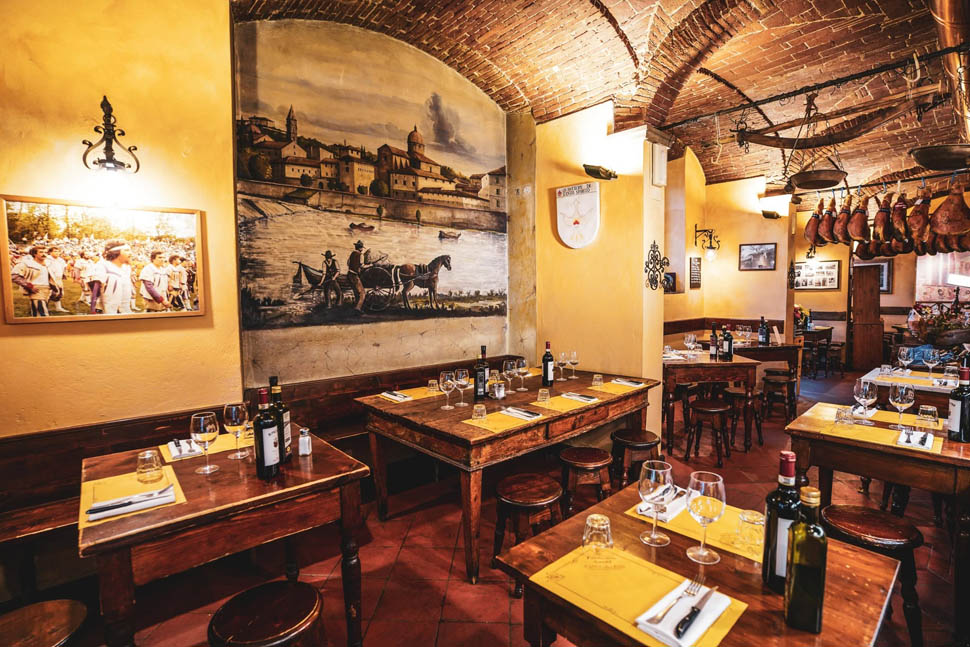
In 1950, Silvano and Bruno Cambi opened a wine bar in San Frediano where they sold wine, cured meats, tuna, and pickles. It was a popular spot for the sand diggers who worked on the Arno River and the local artisans—silversmiths, frame makers, restorers, and blacksmiths—to take a break. In 1987, their sons Stefano and Fabio expanded the space beneath the 18th-century brick vaults, transforming the wine bar into a restaurant. The menu centers on traditional Tuscan fare: fried brains and chicken with seasonal vegetables, Florentine steak, and desserts such as apple puff pastry with warm cream. The sand miners have disappeared from the river and the neighborhood’s artisans have dwindled, but the tables remain set beneath the same brick vaults from 1950.
Armando, the artists’ trattoria
Borgo Ognissanti 140/r | 055 217263
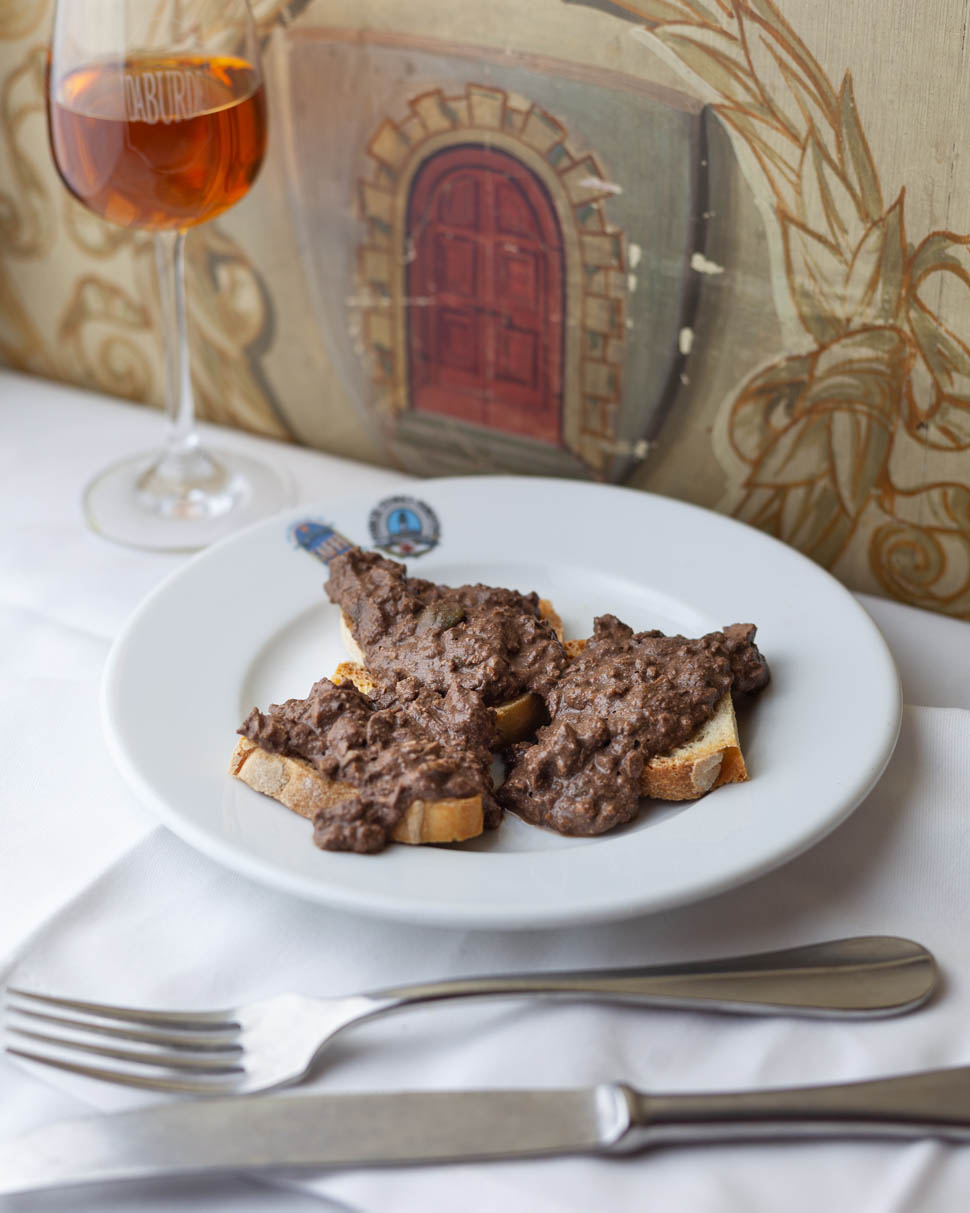
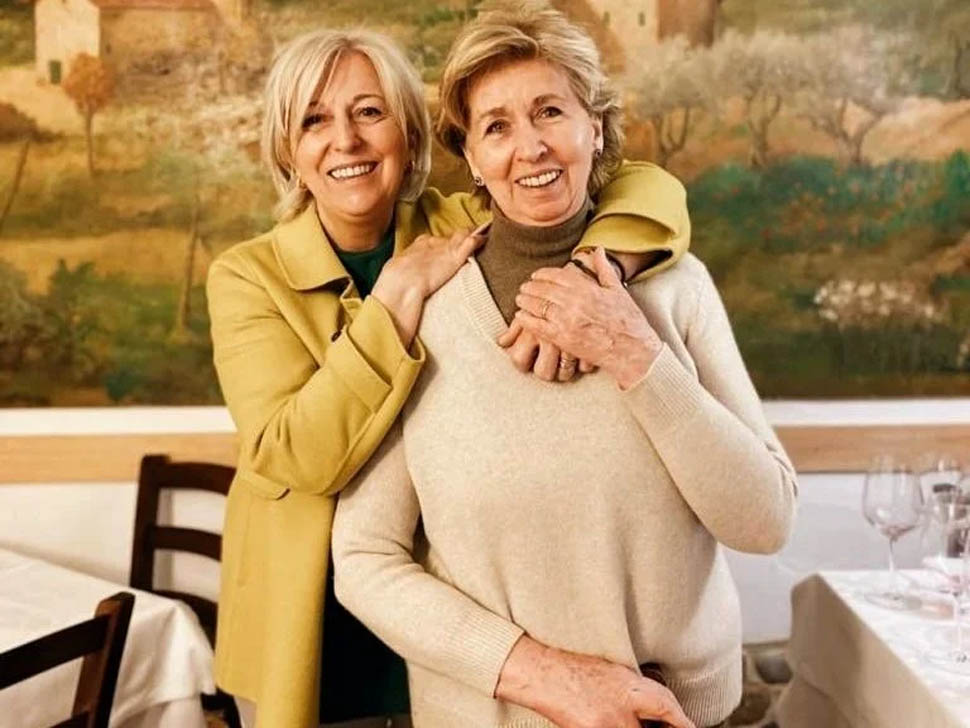
Founded in 1957 as a wine bar by grandfather Armando, the trattoria is now run by the third generation, with Alessandra managing the dining room. Its proximity to the former Teatro del Maggio Musicale Fiorentino has shaped the restaurant’s history; its walls are covered with photographs autographed by the artists who stopped by for dinner after their performances. The menu features panzanella, crostini with hand-chopped chicken livers, gnudi made with ricotta and herbs, and spaghetti alla carrettiera, along with a few more recent additions such as crostini with Mugello blue cheese and caramelized pears and onions. The wines are all from Tuscany.
Ruggero, Forty Years After Porta Romana
Via Senese 89/r | 055 220542
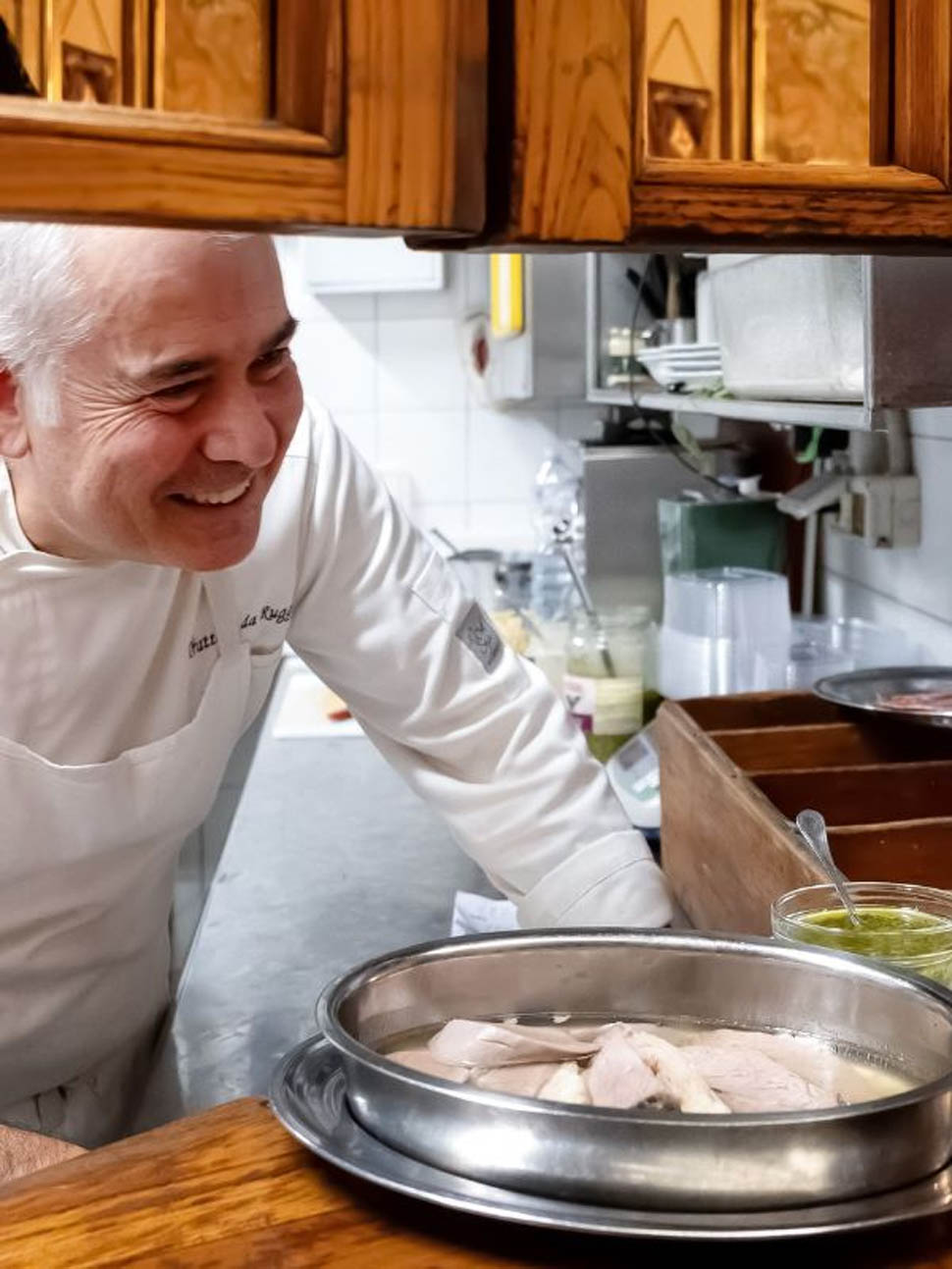
Opened in 1980 just past Porta Romana, the restaurant is run by the Corsi family. The dining room seats about 35 guests across two areas featuring exposed beams, with an open kitchen overlooking the dining room, led by Riccardo Corsi. The menu features classic home-style dishes: pappardelle with hare, farinata made with black kale, potato tortelli, tripe, stracotto, mixed boiled meats, and steak. Among the signature dishes, the oven-roasted pork loin stands out, complemented on Fridays by seafood options such as salt cod and calamari in zimino sauce. Despite the difficulty in finding parking, the dining room is always full,
La Casalinga
Via dei Michelozzi 9/r, Firenze — Tel. 055 218624
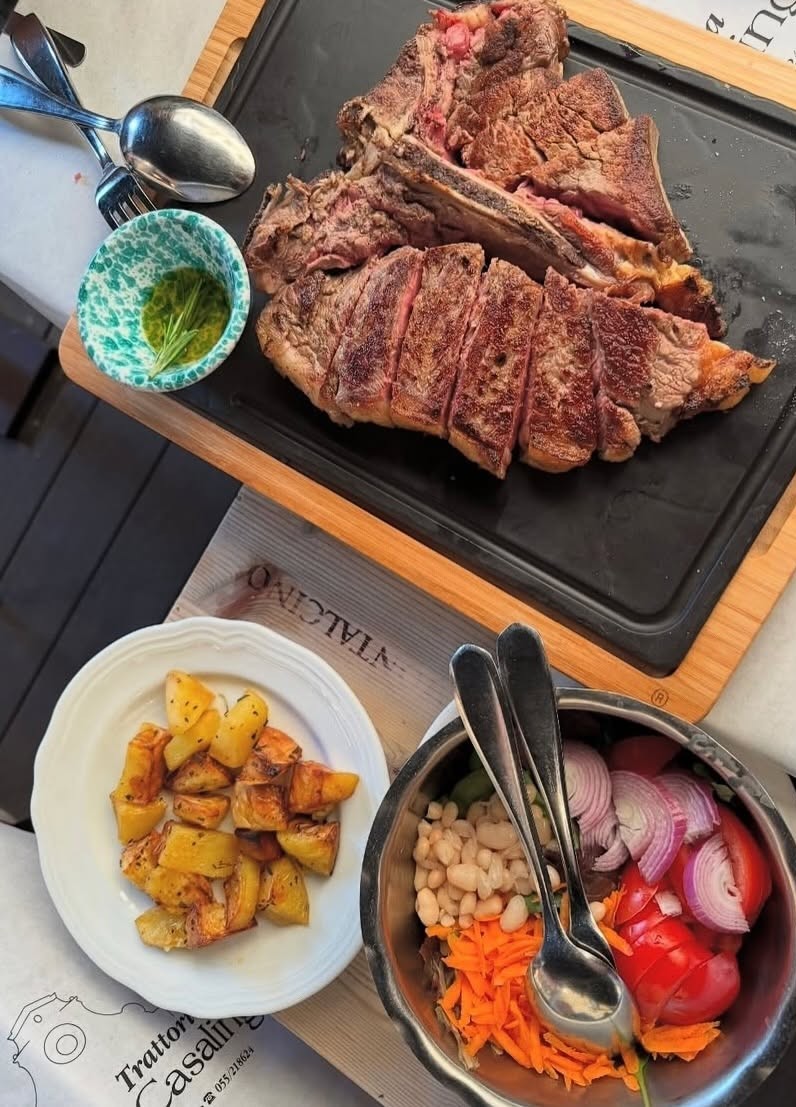
In 1963, Nello Bartarelli and Oliviero Carrai arrived from Chianti and opened a trattoria in Santo Spirito featuring traditional country recipes. La Casalinga has remained true to that cuisine:ribollita, pasta e fagioli, pappardelle with wild boar, tripe, liver with sage, arista, roast rabbit, and peposo. Every day features a special dish, from liver on Tuesdays to salt cod on Fridays. The dining room is spacious, and there’s also an outdoor seating area overlooking the square; the tables are close together, and the buzz of conversation is part of the dining experience. Everyday Florentine cuisine, without any unnecessary frills.
Cafaggi
Via Guelfa 35/r, Firenze — Tel. 055 294989
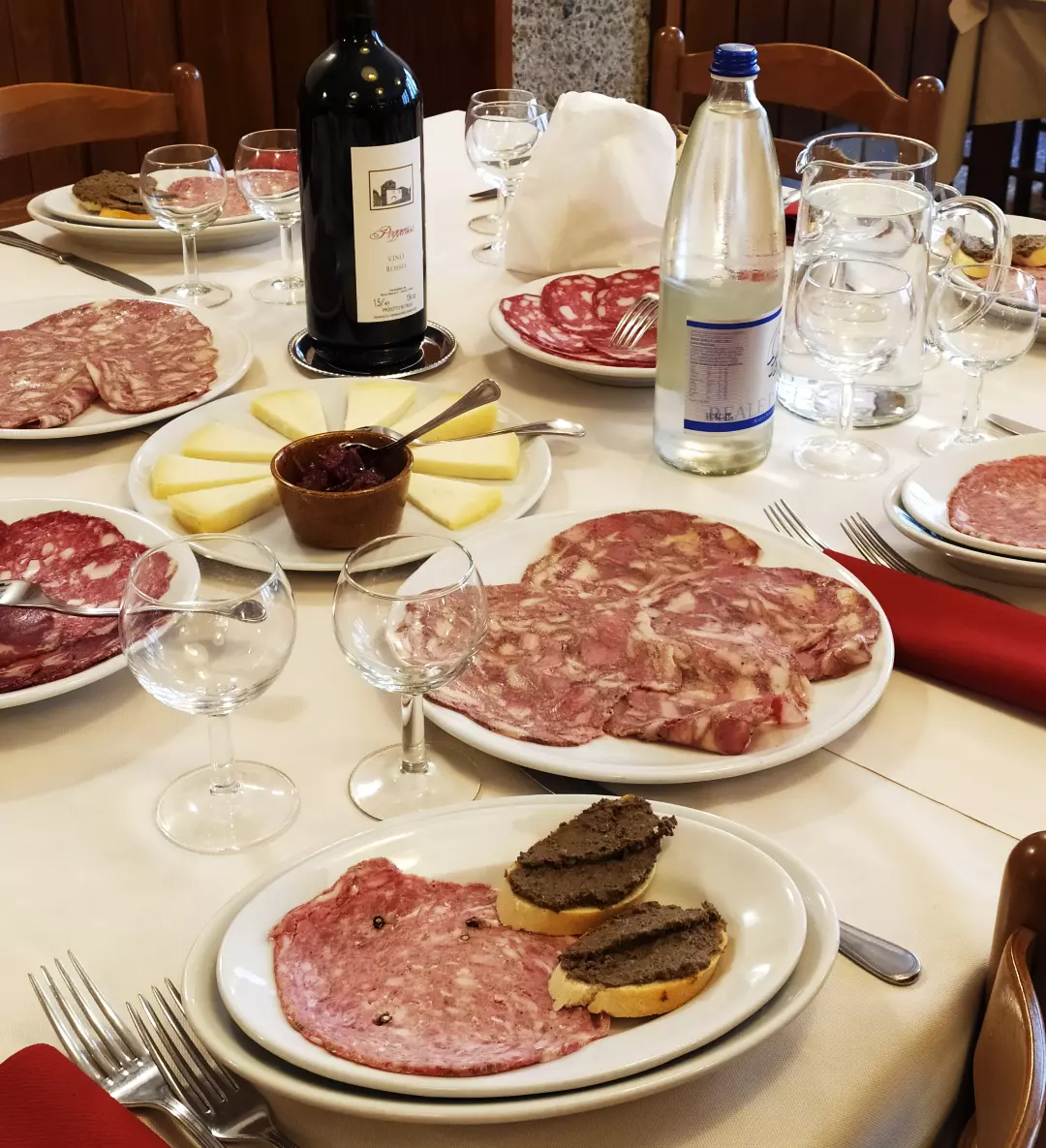
The history of Cafaggi began in 1922, when Pietro Settimo Cafaggi and Roma Ballerini transformed a small wine bar on Via Guelfa into a trattoria. Giancarlo Cafaggi, born in 1927, recalled that he began working there as a child, and in 2017 he celebrated his 90th birthday while still sitting at the cash register. A century later, the family is still running the restaurant, and the cuisine remains rooted in the Tuscan tradition, from steak to seafood specialties, with fried brains among the dishes that have been passed down through the generations. The customers in the dining room have changed, but the family atmosphere has not.
Il Magazzino
Piazza della Passera 2/3, Firenze — Tel. 055 21596
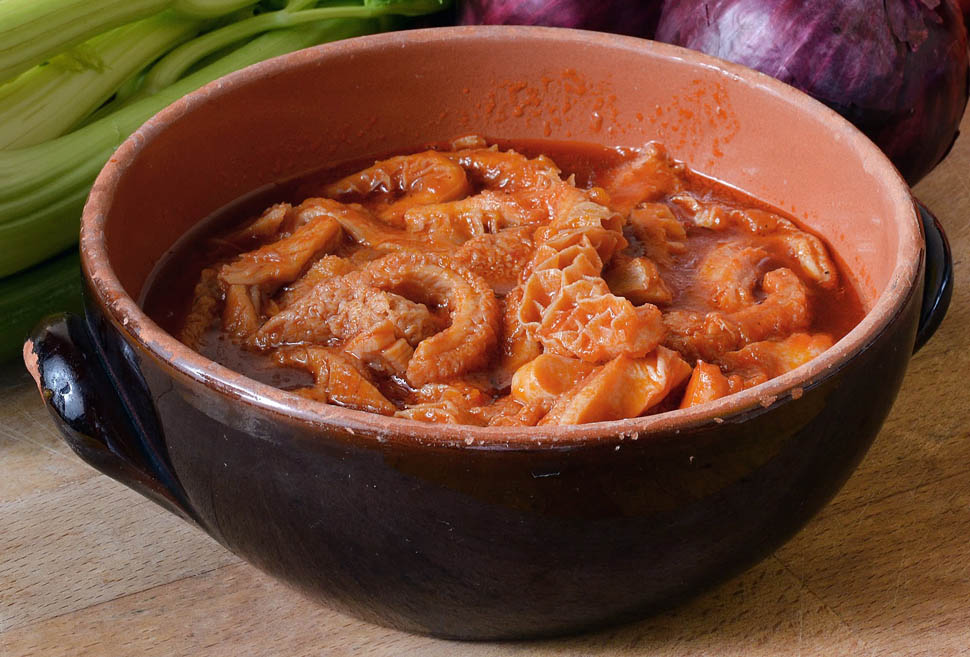
Luca Cai has turned offal into a culinary art form. After spending several years at the Galluzzo kiosk and at Logge del Porcellino, he arrived in Piazza della Passera in 2004 and opened Il Magazzino, together with Alessandro Caldini. Tripe and lampredotto here are taken out of the sandwich and served on plates: lampredotto meatballs, stuffed ravioli, boiled lampredotto, Florentine-style tripe, and the tripe vendor’s curious “chitarra”. Even the tripe vendor’s sushi stems from this desire to play with a humble ingredient without distorting its essence. The rest is left to the square and those few tables where the “fifth quarter” has taken center stage.