To say that Matera is a wonderful city is redundant, but what was described just a few decades ago as “Italy’s shame” is still evolving into a beauty that is unmatched, like few other places in the world.
The international attention following its designation as the European Capital of Culture in 2019 and a steady increase in tourism have brought wealth, investment, and—in the restaurant sector—several new openings. Not everything, however, has grown in a way that is qualitatively significant.
The chefs
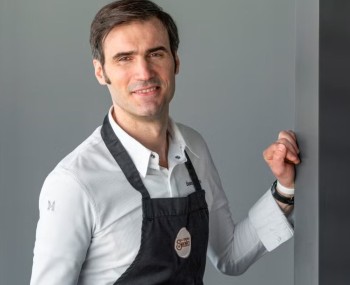
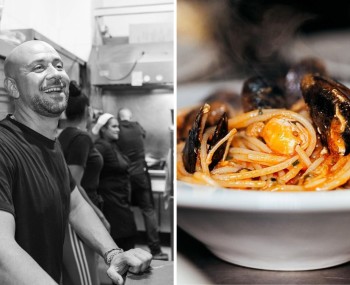
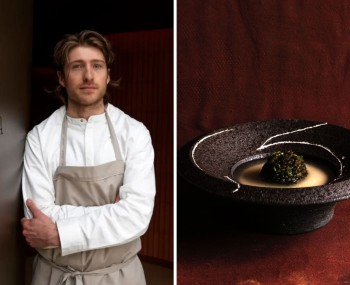
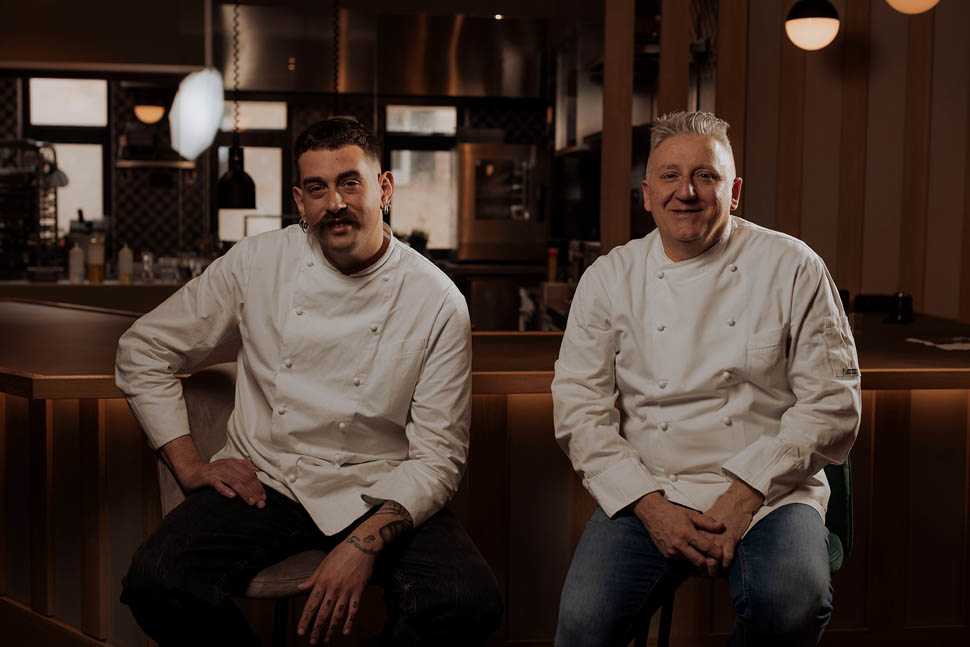
Nicola Stella, one of the two partners and chefs at Myricae, observes: “The tourism boom has made the culinary scene very commercial; there’s still a lot of improvisation.” We’ll use this statement as our starting point to highlight Myricae, the breakout restaurant that Stella opened in June 2024 alongside Domenico Paolicelli, with the goal of creating an establishment that is both authoritative and, above all, truly rooted in the local region in terms of flavors and ingredients. Myricae remains off the beaten path compared to the heaviest tourist traffic: “It’s a very secluded spot, even though we’re in the city center. It’s both a blessing and a curse not to be in the Sasso, but it works anyway.” From two different generations, both natives of Matera, Stella and Paolicelli also share extensive experience working outside their hometown and a culinary philosophy that goes beyond the usual reinterpretation of traditional recipes: “Regional identity doesn’t come from culinary tradition, but from celebrating biodiversity. We don’t reinterpret traditional recipes—that’s not our style.” This concept is perfectly encapsulated in the restaurant’s very name.
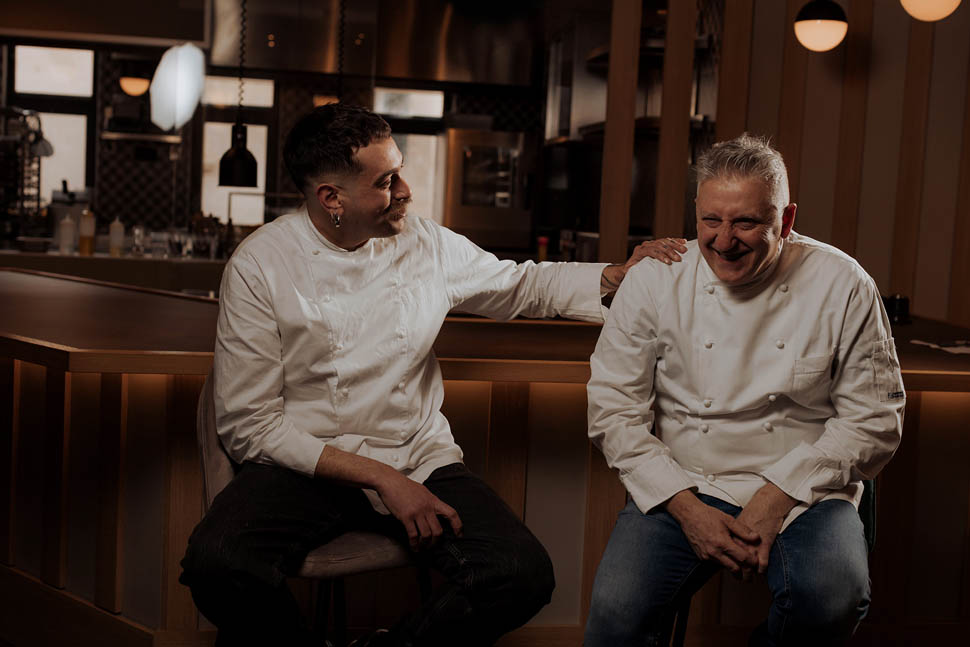
Myricae is, in fact, the collection of poems through which Giovanni Pascoli chose to celebrate the dignity of the simplest things: this is no coincidence, given that the poet also taught in Matera: “Myricae is a collection of his early poems, and tamarisk trees are wild plants that grow in our ravine. We liked the idea of elevating the small things to the great. At first, we had some doubts about the name, because it didn’t immediately bring food to mind. Then a professor helped us reflect on its cultural value, and, little by little, we made it our own.” Nicola Stella, born in 1974, has a varied background: from his early days at Garden in Matera to a significant stint in London at Paramount Restaurant, he then returned to Italy to lead the kitchens at Torre Fiore and later at Palazzo Gattini. At the same time, he delved deeper into the world of wine and became a sommelier. Domenico Paolicelli, on the other hand, set out almost immediately on the path of international haute cuisine. After taking his first professional steps in the Matera area, he left for Paris, working at Le Patio Opéra, Le Meurice, and Epicure, before moving to Copenhagen, first to Geranium and later to AOC.
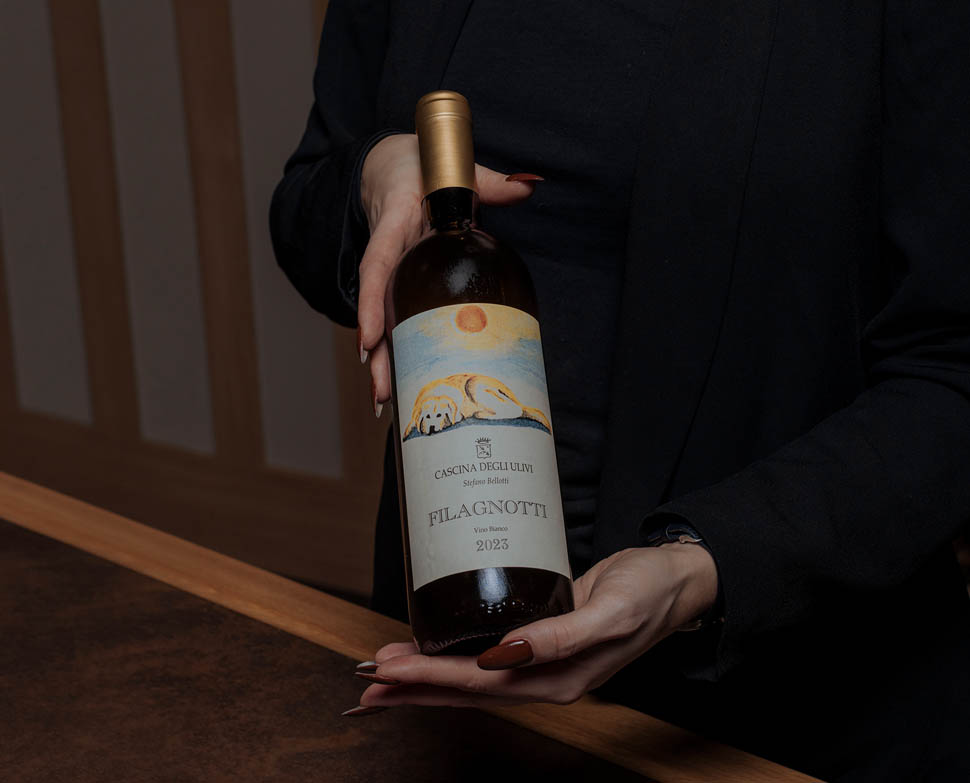
The story of their partnership, however, begins much earlier: “Domenico came to me when he was eighteen. We met at Torre Fiore and spent three seasons together. My only contribution to his success was forcing him to leave Italy. He was a very curious young man; he watched our cooking classes in English and was eager to learn. We always stayed in touch, though, even when he was in Paris and then in Copenhagen.” When Stella found the location for what would become Myricae, she had little more than a rendering to go on, and during a trip to Denmark, she shared the idea with Paolicelli. The response came a few days later: “He called me and said, ‘Why don’t we open a restaurant together?’.” Their work here in Matera doesn’t involve a strict division of roles: “The slightly more creative part is definitely his, but we decide on the dishes together.” The dining room also quickly became an integral part of the project, so Stella often finds herself outside the kitchen: “We realized that all the attention we put into the dishes wasn’t reaching the table. So I started working as a hostess.”
The Menu
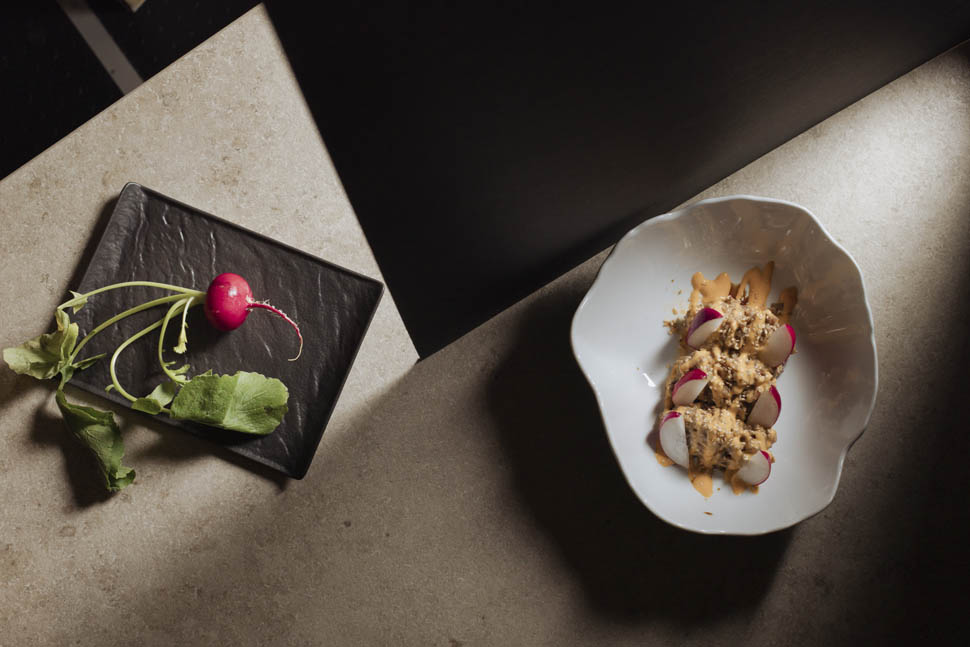
The menu reveals a serious, down-to-earth approach to bringing to life a vision of the region based on biodiversity rather than tradition. The two tasting menus—one with twelve courses and the other with fifteen—follow a consistent theme: “What we do is quite provocative from a certain point of view, but in the end, it’s easier to eat than to explain.” And, we might add, it’s incredibly good.
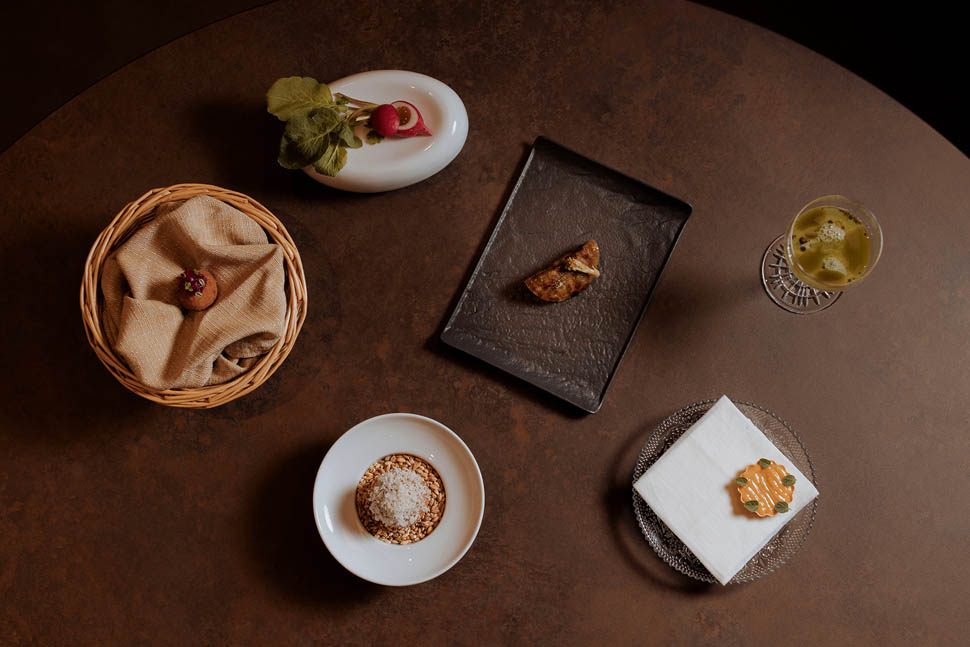
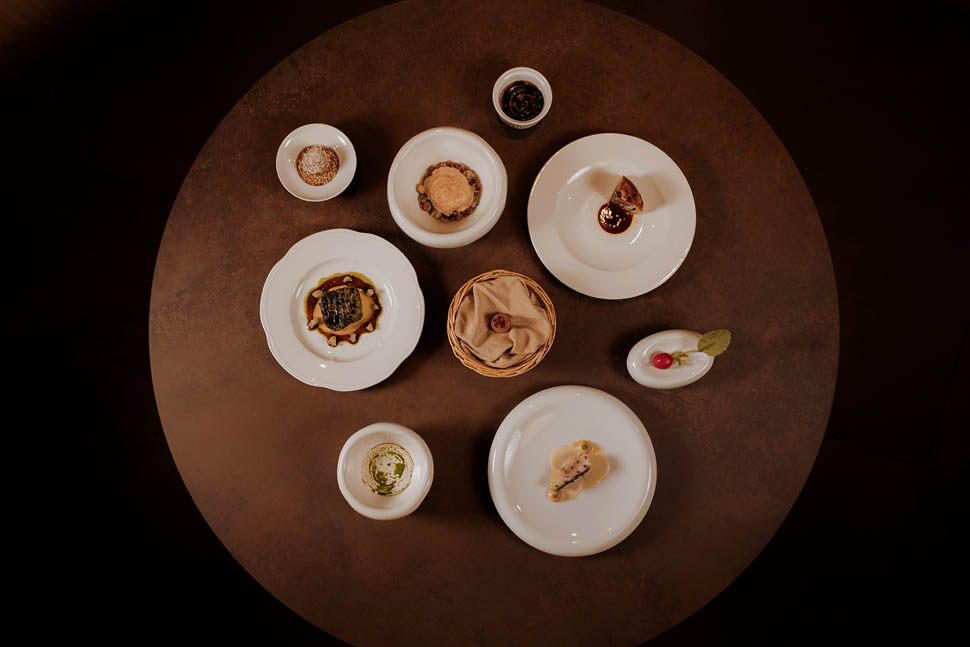
The meal begins with a series of small tastings that clearly set the tone and style, in a riot of flavors. It starts with a drink made from a vegetable juice infused with pine needle oil, followed by a blini made with burnt wheat flour, stuffed with a turnip greens leaf prepared like sauerkraut and topped with an emulsion made from the same vegetable. The apple and herring sandwich is absolutely delicious, as is the small bite of fried ricotta with strong ricotta served with red onion jam; the tartlet with lamb offal parfait—inspired by gnummareddi—is wonderful; and, finally, a pão de queijo made with pecorino and tapioca, stuffed with truffle cream and fresh cheese, chestnut honey, and grated almonds.
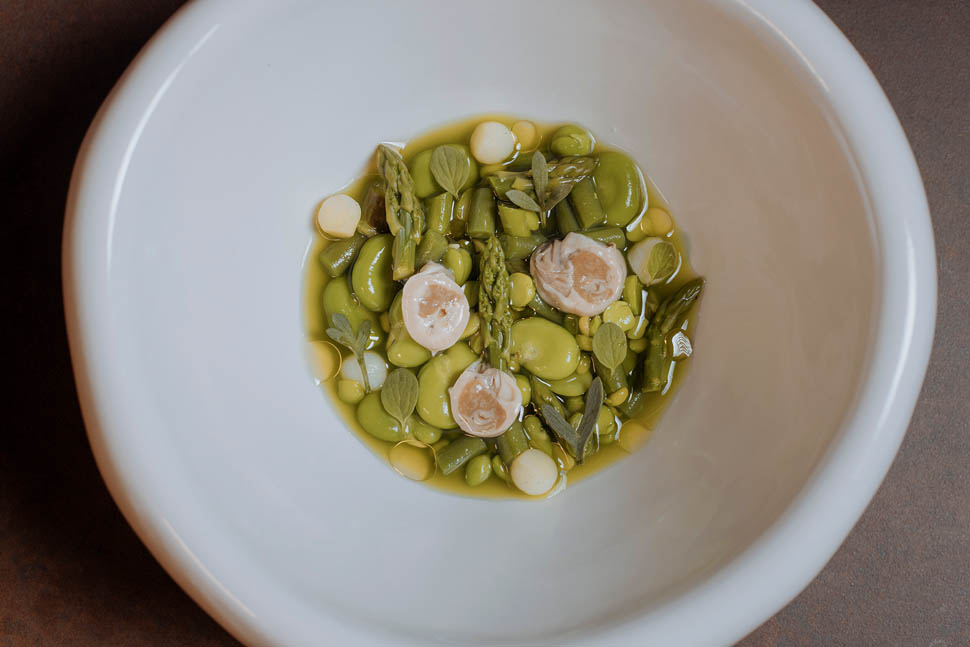
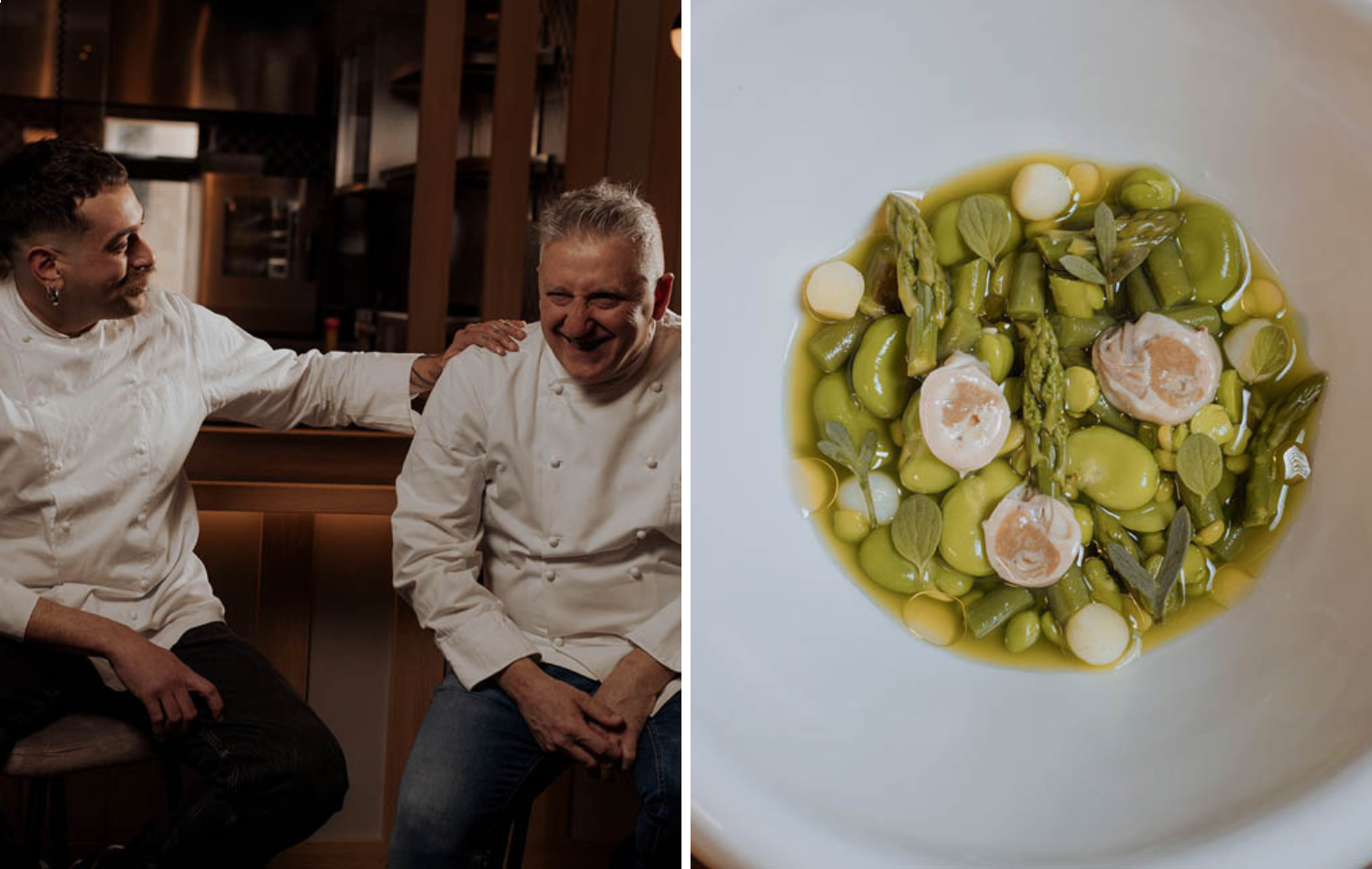
The first appetizer is inspired by a spring minestrone, but with a different twist. Fava beans, peas, green beans, asparagus, and small potato balls are complemented by a puree made from pea pods; pea blossoms with English lavender syrup and a Cristal oyster with sea fennel add exquisite nuances. The yellowtail, on the other hand, is prepared as gravlax and served as a tartare, dressed with extra virgin olive oil and fennel seed powder, accompanied by marinated kohlrabi and a sauce made solely from the cream of stracciatella; it is finished with parsley oil.
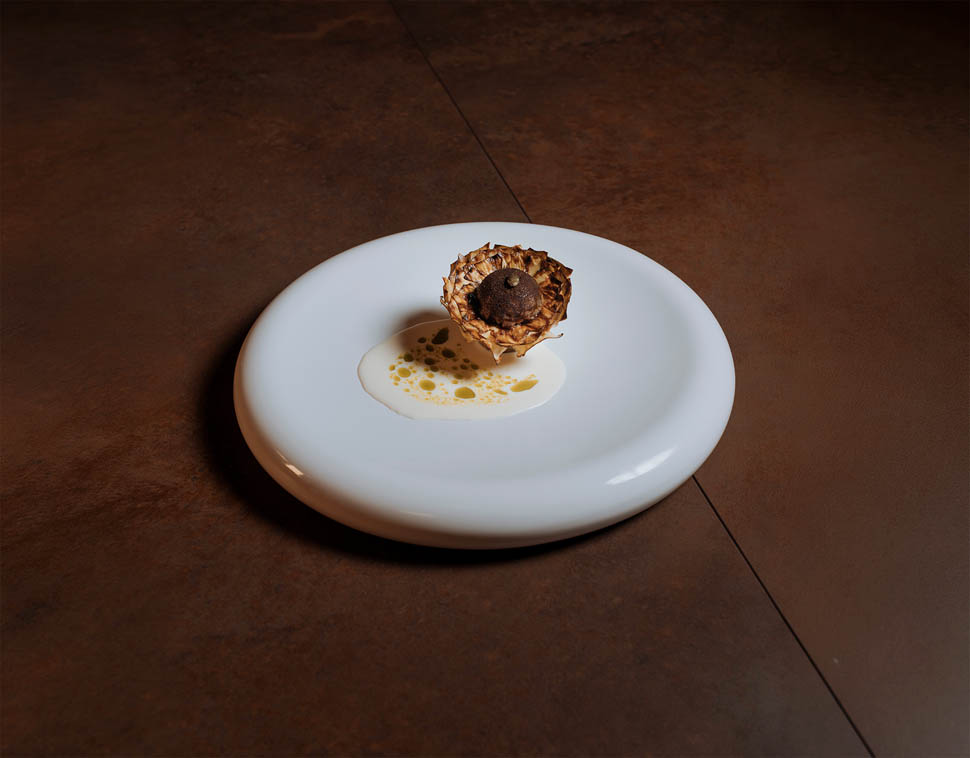
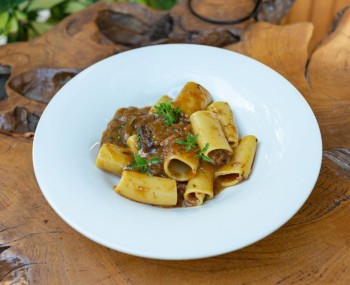
Among the first courses is the remarkable mixed pasta in a thick broth made from roasted fish that has been smoked for several days. The same broth is flavored with cardamom and used as a remouillage for a chicken sauce, before being finished with cherry vinegar and an orange-marinated shrimp: truly a great dish. The artichoke, cooked in oil and thyme and then grilled, encloses a marzipan made from pumpkin seeds and beef jus; it is accompanied by an aspic of beef cheek and tongue prepared with Moscato di Trani, black lemon powder, and a cacio and ricotta sauce scented with wild fennel oil.
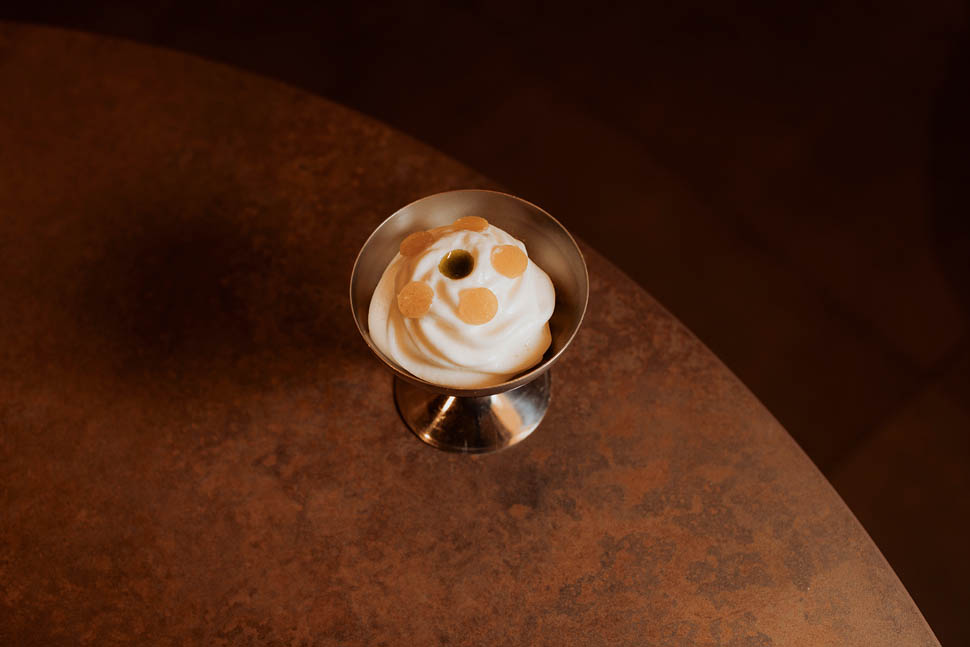
The meal continues with fried dogfish coated in semolina, finished with grated bottarga and Roman cabbage, served alongside slow-cooked pork belly that’s been grilled over charcoal, complemented by an almond praline, cumin, and a sauce made from tahini and the brine from buffalo mozzarella. Dessert is an exquisite lemon tartlet on a sesame nougat base with caciocavallo mousse featuring a layer of lemon purée, candied zest, and rosemary, finished with lemon verbena and lemon thyme.
The small pastries are also excellent, featuring tomato tiramisu (treated with lime and rehydrated in coffee) and an apple and cocoa tartlet with a candied pine cone. A culinary experience in Matera that both impresses and delights.
Contact Information
Myricae Restaurant
Via del Corso 35, Matera
Tel. 328 344 0122