From the value of a vegetable to the aging of fish, Pecis explores the concept of creative freedom and the responsibility of giving each dish its own unique identity.
Cover photo of the chef: Niko Boi
The Interview
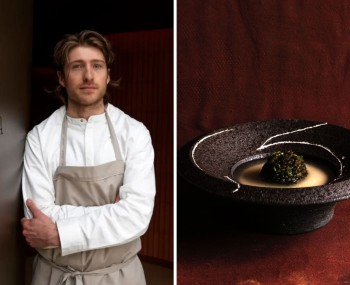
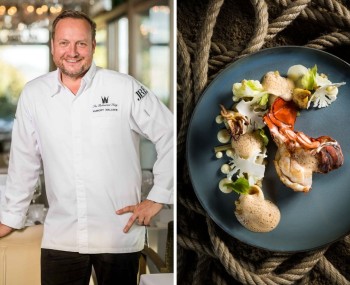
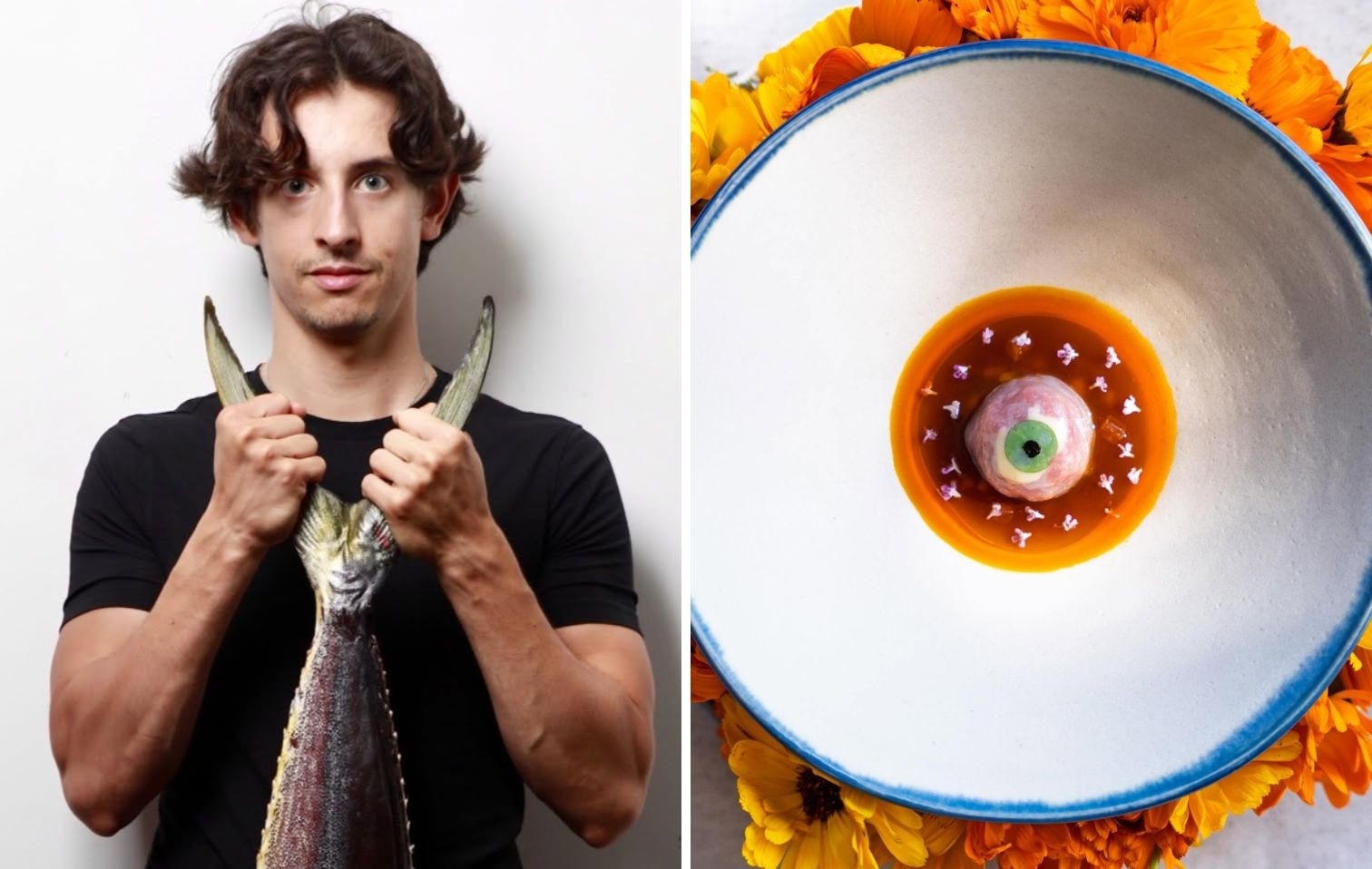
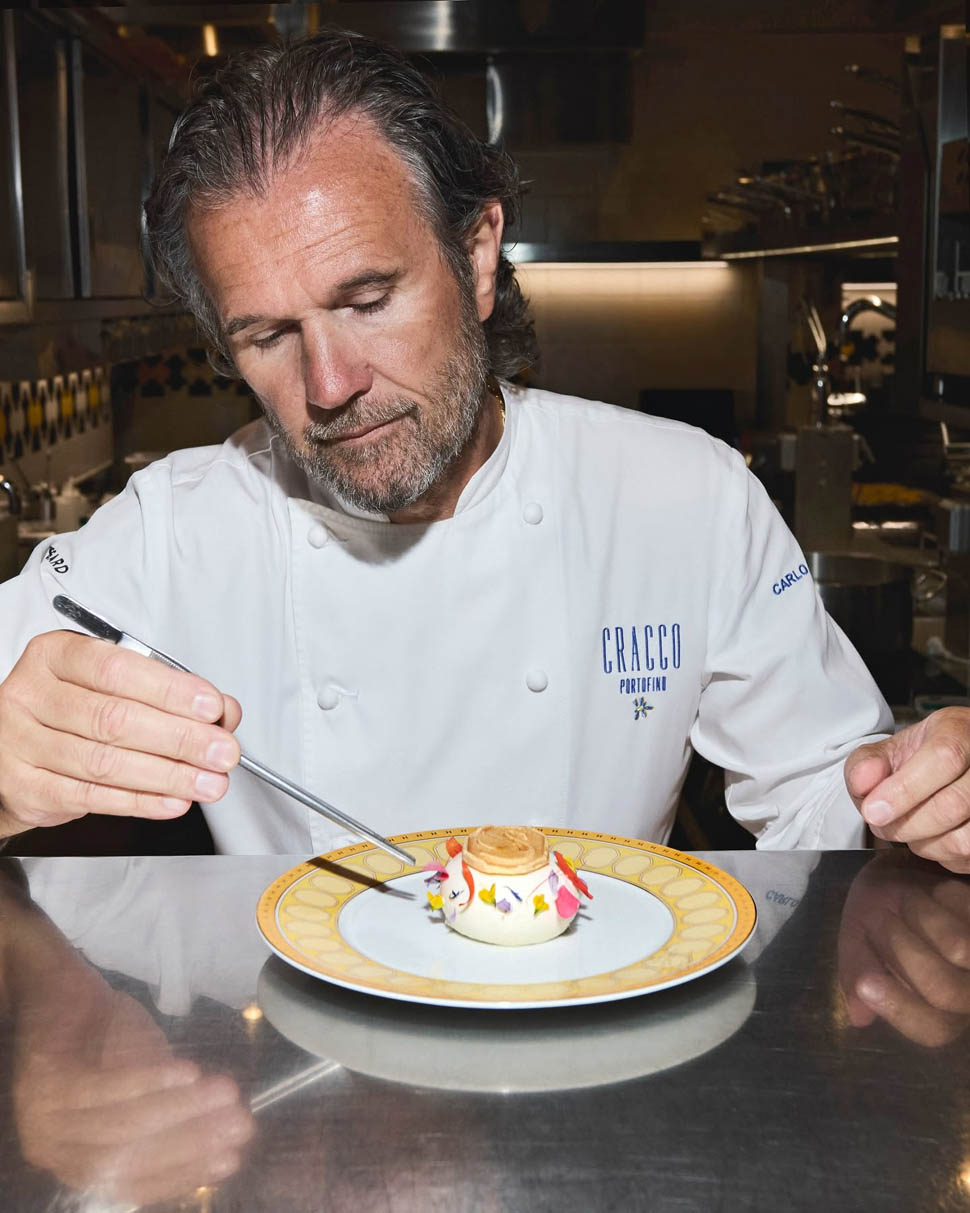
Born in 1996, Mattia Pecis belongs to that new generation of chefs who have grown up in the world of Italian haute cuisine without ever losing touch with tradition. Born in Val Seriana and trained in some of the country’s most prestigious kitchens, he now leads the kitchen team at Cracco Portofino, where in recent years he has been able to develop an increasingly personal culinary style.
If there were a single word to describe Pecis’s culinary talent, it would be curiosity. Curiosity about ingredients, about ancient recipes, and about the Ligurian region, which has since become his new home. Today, after earning a Michelin star and numerous other accolades, curiosity remains the driving force behind his cuisine, accompanied by a greater sense of awareness and a freedom of expression that he himself recognizes as one of the greatest privileges of his professional journey.
On the stage of Identità Golose 2026—dedicated this year to the theme “Identità Future. Freedom to Think”—Pecis chose to explore precisely this: what it means to be free within a cuisine that seeks to tell the story of regions and ingredients.
For Pecis, freedom isn’t an abstract concept. It’s something he experiences every day in the kitchen at Cracco Portofino.
“Fortunately, it’s something I’ve always had. Not everyone gets to work with this kind of freedom, and I’ve always tried to make the most of it.” A freedom that doesn’t mean the absence of rules, but rather the ability to transform every dish into something personal. “I’ve always tried to make everything I cook my own. Being able to express myself through my dishes and convey what I want to share within a restaurant that bears such an important name is probably what makes me happiest.”
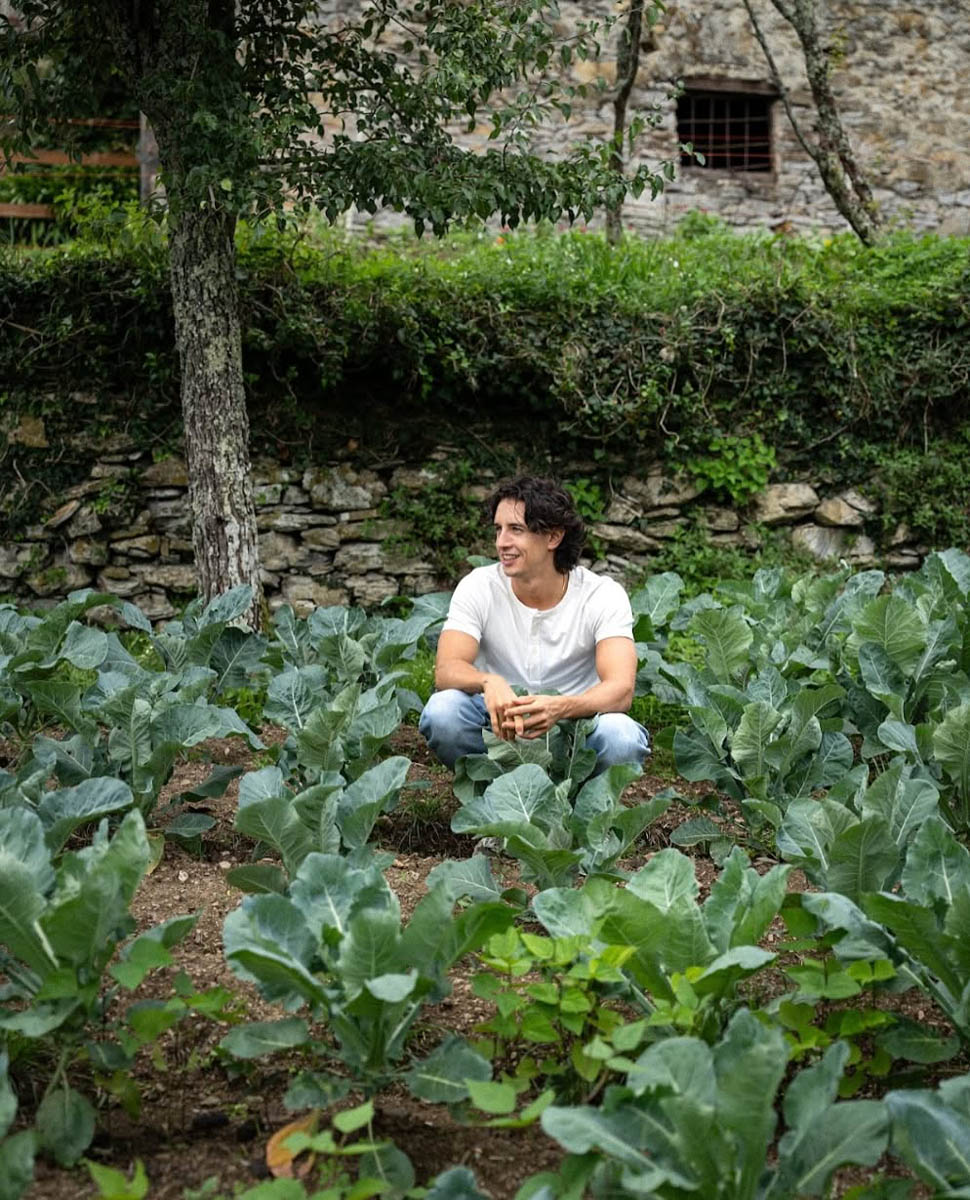
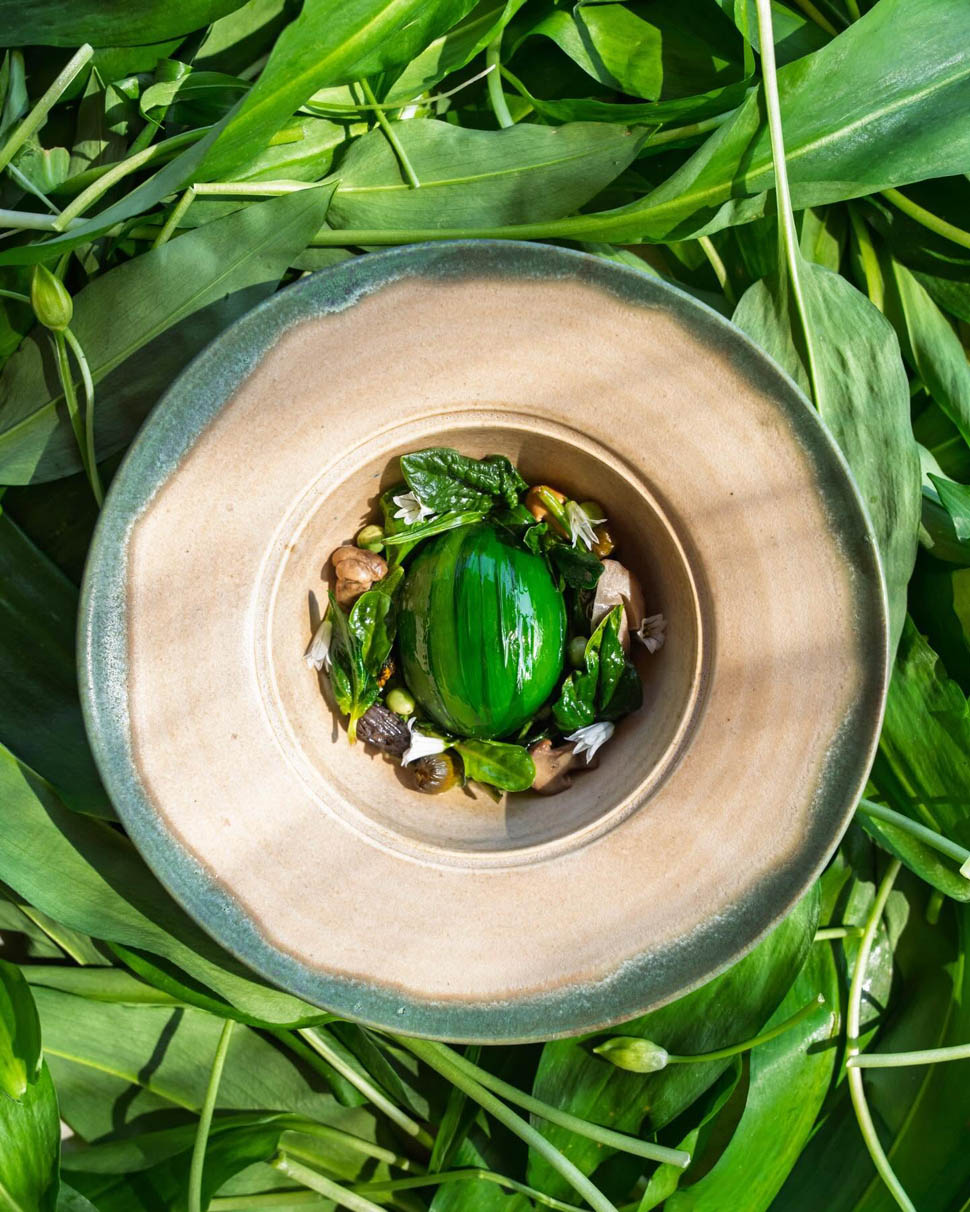
The dish presented at the conference came about almost by chance. Not from the idea of cooking zucchini, but from the abundance of extraordinary zucchini in the garden, which are plentiful during the summer. “I realized that it’s much harder to work with a perfect vegetable than with a protein. When a zucchini is already delicious even raw, you really wonder what you can do without ruining it.”
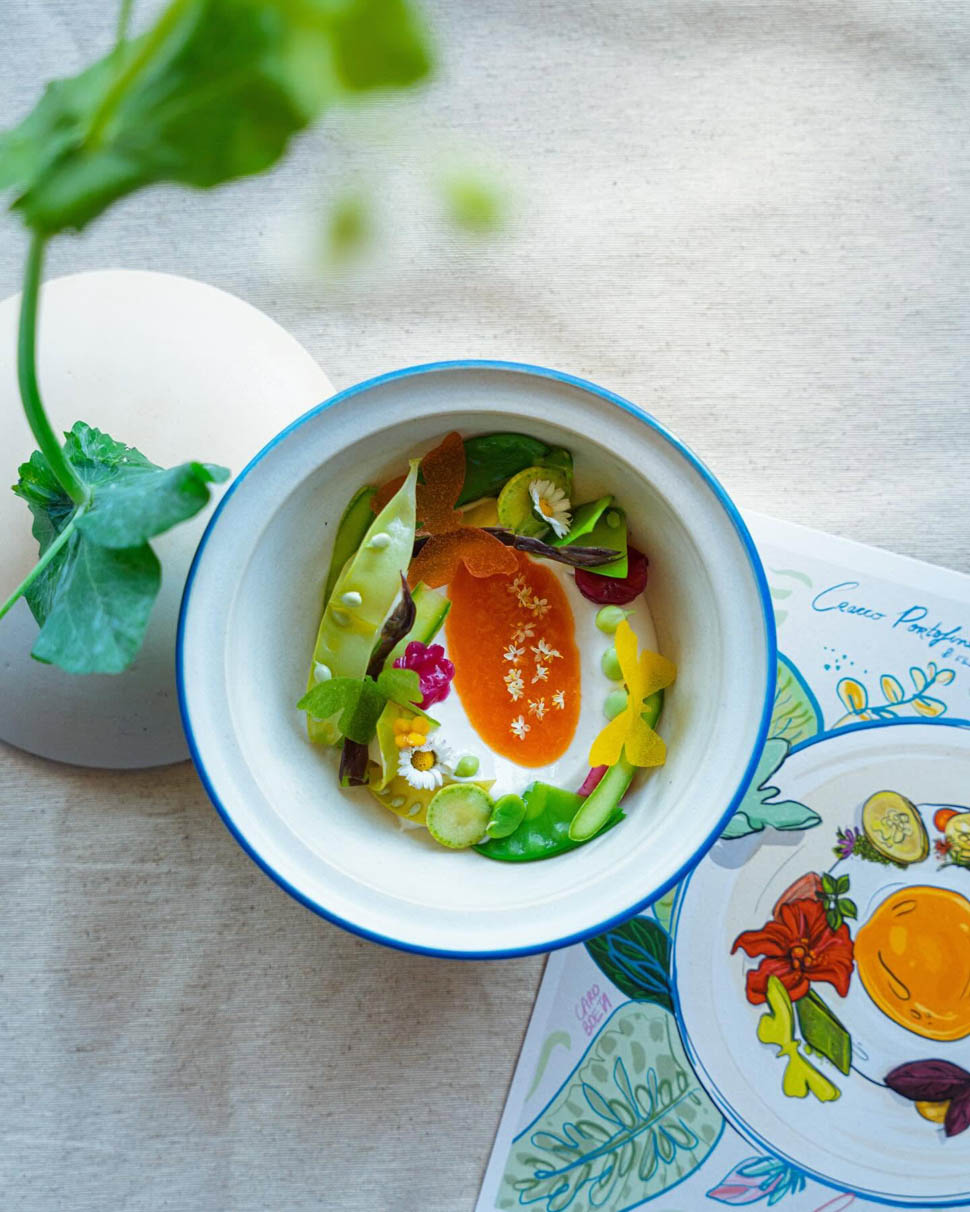
This led to a dish built around Prescinsêua, a traditional Ligurian curd, along with marjoram, local pine nuts, and three different varieties of zucchini from the Cracco Portofino garden. The goal isn’t to impress with technique, but to find a balance that enhances an ingredient that’s already perfect on its own.
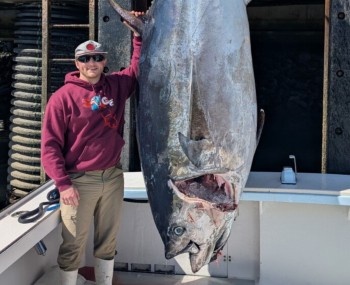
During the meeting, the conversation inevitably turns to fish aging, a topic that has captured the attention of Italian haute cuisine in recent years. Pecis, however, distances himself from an approach that risks turning aging into a mere technical demonstration. “I’m not interested in being able to say I’ve aged a tuna for sixty days if the result is fish that’s inedible.” For the chef, the point isn’t the number of days of aging—often taken to extremes—but the chef’s ability to assess each individual fish. “Every fish is wild. It eats different things, lives in different waters, and has different characteristics. It’s up to the chef to analyze what’s in front of them and decide what the right amount of time is.”
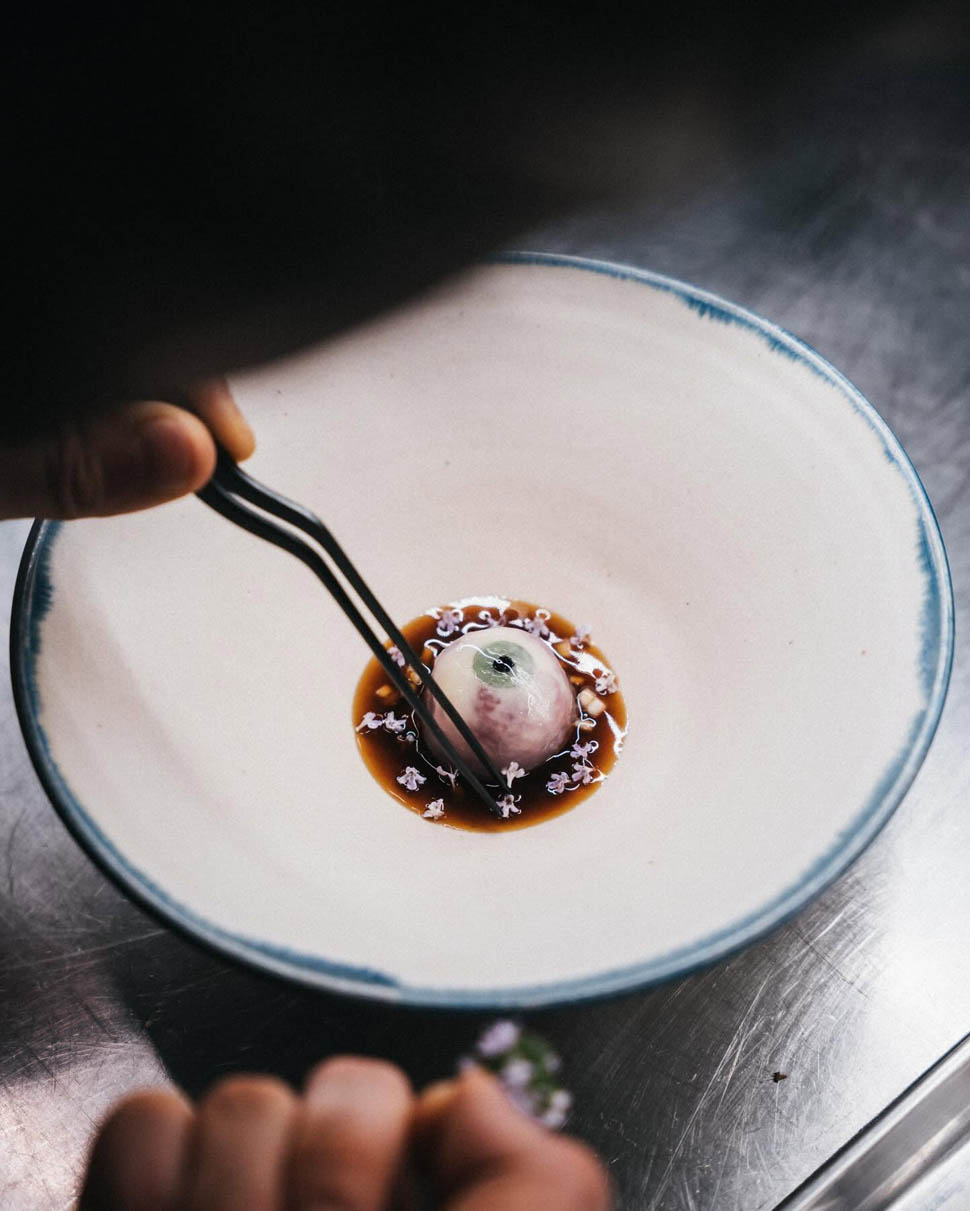
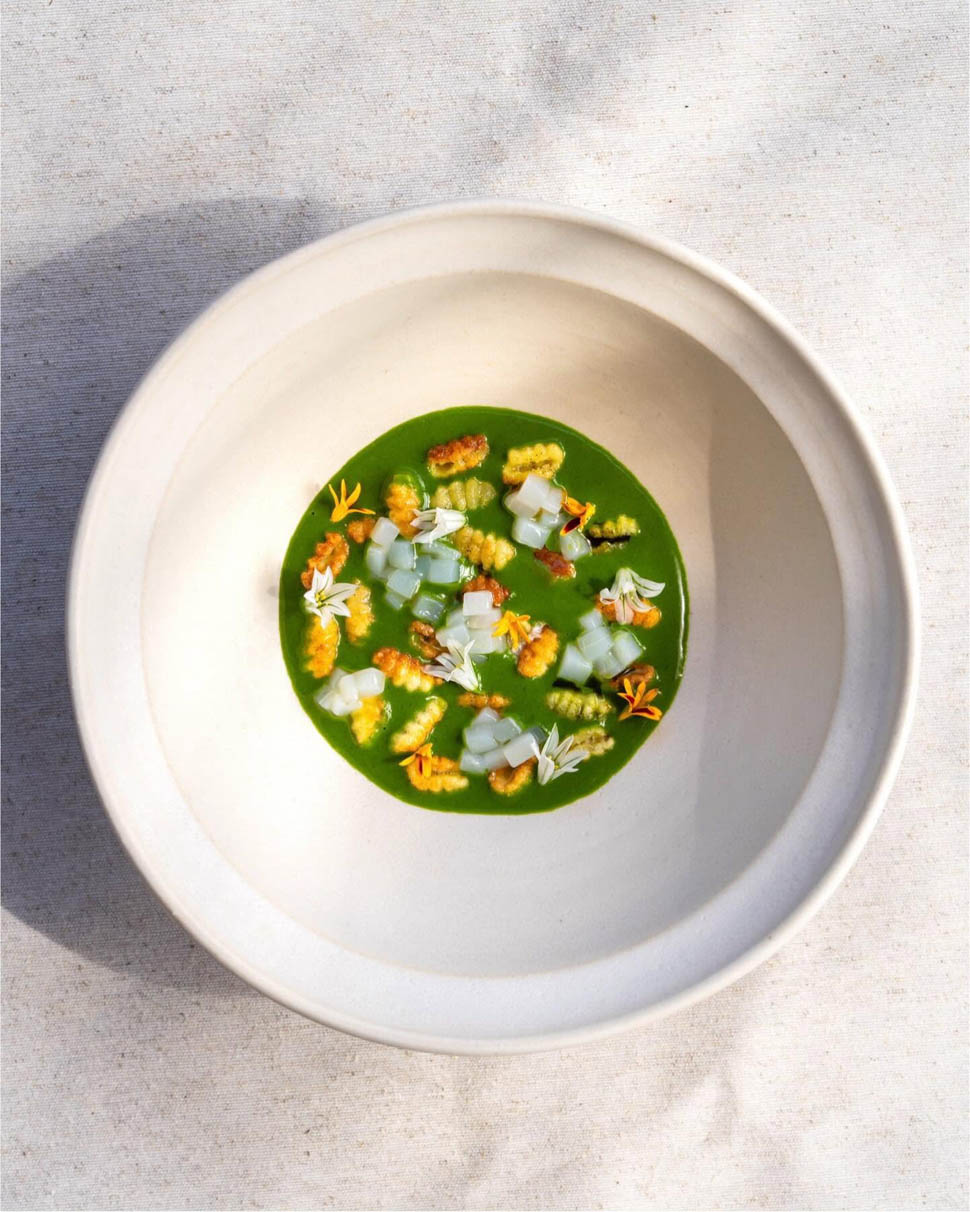
Aging thus becomes a tool for enhancing the taste experience, rather than just something to talk about at the table. “What interests me is that the fish reaches its full potential in terms of texture and flavor. I don’t want to end up with dried-out fish just so I can say how many days it spent in the cold room. For me, aging is first and foremost a smart preservation method.”