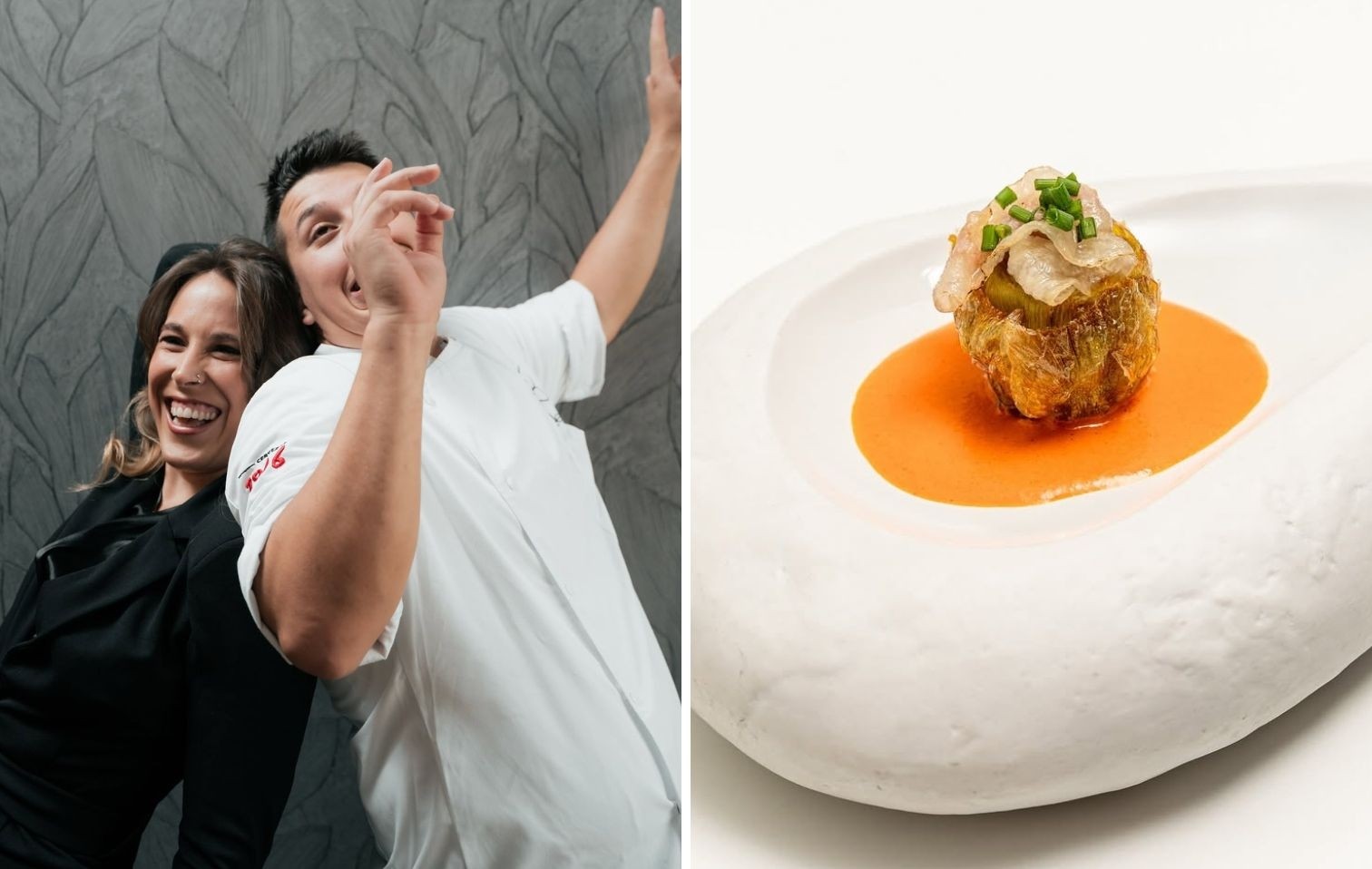
A dish made with onions can tell the story of a region just as well as a generous seafood platter or a ribeye that’s been dry-aged for months. It can speak of families, of seasons, of hands stained with dirt, and of mornings spent among rows of vines still glistening with dew. In Pamplona, at Kabo, this belief has become a daily philosophy—a way of approaching gastronomy that begins in the fields and ends on the table without losing the thread of the story.
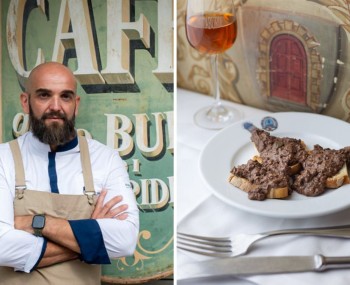
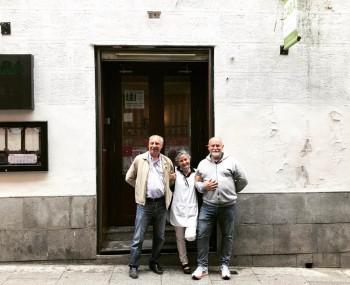
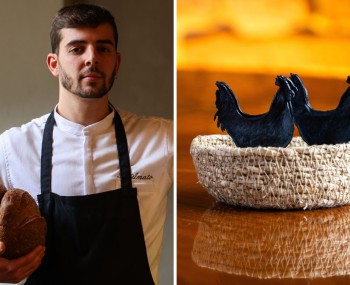
Behind the project are Aarón Ortiz and Jaione Aizpurua, one of the most interesting duos of Spain’s new generation of chefs. He leads the kitchen, while she oversees the dining room and wine cellar; she was named Best Sommelier of Navarra in 2025. Together, they opened Kabo in 2021 and, in just six months, earned a Michelin star.
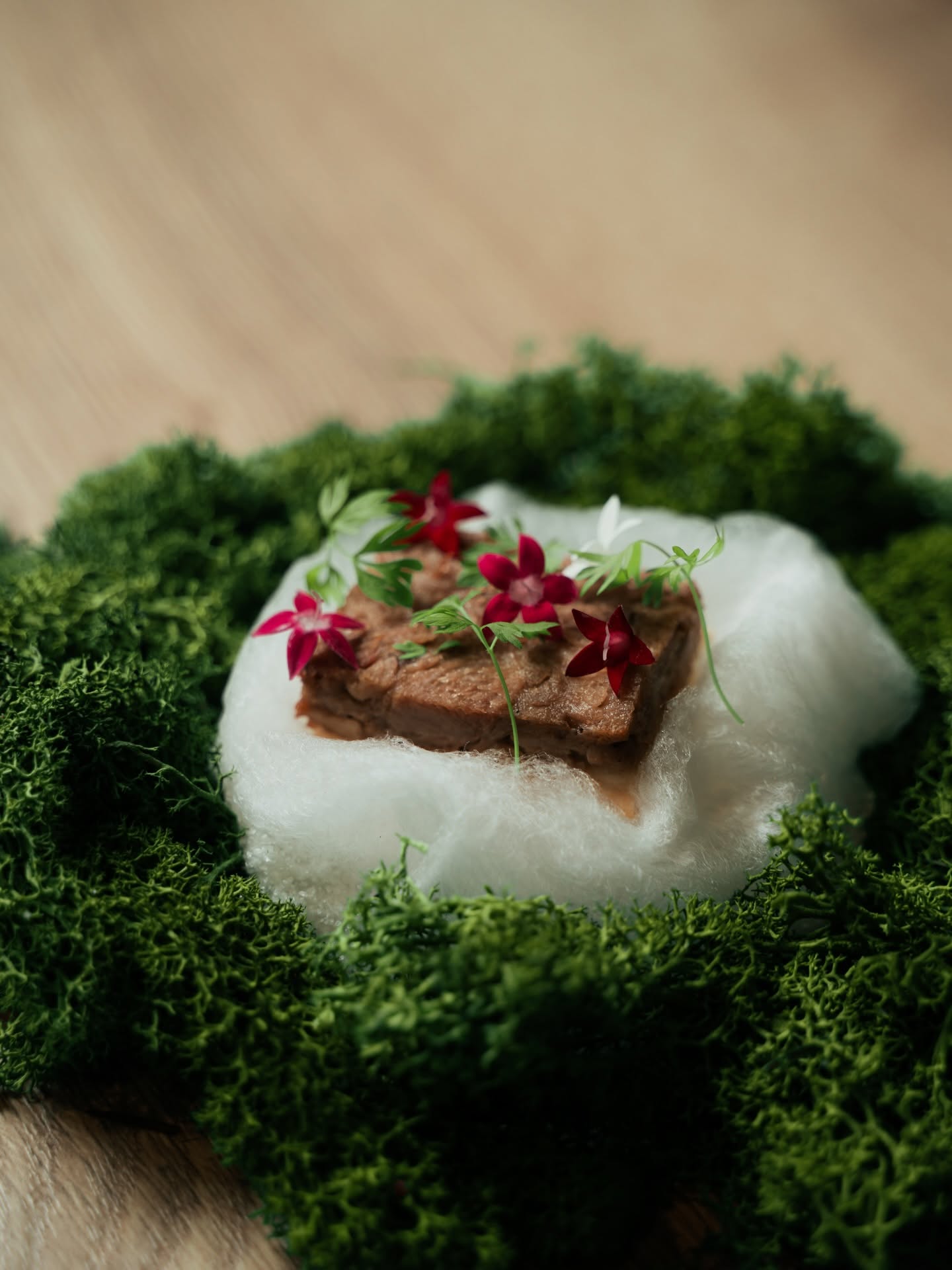
This result was achieved without any gimmicks, without chasing after exotic ingredients or spectacular techniques, but by choosing a path that appears simpler yet is actually much more complex: giving absolute dignity to the products of one’s own land. Navarre, they explain, already has everything it needs: asparagus, artichokes, bell peppers, leeks, garlic—vegetables that have shaped the region’s culinary identity for generations and that today, in many cases, risk being perceived as ordinary ingredients precisely because they are so familiar.
“We want to bring Navarra to the table,” Aarón Ortiz tells InfoBae. “We have an extraordinary wealth of products and don’t feel the need to look elsewhere.” A statement that might seem obvious in an era dominated by “zero-kilometer” cuisine, but one that takes on a very concrete meaning at Kabo. Here, the local territory isn’t just a marketing talking point. It’s the starting point for every decision. The prices? Affordable given the restaurant’s caliber: the menus are Semilla (eight courses, available for lunch on weekdays, €60), Raíz (short menu, ten courses, €80), and Terruño (long menu, thirteen courses, €110). Jaione Aizpurua often speaks of memory and belonging. She recalls a northern Spain made up of home gardens, tomatoes picked straight from the plants, family farms, and farming rituals that marked the rhythm of daily life.
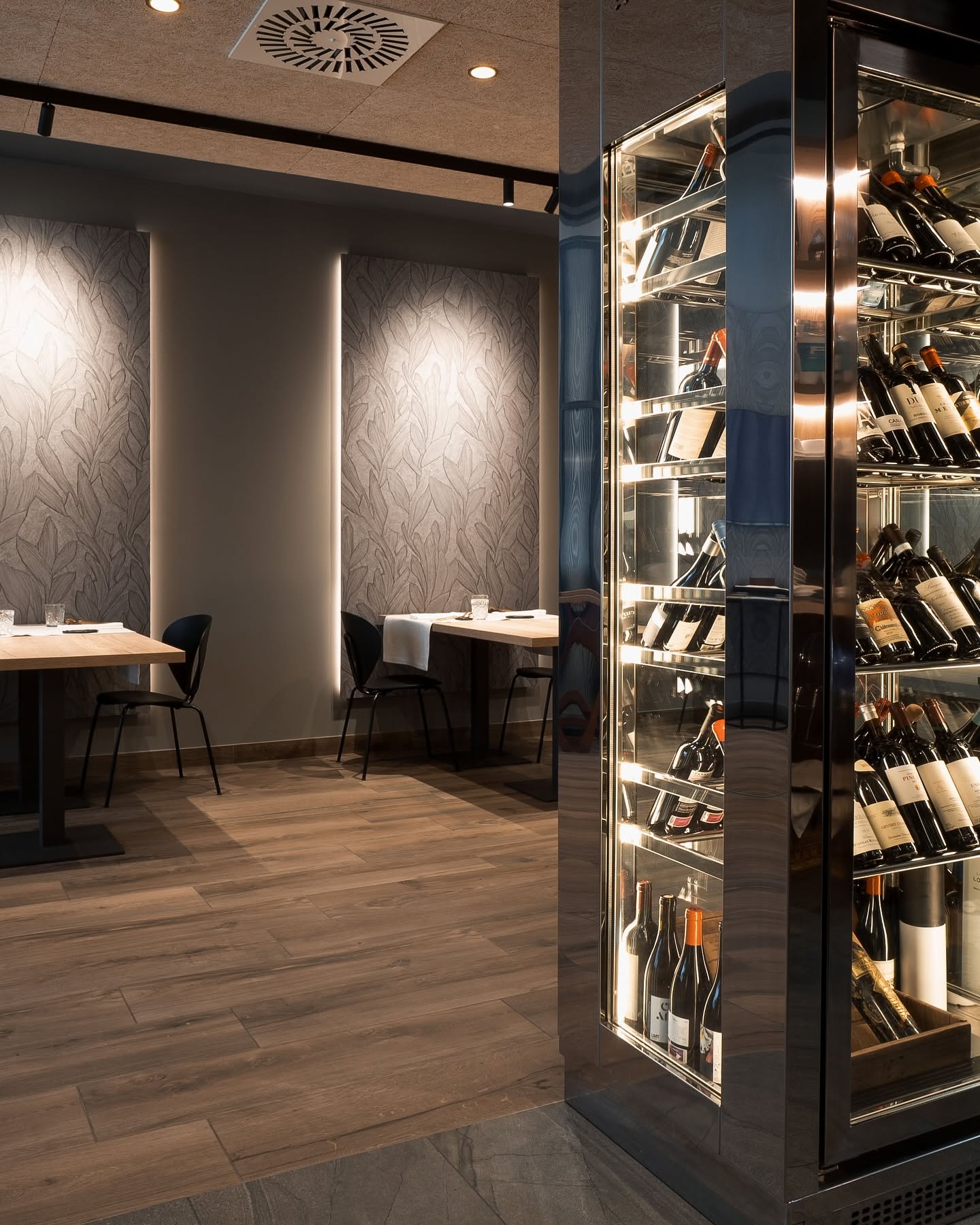
“We want to preserve the essence we grew up with—having a vegetable garden, raising a few animals, and preparing food in tune with the rhythm of the seasons. These are traditions that are slowly disappearing and deserve to be preserved.” This vision is reflected in the restaurant’s tasting menus, designed as a journey through the agricultural landscape of Navarre. Vegetables play a central role in nearly every course, even influencing the dessert selection. This isn’t a choice driven by contemporary fads or the plant-based trends that have taken the international fine-dining scene by storm in recent years.
For Ortiz, the matter is much simpler: vegetables have always held a place of honor in the region’s gastronomic culture. “For many, this is a novelty. For us, it’s the norm. Around here, we’ve always eaten artichokes, menestra, and other vegetables.” The produce comes from a network of small local suppliers that the restaurant checks in with almost daily. The artichokes come from Tudela, the crystal peppers from Fitero, the organic garlic from Falces, and the leeks from Mendavia. Complementing this vegetable heritage are animal-based ingredients selected with the same care: trout from Yesa, chistorra from Arbizu, suckling pig from Tierra Estella, organic eggs from Guneko, and cheeses from the Kamiku cheese shop.
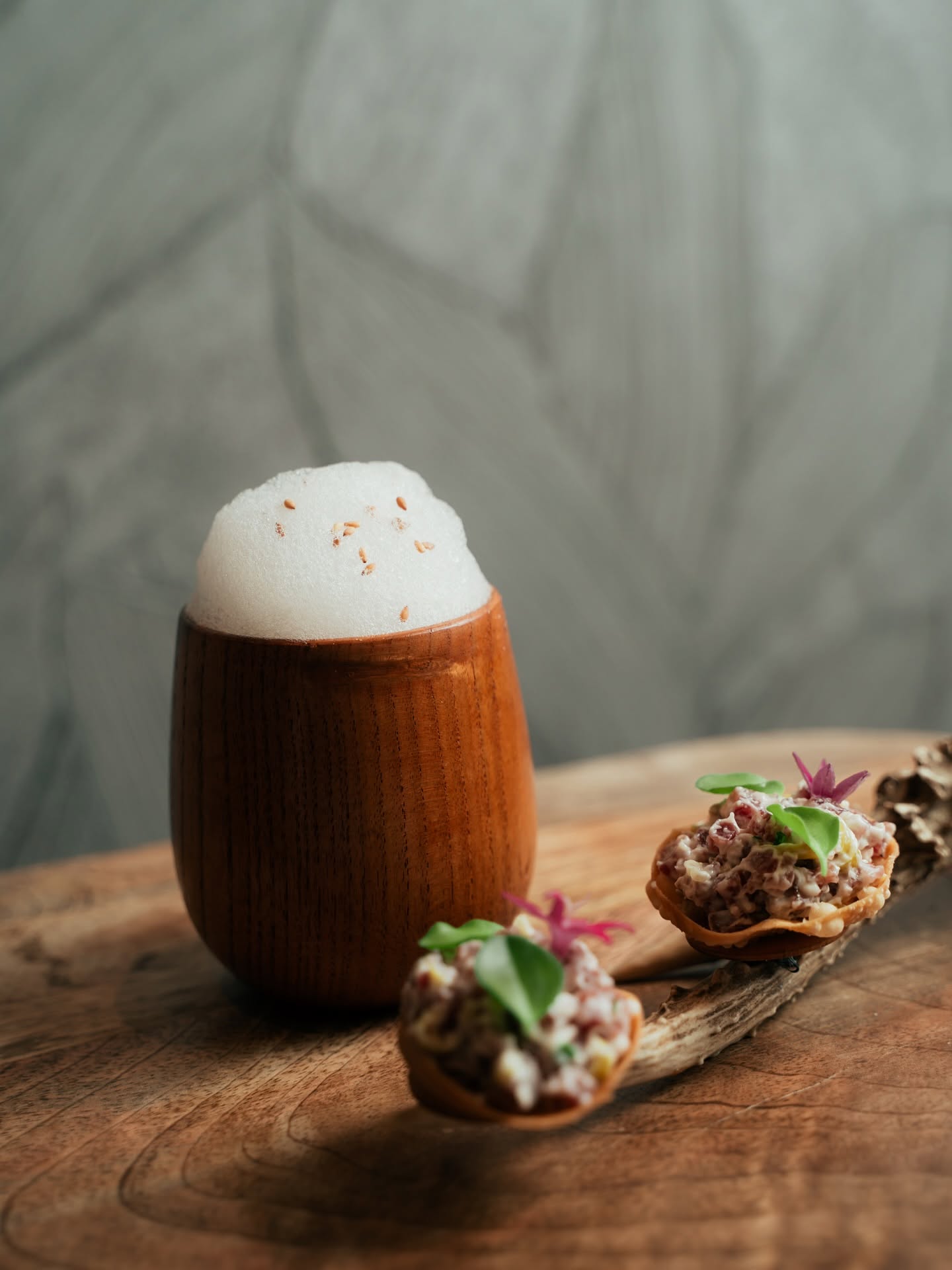
Each season rewrites the story. Kabo completely revamps its culinary journeys four times a year, following the natural evolution of the harvests. The menus change constantly—sometimes almost day by day—adapting to whatever the land has to offer.
What stands out, however, is above all a dish that never leaves the menu. A sort of gastronomic manifesto that perfectly encapsulates the restaurant’s philosophy. It is simply called “Mejana Spring Onion with Onion Skin Broth and Chives.” Behind this seemingly simple name lies a surprising composition. The base is an onion emulsion. The broth is made from the same raw ingredient. Even the final touch incorporates the vegetable’s peels, combined with a citrus note. Every element revolves around an ingredient that normally remains in the shadows of recipes, used to make stocks, sautéed mixtures, and sauces. “We wanted to highlight something humble,” they explain. “Onions have always been a part of our homes. At some point, we asked ourselves why not dedicate an entire dish to them.”
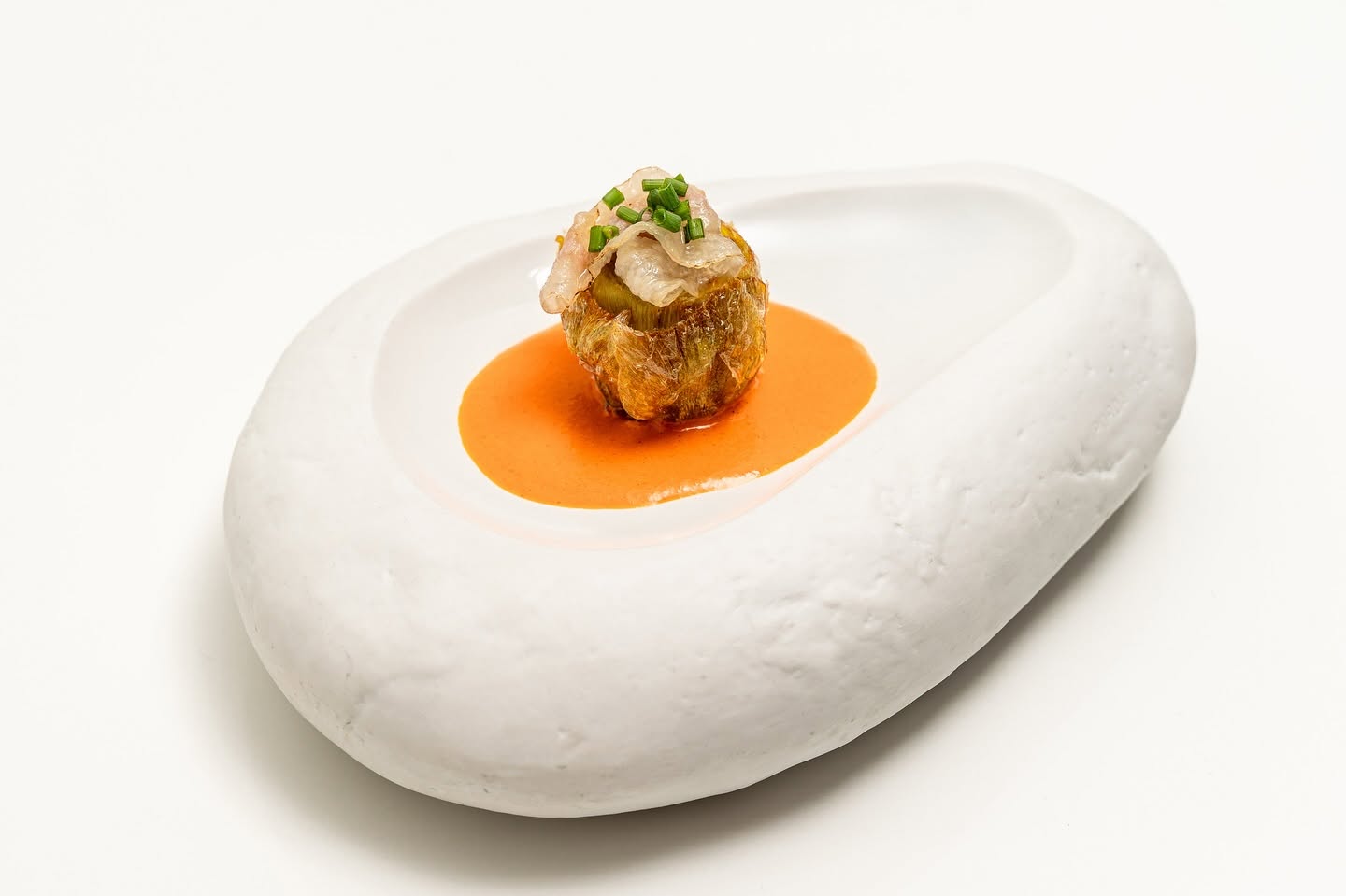
It’s a question that says a lot about Kabo’s identity. Instead of chasing after the extraordinary, the restaurant tries to shift perspectives. Everyday ingredients take center stage, farming practices take on a gastronomic dimension, and what once seemed ordinary gains depth. This attention also extends to those who work behind the scenes. As you flip through the menu, you continually come across names, farms, and small-scale producers. Each ingredient is accompanied by the story of the person who grows or raises it. According to Ortiz, the restaurant industry has often focused exclusively on chefs, forgetting the long supply chain that makes every dish possible.
This idea is also tied to the debate on sustainability. For the Navarran restaurant, the issue isn’t just about resource management or reducing waste. Above all, it means recognizing the human value of agricultural work and building lasting relationships with producers. It’s not always an easy choice. Collaborating with small-scale operations inevitably involves some logistical complications. Aizpurua speaks candidly about this. “Sometimes we have to get in the car and go pick up eggs or other products ourselves. It’s a less predictable system, but it’s important for us to support these farms because we share the same artisanal ethos.”
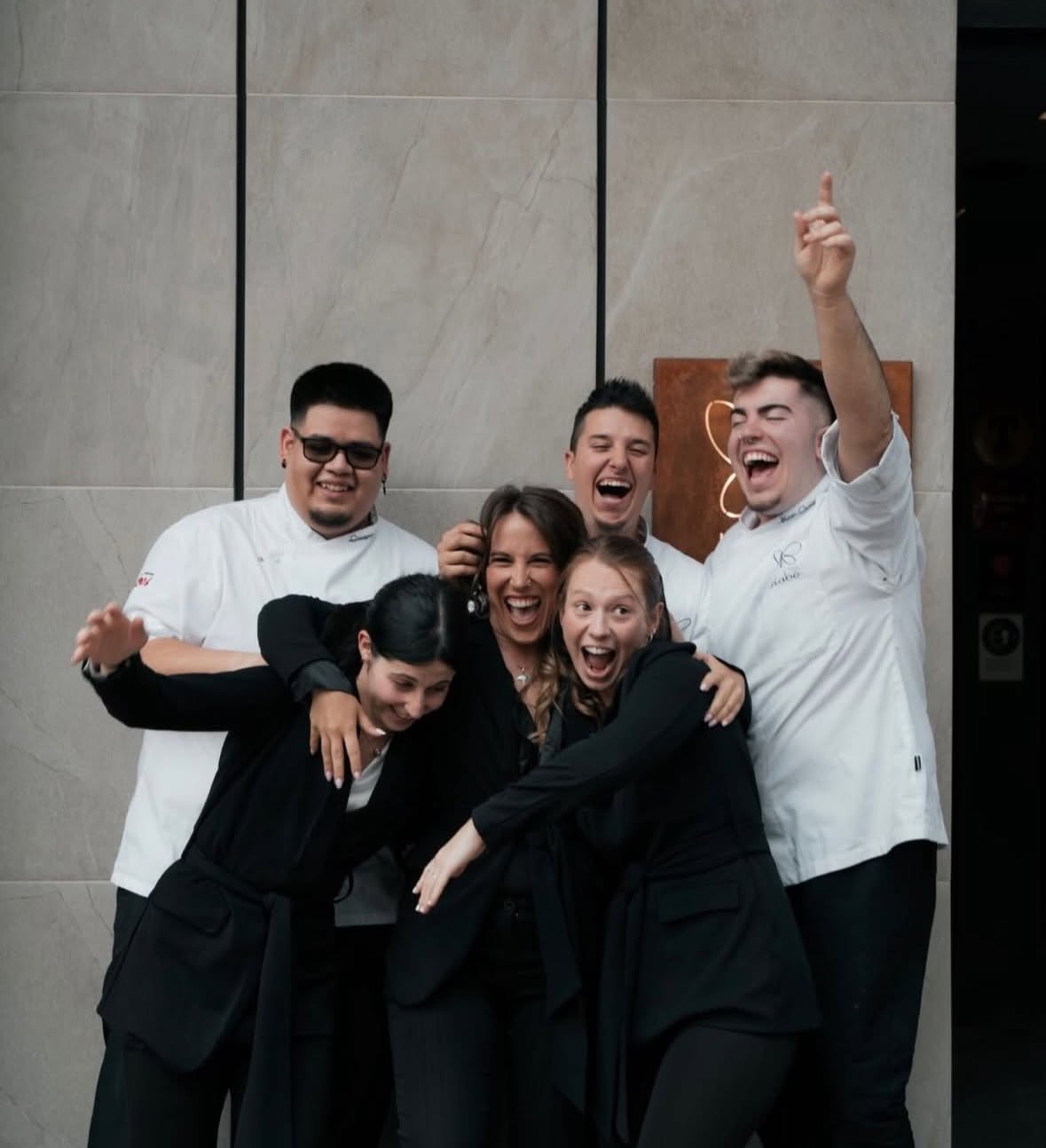
That direct connection to the local area represents, in their view, a new form of luxury—a concept far removed from traditional opulence and closer to authenticity. Knowing where an ingredient comes from, knowing the face of the person who produced it, understanding the work that goes into a harvest: these are the elements that create value today. The same sensibility emerges when the conversation turns to work in the kitchen. Aarón and Jaione belong to a generation that is seeking to redefine the rules of professional dining, introducing a better balance between personal life and work. “Our profession needs to be recognized,” says Ortiz. “For years, we’ve accepted situations that no longer make sense today.” The solution also involves setting clear boundaries, implementing sustainable schedules, and reorganizing service operations.