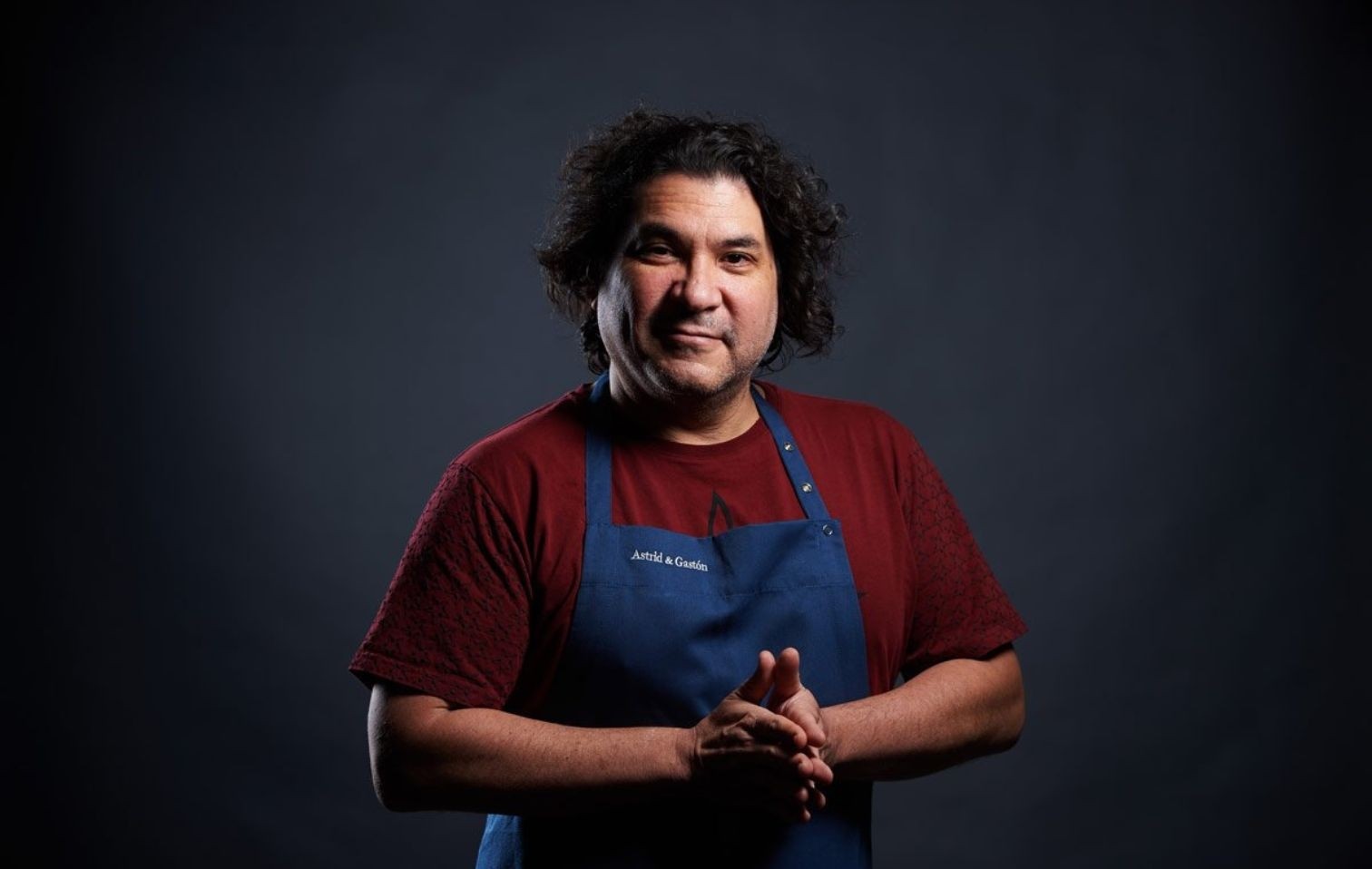
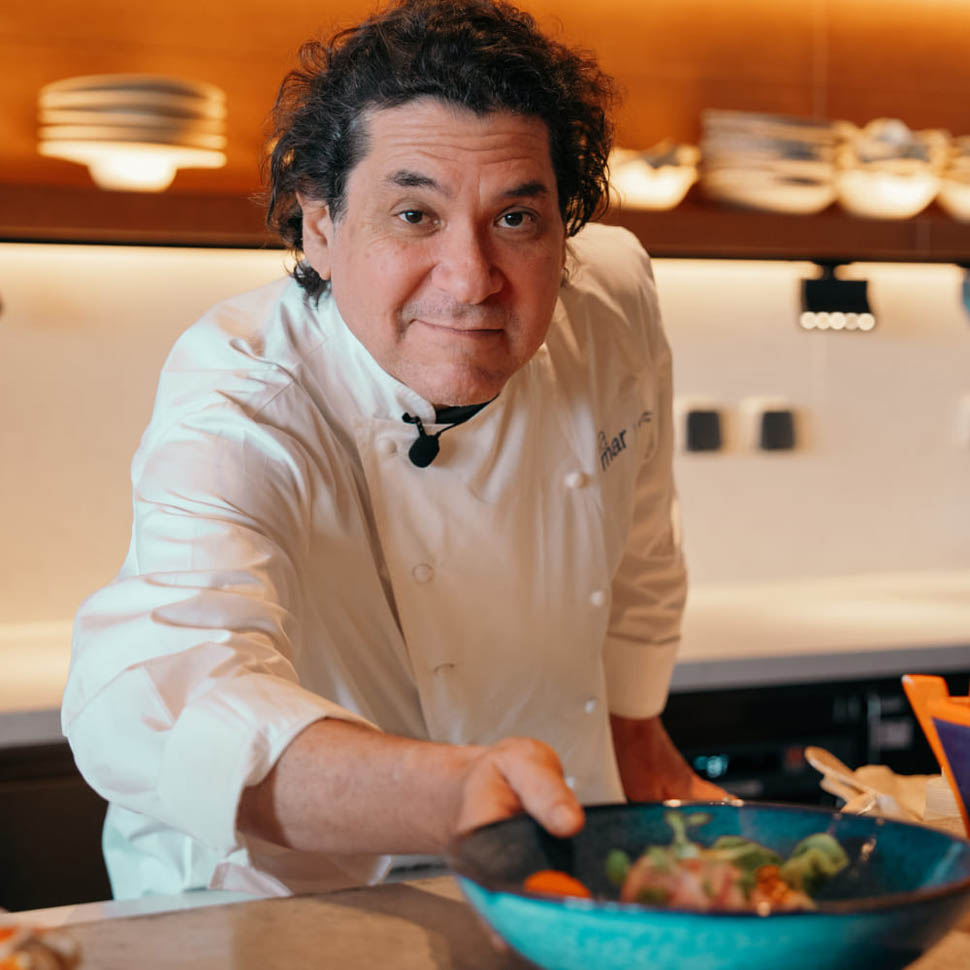
For Gastón Acurio, gastronomy is not just about technique, creativity, or culinary pleasure. Above all, it is a tool capable of transforming society by creating jobs and supporting local producers. Because a restaurant is built on human connections that go beyond the kitchen.
Cover photo: Colin Page
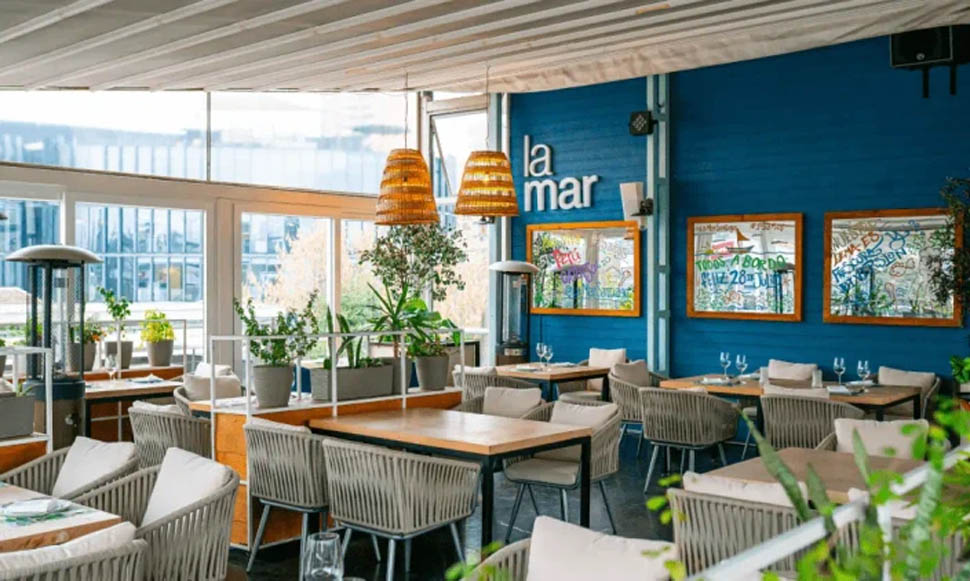
Photos in the article: La Mar
The Peruvian chef has often spoken of his greatest wish: to see gastronomy contribute to his country’s development and lead Peru toward a more prosperous future. An ambitious idea that in recent years has been confirmed by the so-called “Peruvian gastronomic revolution,” a phenomenon that has changed not only the image of the national cuisine but also the way citizens perceive themselves and their own culture.
The Soul of Peruvian Cuisine
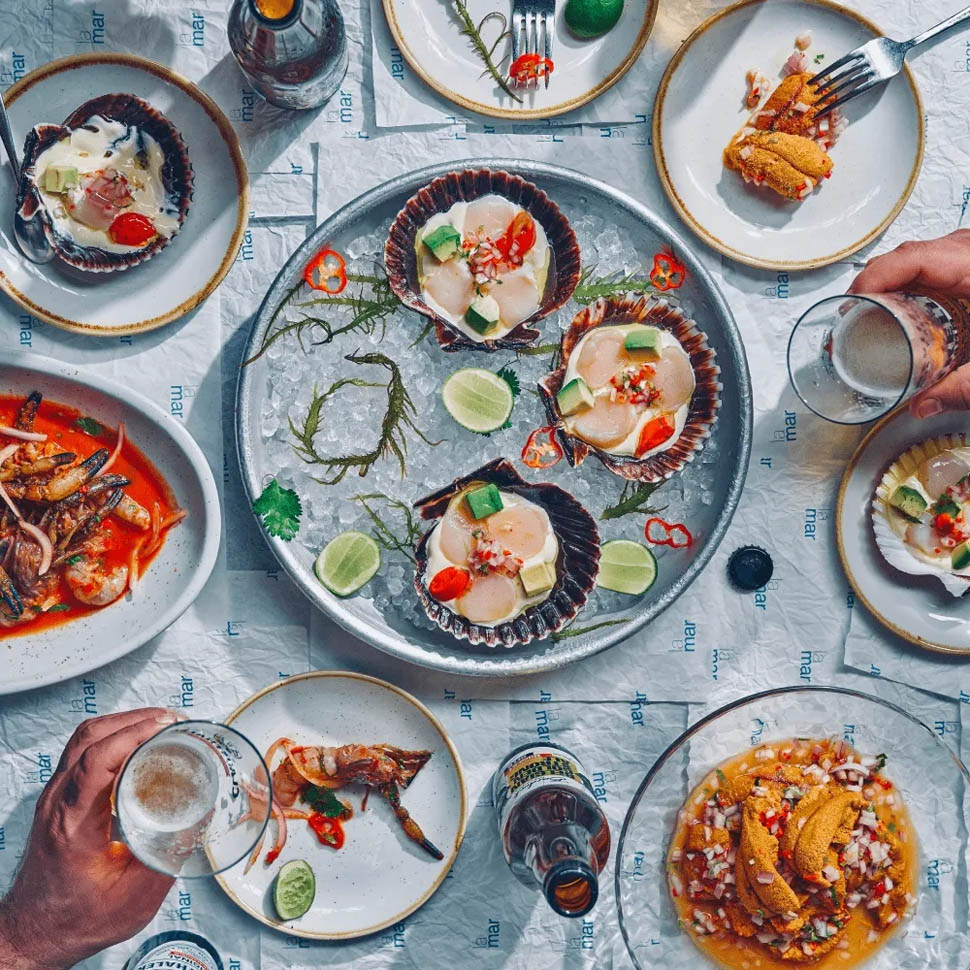
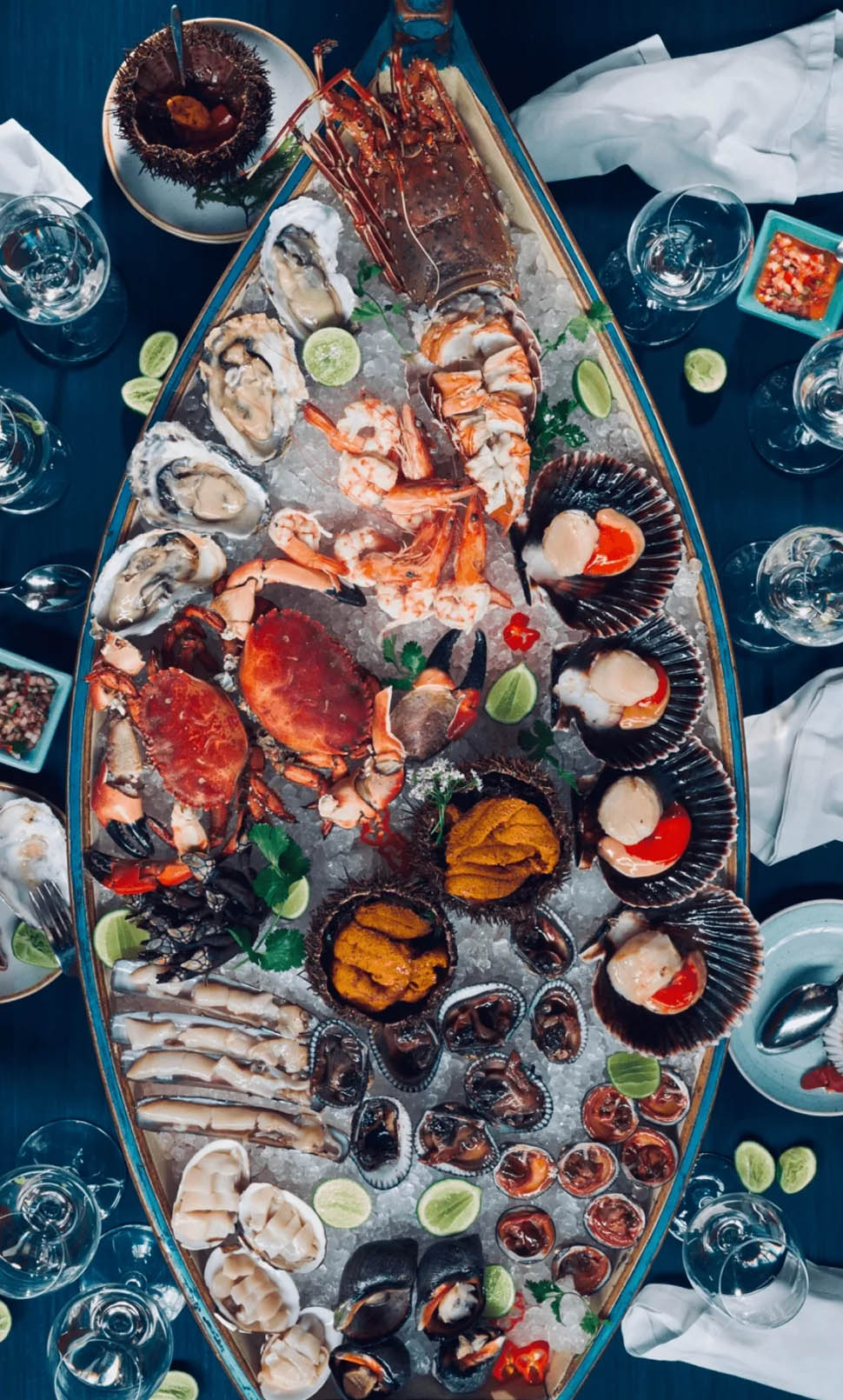
At the heart of Acurio’s vision lies a deep respect for local ingredients. Among them, one in particular represents the soul of Peruvian gastronomy: the aji, the chili pepper that characterizes numerous traditional dishes. But the value of ingredients goes beyond taste: they tell stories of places and communities. This is why the chef, in a wonderful interview with 7Canibales, emphasizes the importance of knowing the origin of raw ingredients and the work of the people who produce them. According to Acurio, a dish cannot truly be considered successful if exploitation or injustice lies behind one of its ingredients.
A revolution sparked by chefs
Over the past decade, Peru has undergone an extraordinary transformation in the world of gastronomy. Whereas cooking schools were virtually nonexistent in the past, today thousands of young people are studying to become chefs in their own country. This new enthusiasm has helped create a true culinary community, made up not only of chefs but also of farmers, fishermen, producers, and entrepreneurs. Cuisine has thus become a meeting point for different generations and professions, united by a desire to highlight local resources. “There was a time when four or five chefs monopolized all the media attention,” says Acurio. "Instead, rather than using it for personal gain, we began to use it for the common good: if I have a TV show, I won’t promote my own work; I’ll talk about the work of the most humble people. We realized that Peruvian cuisine is a broad umbrella encompassing chefs, farmers, restaurateurs... so the success and failure of the ‘others’ (the team that gets less attention, ed.) are also ours."
A People’s Rediscovered Pride
One of the most significant changes brought about by gastronomy concerns national identity. For a long time, Peruvians perceived their country as destined to remain on the margins of global development, limited to exporting raw materials and importing cultural models from abroad. The rise of Peruvian cuisine on the international stage has, however, demonstrated that local traditions, too, can conquer the world. Today, many citizens view their gastronomic culture with pride, aware that it represents a unique heritage recognized globally. "On the other hand, there is still much to be done to change government policies that focus the promotion of gastronomy on action: in agriculture, for example, it is essential to understand that small-scale, high-quality producers can provide significant added value. The government must support them with marketing, sales, and distribution techniques, without assuming they are a problem simply because large-scale agriculture is considered the ultimate solution."
Cooking as a Social Tool
Among the most emblematic projects supported by Acurio is the Pachacútec cooking school, created to offer opportunities to young people from difficult backgrounds. Located in a poor area on the outskirts of Lima, the initiative demonstrates how gastronomy can become a concrete means of inclusion and vocational training.For the chef, cooking must help create opportunities where none existed before, offering young people prospects for personal and professional growth.
Beyond the Restaurant: A Global Vision
For Acurio, a chef cannot limit himself to the kitchen of his own restaurant. Gastronomy, in fact, encompasses many other fields: agriculture, trade, the environment, education, and tourism. From this perspective, the chef becomes a figure capable of engaging with society and promoting values such as sustainability, collaboration, and respect for the local area. A broad vision that transforms the profession of chef into a cultural as well as a culinary responsibility.
A message for the future of gastronomy
Gastón Acurio’s journey demonstrates that cooking can become much more than a sensory experience. It can be a language capable of uniting people, telling a country’s story, and generating new economic and social opportunities. In a world still marked by inequality, gastronomy can serve as a tool for dialogue and growth. It isthis conviction that guides the Peruvian chef: to use the power of cooking to contribute, in his own small way, to building a better world.