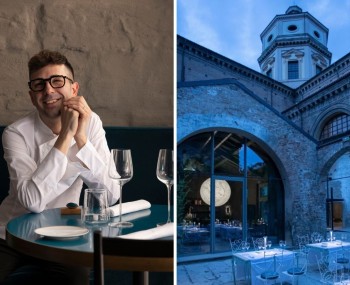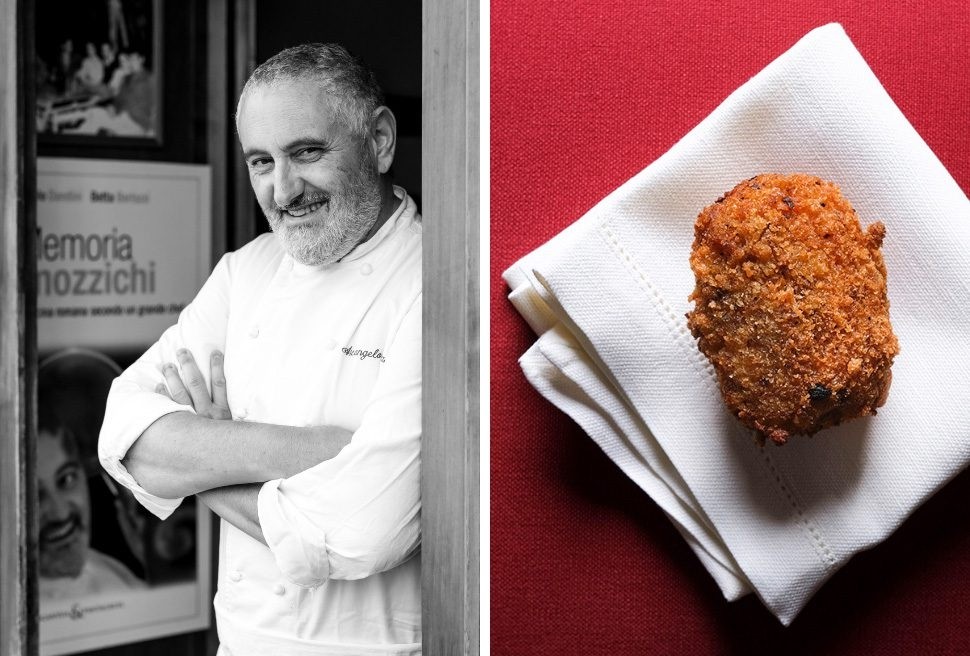
Quality ingredients and handmade preparation are the secret behind Arcangelo Dandini's supplì, faithful to the recipe handed down by his grandmother Velia, a “great cook.” A family tradition refined over time and passed down to the present day.
Supplì by Arcangelo Dandini
The story
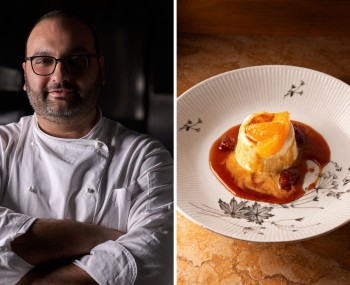
Arcangelo Dandini is one of the guardians of Roman cuisine: a native of the Castelli Romanici, he comes from a family of restaurateurs, now in its fifth generation. He is one of those who live above their shop. Always eager to keep up to date with the latest techniques and concepts, he learned the family trade hands-on, but refined his skills through high-level professional experience, spending three years with Aimo Moroni in Milan studying the magnificence of ingredients.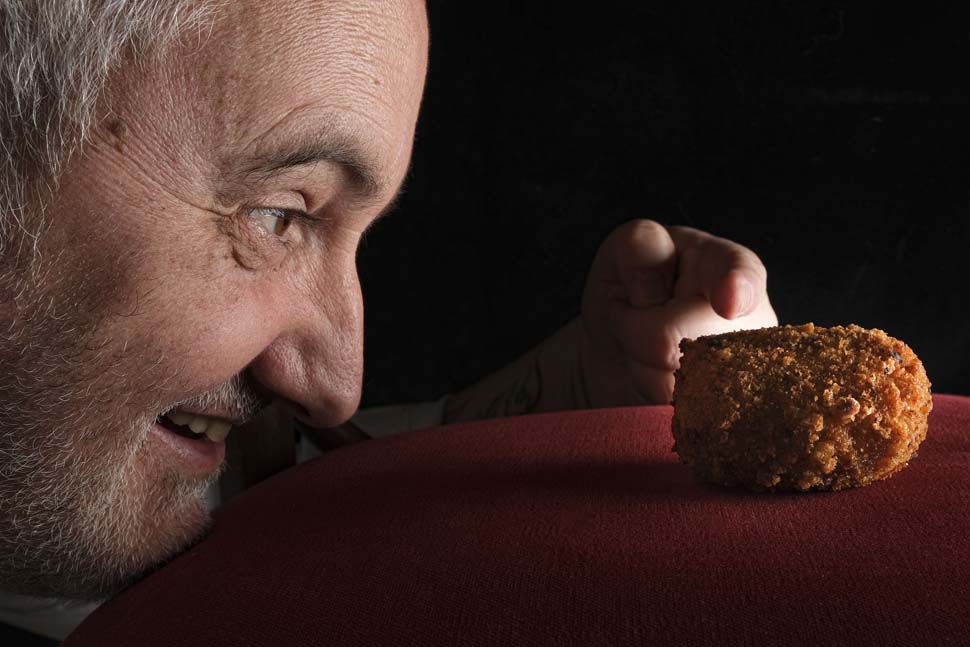 Photo by Lido Vannucchi
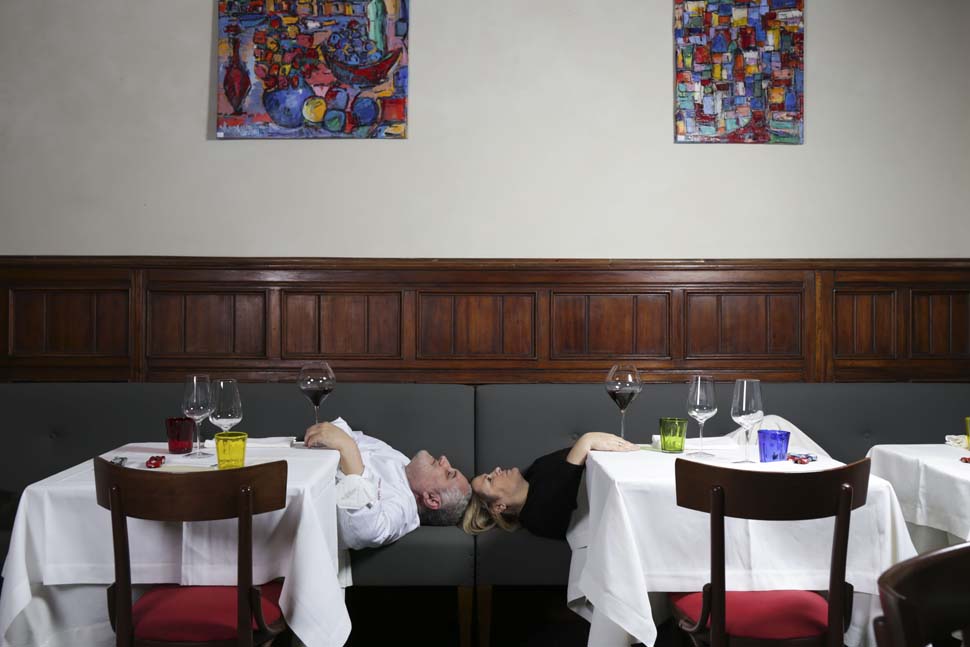 Photo by Lido Vannucchi
The result is a restaurant that is both authentic and sophisticated, L'Arcangelo, where tradition reigns supreme, but without reverential paralysis. In 2014, it was joined by Supplizio, a restaurant dedicated to Roman street food par excellence, on which he also carried out historical research.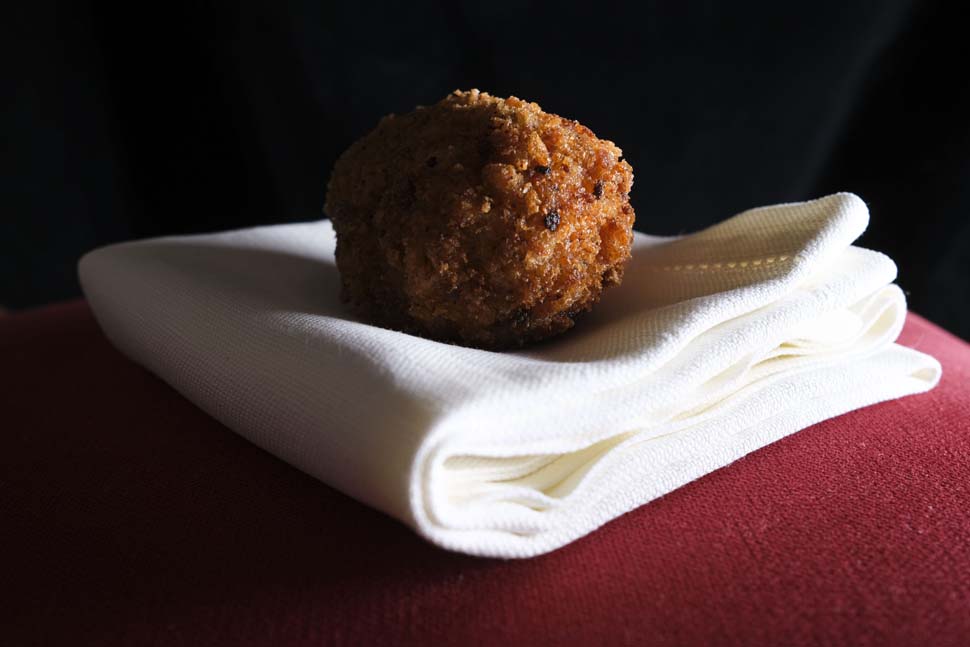 Supplì de L'Arcangelo - Photo by Lido Vannucchi
"Supplì as we know it today is the result of an evolution that began in the 1950s, when risotto arrived in Rome. It is actually a rested risotto, which starts with classic varieties such as Arborio, Vialone Nano, and, in my case, Carnaroli. There is an anecdote about the name: it is said that when Napoleon's troops arrived in Rome at the end of the 18th century, they brought with them from the Kingdom of the Two Sicilies the palla di riso, the twin sister of the arancino, which concealed a ‘surprise’ of meat or vegetables inside. Here, the name was interpreted as supplì. However, some differences have emerged: in Rome, more meat is used, such as offal, but also beef or sausage, because that is the custom, mozzarella is added and the rice is not boiled. This is why I always insist that supplì is not a dish made from leftovers. The breadcrumb coating also has a significant impact, although some places prefer a light dusting of flour and leave out the tomato completely.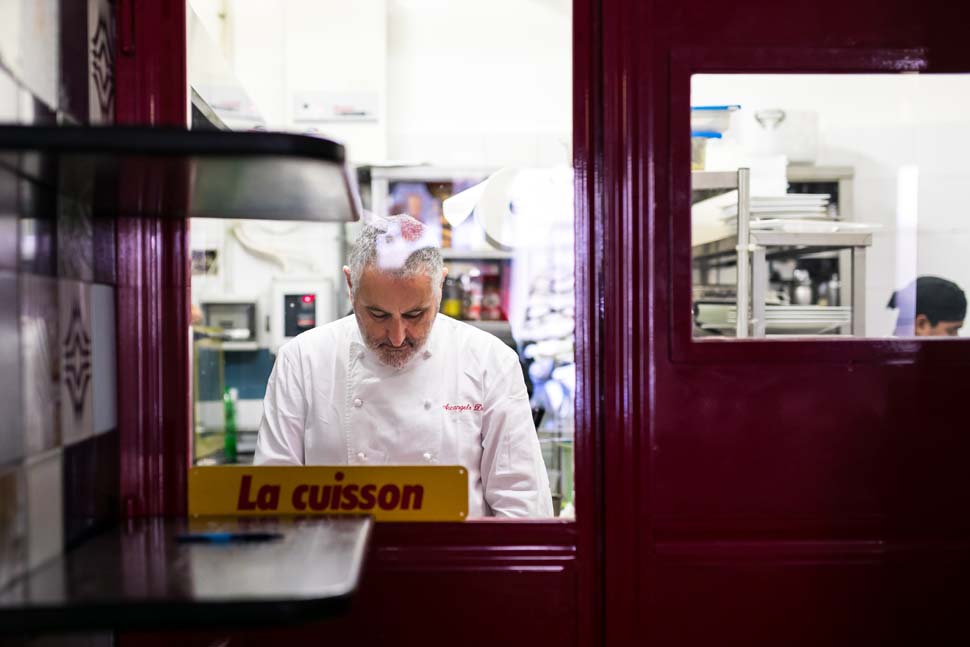 Photo by Alberto Blasetti
The dish
“For me, it has always been an illness. I remember that my grandmother Velia used to make it at home, grating three-day-old bread by hand. I also like the coarse breadcrumb coating, because fried food is like a dessert, it can be cloying without the crunch, which helps stimulate the salivary glands. She made this risotto with giblets and sausage, like me, but she used bay leaves instead of fennel, then spread it out and stuffed it with fior di latte, which is less watery and invasive than buffalo mozzarella, which would steal the show from the giblets. I was addicted, practically an eating disorder.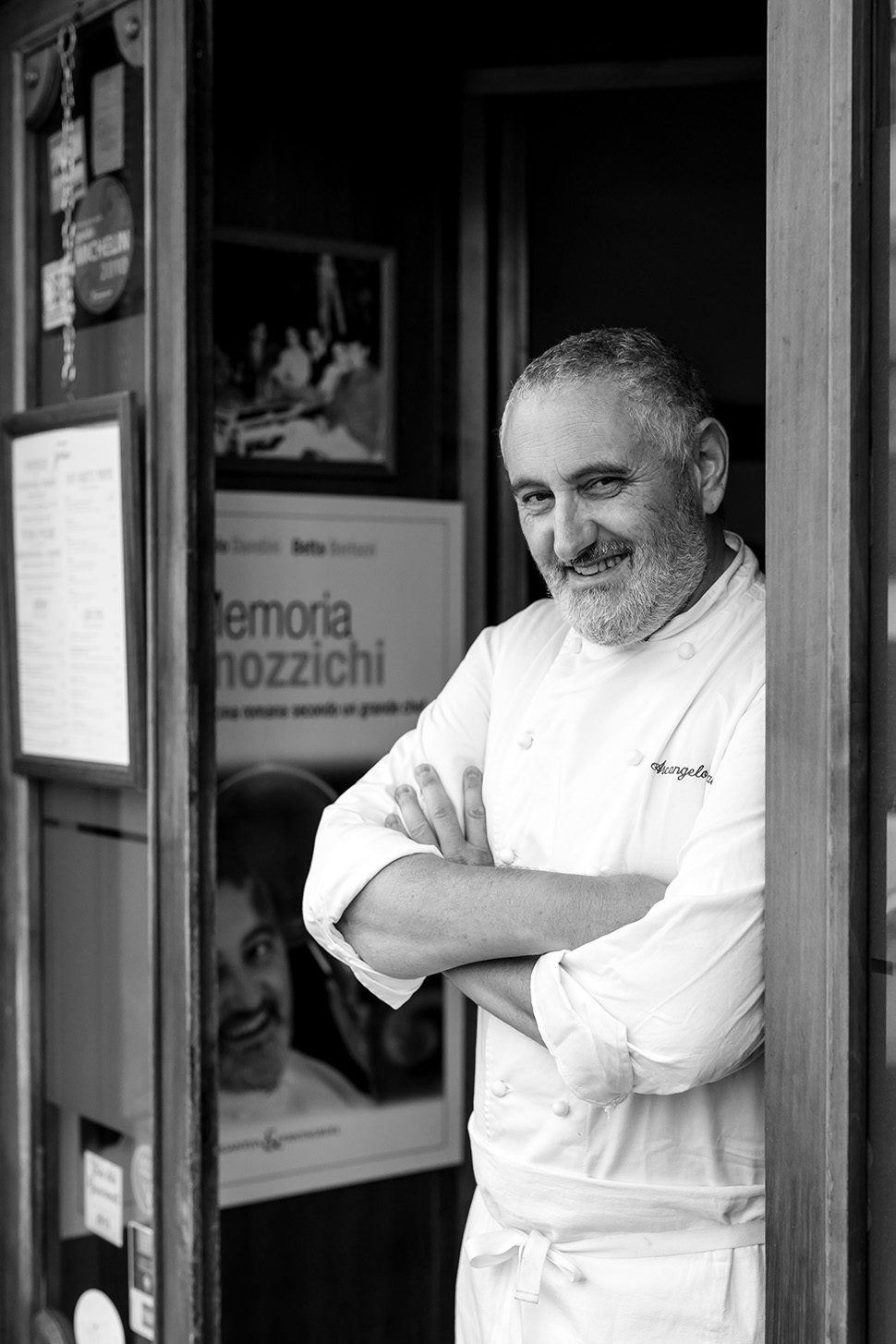 Photo by Alberto Blasetti
I remember when we used to go to Anzio for three months in the summer, my mother would buy supplì from a rotisserie every other night, even though she said they weren't as good as my grandmother's. Then when I arrived in Rome from the countryside, I started scouring the city in search of the perfect supplì in rotisseries. And I worked really hard in my restaurants, because food is noble, even street food. At Supplizio, there are four people who do everything by hand."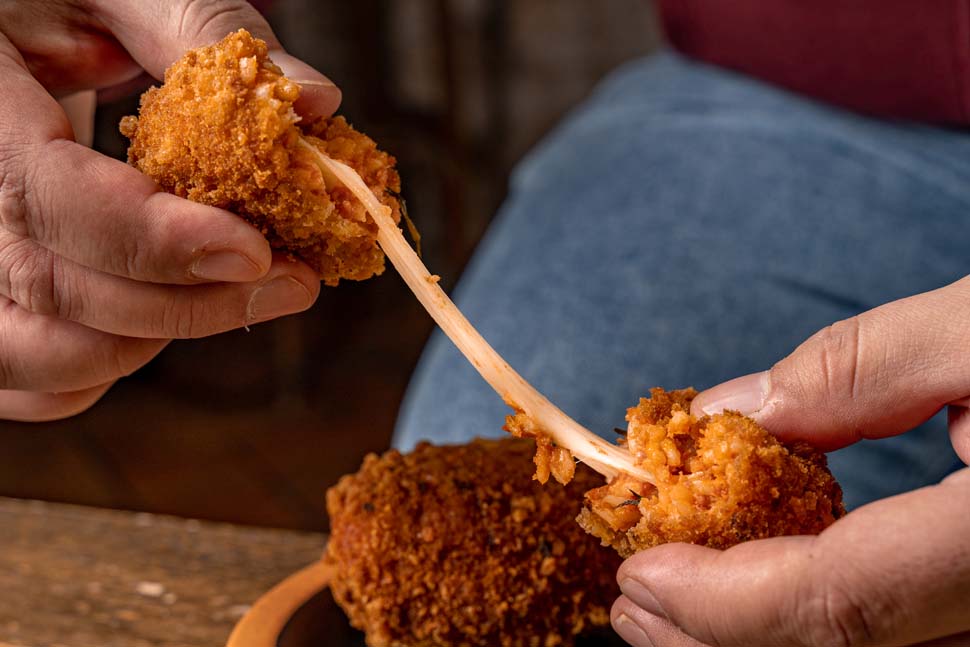 Supplì by Supplizio
The restaurant on Via dei Banchi Vecchi, furnished like a mini-restaurant rather than the usual rotisserie, with carpeting and an antique pharmacy counter, has been a hit. Of course, that spark of happiness, available in the classic version, mozzarella and tomato, or in the three Roman pasta flavors (cacio e pepe, carbonara, and amatriciana), costs €3 instead of the usual €1.50, but this depends largely on the selection of ingredients. The breading, for example, is prepared with Roscioli bread.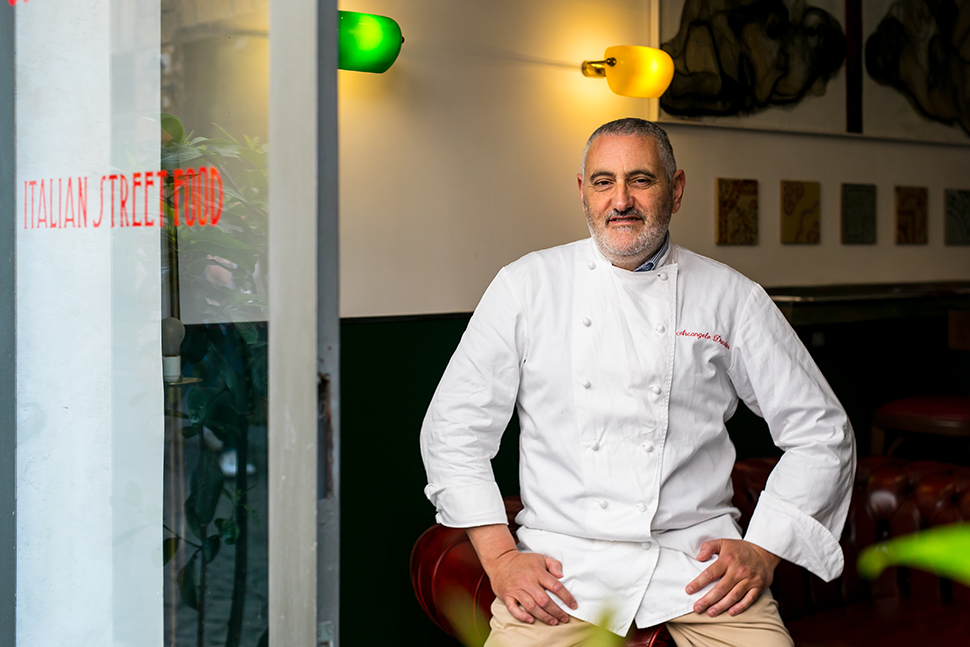 Credits Alberto Blasetti
"I was already serving supplì at Arcangelo twenty years ago, on a plate with potato croquettes and cubes of fried cream mixed with pecorino cheese, sugar and cinnamon, in homage to Bartolomeo Scappi,“ recalls Arcangelo, who pairs it with a ”da fritto" beer, a sour weiss type, or a fresh Chardonnay Champagne, or even Pinot Noir if the supplì is classic.
Arcangelo Dandini's recipe for Roman-style rice balls with giblets
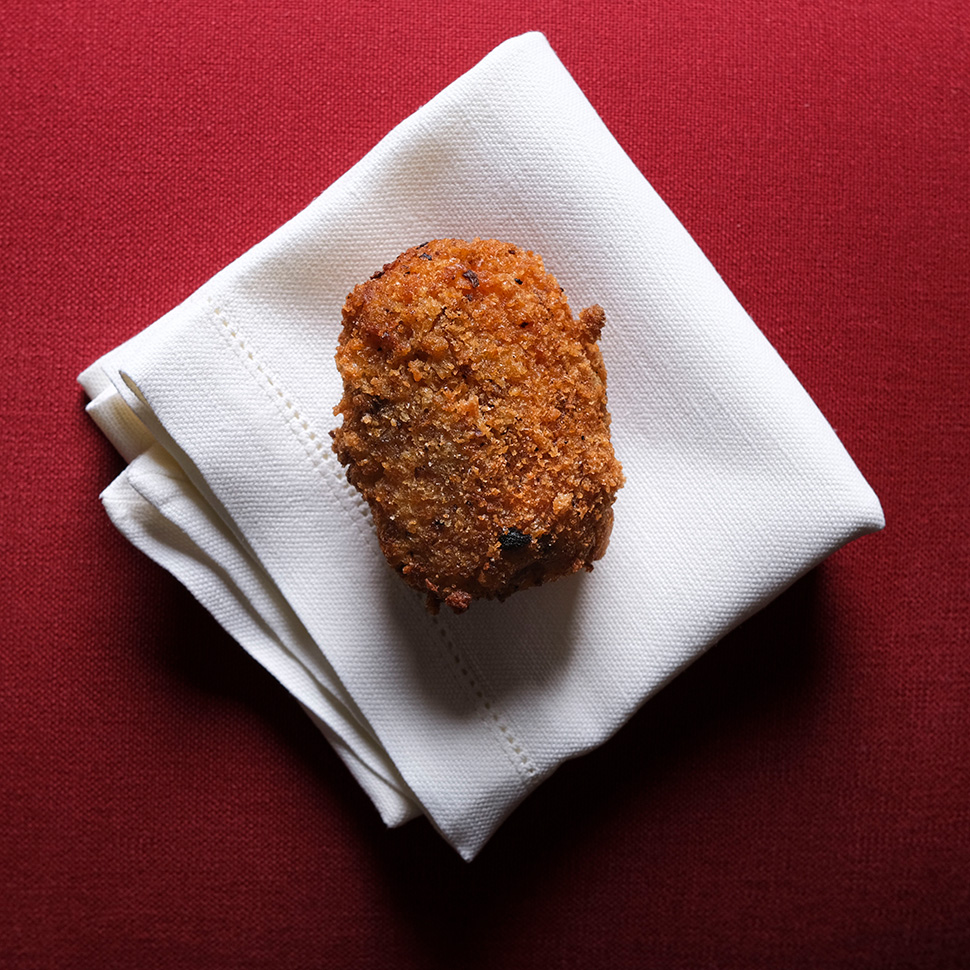 Photo by Lido Vannucchi
Ingredients for 8-10 supplì
For the meat sauce
- 60 g chicken giblets
- 40 g pork sausage
- 200 g tomato sauce
- Extra virgin olive oil
Procedure
Cut the chicken giblets into 1/2 cm cubes, as even as possible. Remove the skin from the sausage and chop it up. Pour a little oil into a saucepan and start cooking the meat, stirring constantly and trying to separate everything well. When it is well browned, add the tomato sauce and bring to a boil.
For the risotto
- 150 g Carnaroli rice
- 6 basil leaves
- 30-month aged Parmigiano Reggiano cheese
- Fennel
Procedure
Add the rice and simmer, stirring continuously over medium heat, so that the rice does not stick to the bottom of the saucepan. After 16 minutes, add the fennel and basil, season with salt and finish by stirring in the Parmigiano, then spread out on a previously sanitized marble or steel table so that the rice cools completely.
For the breading and frying
- Mozzarella fior di latte cheese, as needed
- 500 g water
- 250 g 00 flour
- Coarse breadcrumbs
- Sunflower oil
- Cervia salt
Procedure
Cut the mozzarella into cubes and prepare the batter with water and flour, which will be used to bread the supplì.
Once the rice has cooled, shape the supplì and place a piece of mozzarella in the center.
Dip in the mixture and then in the breadcrumbs, making sure the breading is even. Fry for about 3 minutes in plenty of sunflower oil, previously heated to 175°C.
Address
L’Arcangelo
Via Giuseppe Gioachino Belli, 59, 00193 Roma RM
Phone: 06 321 0992
Website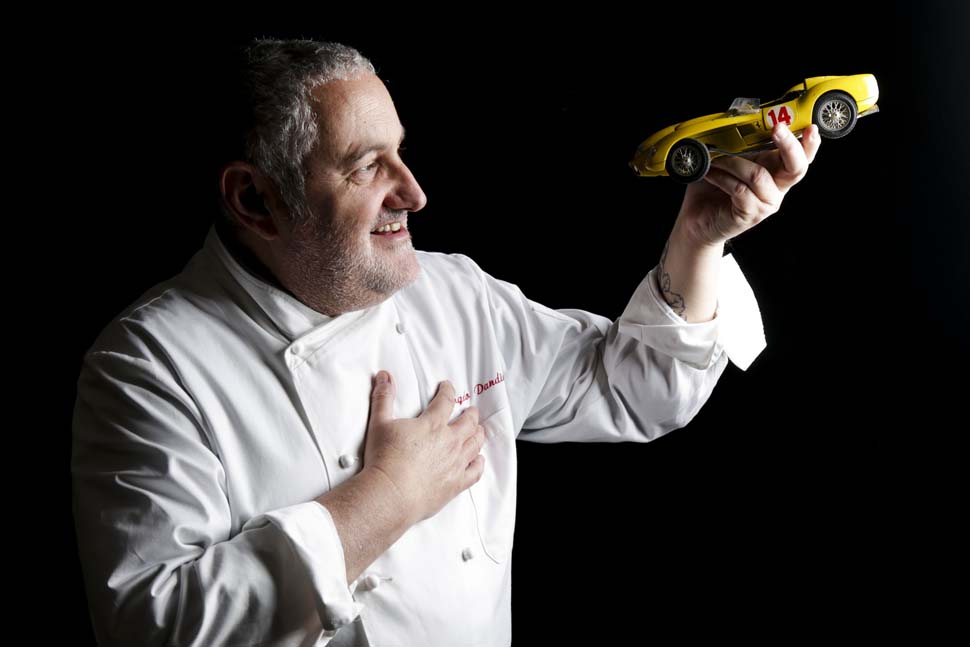 Photo by Lido Vannucchi