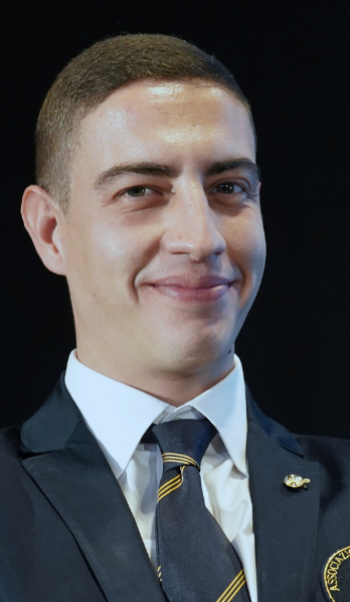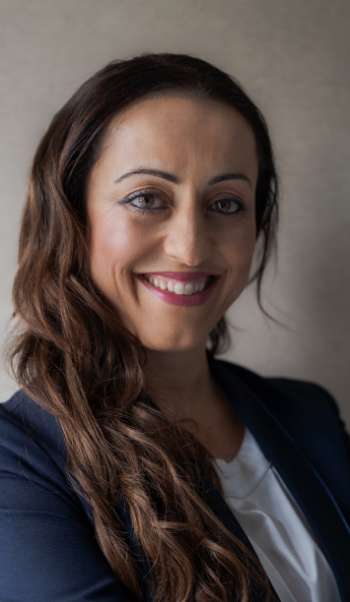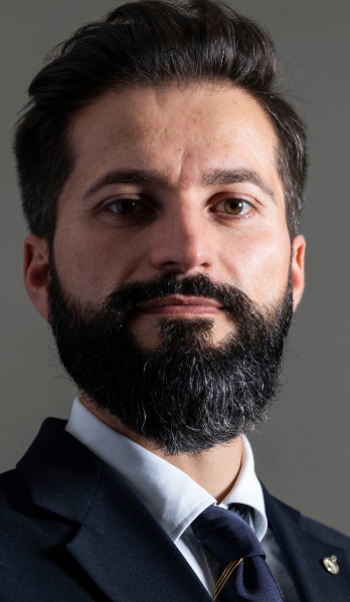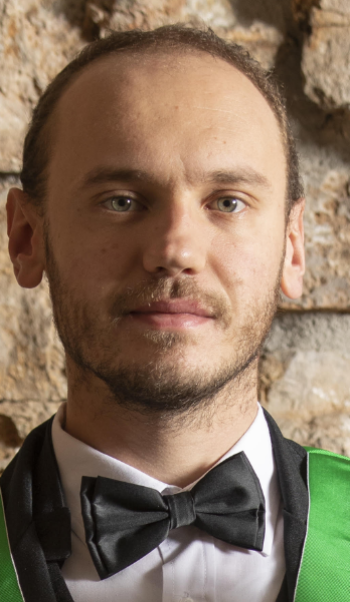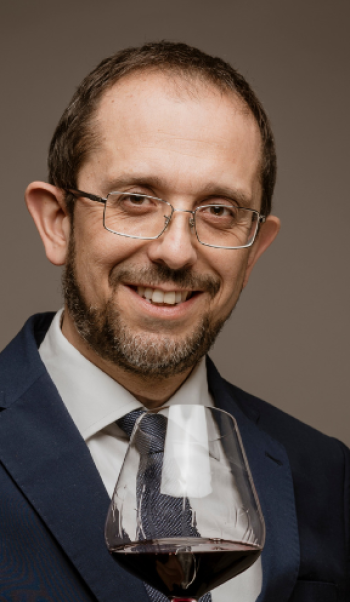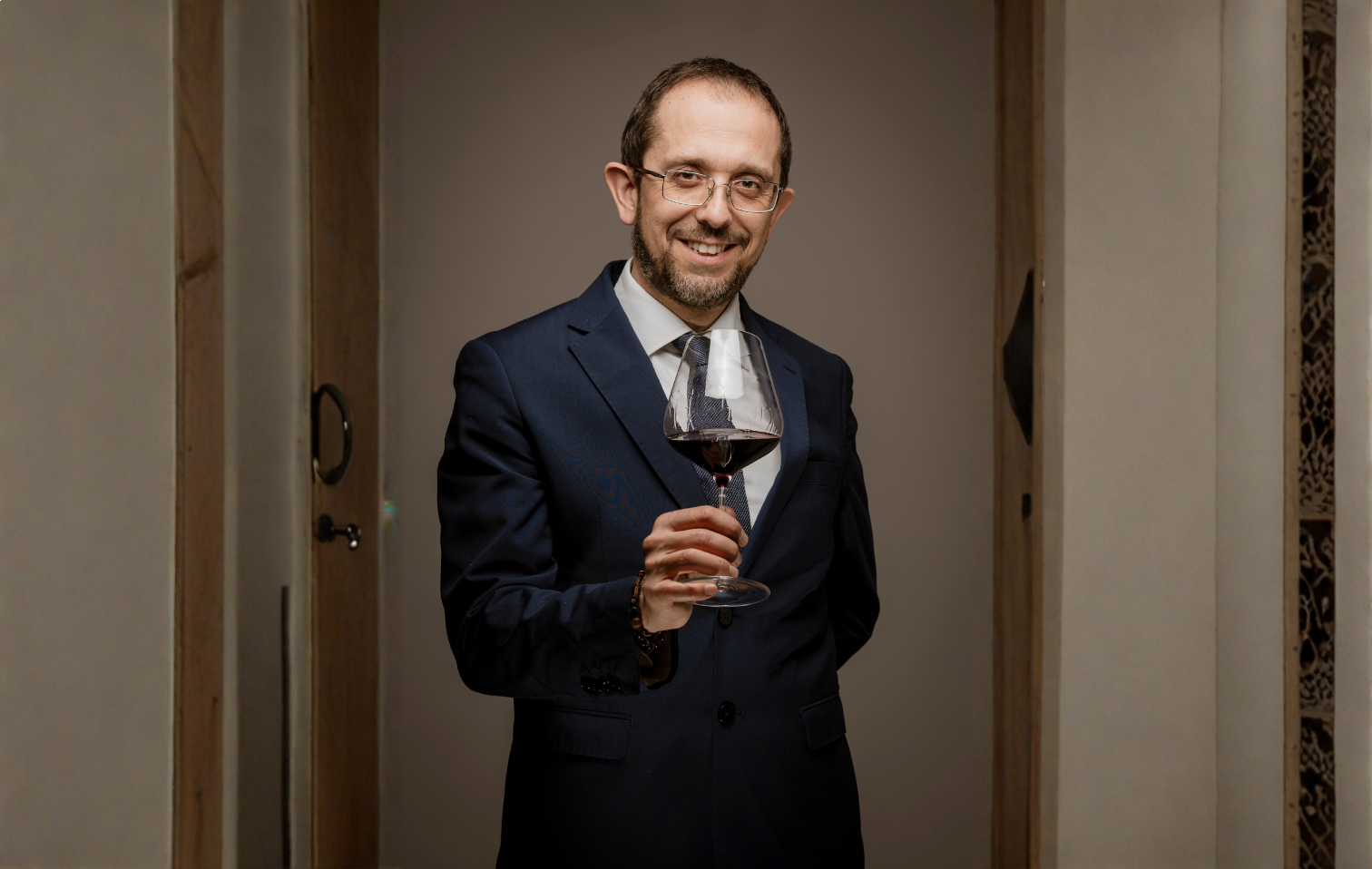
Davide Canina is a Piedmontese wine producer who, after a previous career in engineering and a formative path in the world of sommellerie, founded the project I Parcellari in 2019. His vision is rooted in precision, territory and identity, transforming each vineyard into a unique expression of Piedmont.
Davide Canina was born in Piedmont and initially pursued a technical path: he trained as an engineer and began a career in the industrial sector. Over time, however, his desire to devote himself fully to wine grew stronger—a passion he had cultivated alongside his studies and deepened through training courses and a sommelier qualification. This interest gradually led him into the world of hospitality, where he gained experience in the dining rooms of high-level restaurants, refining his understanding of the relationship between cuisine, wine pairings and the construction of thoughtful wine lists.
In 2009 he decided to take the definitive step: he left engineering. From 2009 to 2019 he worked as a sommelier in Michelin-starred restaurants, including I Due Buoi and Osteria Arborina alongside chef Andrea Ribaldone, and the Locanda Sant’Uffizio with a kitchen led by Enrico Bartolini.
In 2019 he founded I Parcellari, a wine project rooted in the Monferrato region. The idea stems from a simple yet rigorous principle: each wine must express the single parcel it comes from, telling the story of Piedmont’s diverse soils through Barbera, Nebbiolo, Grignolino, Chardonnay and other regional varieties. For Canina, the vineyard is not a generic place but a microcosm to be interpreted with precision and coherence.
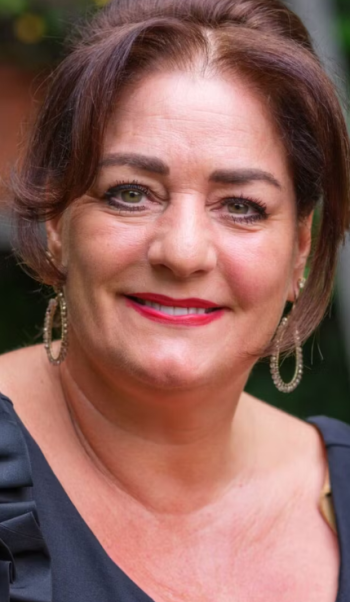
The project was built together with his partner, Monica Pedrotto—whom he describes as the company’s “co-editor,” a central role in management and in shaping production decisions. Their approach combines close observation of the territory, study of geological characteristics and a winemaking style that prioritizes transparency and identity.
Over the years, the wines of I Parcellari have found a place in gourmet restaurants and on the wine lists of high-level establishments—a testament to the quality of a young project already recognised for its stylistic coherence. Canina brings to the cellar a sensitivity shaped also by his years as a sommelier, applying the same attention to detail that guided his technical and engineering background.
For Canina, wine is a narrative: of the parcel, its agronomic history and the human work that transforms grapes into a liquid expression of the land. His philosophy is rooted in respect, precision and the search for authenticity, avoiding unnecessary interventions so that each vineyard can speak with its own voice.