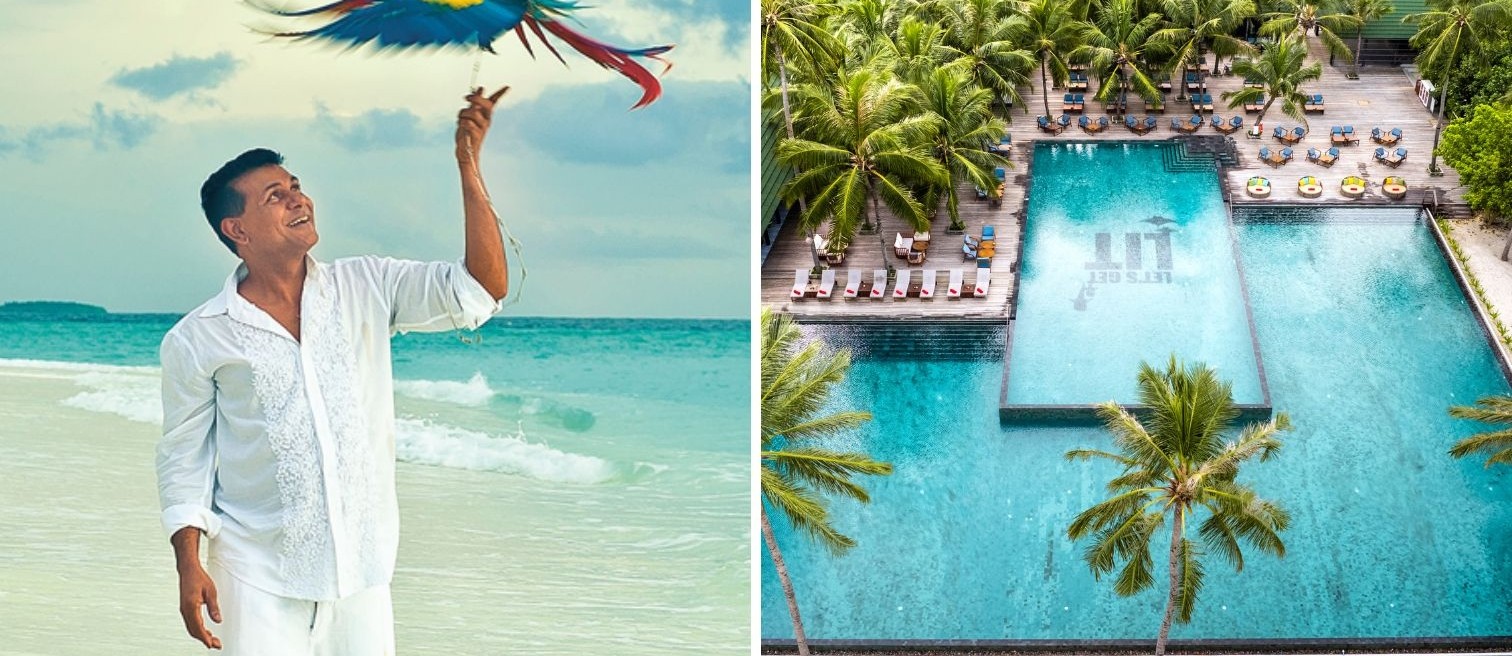
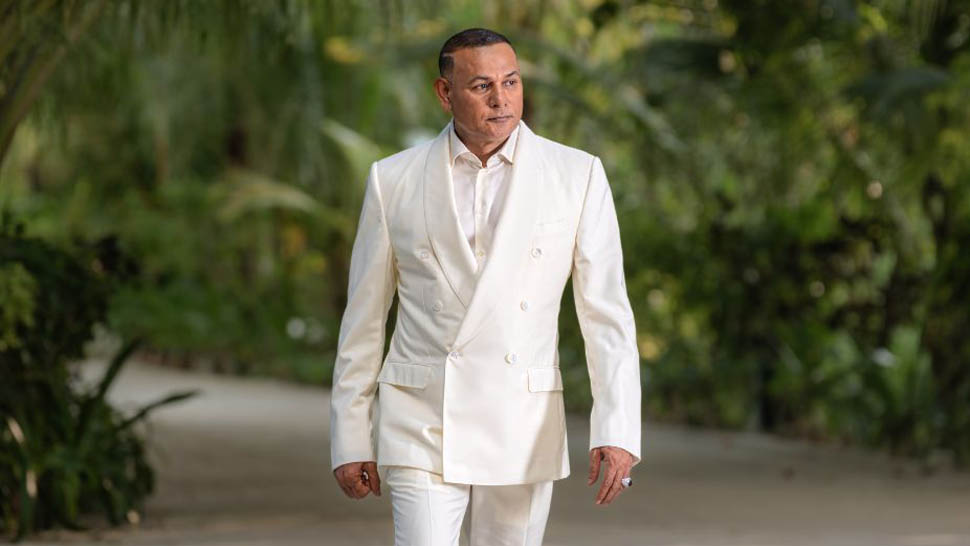
Raised on a remote island in the Noonu Atoll, Ahmed Siyam Mohamed has managed to set up a business venture that focuses on humanity and quality. As a result, today the authentic flavor of the Maldives can be savored at his Sun Siyam Resorts.
The location and history of Sun Siyam Resorts
In the Indian Ocean, along the imaginary line of the equator, southwest of India and Sri Lanka, lies an archipelago of just under 1,200 coral islands organized into 26 natural atolls. The Maldives, a remote place of desire for some, a wonderful reality for those who have been able to reach it after a long journey, is an island nation with Malé as its capital. With the seventh largest coral reef system in the world, covering an area of approximately 4,500 square kilometers, the underwater world of the Maldives is home to 258 species of coral and 1,100 species of fish. The terrestrial flora and fauna, with 12% of the surface area covered by mangroves—essential for maintaining biodiversity—are unique.
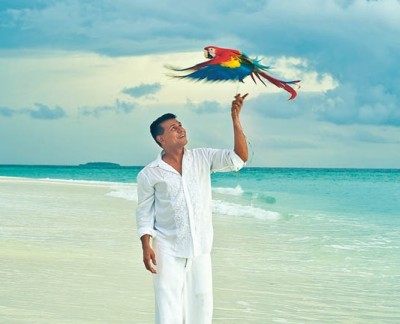
All this in a climate where temperatures never drop below 25°C and humidity is always quite high but mitigated by a constant sea breeze. The sea, which even the most sensitive to cold will appreciate, maintains an average temperature of 26°C. There are two seasons: the northeast monsoon, from December to mid-May, with clear skies and dry days, and the southwest monsoon, from mid-May to November, characterized by sporadic rainfall. For the record, we were there in June and saw very little rain. Ahmed Siyam Mohamed, founder of Sun Siyam Resorts, grew up on a remote island in a modest family environment, where the idea of hospitality was a daily social practice: that's why the concepts of “home” and “family” are central to the narrative of the brand, which was founded in 1990. A vision that matured through personal and entrepreneurial growth, built step by step, in which hospitality was never based on an imported or imitated model, but on the natural evolution of a cultural heritage experienced firsthand every day.
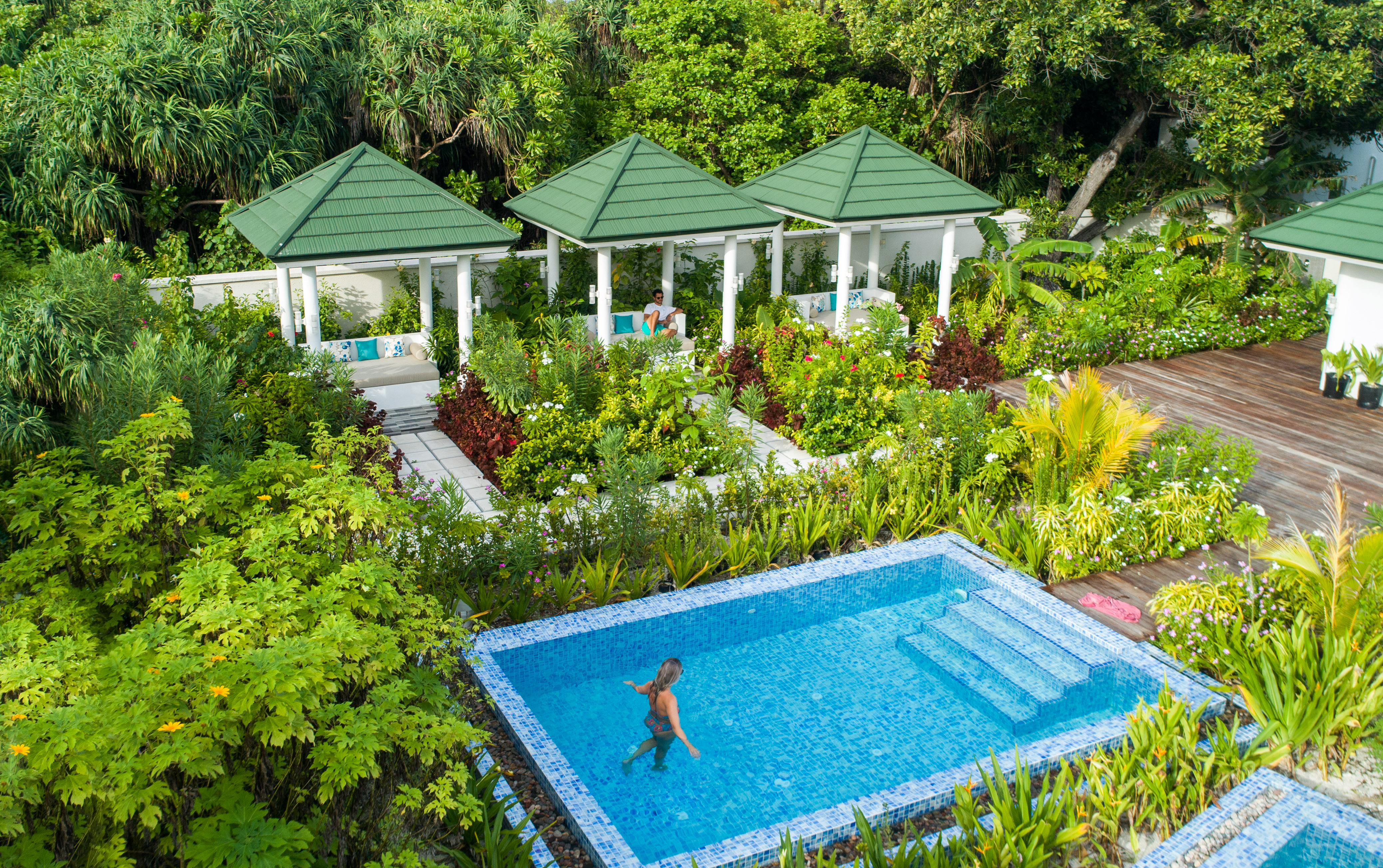
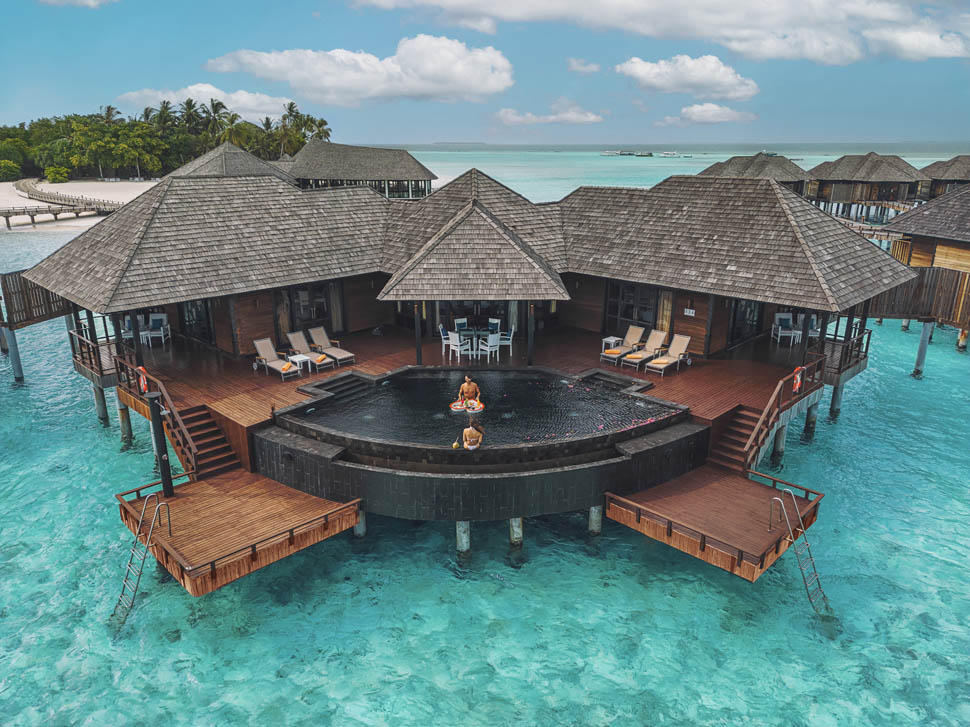
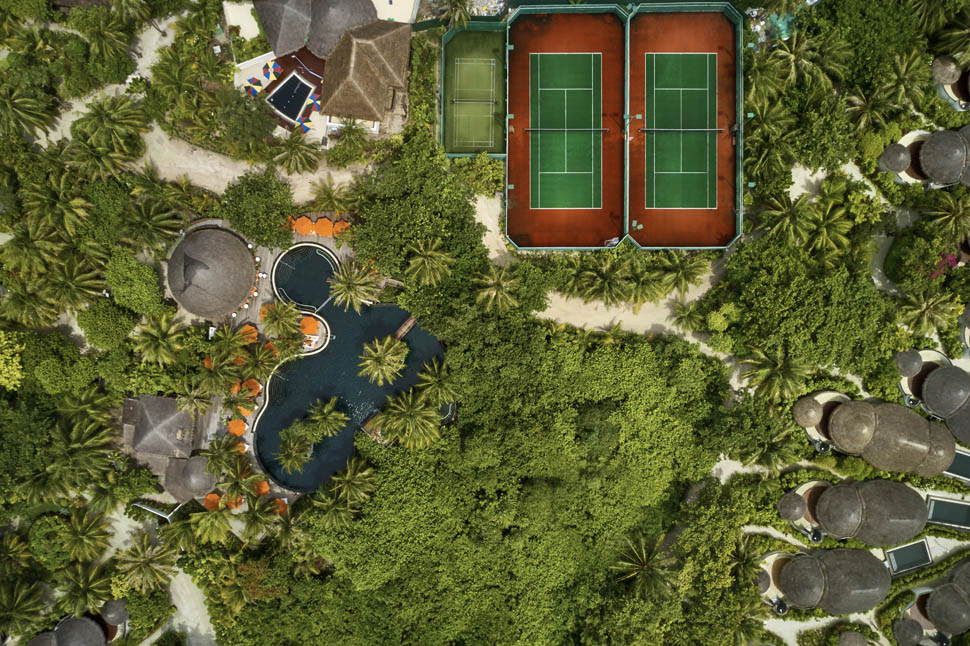
It all began with a travel agency, back when tourism in the Maldives was still in its infancy, with the idea not so much of replicating international luxury models—later widely adopted by large worldwide chains—but rather of translating Maldivian hospitality into a contemporary language, with a strong presence of local staff, key figures who had grown up within the company, and a different idea of luxury, more closely linked to informality, emotion, and human relationships. After the opening of Sun Siyam Vilu Reef in 1998, the number of facilities grew to six between the Maldives and Sri Lanka. The House of Siyam, whose claim is ‘The Home of the Maldivian Spirit’, is divided into three types of resorts: Luxury, or the pursuit of elegance, at Sun Siyam Iru Fushi on the Noonu Atoll, home to Dr. Rahul Krishna's splendid Thalgo Spa; Lifestyle, more lively and dynamic (Sun Siyam Olhuveli and Siyam World); and Privé, romantic, intimate, and exclusive (Sun Siyam Vilu Reef, Sun Siyam Iru Veli, and Sun Siyam Pasikudah in Sri Lanka).
Discovering Sun Siyam: the philosophy
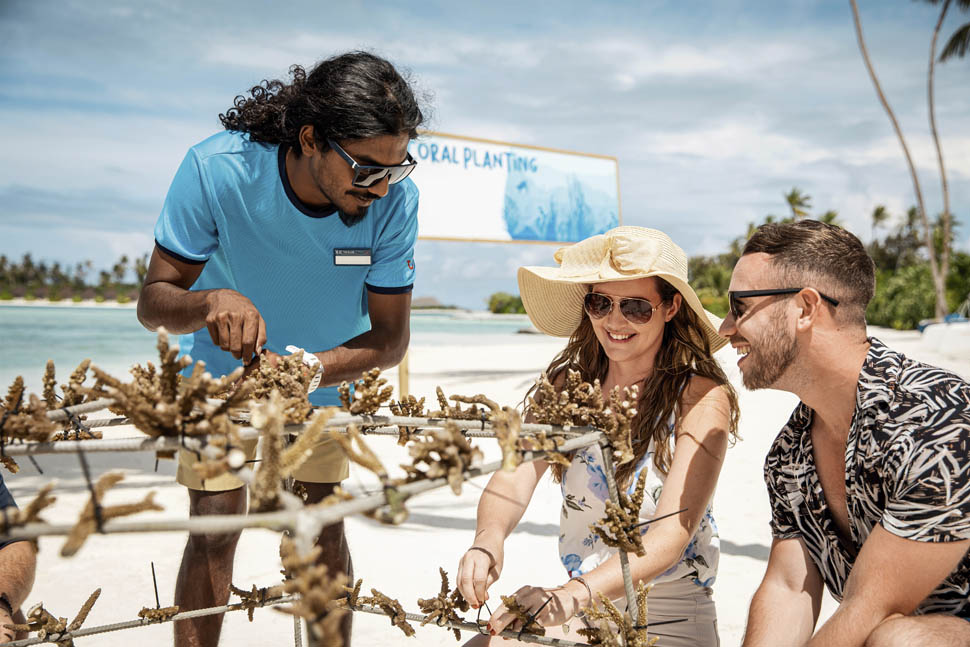
Sun Siyam is a world that is very attentive to sustainability and the environment, with a focus on marine conservation and support for island communities, and concrete actions ranging from Siyam Cares' “reduce, reuse, recycle” to educational and interactive activities such as reef restoration, where damaged but still living corals are attached to a steel structure (spider) reuse, recycle" to educational and interactive activities such as reef restoration, where damaged but still living corals are attached to a steel structure (called a spider because of its web-like shape) and then repositioned in the sea in an area suitable for new growth. Old and stereotypical views suggest that in the Maldives, one tends to get bored and eat poorly. In reality, our experience was anything but boring, partly because there are so many activities to enjoy that time flies by. This is thanks to the creativity of Sara Siyam, the resort's marketing director, who has created a veritable interactive entertainment hub at Siyam World, the most recent addition to the resort.
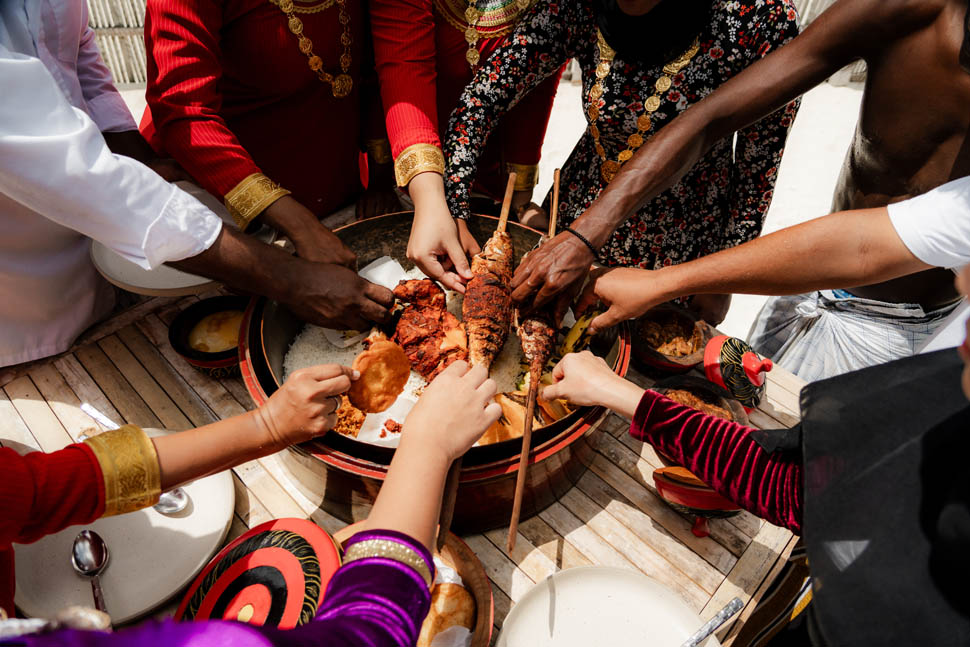
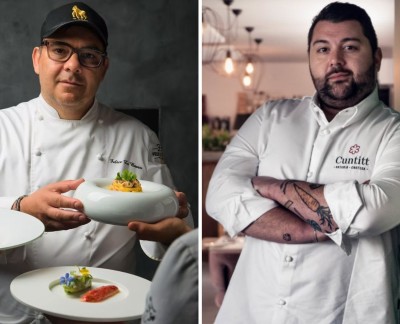
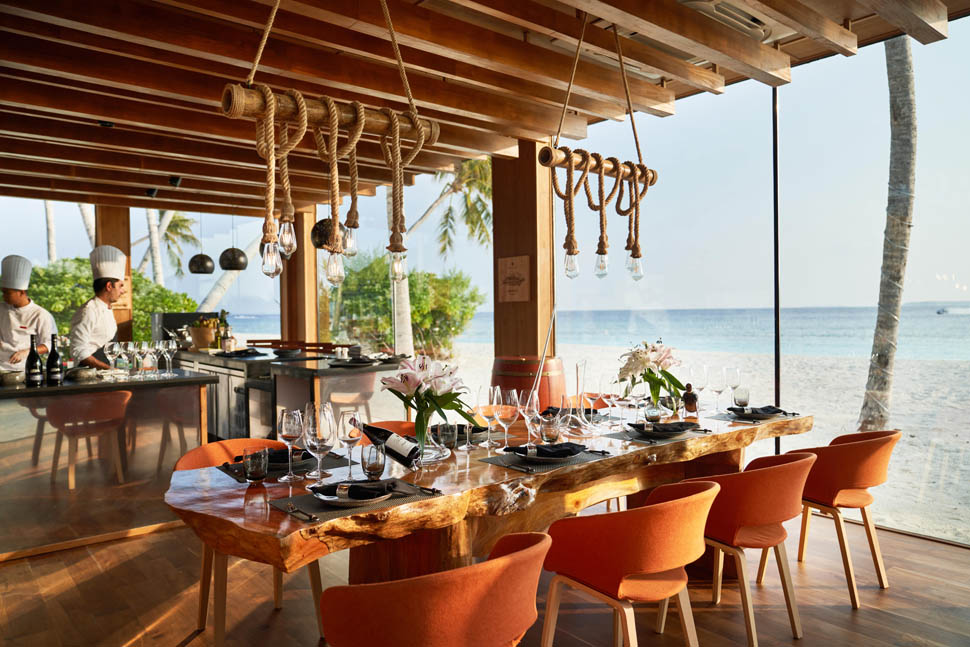
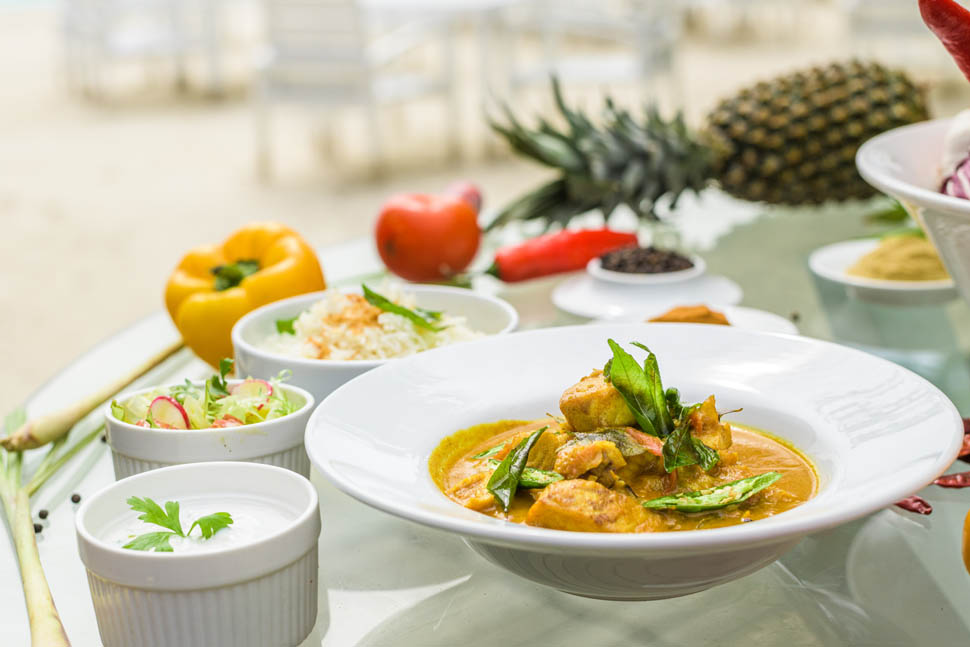
Even on the gastronomic front, hearsay must be decisively refuted: the offering is extremely varied, and it is impossible not to find a style that suits your taste. It is also worth mentioning the “Chef Residencies” project, designed to offer guests the opportunity to dine with professionals recruited from prestigious establishments, both Michelin-starred and non-Michelin-starred, including Italians such as Jacopo Chieppa from Equilibrio in Dolcedo, Liguria, and Gloria Clama, finalist in the eighth edition of MasterChef Italia, from Indiniò in Raveo, Carnia. At Siyam World, Kaage (“dining room” in the local Divehi language) is worth a visit. This restaurant is dedicated to the traditions of the archipelago: here we were able to sample a series of typical Maldivian dishes, revisited but not too much, such as the excellent Kukulhu Riha, a tasty chicken curry prepared with local spices and enriched with coconut to give the sauce creaminess and aromatic depth.
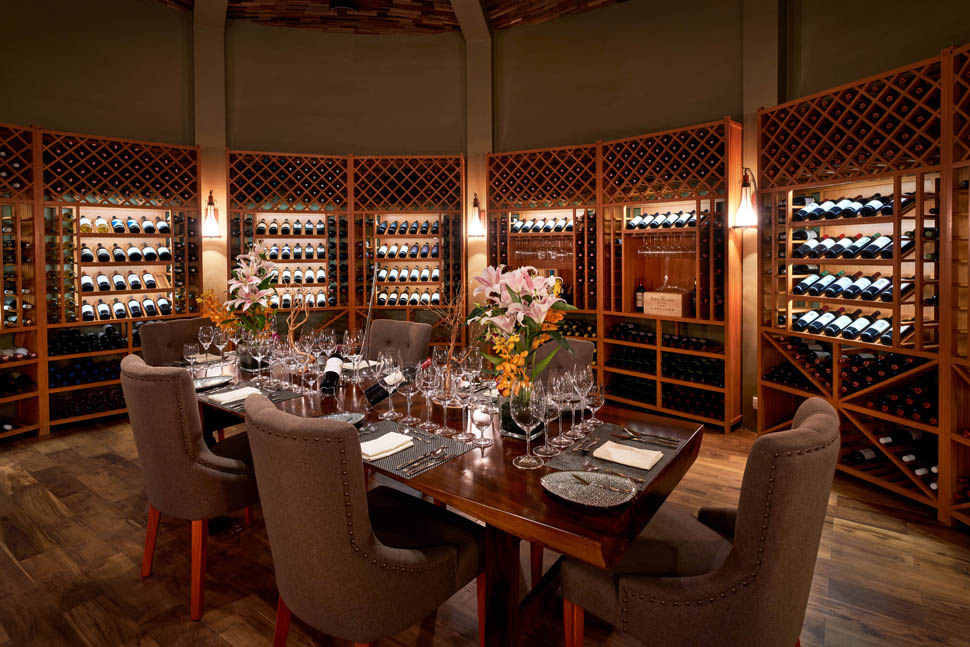
The experience at Takrai, a Thai restaurant right on the water with excellent cuisine, especially soups, is also spectacular and delicious. There is no shortage of more European dishes for those who don't feel like experimenting with alternative flavors, although we strongly recommend sticking to Maldivian, Indian, and Asian cuisine, which is definitely more in tune with the mood (and skills) of those who prepare it. Wine lovers will not be disappointed, especially if they choose to dine at Barrique, the charming underground wine cellar supervised by sommelier Winston Travasso, which houses around 6,000 bottles, with international wine pairings drawn from a collection of 210 labels from 16 producing countries: from great Italian wines such as Sassicaia and Ornellaia to French wines such as Château Latour and Château Mouton Rothschild, with prices ranging from $50 to $3,000.
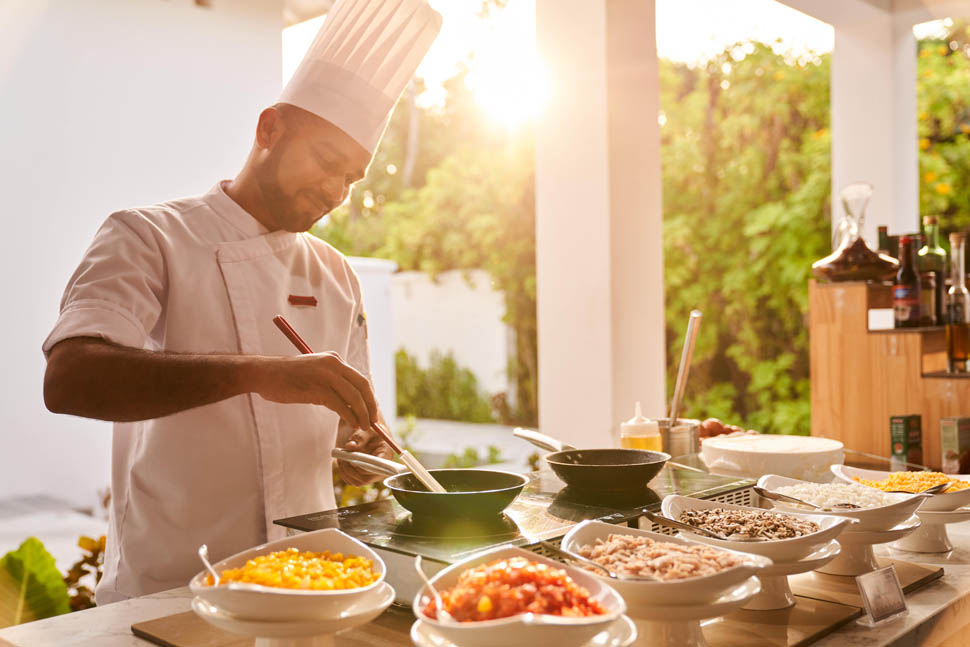
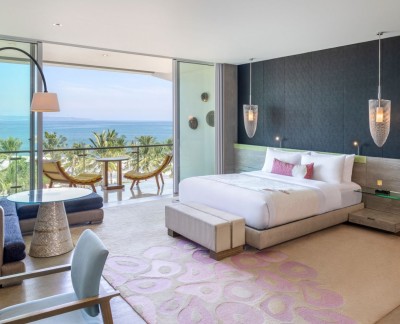
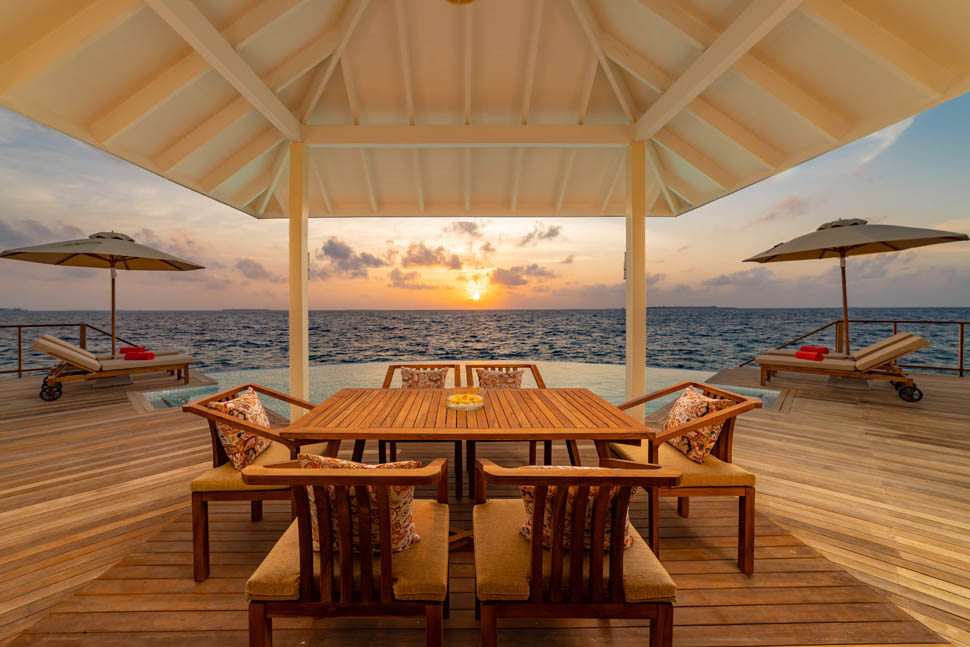
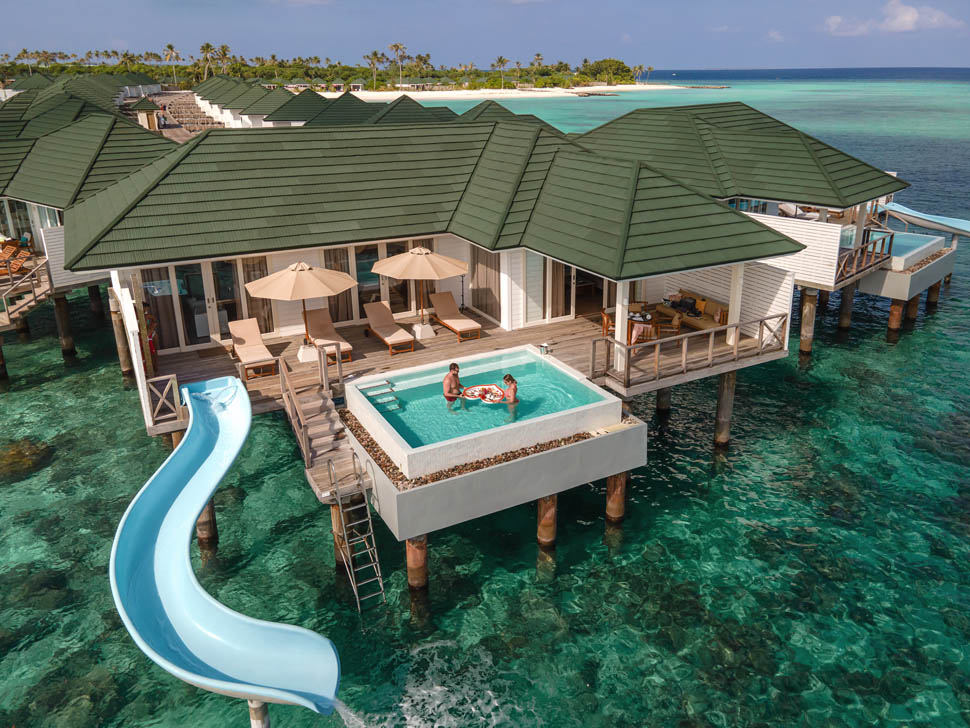
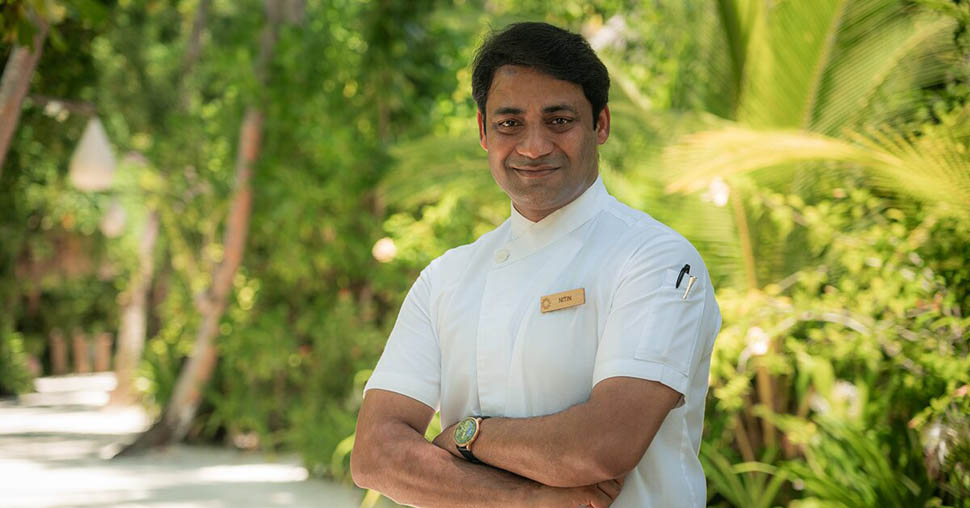
From the most recent to the first resort to open: Sun Siyam Vilu Reef, on Meedhuffushi Island in the South Nilandhe Atoll, is smaller, more intimate, and cozy, with a beautiful white beach and a particularly rich and fascinating coral reef, but above all, it is just a few strokes from the shore and very easy to visit, even for snorkeling novices. Here, among beach villas—some with private pools—and overwater rooms from which to enjoy spectacular sunrises and sunsets, guests can enjoy the culinary offerings of executive chef Nitin Jain, who left India to work at The Oberoi in New Delhi and The Imperial, before moving on to the American Carnival Cruise Lines and Accor M -Gallery Sofitel in Phuket, arriving in the Maldives after spending time in Europe: twenty-six years of high-level international cuisine, a deep connection with the archipelago, and a personal project, “NJ Simply Culinary,” a digital format focused on simple, healthy, and accessible cuisine, combining product development, food content, menu creation, and consulting.
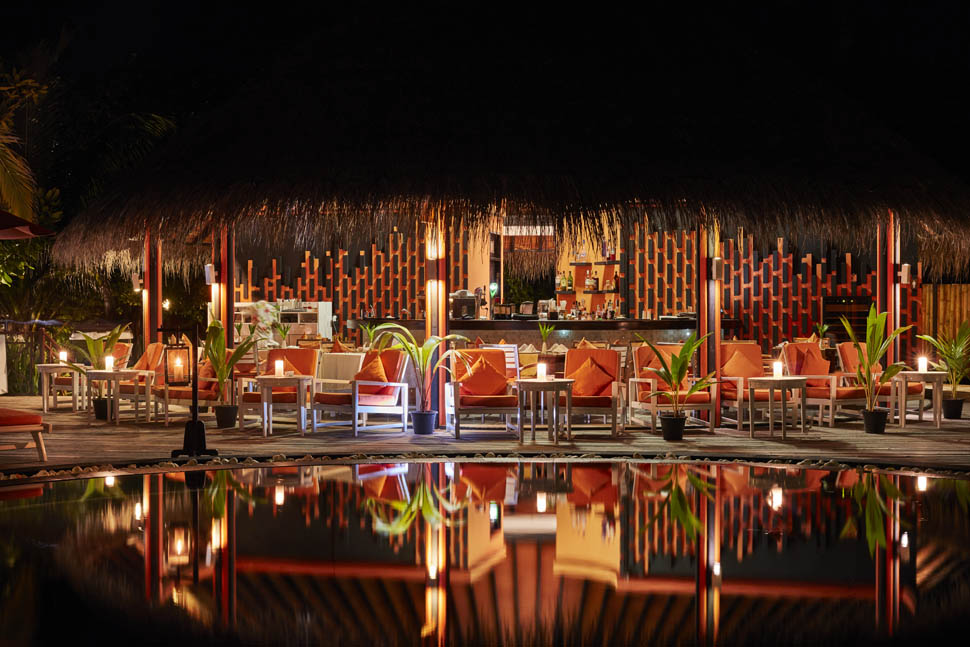
We enjoyed a wonderful Indian dinner, prepared with such attention to detail that it felt like a Michelin-starred experience, thanks to dishes created with precision and technique. The breakfast at Athireege was also a great success, a faithful reproduction of a typical local home, where you can enjoy a hearty Maldivian breakfast—more savory than sweet—barefoot on the sand: starting with mas-huni salad with smoked tuna, fresh grated coconut, thinly sliced red onion, lime juice, and chili pepper, to be eaten with your hands using roshi, a type of flat, elastic, lightly toasted chapati bread.
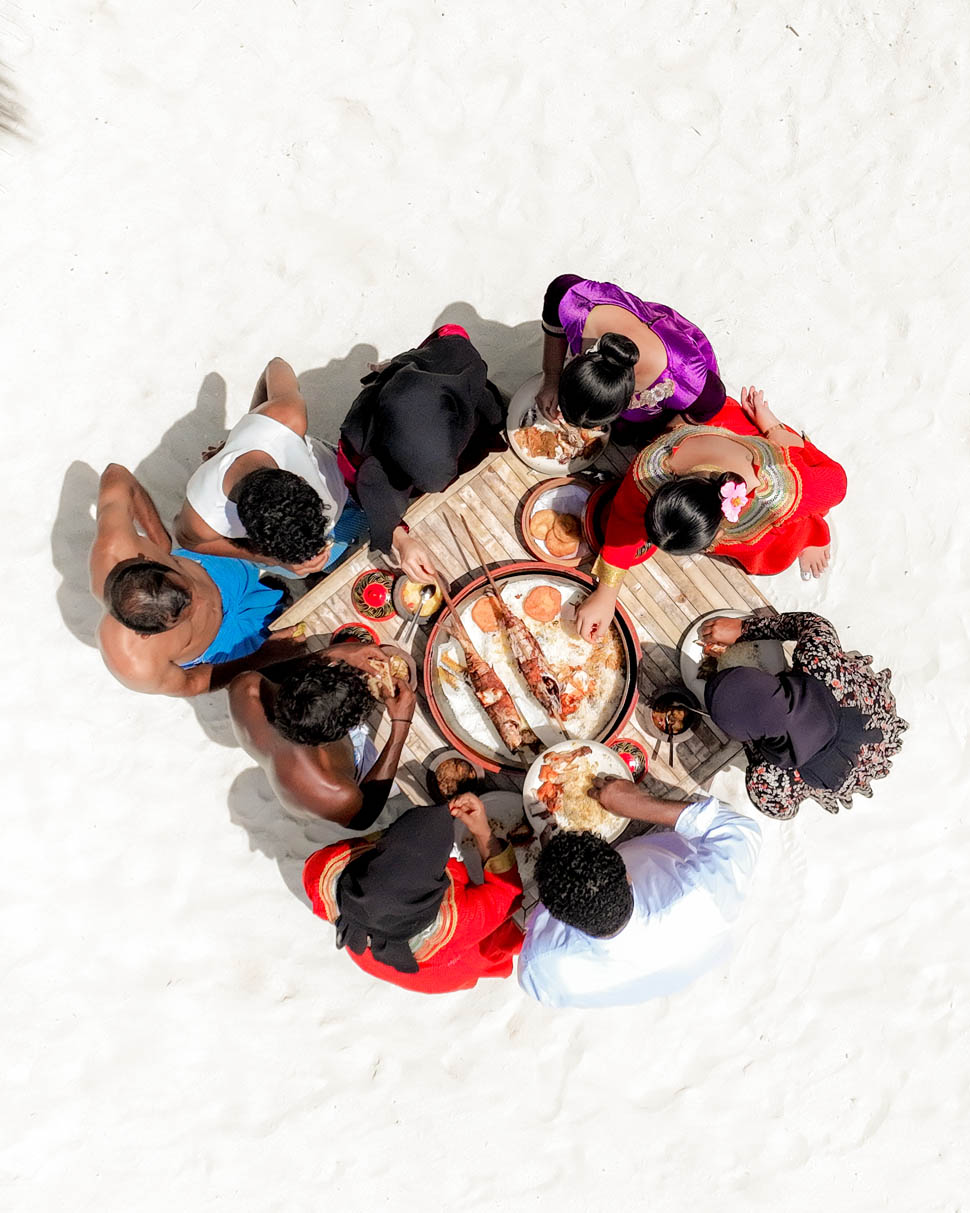
In the end, what remains of the experience is not only the almost unreal beauty of certain corners and the atolls that you fly over in a seaplane to reach your destination. The real feeling is one of hospitality that stems from the lively and authentic culture created by Ahmed Siyam Mohamed, rather than the image of the Maldives found on glossy postcards.
The website with info and location