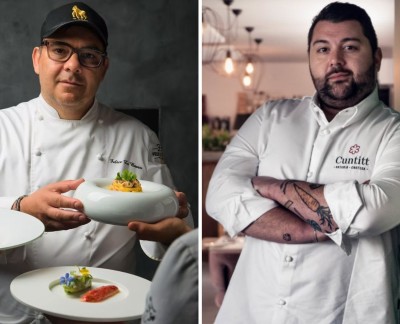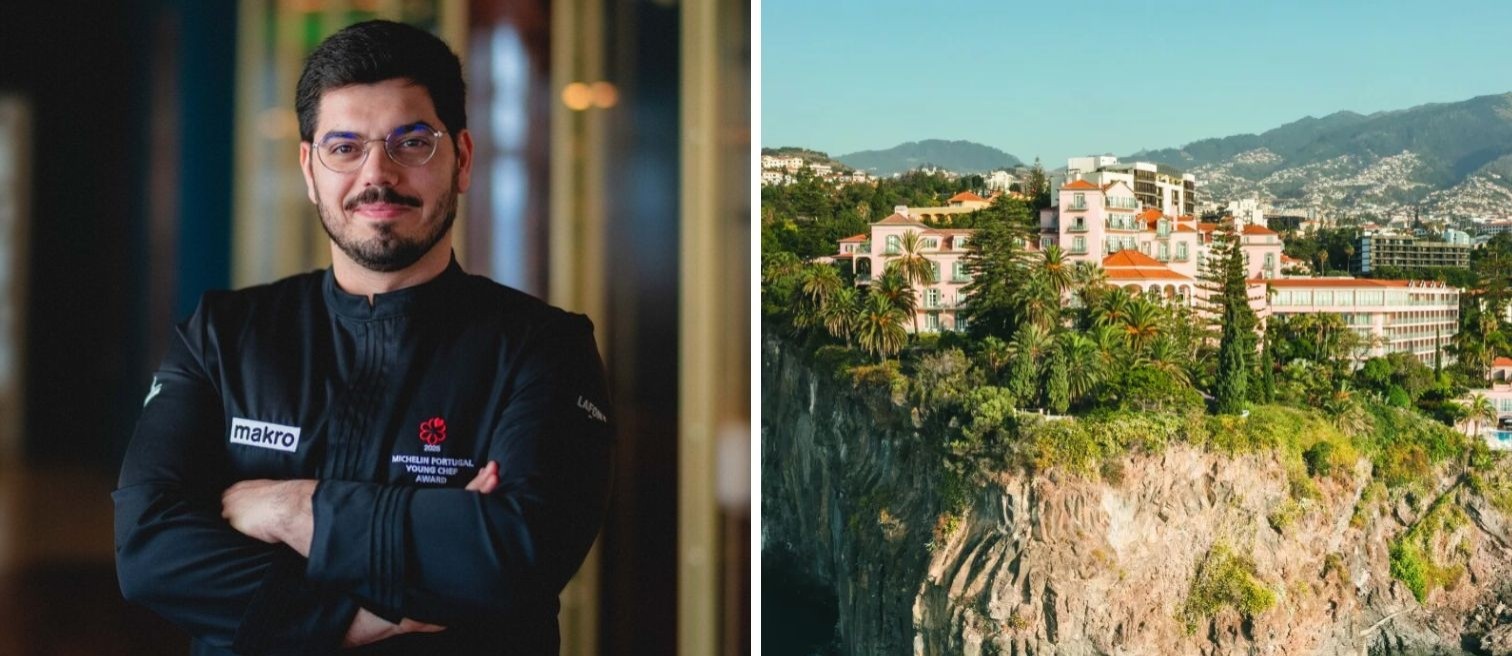
At the helm of the Michelin-starred restaurant, he also won the 2025 Young Chef Award in Portugal: José Diogo Costa talks about his cuisine, and we tell you all about the experience at Reid's Palace.
The hotel
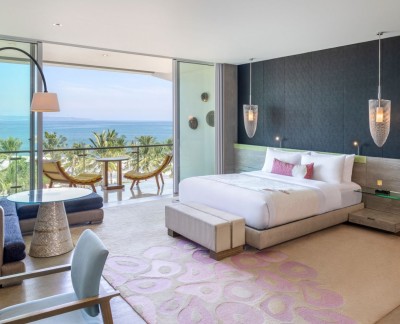
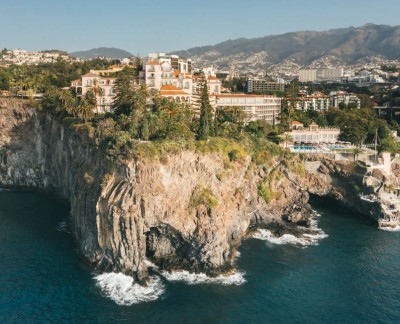
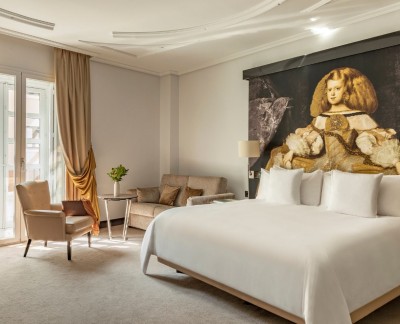
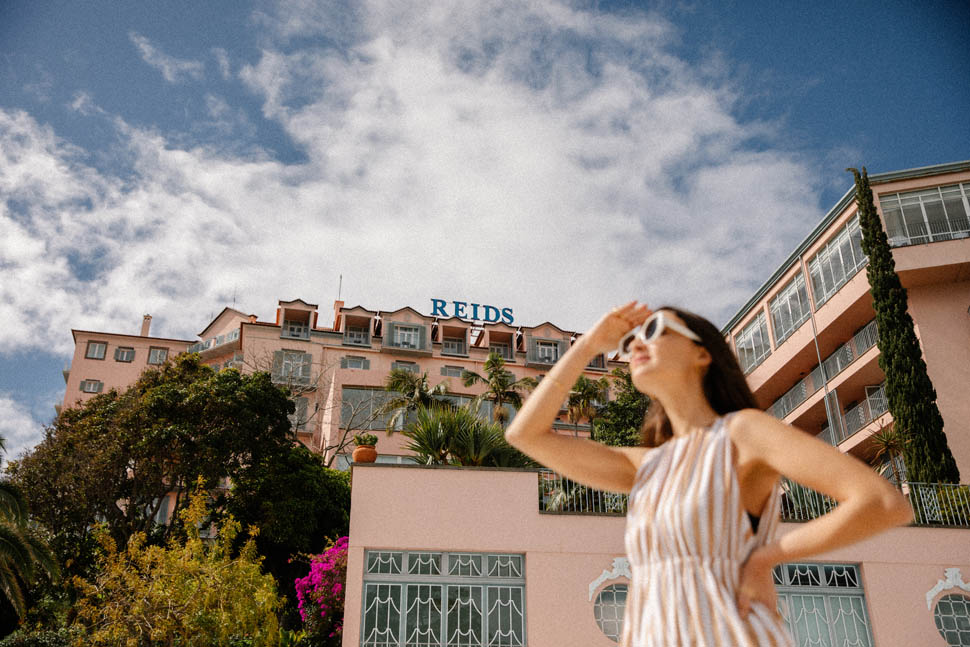
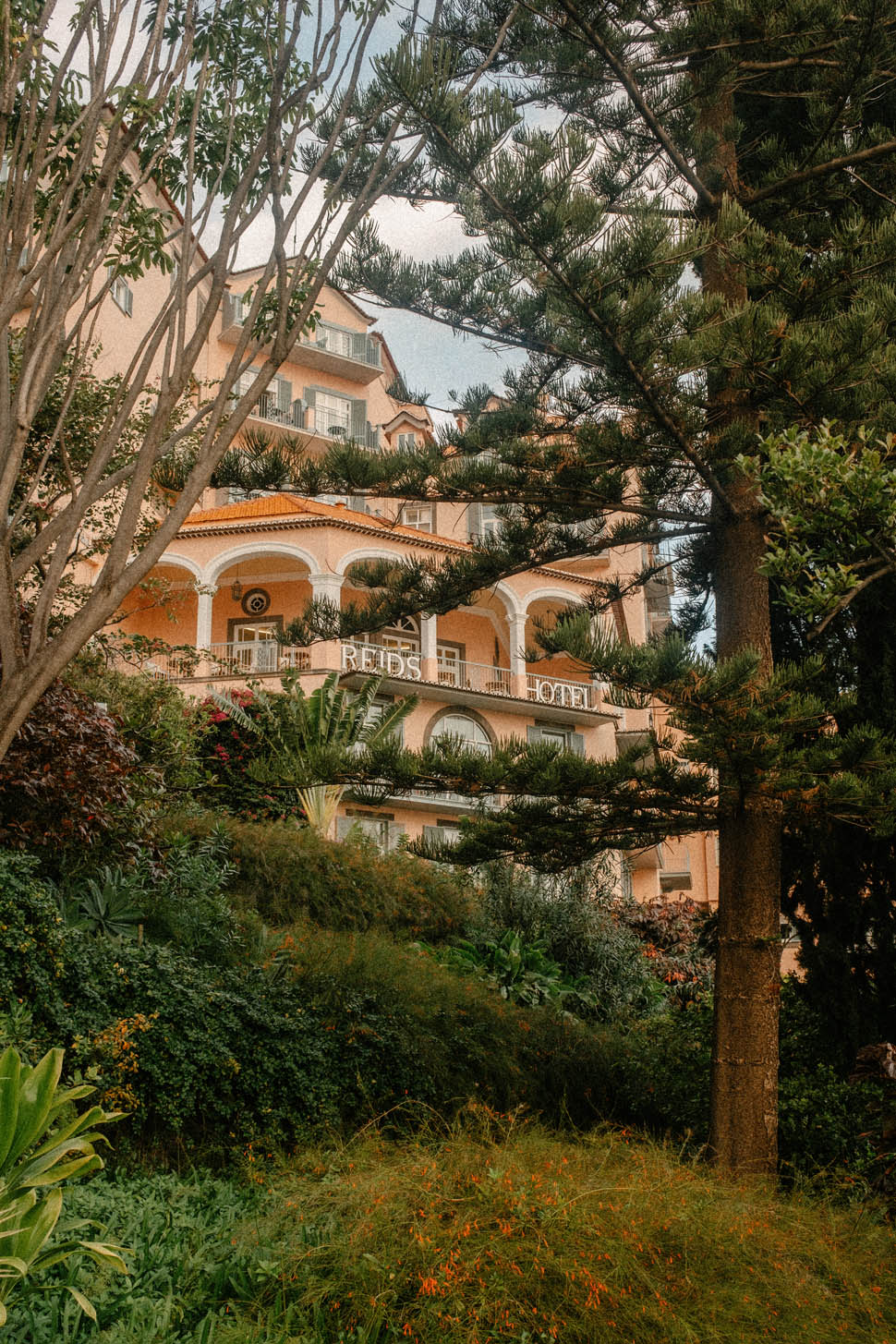
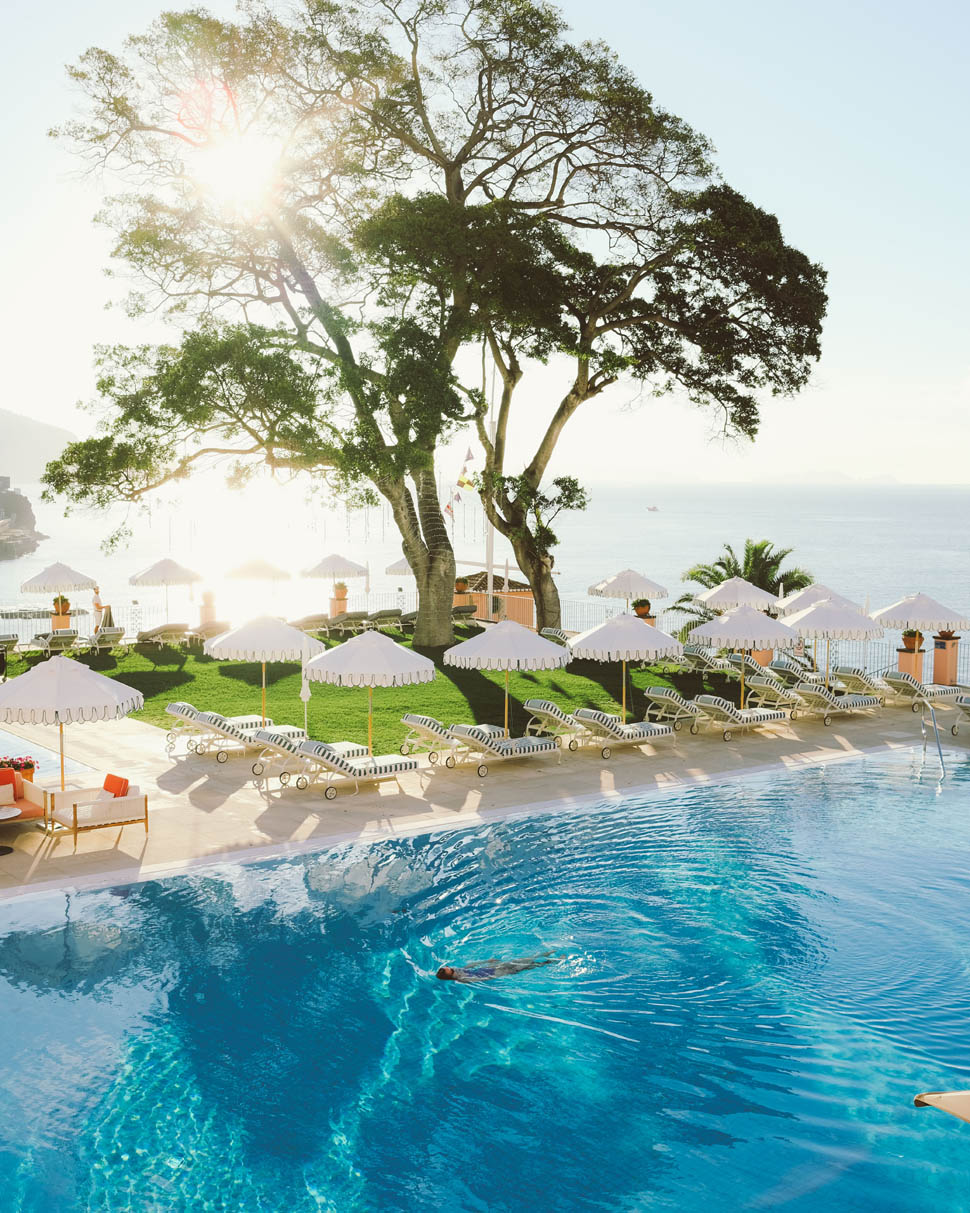
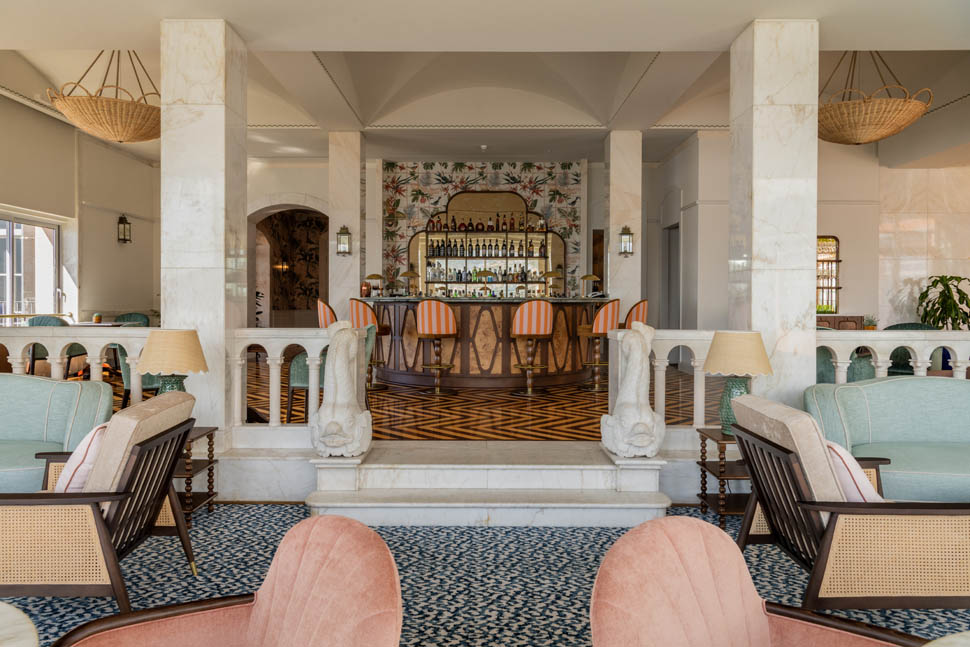
Arriving in Madeira and choosing to stay at Reid's Palace, A Belmond Hotel, means enjoying a timeless experience in the capital of the Portuguese island, Funchal, surrounded by the history, gastronomy, and luxury that distinguish Belmond's properties around the world. The picturesque center of Madeira, a land of breathtaking contrasts between steep cliffs and the boundless Atlantic Ocean, is the picture-postcard setting for Reid's Palace. A hotel that has been welcoming guests (often illustrious) from all over the world for over 130 years, recognized as a paradise oasis that combines history, tradition, and luxury. A stay here is not just a vacation, but a real dive into an era of charm and elegance, with a noteworthy gastronomic offer.
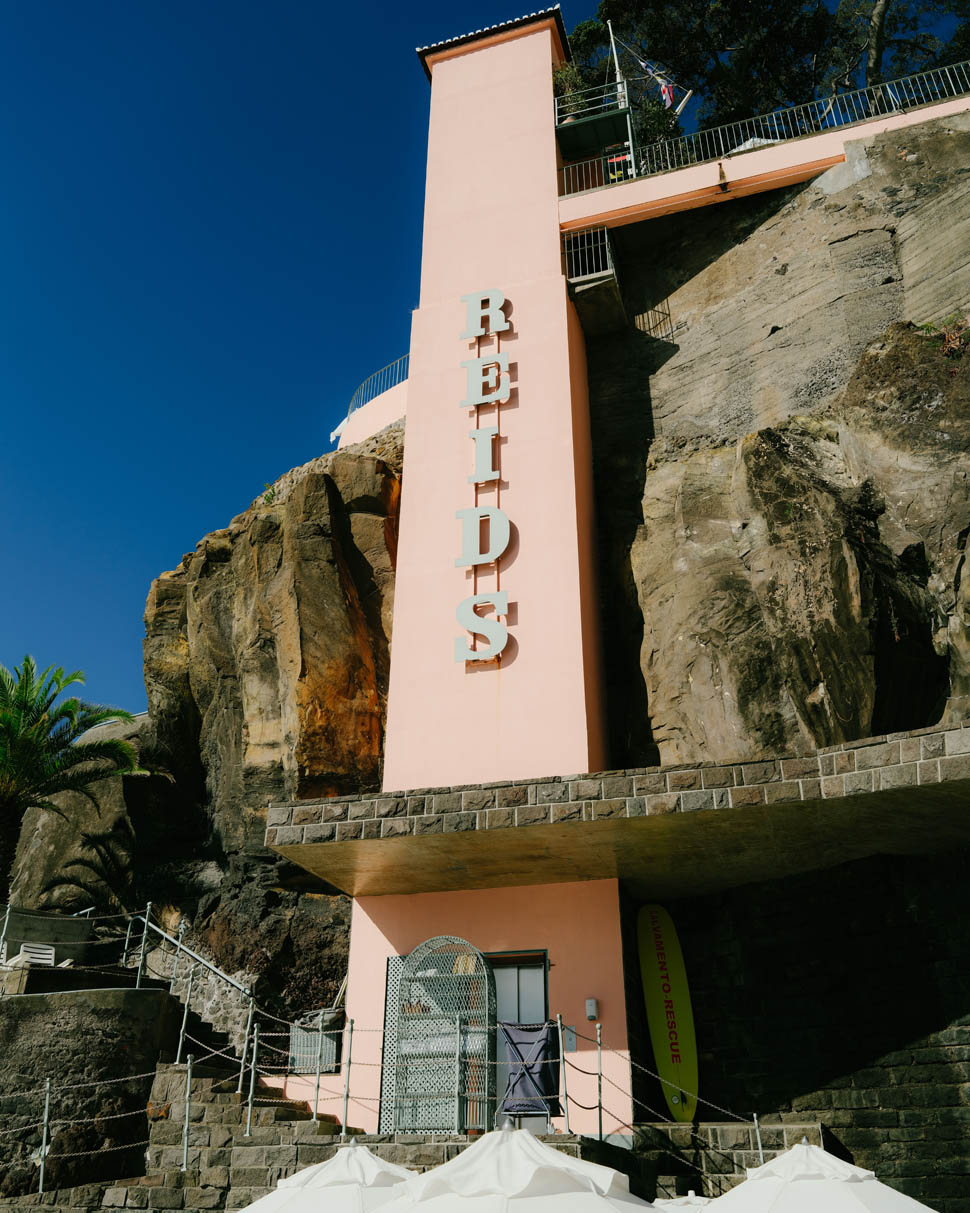
The origins of this icon lost in the ocean are inextricably linked to its founder, the enterprising Scotsman William Reid, who arrived in Madeira at the age of 14 to recover his poor health and fell in love with the island. After finding success in the wine trade, Reid and his wife Margaret began renting out the “quintas,” large stately homes, to wealthy guests. This experience led them to open their first hotel, the Royal Edinburgh Hotel. However, William's dream was to build an even more luxurious hotel, so he purchased the cliff known as “Salto do Cavalo.” Although William died before the building was completed in 1888, his dream was carried on by his sons, William and Alfred, who inaugurated it on November 1, 1891.
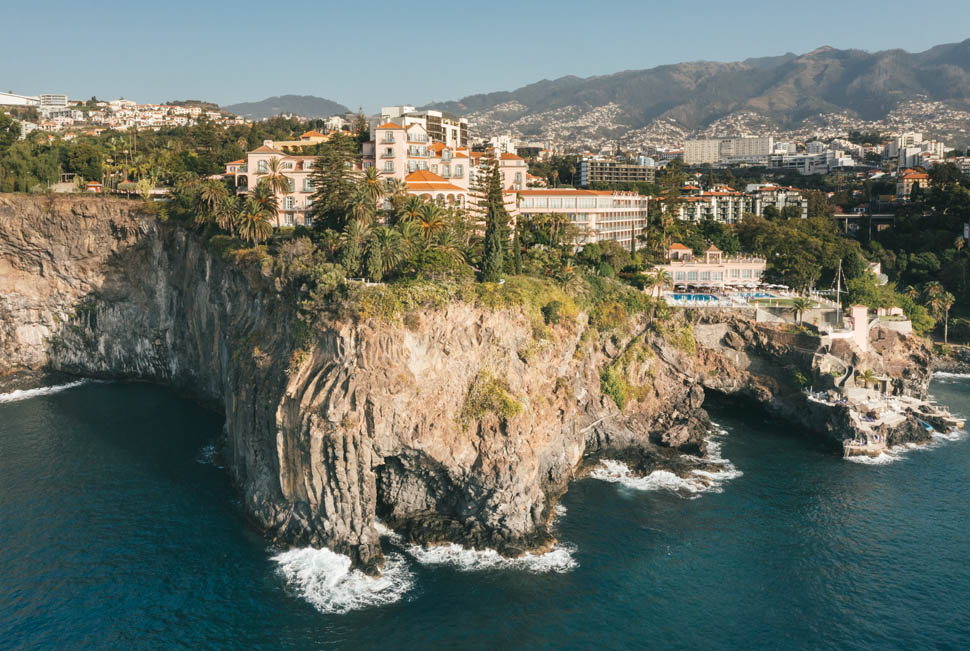
Throughout its long history, the hotel has hosted a long list of celebrities, politicians, and royalty. Among the first guests were Empress Elisabeth of Austria, writer George Bernard Shaw, and members of the British royal family. In 1950, it was the turn of Winston Churchill, who stayed at Reid's to paint and work on his memoirs. His visit was a public relations coup for the Blandy family, who owned the hotel at the time, and the famous statesman's name still echoes in the corridors of the building.
The gastronomic offering
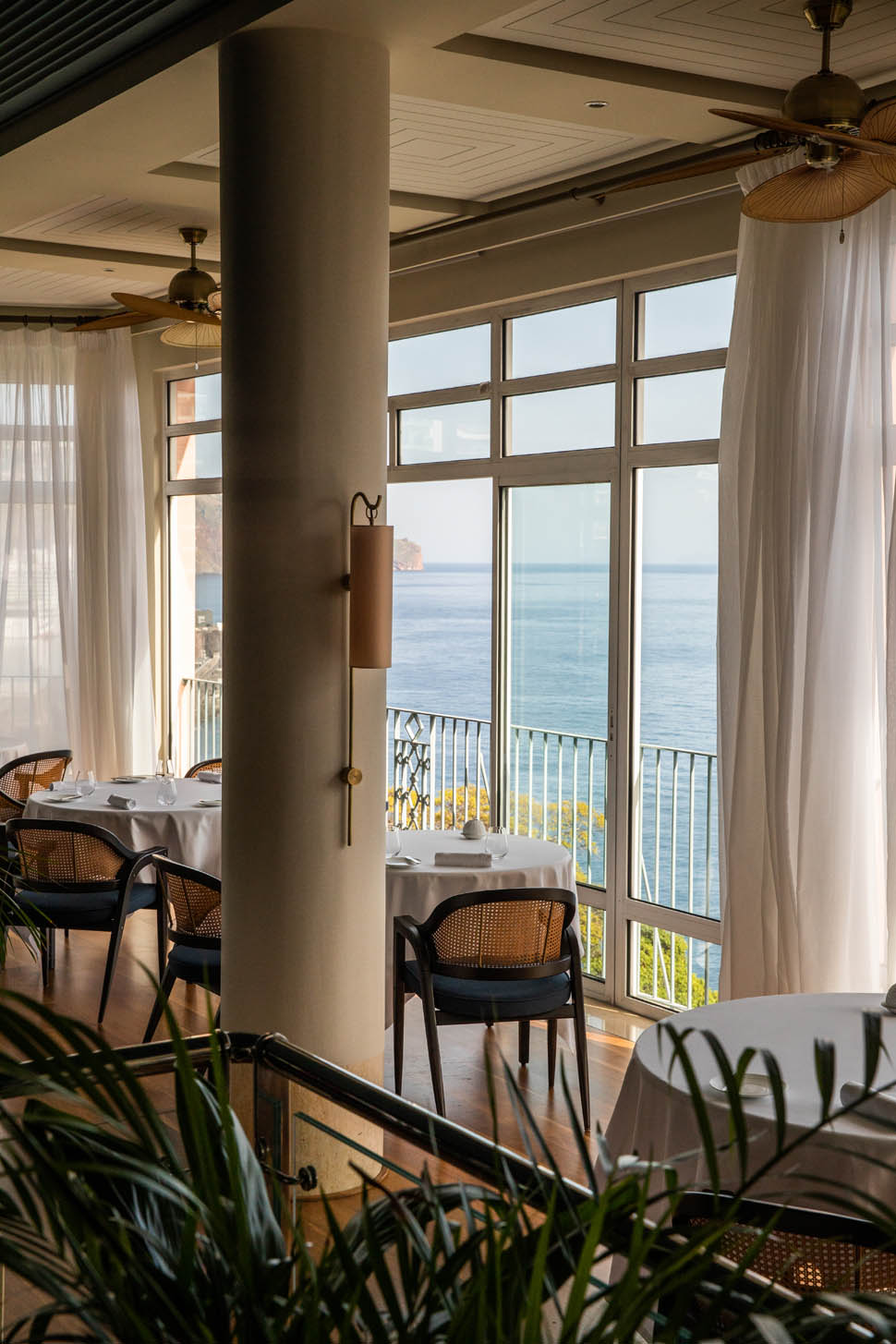
Reid's Palace is a wonderful place to stay, with its widespread beauty and attentive service, but the cuisine offered by the William Restaurant is also noteworthy. Awarded a Michelin star in 2017 and a popular destination for gourmets from all over the world, the restaurant honors the memory of William Reid and aims to be “a refuge from everyday life and a celebration of the extraordinary.”
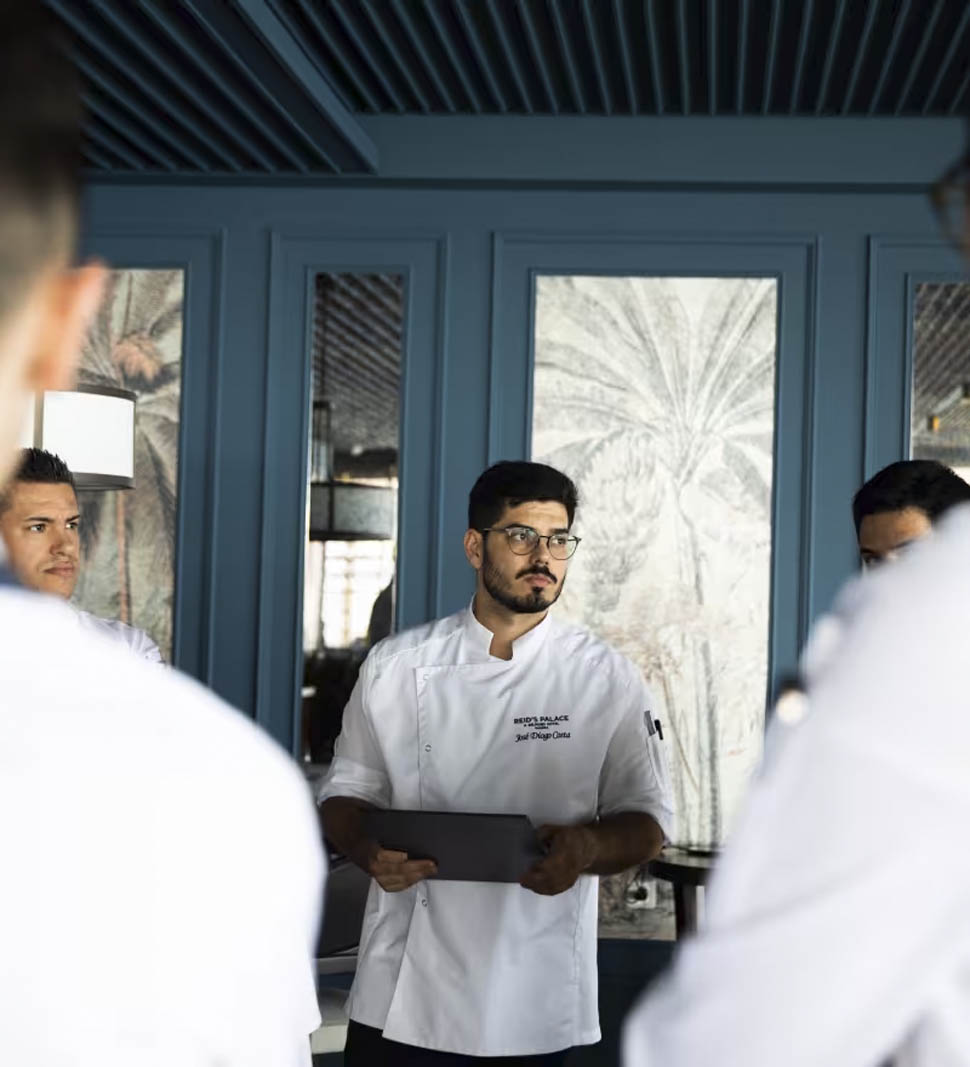
The kitchen is led by young chef José Diogo Costa, who is under thirty and a native of Funchal. After traveling to dozens of countries and gaining international acclaim for his work in the Azores, he returned to Madeira with a specific mission: to translate his vision of cuisine to the “terroir of Madeira,” using the rest of the world as inspiration. The chef's commitment to sustainability and local ingredients is evident. He works with selected local suppliers, giving priority to once-forgotten native products. One example is chícharo, a legume that the chef reintroduced to the menu after discovering a village that still produces it. Another is brigalhó, a tuber that grows abundantly in the Valley of the Nuns, which Diogo has included in his creations to pay homage to the island's traditions. There is also no shortage of local tropical fruits such as maracujá and chirimoya, used in savory dishes.
This passion for local traditions also extends to craftsmanship. The chef has embarked on a unique collaboration with Mr. Pedro, a 77-year-old craftsman and guardian of the art of wickerwork. The canapés served as the very first course on the menu are presented on handmade wicker placemats, creating an experience that blends cuisine and craftsmanship and pays homage to the soul of Madeira. However, dining at Reid's Palace today is not just about Michelin stars: in addition to the William Restaurant, it offers a variety of dining options and activities for its guests. From the iridescent breakfast on the pool terrace to lunch featuring local organic produce in the restaurant on the Pool Terrace, from homemade pasta and regional Italian dishes in the adjacent Villa Cipriani to the noteworthy Brisa do Mar restaurant, where you can dine overlooking the ocean on the romantic terrace (don't miss a pre-dinner drink). And then there is the iconic afternoon tea, a tradition dating back to the hotel's inception, served on yet another terrace with a selection of 24 teas and sweet and savory treats.
But let's get to know the young chef José Diogo Costa better, who introduced us to his idea of cuisine: clean and precise. His work is impeccable, textbook perfect, but sometimes at the expense of a greater drive that some customers might appreciate. Being still young and carrying the weight of an important responsibility such as that of the Belmond company, it is understandable that he is playing it safe (at least for a while longer). Born and raised between Funchal, Madeira, and the Viseu Dão-Lafões region of mainland Portugal, he studied at the Hotel and Tourism School in Coimbra and graduated in Kitchen Management and Production in Porto. Over the past ten years, he has worked in a wide variety of settings, from Michelin-starred restaurants in Norway, Portugal, and Thailand to creative pop-ups in Berlin, Helsinki, and Austria, to wineries and boutique hotels in Chile and the Azores.
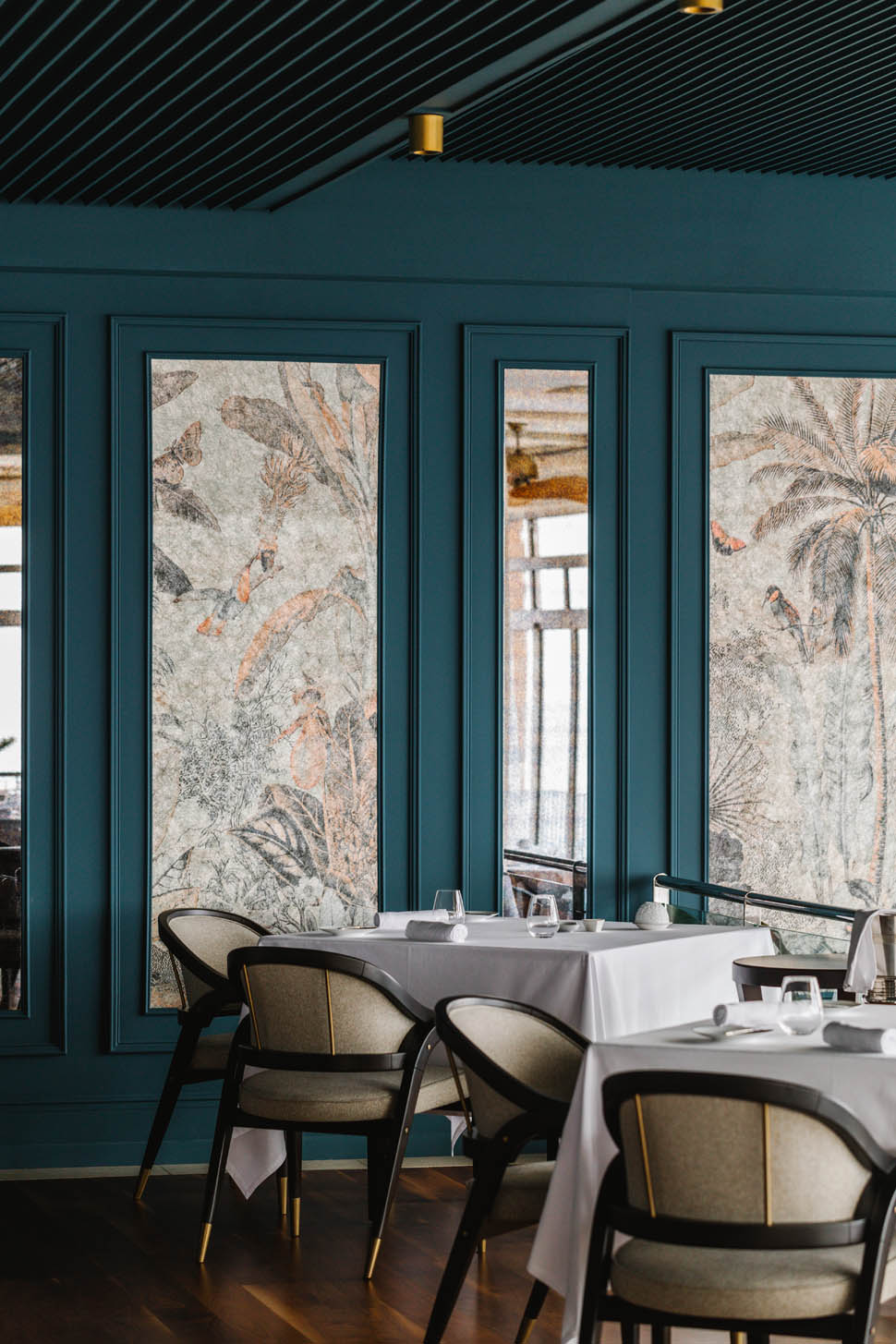
In 2022, he accepted the challenge of becoming Creative Executive Chef at Reid's Palace and managing the William Restaurant, with the aim of modernizing the cuisine, strengthening local identity, and creating a refined, authentically Madeiran dining experience within a legendary luxury hotel.
How and to what extent can you bring Madeiran cuisine to a luxury hotel?
A lot, more and more. We work with over 40 small producers on the island: fishermen, gatherers, farmers, artisans. From wild herbs to endemic fruits, from traditional bread to sugar cane derivatives, the menu is deeply rooted in the island's biodiversity and traditions. The key is not to literally reproduce “typical dishes,” but to reinterpret the memory, ingredients, and soul of Madeiran cuisine through a refined language that respects the hotel's DNA but surprises guests with a strong sense of place.
How would you describe your cuisine?
I usually say that my cuisine is “local, emotional, and modern.” Local, because it is always linked to the place, its products, and its people. Emotional, because I believe that food should tell stories, evoke memories, and create emotions. Modern, because I use contemporary techniques and aesthetics to express that identity in a clean, elegant, and personal way.
How do you and your team manage to attract locals to the restaurant?
It's a top priority for us. By keeping the restaurant open all year round, from Tuesday to Saturday: we create seasonal menus with a clear Madeiran identity, organize local wine pairings and collaborate with regional producers, investing in a narrative that makes locals proud, not intimidated. Slowly, we are seeing more and more locals coming back, not just for special occasions, but also because they feel that the restaurant represents the island.
What cuisine best represents you?
It's a mix of Portuguese Atlantic roots and influences from my travels, Nordic minimalism, the depth of Asian flavors, and a Latin American openness to nature. But at the heart of it all, Portuguese cuisine, and in particular Madeiran culture, are the foundations.
Which dishes best represent you and William Restaurant?
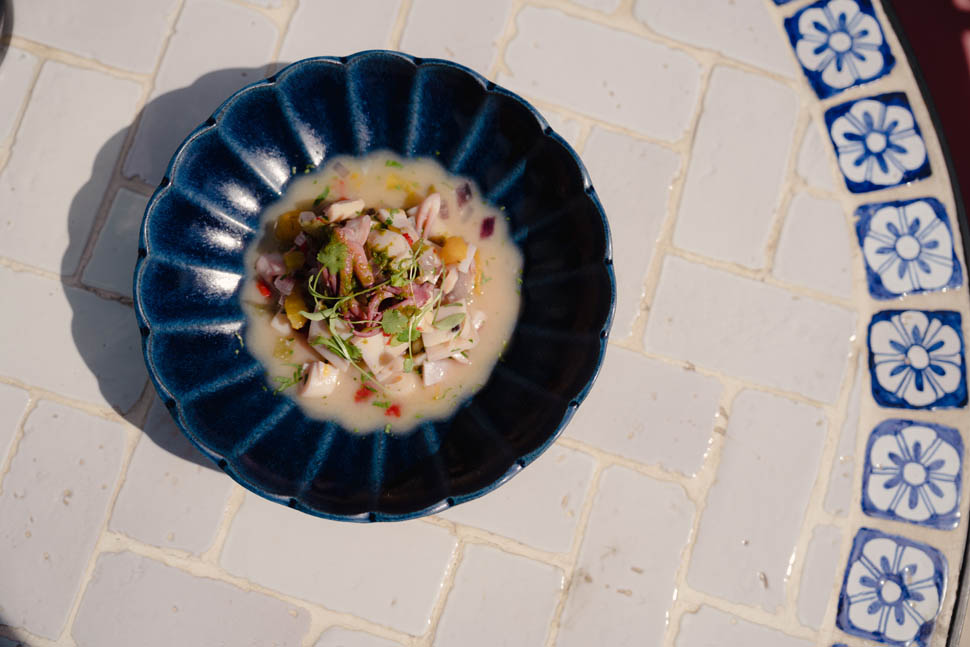
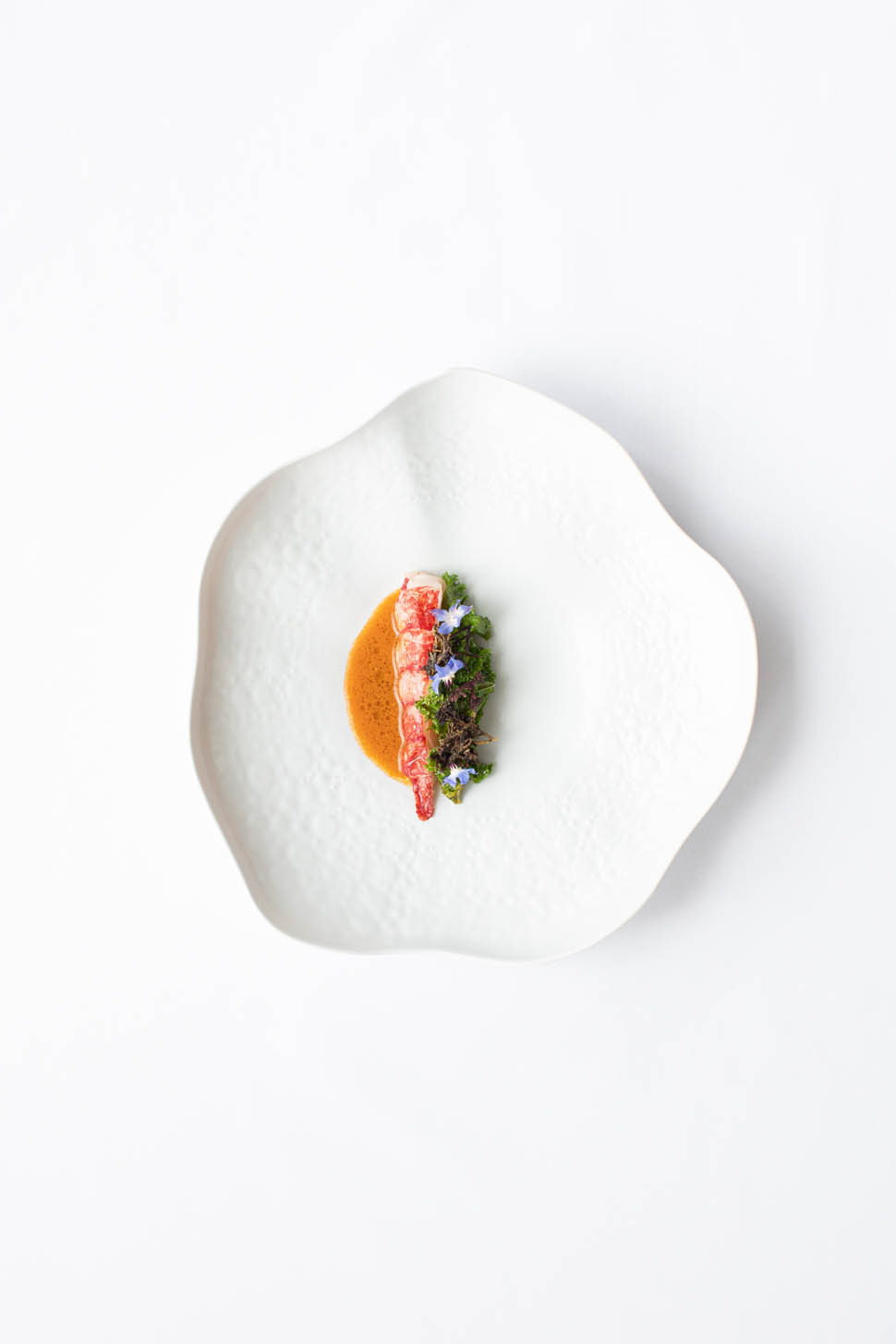
At William Restaurant, the dishes that best represent us are not just individual recipes, but the sequence of experiences that introduce guests to Madeira. We start with snacks, which are our first introduction to local artisans and ingredients: small tastings that highlight endemic products, reinterpreted traditional techniques, and the creativity of the team. They immediately set the tone of “this is Madeira, but in a new light.” Among the main courses, a key example is local fish with fennel textures, a dish that captures the essence of the Atlantic and the richness of the island's aromatic herbs. Fennel, in particular, has a long cultural and medicinal history in Madeira, and reworking it into different textures allows us to express both memory and innovation.
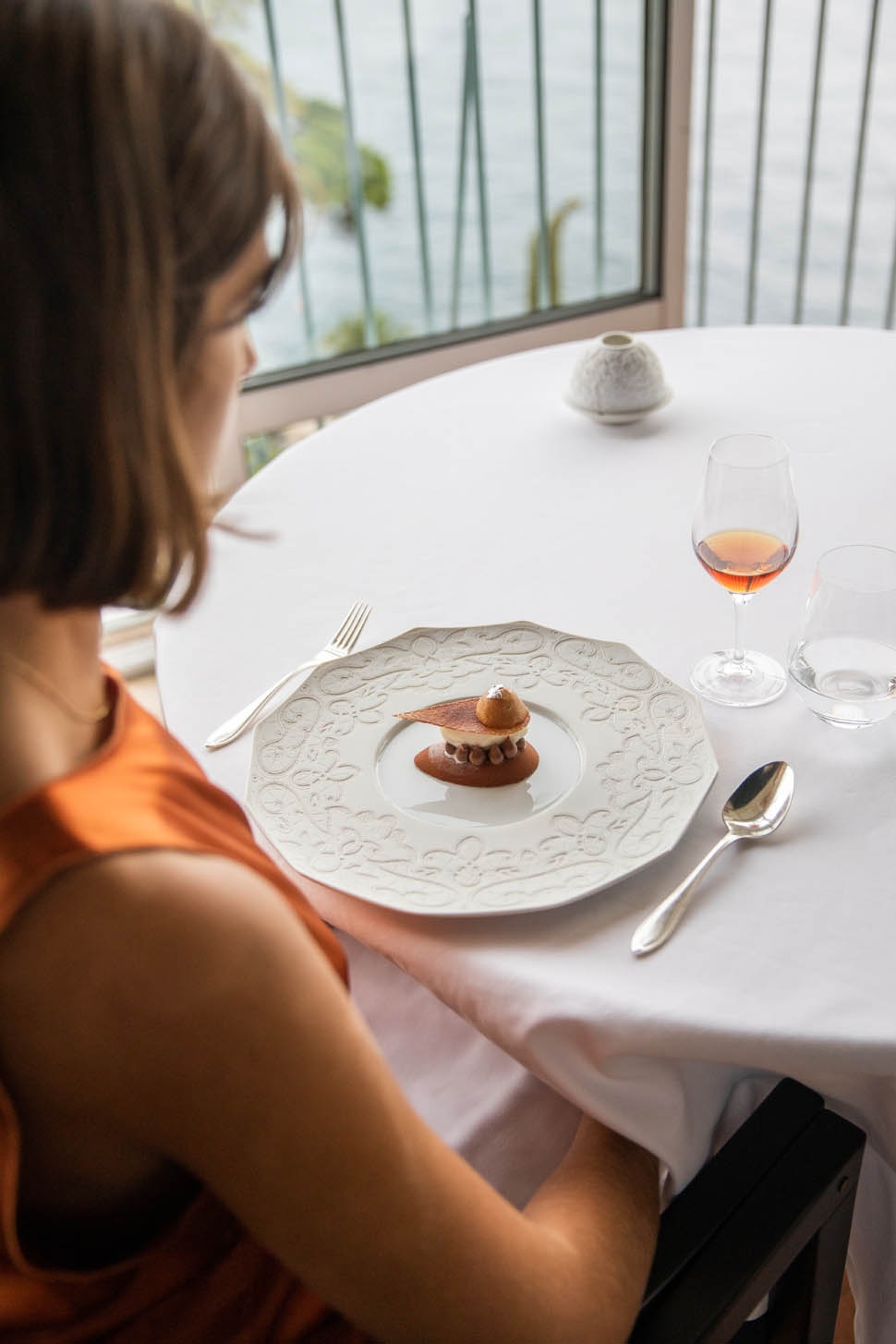
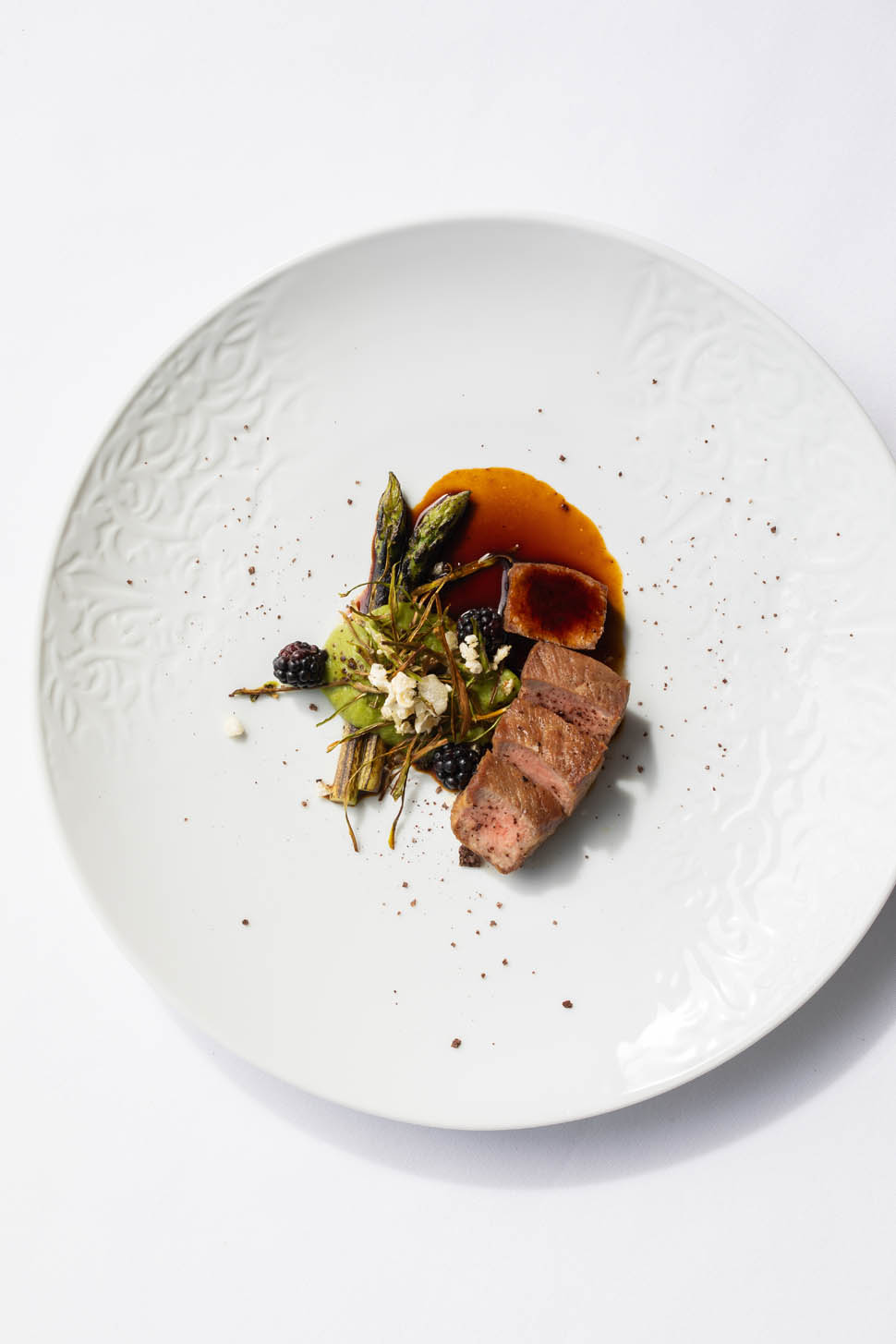
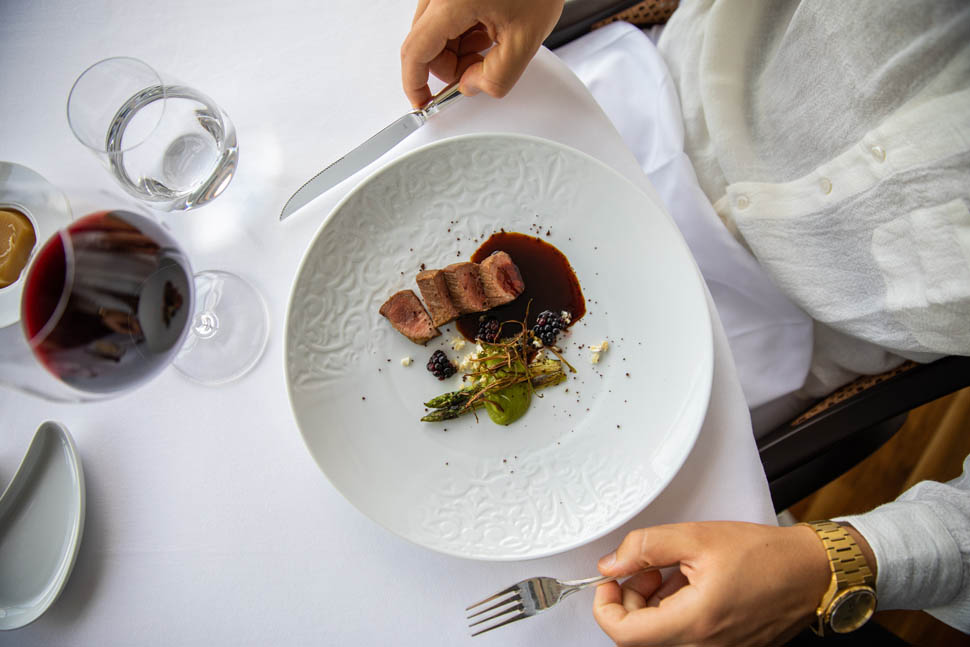
Another emblematic dish is smoked lamb with Madeira wine oak. Here we work with the island's wine tradition, using oak wood from barrels to flavor and season the meat. It is a dish that symbolizes the link we make between our cuisine and the island's heritage, not only through flavor, but also through materials and ritual. Finally, our fresh desserts made with tropical fruits such as banana, passion fruit, or pineapple conclude the experience with lightness and brightness. They celebrate Madeira's subtropical identity and leave a memory of freshness rather than heaviness, which is very important to us.
In short, these dishes represent our creative vision rooted in the territory: snacks as a first handshake with artisans and products, fish and lamb as deeper narratives of land and sea, desserts as a joyful and fresh farewell to the island.
What do you like most about Madeira?
Its biodiversity, its people, and its contrasts. In 30 minutes by car, you can go from the ocean to the mountains, from tropical fruit to alpine herbs. The generosity of the community and the richness of the ingredients make it every chef's dream.
How will the menu evolve in the coming season/months?
We are currently developing the fall-winter menu, which will focus more on roots, seasonal fish, and wild herbs; it will include more fermentation and preservation techniques and feature new dishes inspired by Madeira rituals such as sugar cane harvesting and the island's winter festivities. The idea is to always stay in tune with the rhythm of the island: never static, always seasonal, and constantly evolving.